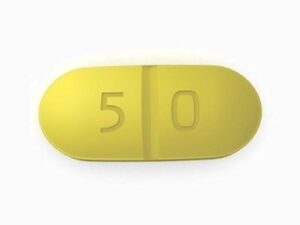
Naltrexone (Naltrexone Hydrochloride) – Patient Information (UK)
Naltrexone hydrochloride is a medicine used to help reduce the drive to drink alcohol and/or use certain opioids. In the UK, it is commonly prescribed as part of a structured treatment plan, along with counselling and other support.
This guide is designed to be patient-friendly and may help you understand how naltrexone works, how it is used, what to expect, and when to seek help. Always follow the instructions given by your healthcare team.
Quick overview
- Active ingredient: Naltrexone hydrochloride
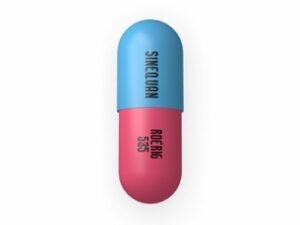
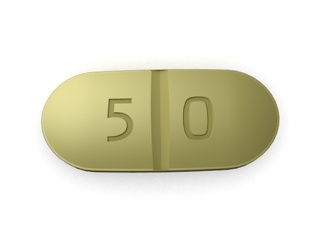
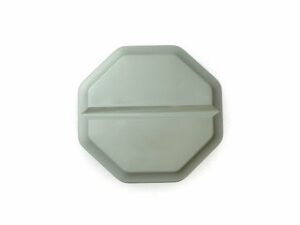
- Common forms: Tablets (strengths vary by brand)
- Uses: Alcohol dependence; opioid dependence (to prevent relapse after detoxification)
- How it works: Blocks opioid receptors, reducing the effects of opioids and alcohol-related reward
- Typical timing: Once daily for many regimens (or as directed by your clinician)
- Key safety point: Do not start naltrexone if opioids are still in your system—this can trigger withdrawal and can be dangerous.
What is naltrexone and what does it do?
Naltrexone is an opioid receptor antagonist. In simple terms, it attaches to opioid receptors in the brain, preventing opioids from activating them. This can reduce the “reward” or relief that people might otherwise feel from opioids, and it can also reduce some of the reinforcement associated with alcohol use in certain people.
Naltrexone is not a sedative and it is not a painkiller. Its role is to help support recovery by reducing cravings or the reinforcing effects of alcohol and opioids.
Mechanism of action (how it works)
Naltrexone competitively blocks opioid receptors, particularly the mu-opioid receptors. By blocking these receptors:
- Opioids become less effective: If you take opioids while naltrexone is active, the expected pain relief or “high” is reduced.
- Craving and relapse risk may decrease: Blocking reward pathways can help some people maintain abstinence or reduce use.
- Alcohol reinforcement may be reduced: Naltrexone may affect endorphin-mediated reward pathways involved in alcohol-related behaviour.
The strength of effect and how quickly you notice changes can vary from person to person.
Pharmacokinetics (how the body processes it)
Pharmacokinetics describe what the body does with a medicine. While exact figures can vary by individual, the following is a helpful overview.
- Absorption: Naltrexone is absorbed after oral dosing. It reaches peak levels in the blood within a few hours.
- Metabolism: It is metabolised primarily in the liver.
- Active metabolite: The main active metabolite is 6-beta-naltrexol, which may also contribute to effects.
- Elimination: Metabolites are excreted mainly via the kidneys (urine).
- Duration: Because naltrexone and its metabolites persist for a while, its effects can last longer than the time taken to swallow a tablet.
If you have liver problems or kidney impairment, your healthcare team may adjust monitoring and guidance.
Typical uses in the UK
1) Alcohol dependence
Naltrexone may be used to support treatment of alcohol dependence by helping reduce the urge to drink and helping maintain reduced or abstinent drinking in some patients.
2) Opioid dependence (relapse prevention)
Naltrexone can be used after a period of detoxification from opioids to help reduce the risk of relapse by blocking opioid effects.
Important: Naltrexone is intended for people who are already opioid-free or have achieved detoxification as advised by their healthcare team. Starting too early can be harmful.
Indications (what it is used for)
Naltrexone is indicated in the UK for:
- Alcohol dependence to help reduce heavy drinking in appropriate patients.
- Prevention of relapse in patients who are opioid-dependent and have been detoxified.
Dosing and timing
Dosing may vary depending on the condition being treated, your history, and other medicines. For this reason, always use the dose and schedule provided by your healthcare team.
Common dosing patterns (typical examples):
- Alcohol dependence: Often taken once daily. Some regimens may begin with a supervised start.
- Opioid relapse prevention: Generally started only after opioid detoxification, with specific timing guidance to ensure opioids are cleared from your system.
When to take naltrexone
- Choose a regular time each day to improve consistency.
- If you miss a dose, take it when you remember unless it is close to the next dose. Do not double up.
- If you are unsure after missing a dose, ask a pharmacist or follow the patient information leaflet provided with your medicine.
Food interactions
Naltrexone can generally be taken with or without food. Taking it with food may help reduce stomach upset for some people.
There are no common “specific foods” that are known to directly reduce its effectiveness, but your overall diet and drinking habits may influence how you feel and how treatment progresses.
Alcohol interactions
Because naltrexone is used to treat alcohol dependence, you may wonder whether it is safe to drink alcohol while taking it. In practice, treatment works best when alcohol intake is reduced or stopped as agreed with your healthcare team.
- Alcohol while on naltrexone: In some people, drinking may still cause unpleasant effects or not produce the expected “reward”.
- Safety risk: You should not use naltrexone as an excuse to drink more. Alcohol can still harm your health, especially if you have liver disease or other risk factors.
If you are starting naltrexone and drinking is still occurring, speak to your clinician or pharmacist about a plan for reduction or abstinence.
Medicine interactions (including opioids)
Opioids (high priority)
The most important interaction is with opioid medicines. Naltrexone blocks opioid receptors, which can:
- Make opioids such as morphine, oxycodone, heroin, or codeine less effective
- Increase the risk of withdrawal symptoms if you start naltrexone while opioids are still in your body
Do not take opioid pain medicines, cough preparations containing opioids, or recreational opioids without medical advice. If you require urgent pain relief, emergency services and the treating clinician need to know that you take naltrexone.
Other medicines
Naltrexone has fewer direct interactions than some medicines, but interactions can still occur via liver metabolism. Tell your healthcare team about all medicines you use, including:
- Over-the-counter medicines
- Herbal products
- Supplements
- Any medicines for mental health, sleep, or pain
Your pharmacist can check interactions using your specific brand and dose.
What you may feel when starting naltrexone
Many people do not feel an immediate “high” or sedation. Instead, the main expected changes are behavioural—such as reduced cravings or fewer urges to drink or use opioids over time.
- Early period: Some people experience mild side effects (see Safety Profile section).
- Ongoing treatment: Benefits may build with consistent dosing and supportive care.
If you experience severe mood changes, confusion, severe abdominal pain, or signs of liver problems, seek urgent help.
Safety profile (side effects and warnings)
Common side effects
Not everyone will experience side effects. Commonly reported effects include:
- Nausea
- Headache
- Fatigue or tiredness
- Dizziness
- Abdominal discomfort
- Sleep disturbance (some people)
Less common but important effects
- Liver-related effects: Naltrexone can affect the liver in some circumstances. Tell your clinician if you have liver disease or drink heavily.
- Mood changes: Anxiety, irritability, or depressed mood can occur. Seek medical advice if symptoms worsen or you feel unsafe.
- Withdrawal symptoms (risk during opioid use): Starting too soon after opioid exposure may cause withdrawal.
Serious warnings (seek urgent medical help)
Contact urgent medical services or seek immediate help if you have:
- Signs of allergic reaction: swelling of face/lips, difficulty breathing, severe rash
- Severe or persistent vomiting
- Jaundice (yellow skin/eyes), dark urine, severe right-sided upper abdominal pain
- Severe agitation, confusion, fainting, or thoughts of self-harm
Who should take extra care?
- Liver disease: Increased monitoring may be required.
- Kidney impairment: Your clinician may adjust monitoring and advice.
- Recent opioid use: The timing of starting naltrexone is critical to reduce the risk of withdrawal.
- Pregnancy or breastfeeding: Discuss risks and benefits with a healthcare professional.
Practical tips for using naltrexone
- Plan your start: Ensure you have been detoxified from opioids as advised. Avoid taking opioids around the start date.
- Keep a routine: Choose a daily time that suits you and use alarms/reminders.
- Track triggers: Cravings often follow patterns (time of day, places, social situations). Use a journal or app if it helps.
- Stay supported: Counselling, peer support, and structured programmes improve outcomes.
- Be open with professionals: Let dentists, emergency clinicians, and pharmacists know you are taking naltrexone.
- Monitor liver symptoms: Report unusual fatigue, loss of appetite, dark urine, or yellowing of the skin/eyes.
Alcohol and relapse prevention: what to expect
Naltrexone may reduce the reinforcement that alcohol provides for some people, but cravings can still occur. Treatment is usually most effective when combined with:
- Behavioural strategies (coping skills, trigger management)
- Regular check-ins with a clinician
- Mutual support groups or counselling
- A structured plan for reducing or stopping drinking
If you relapse, this does not mean treatment has failed. It may mean the plan needs adjusting. Discuss setbacks early with your healthcare team.
Alternative options (depending on the goal)
There are different treatment approaches for alcohol dependence and opioid dependence. Alternatives may include both medicine and non-medicine options.
For alcohol dependence
- Acamprosate: Used to help maintain abstinence in some patients.
- Disulfiram: Works by discouraging alcohol intake (causes unpleasant reactions if alcohol is consumed).
- Psychological therapies: e.g., motivational support, CBT-based approaches, relapse prevention programmes.
For opioid dependence
- Buprenorphine: A partial opioid agonist used for opioid substitution therapy.
- Methadone: A long-acting opioid used in substitution therapy.
- Naltrexone: An opioid antagonist used after detoxification in appropriate patients.
- Support services: Structured counselling and harm-reduction strategies.
Your clinician can help decide what fits best based on your medical history, cravings, withdrawal risks, and preferences.
UK market and legal context (overview)
In the UK, medicines are regulated by the Medicines and Healthcare products Regulatory Agency (MHRA). Treatment pathways for alcohol dependence and opioid dependence are commonly delivered through NHS services and specialist addiction services, with prescribing and monitoring aligned to clinical guidance.
Availability and brand presentation can vary, and the exact status (e.g., prescription-only classification where applicable) depends on the product and local regulations. Your pharmacy can provide information on how to obtain the specific formulation you need.
Recent guidance (high-level)
UK addiction services periodically update approaches based on accumulating clinical evidence and safety updates. Key themes across recent years include:
- Emphasis on careful opioid-free assessment before starting opioid antagonists like naltrexone
- Ongoing consideration of liver safety and appropriate monitoring in at-risk groups
- Integration of psychosocial support alongside medication for best outcomes
For the most current advice in your situation, speak to your healthcare team or consult NHS addiction resources.
Delivery and availability (how to plan)
Availability depends on the specific tablet strength and the pharmacy’s stock. Many online pharmacies can deliver within the UK using tracked delivery services.
- Order processing: Orders are usually processed on working days.
- Delivery times: Delivery estimates can vary by courier and location.
- Packaging: Medicines are typically dispatched in secure packaging to protect tablets from damage.
- Stock updates: If a product is temporarily unavailable, you may be offered an alternative strength/formulation where appropriate.
Always check that you have the correct strength and that the instructions match your treatment plan.
Safety FAQs
1) Can I take naltrexone if I’m still using opioids?
You should not start naltrexone while opioids are still present in your body. Doing so can trigger withdrawal. If you think you may have opioids in your system, talk to a clinician urgently for safe guidance.
2) Will naltrexone stop me craving alcohol?
Some people notice reduced cravings and fewer urges, while others experience smaller benefits. Outcomes are often better when naltrexone is combined with support and structured relapse prevention strategies.
3) What happens if I drink alcohol while taking naltrexone?
Alcohol may still cause harm regardless of naltrexone. In treatment, the aim is usually to reduce or stop drinking as agreed with your healthcare team. If you continue drinking, discuss a safety plan with your clinician.
4) Can I take painkillers while on naltrexone?
Non-opioid pain relief may be possible, but you should always check with a pharmacist or clinician. Avoid opioid-containing medicines unless specifically advised by a healthcare professional who knows you take naltrexone.
5) Are there any food restrictions?
Naltrexone can generally be taken with or without food. If it upsets your stomach, taking it with meals may help.
6) What should I do if I miss a dose?
Take it when you remember unless it is close to the time for your next dose. Do not double up. If you are unsure, ask your pharmacist or consult the patient information leaflet.
7) How long does naltrexone take to work?
Some people notice changes in cravings within days, but for others it may take longer. Consistency over time, combined with support, is important.
8) Is naltrexone habit-forming?
Naltrexone is not typically considered habit-forming in the way opioid drugs can be. However, treatment should always be managed under healthcare guidance.
Frequently asked questions (general)
9) Can I stop naltrexone suddenly?
Stopping may be appropriate in some circumstances, but it should be discussed with your healthcare team. If you stop, cravings and relapse risk may return, so plan alternatives and support in advance.
10) Is naltrexone suitable for everyone?
Naltrexone may not be suitable for people with certain medical conditions, including some liver problems, or for those who are not opioid-free when starting for opioid-related indications. A clinician can assess suitability and monitoring needs.
11) Can I take it if I have liver disease?
Extra caution is required. Your clinician may recommend baseline and follow-up liver function tests and decide whether it is safe for you.
12) Can it be used alongside counselling?
Yes. In many programmes, naltrexone is used together with counselling and behavioural therapies, which can improve results.
Product information summary
| Topic | Key points |
|---|---|
| Active ingredient | Naltrexone hydrochloride |
| Use | Alcohol dependence and relapse prevention after opioid detoxification (depending on indication) |
| How it works | Opioid receptor antagonist; blocks the effects of opioids and can reduce reinforcement pathways |
| Typical dosing | Often once daily; follow your personalised instructions |
| Food | Generally can be taken with or without food |
| Alcohol | For most patients, reduced/avoided alcohol is recommended as part of treatment |
| Opioids | Do not start if opioids are still in your system; opioids may not work while on naltrexone |
| Safety focus | Liver safety and withdrawal risk if started too early; mood changes should be monitored |
| UK availability | Availability varies by formulation and local regulations; pharmacy staff can help confirm options |
Important: This page provides general information. Your healthcare team and the patient information leaflet that comes with your medicine contain the most relevant details for your personal situation.