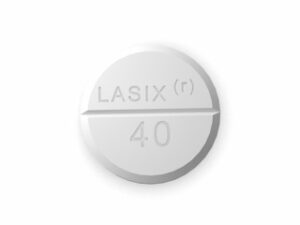


Lasix (Furosemide) – Patient Information
Lasix is the brand name of furosemide, a medicine used to remove excess fluid from the body. It belongs to a group of medicines called loop diuretics (“water tablets”). This page explains what Lasix is, how it works, when it’s used, how it’s taken, key safety information, and practical tips—tailored for people in the United Kingdom.
Key product information
| Feature | Information |
|---|---|
| Medicine | Lasix (furosemide) |
| Medicinal group | Loop diuretic |
| What it does | Increases urine production to reduce fluid retention |
| Common forms | Tablets and oral solution (availability may vary) |
| Typical onset | Often within 1 hour for oral tablets (can vary) |
| How it’s monitored | Blood pressure and blood tests (e.g., salts/potassium, kidney function) |
How Lasix works (mechanism of action)
Lasix is a loop diuretic. It acts in the kidneys, specifically on the loop of Henle. Normally, the kidney reabsorbs salts such as sodium. Lasix blocks the transport process in this part of the kidney, leading to:
- More sodium and water leaving the body in urine
- Lower fluid build-up in tissues (reducing swelling)
- Changes in electrolytes, including possible decreases in potassium (hypokalaemia)
By reducing fluid overload, Lasix can help relieve symptoms related to conditions such as heart failure and fluid retention in the legs.
Pharmacokinetics (how the body handles the medicine)
Pharmacokinetics describes absorption, distribution, metabolism, and elimination. Key points for furosemide include:
- Absorption: After taking by mouth, furosemide is absorbed with effects beginning relatively quickly.
- Onset and duration: Onset is often seen within about an hour for oral forms. Duration can be several hours, though it varies between people and doses.
- Protein binding: Furosemide is bound to plasma proteins to some extent.
- Elimination: It is mainly eliminated via the kidneys. Kidney function therefore strongly affects how the medicine behaves.
- Electrolyte changes: Because it affects salt handling, it may alter sodium, potassium, magnesium, and acid–base balance.
Your healthcare team may adjust the dose based on your response, kidney function, blood pressure, and blood test results.
What Lasix is used for (indications)
Lasix helps treat situations where the body holds onto too much fluid. Common indications include:
- Oedema (fluid retention) associated with:
- Heart failure
- Kidney disease where fluid retention occurs
- Liver disease with fluid retention (e.g., ascites)
- Other medical conditions where diuresis is needed (as determined by a clinician)
- Hypertension (high blood pressure) in selected cases, often as part of a broader treatment plan
- Reduction of swelling and breathlessness symptoms caused by fluid overload (symptom relief as part of treating the underlying condition)
The exact use depends on your diagnosis, other medicines, and your individual risk profile.
Typical timing and how to take Lasix
Lasix can increase urination. Timing is important to reduce disruption at night.
When to take it
- Usually earlier in the day: Many people are advised to take it in the morning to reduce night-time trips to the toilet.
- Split doses if required: If more than once daily, doses are commonly spaced (for example morning and early afternoon), depending on your plan.
- Consistency helps: Taking it at similar times each day can support stable effects.
How to take tablets
- Swallow tablets with water.
- If you have difficulty swallowing, discuss alternative forms (such as oral solution, if available) with a pharmacist.
- Do not change your dose without clinical advice.
Tip: If you start a new dose, plan for the first 1–2 days around toilet access, as urine output may increase quickly.
Food interactions
Food can sometimes affect how quickly medicines are absorbed. For furosemide, the overall effect may be variable by individual and product form.
- General advice: Take Lasix as directed by your healthcare team. If you notice consistent changes when taken with food, mention this to your pharmacist or prescriber.
- Salt intake: High salt (sodium) intake can counteract diuretic benefits. If you have been advised to follow a low-salt diet for fluid control, follow it.
Your clinician may also advise about fluid intake. In some conditions, fluid restrictions may be recommended.
Alcohol and medicine interactions
Alcohol may increase the risk of side effects such as dizziness and low blood pressure, especially in people who are already prone to dehydration. It can also worsen electrolyte balance indirectly.
- Avoid or limit alcohol if you feel light-headed, are dehydrated, or have low blood pressure.
- Be cautious with drinks that may increase dehydration.
Medicines that may interact with Lasix
Interactions can affect kidney function, electrolyte levels, or the risk of unwanted effects. Always check with a pharmacist when starting or stopping medicines. Common interaction categories include:
-
NSAIDs (e.g., ibuprofen, naproxen, diclofenac):
- May reduce the diuretic and blood pressure effects and can affect kidney function.
-
Other blood pressure medicines:
- May increase the chance of dizziness or low blood pressure.
-
Digoxin (for heart rhythm/heart failure):
- Low potassium increases the risk of digoxin toxicity.
-
Lithium:
- Furosemide may increase lithium levels and toxicity risk.
-
Medicines affecting potassium or magnesium:
- Because Lasix can lower potassium, the risk of rhythm problems may change when combined with other medicines.
-
Diabetes medicines:
- Diuretics can alter blood sugar control in some people.
-
Probenecid and other drugs affecting kidney secretion:
- May affect how furosemide works.
This is not an exhaustive list. Tell your pharmacist about all medicines and supplements you take, including over-the-counter products.
Dosing guidance (what is typical)
Dosing varies widely depending on the condition being treated, kidney function, fluid status, blood pressure, and how you respond. Your healthcare team will individualise your dose.
General principles
- Start low and adjust: Many regimens begin with a dose and then adjust based on urine output and blood tests.
- Use the smallest effective dose: This reduces risks such as electrolyte imbalance and dehydration.
- Monitor kidney function and electrolytes: Especially potassium, sodium, and magnesium.
- For fluid overload: Some people require higher doses initially, then a maintenance dose.
How dosing may be scheduled
- Once daily is common for mild or maintenance fluid retention.
- More than once daily may be needed for more significant oedema, with careful timing to avoid night-time urination.
Important: Do not take extra doses “to catch up” if you miss a dose. Ask a pharmacist for advice based on your situation.
Safety profile and side effects
Like all medicines, Lasix can cause side effects. Some effects are expected because it changes salt and fluid balance. Others may indicate dehydration, electrolyte disturbance, or allergy.
Common side effects
- Increased urination (the intended effect)
- Dehydration or feeling thirsty
- Dizziness, especially when standing up
- Headache
- Muscle cramps (may be related to electrolyte changes)
- Low blood pressure
- Electrolyte changes, such as:
- Low potassium (hypokalaemia)
- Low sodium (hyponatraemia)
- Low magnesium (hypomagnesaemia)
Less common but important side effects
- Kidney function changes (especially with dehydration or when combined with interacting medicines)
- Rash or other signs of possible allergy
- Hearing disturbances are uncommon but can be serious—seek advice promptly if you notice new hearing changes or ringing in the ears
- Blood test changes such as uric acid or glucose changes in some people
Seek urgent medical help if
- Severe dizziness, fainting, or signs of significant dehydration
- Fast or irregular heartbeat, severe weakness, or muscle cramps that feel extreme
- Allergic symptoms such as swelling of the face/lips, severe rash, or trouble breathing
- Sudden reduction in urine output or severe ongoing vomiting/diarrhoea
- Severe headache, confusion, or seizures (possible severe electrolyte disturbance)
Who should take extra care
- People with kidney impairment
- People at risk of low potassium or heart rhythm problems
- Older adults (more prone to dehydration and low blood pressure)
- People taking medicines known to interact with furosemide (e.g., lithium, digoxin, NSAIDs)
- Anyone who is prone to gout (furosemide can increase uric acid in some cases)
Practical use tips (to get the most from Lasix)
- Monitor your symptoms: Note changes in swelling, weight, and breathlessness. If symptoms worsen, contact your clinician.
- Track your weight: Many people with fluid retention are advised to monitor daily weight. Rapid increases can suggest fluid build-up.
- Stay hydrated appropriately: “More water” is not always the answer—follow personalised advice about fluid intake.
- Be careful with sudden standing: If you feel dizzy, rise slowly from sitting/lying positions.
- Plan for bathroom access: The medicine can increase urine output soon after dosing.
- Attend blood tests: Regular monitoring of electrolytes and kidney function is often essential.
Missed dose, overdose, and what to do
If you miss a dose
If you miss a dose, take it when you remember unless it is close to the time of the next dose. Do not take a double dose to make up for the missed one. If you’re unsure, ask a pharmacist for advice.
Overdose (too much)
Taking more than prescribed can lead to severe dehydration, electrolyte imbalance, and low blood pressure. If an overdose is suspected, seek urgent medical help.
Alternative options to Lasix
If Lasix is not suitable or you need a different approach, other treatments may be considered. Alternatives depend on the underlying condition and your medical history.
Other diuretics
- Thiazide-like diuretics (e.g., indapamide): Often used for blood pressure and mild fluid retention.
- Thiazide diuretics (e.g., hydrochlorothiazide): Common in hypertension regimens.
- Potassium-sparing diuretics (e.g., spironolactone, eplerenone): Often used in specific heart failure or hormonal indications, sometimes alongside loop diuretics.
Non-diuretic options
- For some conditions, optimising underlying treatment (for example, heart failure medicines) may reduce fluid retention.
- For certain types of fluid overload, specialists may consider other approaches based on cause and severity.
A pharmacist or clinician can explain which options are appropriate for you and whether switching would require monitoring changes.
UK market and legal context (general information)
In the United Kingdom, medicines containing furosemide are regulated under UK medicines legislation. Availability through online pharmacies generally follows legal requirements for supply and patient safety checks.
- Classification: Furosemide is typically a prescription-only medicine in the UK.
- Pharmacy checks: A reputable pharmacy may ask about your current medicines, medical conditions, and suitability before supply.
- Monitoring: People taking diuretics often require ongoing monitoring (blood pressure and blood tests).
If you are unsure about your status (e.g., whether a particular supply route is appropriate), contact the pharmacy’s support team.
Recent guidance and monitoring considerations
Ongoing clinical guidance for diuretic therapy emphasises:
- Regular electrolyte and kidney-function monitoring, especially after dose changes or when unwell.
- Individualised dosing to balance symptom relief against risks such as dehydration and low potassium.
- Awareness of interacting medicines, including NSAIDs and other drugs affecting kidney function.
- Safety around illness: if you develop vomiting, diarrhoea, fever, or reduced intake, diuretics may need review to reduce dehydration risk.
Your clinician may advise a “sick day” plan—follow their instructions if you become unwell.
Delivery and availability in the United Kingdom
Delivery availability may vary by supplier and your location. Most online pharmacies offer standard delivery options, and some may provide faster services where available.
- Packaging: Medicines are usually delivered in protective packaging to ensure safe transit.
- Availability: Stock levels can change; alternatives or different strengths may be offered when appropriate.
- Storage: Follow the storage instructions on the pack (commonly room temperature, protected from moisture and heat).
If you need a specific strength or formulation and it is unavailable, speak to customer support so they can advise on the best option.
Frequently asked questions (FAQ)
Is Lasix the same as furosemide?
Yes. Lasix is a brand name; furosemide is the generic name. They contain the same active ingredient.
How quickly does Lasix work?
For oral doses, effects often begin within about an hour, though timing varies. The medicine can significantly increase urination shortly after taking a dose.
Why should I take it earlier in the day?
Because it increases urine production, taking it earlier can help reduce night-time urination and improve sleep.
Will Lasix make me lose weight?
It may lead to weight loss due to removal of excess fluid, not fat loss. Rapid weight changes can be a sign of fluid shifts—monitor as advised.
Can I take Lasix with food?
In general, you can take it with or without food as instructed by your clinician or on the label. If your dose instructions differ, follow them. If you notice consistent changes when taking it with food, tell your pharmacist.
What blood tests might I need?
Many people need monitoring of kidney function and electrolytes (such as potassium, sodium, and magnesium). Frequency depends on your condition and dose.
What should I do if I feel dizzy?
Sit or lie down and avoid sudden standing. Dizziness can be caused by low blood pressure or dehydration. Contact your pharmacist or clinician for advice, especially if it’s persistent or severe.
Can I drink alcohol while taking Lasix?
It’s best to limit alcohol. Alcohol may worsen dizziness or dehydration risk. If you’re unsure, ask a pharmacist.
Is Lasix safe for everyone?
Not everyone. Extra care is needed if you have kidney problems, low blood pressure, electrolyte abnormalities, or take medicines that interact with furosemide. Discuss suitability with a pharmacist or clinician.
Can Lasix affect potassium levels?
Yes. Furosemide can lower potassium. This is one reason monitoring and sometimes potassium supplementation may be considered. Never start potassium supplements without professional advice.
What if I have vomiting or diarrhoea while taking Lasix?
You may be at higher risk of dehydration and kidney strain. Follow your clinician’s sick-day guidance and seek medical advice if you feel unwell or can’t maintain normal fluid intake.
Summary
Lasix (furosemide) is a loop diuretic used to treat fluid retention such as oedema in heart failure and other conditions. It works by helping the kidneys remove excess salt and water, improving symptoms related to swelling. Because it can affect blood pressure and electrolyte balance, safe use depends on correct timing, monitoring (especially kidney function and potassium), and awareness of interactions—particularly with NSAIDs and other medicines.
If you have questions about your specific dose, timing, side effects, or whether Lasix is suitable alongside your other medicines, speak to a healthcare professional or pharmacist.