Aldactone (Spironolactone) – Patient Information (UK)
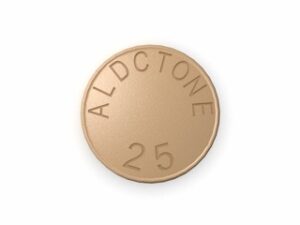
Aldactone is the brand name for spironolactone, a medicine used mainly to treat fluid retention (oedema) and certain hormone-related conditions. It is a “potassium-sparing” diuretic, meaning it helps the body remove excess salt and water without causing the same level of potassium loss as some other water tablets.
This guide is written for people in the United Kingdom and explains what Aldactone does, how it works, how to take it safely, and what to expect. Always follow the advice of a healthcare professional and read the patient information leaflet provided with your medicine.
Quick facts
- Active ingredient: Spironolactone
- Medicinal type: Potassium-sparing diuretic; mineralocorticoid receptor antagonist
- Common reasons it’s used: Fluid retention, heart-related oedema, certain hormonal conditions
- Key caution: May raise potassium levels (hyperkalaemia)
- Common side effects: Dizziness, stomach upset, increased urination, breast tenderness
What is Aldactone?
Aldactone contains spironolactone, which blocks the effects of aldosterone, a hormone that helps control salt and water balance in the body. By blocking aldosterone, spironolactone reduces fluid retention and can also reduce the effects of androgens (male-type hormones) in certain conditions.
Aldactone is available in different strengths depending on formulation and local supply. Your pharmacist can confirm the exact strength you have.
How Aldactone works (mechanism of action)
Spironolactone works mainly as a mineralocorticoid receptor antagonist. In simpler terms, it prevents aldosterone from acting on the kidneys and other tissues. This leads to:
- Less salt (sodium) reabsorption in the kidneys
- More water excretion, helping relieve fluid retention
- Reduced potassium excretion, which is why it is “potassium-sparing”
- In some conditions, anti-androgen effects, which may help with symptoms linked to hormone imbalance
Unlike loop diuretics, spironolactone usually has a milder diuretic effect and typically works more gradually. This can be helpful in long-term management of oedema.
Pharmacokinetics (how the body handles the medicine)
Pharmacokinetics describes how the medicine is absorbed, distributed, metabolised, and eliminated. Spironolactone has a complex metabolism pattern and produces active metabolites.
- Absorption: Absorption after oral use can be influenced by food and individual factors.
- Metabolism: Spironolactone is metabolised in the liver, producing active metabolites that contribute to its overall effect.
- Onset: Diuretic effects may begin within a short time, but full benefits for fluid control and hormonal effects often develop over several days.
- Duration: Because active metabolites persist, effects may continue for longer than the initial dose period.
- Elimination: Excretion occurs through the body’s normal clearance pathways, including urine.
If you have kidney or liver problems, drug levels and side effects may be more likely, so your clinician may adjust monitoring and dosing accordingly.
Typical uses in the UK
Aldactone is used for a range of conditions, commonly where aldosterone activity contributes to fluid retention or hormone-related symptoms. In the UK, its licensed uses may include (depending on formulation and local prescribing practice):
- Oedema associated with heart failure and other conditions where aldosterone contributes to fluid retention
- Hypertension in selected situations (particularly when other options are not suitable)
- Ascites related to liver disease (often alongside other treatments)
- Nephrotic syndrome with oedema, in selected cases
- Hirsutism/acne in hormone-sensitive conditions (anti-androgen effect)
- Hyperaldosteronism and related states under specialist management
The exact indication for your treatment depends on your diagnosis, other medicines, and your lab results. Your pharmacist and prescriber can help explain why Aldactone is recommended for you.
When to take Aldactone (timing & routine)
Take Aldactone exactly as advised by your healthcare professional. Many people find these general timing tips useful:
- With food: Many people tolerate spironolactone better with meals. Follow your leaflet or clinician instructions.
- Once or twice daily dosing: If your dose is split, take the second dose later in the day but not too close to bedtime if urination is troublesome.
- Consistency: Try to take it at similar times each day to maintain steady levels.
- Missed dose: If you miss a dose, take it when you remember unless it’s close to the next dose. Do not double the dose.
If you are unsure about what to do after a missed dose, ask your pharmacist.
Food interactions (and what to watch for)
Spironolactone is not usually known for major “food” interactions like some antibiotics, but certain dietary factors are important because of potassium and salt balance.
- Potassium-rich salt substitutes: Avoid using “low-sodium” salts that substitute potassium chloride unless your clinician has told you to.
- High-potassium diets: You may need to moderate foods high in potassium (e.g., very large portions of bananas, oranges, dried fruit, tomatoes, and some “health” drinks), depending on your blood tests.
- Alcohol and dehydration: Alcohol can contribute to dehydration in some situations, potentially affecting kidney function and blood pressure.
Your clinician may recommend a blood test schedule to guide whether your diet should be adjusted. If you do not know your potassium targets, ask your pharmacy team or GP practice.
Alcohol and medicine interactions
Alcohol may not have a direct chemical interaction with spironolactone, but it can increase the risk of side effects in several ways:
- Dizziness and low blood pressure: Both alcohol and spironolactone can contribute to light-headedness, especially when you stand up.
- Kidney stress in dehydration: Heavy alcohol use can worsen dehydration, which may affect kidney function and potassium balance.
- Medication safety: Drinking alcohol alongside other medicines (such as blood pressure drugs or diuretics) may increase the likelihood of unwanted effects.
If you drink alcohol, consider keeping it moderate and monitor how you feel after starting or changing your dose. If you experience fainting, severe dizziness, or worsening weakness, seek medical advice promptly.
Medication interactions (common ones to discuss)
Because spironolactone can raise potassium, interactions are especially important. Always tell your healthcare professional about all medicines, including over-the-counter products and herbal remedies.
Medicines that may increase potassium
- Other potassium-sparing diuretics
- Potassium supplements (unless specifically prescribed)
- ACE inhibitors (e.g., ramipril, enalapril)
- Angiotensin II receptor blockers (ARBs) (e.g., losartan, valsartan)
- Some anti-inflammatory medicines such as NSAIDs (e.g., ibuprofen, naproxen) especially with kidney impairment
Medicines that may affect kidney function or blood pressure
- NSAIDs may reduce kidney blood flow in some people
- Other antihypertensives can increase the chance of low blood pressure
- Digoxin may be affected by potassium level changes (too much or too little potassium can increase risk of side effects)
Practical reminder
If you’re starting Aldactone (or changing dose), ask your pharmacist whether any of your current medicines should be reviewed. This is particularly relevant if you have reduced kidney function or diabetes.
Dosing (general guidance)
Dosing varies widely depending on the condition being treated, your kidney function, your potassium levels, and how you respond. Always follow the instructions provided with your specific product.
Typical dosing patterns (illustrative):
- Adults may start on a lower dose and adjust gradually based on blood test results and clinical response.
- For fluid retention, the dose may be titrated to achieve the desired reduction in oedema.
- For hormonal conditions (anti-androgen effects), improvements may take weeks, and the dosing schedule can differ.
- In kidney impairment, clinicians often use caution and may reduce dose and increase monitoring.
- In older adults, extra attention is needed due to a higher likelihood of kidney-related side effects and changes in potassium.
If your dose is changed, blood tests (commonly potassium and kidney function such as creatinine/eGFR) may be repeated.
Safety profile & warnings
Aldactone is generally well tolerated for many people, but because it affects potassium and hormones, safety monitoring is important. If you have been told you’re at higher risk, follow the monitoring plan closely.
Important risks
- High potassium (hyperkalaemia): This can be serious. Symptoms may include muscle weakness, tingling, slow or irregular heartbeat, or feeling unusually unwell. People at higher risk include those with kidney problems, diabetes, the elderly, and those taking potassium-increasing medicines.
- Kidney function changes: Your healthcare team may monitor kidney function, especially when starting treatment or changing dose.
- Low blood pressure: Especially when you first start, or if you’re also taking other blood pressure-lowering medicines.
Common side effects
- Increased urination (usually gradual)
- Dizziness or light-headedness
- Stomach upset (e.g., nausea)
- Headache
- Breast tenderness or enlargement (gynecomastia in some men)
- Menstrual irregularities or breast changes in women
- Sexual side effects (may include reduced libido)
Seek urgent medical advice if
- You experience fainting, severe dizziness, or signs of an allergic reaction
- You have palpitations, chest discomfort, or feel very unwell (possible rhythm issues)
- Symptoms suggest high potassium, such as marked weakness, abnormal sensations, or irregular heartbeat
This is not an exhaustive list. For full safety information, refer to the patient information leaflet supplied with your medicine.
Practical use tips (how to get the best results)
1) Follow blood test plans
Monitoring is a key part of safe spironolactone use. Your clinician may check:
- Potassium
- Kidney function (e.g., creatinine/eGFR)
- Electrolytes and sometimes other blood results depending on the condition treated
2) Stand up slowly
If dizziness occurs, rising slowly from sitting or lying down can reduce the risk of light-headedness.
3) Keep track of swelling, weight, and symptoms
- For fluid retention: note changes in swelling and, if advised, body weight.
- Report sudden large weight changes or worsening breathlessness promptly if you have heart failure.
4) Avoid potassium “boosters” unless approved
- Be cautious with potassium supplements and certain “salt substitutes”.
- If you take sports supplements, check labels for potassium content.
5) Review medicines before starting new products
Always check with your pharmacist before starting over-the-counter NSAIDs (painkillers like ibuprofen/naproxen) or herbal products, particularly if you have kidney issues.
Alternative options (what else may be used)
Alternatives depend on the reason Aldactone is being used. Your prescriber may consider different diuretics or hormonal therapies. Common alternatives may include:
- Other diuretics: such as loop diuretics (e.g., furosemide) or thiazide-type diuretics (e.g., bendroflumethiazide) depending on the condition.
- ACE inhibitors or ARBs: may be used for certain heart and kidney conditions, but they can also affect potassium—so combinations require careful monitoring.
- Other hormonal treatments: for hormone-related skin or hair symptoms, dermatology may use options tailored to the cause.
- Eplerenone: another mineralocorticoid receptor antagonist that may have fewer anti-androgen side effects for some people, though it still requires potassium monitoring.
Do not switch treatments on your own. Discuss options with your healthcare professional, especially if you’ve experienced breast tenderness, dizziness, or raised potassium.
UK market and legal context (general information)
In the United Kingdom, medicines containing spironolactone are regulated and supplied according to UK medicines legislation. Availability and whether a medicine is subject to prescription-only or other supply rules depend on the product strength and local classification. Your pharmacist can confirm what is available to you.
Independent of supply category, spironolactone use is safety-sensitive because of the need to monitor potassium and kidney function in many users. In the UK, healthcare professionals commonly follow standard guidance around:
- assessment of kidney function before and during treatment
- potassium monitoring after initiation and dose changes
- reviewing interacting medicines
- patient education about symptoms that may indicate electrolyte problems
Recent guidance (monitoring focus)
Clinical practice in the UK continues to emphasise safe prescribing of mineralocorticoid receptor antagonists by:
- checking baseline potassium and kidney function
- monitoring potassium and renal function within the early phase of treatment and after dose changes
- using caution in people with chronic kidney disease, older age, diabetes, or when combining with other potassium-increasing medicines
- stressing patient awareness of symptoms of electrolyte imbalance
Guidance can vary by condition (for example, heart failure versus endocrine/hormonal indications) and by local prescribing protocols. Your GP or specialist team can provide the most relevant plan for you.
Delivery and availability (UK)
Aldactone availability in the UK may depend on the specific strength and formulation. Online pharmacies may display stock status in real time. Delivery usually depends on your location and the chosen delivery option at checkout.
- Availability: If not currently in stock, many pharmacies can offer alternatives or estimated restock dates where available.
- Delivery times: Vary by service (standard vs express). Check the estimated delivery window at checkout.
- Packaging: Medicines are typically supplied in manufacturer packaging with appropriate labelling and leaflet information.
If you have urgent need for your tablets, contact customer services to discuss options.
Frequently Asked Questions (FAQ)
1) How long does Aldactone take to work?
Some effects (like increased urination) may appear gradually, but noticeable benefits—especially for fluid retention—often build over several days. For hormone-related skin symptoms, improvements may take several weeks. If you don’t notice any change within the expected timeframe, speak to your healthcare professional.
2) Will Aldactone make me urinate more?
Many people do notice increased urination, particularly after the dose. However, spironolactone is usually not as fast or forceful as some other diuretics. Taking it earlier in the day may reduce nighttime trips to the toilet.
3) Why do I need blood tests?
The main reason is to check potassium and kidney function. Spironolactone can raise potassium, which may become dangerous in some circumstances. Monitoring helps keep treatment safe and effective.
4) Can I take painkillers like ibuprofen with Aldactone?
NSAIDs such as ibuprofen can affect kidney function and may increase risk of electrolyte problems when combined with spironolactone. If you need regular pain relief, ask your pharmacist what is safest for you. In many cases, acetaminophen/paracetamol may be preferred, but individual advice matters.
5) Are there foods I should avoid?
The main dietary concern is potassium. Avoid potassium-rich salt substitutes (often “low-sodium” products containing potassium chloride) unless your clinician has specifically approved them. You may also need to limit very high-potassium intake depending on your blood results.
6) Is it safe to drink alcohol?
Moderate alcohol may be tolerated by some people, but alcohol can increase dizziness and dehydration risk. If you feel light-headed, worsen fatigue, or have symptoms of low blood pressure, reduce or avoid alcohol and discuss with your clinician.
7) Can Aldactone affect my sex hormones?
Yes. Spironolactone has anti-androgen effects in some people, which can lead to breast tenderness or enlargement and changes in sexual function. If these occur and are troublesome, speak to your healthcare professional—dose adjustment or an alternative may be considered.
8) What should I do if I miss a dose?
If you miss a dose, take it when you remember unless it is close to your next scheduled dose. Do not take a double dose to make up for the missed tablet. If you’re unsure, contact your pharmacist.
9) Who should take extra care?
Extra caution is often required if you have kidney disease, diabetes, significant heart or liver disease, are elderly, or take medicines that can raise potassium (like ACE inhibitors/ARBs). This does not necessarily mean spironolactone cannot be used, but it usually means monitoring and careful dose selection are essential.
10) Are there alternatives to Aldactone?
Depending on why you’re taking it, alternatives may include other types of diuretics or other mineralocorticoid receptor antagonists such as eplerenone. For hormone-related conditions, dermatology or endocrinology may consider different options tailored to your symptoms.
Product information at a glance
| Category | Information |
|---|---|
| Medicine | Aldactone (spironolactone) |
| Type | Potassium-sparing diuretic; mineralocorticoid receptor antagonist |
| Main effect | Helps reduce fluid retention; can lower aldosterone effects |
| Risk of high potassium and kidney function changes | |
| Dizziness, stomach upset, increased urination, breast tenderness/sexual side effects | |
| Potassium and kidney function testing as advised |
Important note
This page provides general information to help you understand Aldactone (spironolactone). It cannot replace personalised medical advice. If you have questions about your specific condition, dose, or interactions with your current medicines, contact your pharmacist or healthcare professional.