Timoptic (Timolol Maleate) Eye Drops – Patient Information (UK)
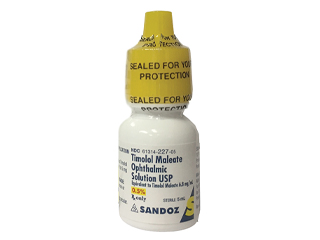
Timoptic is a medicine used in the eye. It contains timolol maleate, a medicine that belongs to the group of beta-blockers. Timoptic helps to reduce pressure inside the eye (intraocular pressure), which is important for conditions such as glaucoma and ocular hypertension.
This page explains how Timoptic works, how it is used, timing tips, interactions (including alcohol and other medicines), what to expect, safety information, and common alternatives. It is written to be patient-friendly for the United Kingdom.
Quick overview
- Active ingredient: Timolol maleate
- Medicine type: Beta-blocker (antiglaucoma)
- Route: Eye drops
- Helps with: Reducing intraocular pressure
- Common conditions: Open-angle glaucoma, ocular hypertension
- Typical dosing pattern: Often once or twice daily (depends on product strength and prescriber guidance)
Basic product information
| Category | Information |
|---|---|
| Brand name | Timoptic |
| Generic name | Timolol maleate |
| How it works | Reduces production of fluid in the eye and lowers intraocular pressure |
| Form | Eye drops (strength varies by product presentation) |
| Where it’s used | Eye; topical use |
How Timoptic works (mechanism of action)
Timolol is a beta-adrenergic blocker. In the eye it helps lower intraocular pressure by:
- Reducing aqueous humour production: the fluid in the front part of the eye is produced less, so pressure decreases.
- Improving the overall balance of fluid dynamics: the result is a lower intraocular pressure, which can help protect the optic nerve.
It is important to note that lowering pressure does not usually improve symptoms immediately. Glaucoma often progresses without pain, so consistent use matters.
When Timoptic is typically used (indications)
Timoptic is used to treat conditions where lowering intraocular pressure is important, including:
- Open-angle glaucoma
- Ocular hypertension (high pressure in the eye without clear optic nerve damage)
- As part of combination therapy with other glaucoma medicines when needed
Your eye specialist or clinician will decide the best treatment plan for your specific condition. Do not change therapy without medical advice.
Pharmacokinetics (how the body handles it)
Even when eye drops are used in the eye, some medicine can enter the bloodstream through the eye tissues and nose/throat. Understanding this can help explain potential side effects.
- Absorption: Timolol can be absorbed through the conjunctiva and may also enter systemic circulation via the nasolacrimal drainage pathway (the drainage system in the inner corner of the eye).
- Distribution: If absorbed systemically, timolol can act on beta receptors elsewhere in the body.
- Onset of effect: Pressure-lowering effects can begin within hours, though full benefit may take longer.
- Elimination: Systemic timolol is generally metabolised and excreted (details vary by individual factors, liver function and overall health).
Typical dosing and timing
Dosing depends on the exact Timoptic product/strength and the condition being treated. Many patients use timolol-containing eye drops once or twice daily. Follow the instructions provided with your medicine.
How to use Timoptic eye drops
- Wash your hands before use.
- If needed, gently shake the bottle (only if the label/patient information leaflet advises).
- Open the bottle and tilt your head back. Pull down the lower eyelid gently to form a small “pocket”.
- Instil one drop into the eye you were told to treat. Avoid touching the dropper tip to your eye or eyelashes.
- Close your eye and keep it closed for about 1–2 minutes.
- If you can, press gently on the inner corner of the eye (near the nose) for about 1 minute. This can reduce drainage into the bloodstream and may reduce systemic side effects.
- Wipe away excess with a clean tissue.
- Replace the cap securely.
Timing tips
- Try to use the drops at the same time each day to maintain consistent pressure control.
- If you use the drops twice daily, a common approach is morning and evening.
- If you have other eye drops, there should usually be a gap of around 5–10 minutes between different medicines (follow your clinician’s instructions).
- Contact lenses: if you wear contact lenses, check product guidance. Many eye drop types require you to remove lenses before use and wait before reinserting. Always follow the leaflet and your optometrist’s advice.
What if you miss a dose?
If you forget a dose, use it when you remember unless it is close to the time for your next dose. Do not use extra drops to make up for a missed dose. If you are unsure, speak to a pharmacist.
Food interactions
Timoptic is used in the eye. Because systemic absorption is typically limited (though not zero), food interactions are not commonly expected.
However, if you also take other medicines that may interact (for example, medicines affecting heart rate), food may indirectly affect how those medicines behave. When in doubt, consult a healthcare professional.
Alcohol and medicine interactions
Alcohol
There is no well-known direct interaction between alcohol and timolol eye drops in most patients, but consider the following:
- Alcohol can affect blood pressure and heart rate. Because beta-blockers can influence heart rate, some people may notice dizziness or light-headedness.
- If you already feel unwell, faint, or unusually tired, avoid alcohol and seek advice.
Interactions with other medicines
Because timolol may enter the bloodstream, it can interact with medicines that affect heart rate, rhythm, or blood pressure. Tell your clinician/pharmacist about all medicines you use, including eye drops, tablets, and supplements.
Be particularly cautious if you take:
- Other beta-blockers (including tablets or certain eye drops). Using more than one beta-blocker can increase the risk of slow heart rate, fatigue, or breathlessness.
- Medicines for heart rhythm (antiarrhythmics), or medicines that slow the heart.
- Calcium channel blockers used for heart disease or high blood pressure (especially non-dihydropyridines like verapamil or diltiazem).
- Medicines for hypertension that may lower blood pressure further.
- Diabetes medicines and insulin: beta-blockers can sometimes mask warning signs of low blood sugar (such as palpitations). Timolol eye drops may contribute to this effect in some people.
- Asthma/COPD treatments: beta-blockers can sometimes worsen breathing problems. This is especially important if you have wheeze, asthma, or severe COPD.
This is not a full list. Always check with your pharmacist, especially if you start new medicines or stop existing ones.
Safety profile: who should take extra care?
Timolol is generally well tolerated, but because it is a beta-blocker, side effects can occur. Some side effects relate to the eye; others reflect beta-blocker effects in the body.
Common eye-related side effects
- Temporary stinging or burning after instillation
- Redness of the eye
- Dryness or irritation
- Blurred vision for a short time after using drops
Possible systemic (whole-body) side effects
- Slow heart rate (bradycardia)
- Dizziness or light-headedness
- Fatigue or reduced exercise tolerance
- Breathlessness or worsening of breathing in people with asthma/COPD
- In some people, cold hands/feet or low blood pressure effects
Serious side effects: seek urgent help
Contact urgent medical care if you experience:
- Severe shortness of breath, wheezing, or swelling of face/lips (possible allergic reaction)
- Fainting, severe dizziness, or a very slow pulse
- Severe eye pain, marked vision changes, or symptoms that worsen rapidly
Important precautions
- Heart conditions: extra caution if you have a slow pulse, heart block, or certain rhythm problems.
- Respiratory conditions: if you have asthma or COPD, discuss risks with your clinician.
- Previous intolerance: if you have had side effects from beta-blockers before, mention this.
- Children: use in children should be guided by specialists; safety considerations may differ.
If you are unsure whether Timoptic is suitable for you, ask a pharmacist or your eye team.
Practical tips for successful treatment
- Use consistently: glaucoma management depends on ongoing pressure control.
- Reduce systemic absorption: gently press the inner corner of the eye for about a minute after instilling the drop.
- Don’t touch the tip: this reduces the risk of contamination and irritation.
- Separate multiple eye medicines: allow a short gap (often 5–10 minutes) between different products.
- Watch for side effects: mild stinging is common; persistent severe pain or vision changes are not.
- Replace after opening (if required): many eye drops have a recommended time to discard after first opening. Check the product labelling for details.
Alternative options to consider
If Timoptic is not suitable, not tolerated, or not effective enough, there are several alternative glaucoma/ocular hypertension treatments commonly used in the UK. Your clinician will choose based on your eye pressure, optic nerve status, other conditions, and overall risk profile.
Common alternatives
- Prostaglandin analogues (often once daily, for example latanoprost-type medicines)
- Other beta-blocker eye drops (if timolol is not tolerated, sometimes a different option is tried)
- Carbonic anhydrase inhibitors (eye drops and sometimes tablets)
- Alpha agonists (eye drops)
- Combination drops that use two active ingredients in one bottle
- Laser or surgical options in certain cases
Do not switch between brands or strengths without guidance, as dosing schedules may differ.
UK market and legal context (availability and responsibility)
In the United Kingdom, glaucoma medicines are available through licensed routes and are supported by NHS and clinical guidance. Eye medicines are regulated by the UK’s medicines framework, and products like Timoptic must meet appropriate quality and safety standards.
Online pharmacies in the UK must follow relevant regulations regarding:
- Correct identification of the product and strength
- Ensuring the right medicine is supplied to the right patient
- Compliance with labelling, storage, and dispensing requirements
- Providing patient information, including how to use the medicine safely
Guidance for glaucoma care in the UK is shaped by specialist ophthalmology practice and broader national pathways. Regular follow-up is important even when drops are used.
Recent guidance and follow-up considerations
While local practice may vary, the overall approach to glaucoma management in the UK includes:
- Regular monitoring of intraocular pressure and eye health
- Reviewing adherence and correct drop technique at follow-up visits
- Assessing side effects that may affect continuing treatment
- Escalating treatment if targets are not met (for example, adding medicines or considering procedures)
If your symptoms change or your eye pressure is not at target, your clinician may adjust your regimen. Never stop Timoptic suddenly without advice.
Delivery and availability (UK online pharmacy)
Timoptic may be available through UK pharmacies depending on product presentation and stock availability. Delivery options typically include standard and express services depending on the provider.
- Stock availability: We supply subject to availability; if an item is temporarily out of stock, we may contact you to confirm alternatives or delivery dates.
- Delivery times: Estimated delivery times are shown at checkout by the pharmacy.
- Packaging: Medicines are dispatched in protective packaging to help prevent damage in transit.
- Storage: Store according to the leaflet/outer packaging (commonly at room temperature, away from direct heat/sunlight).
Storage, shelf-life, and hygiene tips
- Keep the bottle tightly closed after use.
- Do not use after the expiry date printed on the box/bottle.
- Discard after opening according to the “use after opening” timeframe stated on the label. Eye drops are vulnerable to contamination if kept too long.
- Hygiene: wash hands before instilling; avoid touching the dropper tip.
FAQ about Timoptic (Timolol Maleate)
1. How long does Timoptic take to work?
Pressure-lowering effects may begin within hours, but the full effect and ongoing control are best assessed over time. Continue using it regularly and attend follow-ups so your eye pressure can be monitored.
2. Can I wear contact lenses with Timoptic?
This depends on the product formulation. Many eye drops include ingredients that may be unsuitable for contact lenses. Check the leaflet for your specific Timoptic product. If advised, remove lenses before use and wait before reinserting.
3. Will Timoptic cause stinging or redness?
Mild, temporary stinging or redness can occur after instillation. If irritation is severe, persistent, or you develop significant pain or vision changes, stop and seek advice from a pharmacist or eye care professional.
4. Can Timoptic lower my heart rate?
It is possible. Although used in the eye, some timolol can be absorbed systemically. If you notice unusual tiredness, dizziness, fainting, breathlessness, or a very slow pulse, seek medical advice promptly.
5. Are there alcohol interactions?
A direct interaction is not usually expected, but alcohol can affect blood pressure and heart rate. If you experience dizziness or feel unwell after drinking, avoid further alcohol and talk to a clinician.
6. What happens if I miss a dose?
Use the missed dose as soon as you remember unless it’s almost time for your next dose. Don’t use extra drops to compensate. If you’re uncertain, ask your pharmacist.
7. Can I use Timoptic with other eye drops?
Often yes, but keep the timing correct. Many patients should separate different eye drops by about 5–10 minutes (unless your clinician advises otherwise). This helps prevent one drop washing out the other.
8. Is Timoptic suitable for asthma or COPD?
Caution is needed because beta-blockers can potentially affect breathing. If you have asthma, wheeze, or COPD, discuss risks with your clinician before using. Seek urgent advice if breathing symptoms worsen after starting Timoptic.
9. What should I do if my vision blurs after using Timoptic?
Short-term blur may occur. Avoid driving or operating machinery until your vision clears. If blurred vision persists or worsens, contact a healthcare professional.
10. Are generic timolol eye drops the same as Timoptic?
Many timolol products share the same active ingredient, but formulations and dosing schedules may differ. If you switch brands or strengths, follow the instructions on the new product and confirm timing with your pharmacist if needed.
Important patient reminders
- Use Timoptic as directed and keep up with regular eye appointments for monitoring.
- Inform your healthcare team about all medicines you take, including other eye drops, tablets, and inhalers.
- Seek help immediately for severe eye pain, sudden vision changes, or significant breathing/cardiac symptoms.
If you would like, tell us your Timoptic strength and how often you’re instructed to use it, and we can help you understand a practical daily timetable.