Tobradex (Obramycin / Dexamethasone) Eye Ointment & Eye Drops — Patient Guide (UK)
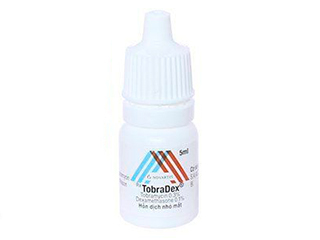
Tobradex is a medicine used in the eyes to help control infection and inflammation at the same time. It contains two active ingredients: tobramycin (Obramycin), an antibiotic, and dexamethasone, a corticosteroid.
This page explains what Tobradex is, how it works, how it is typically used, and important safety information. It is written for patients in the United Kingdom.
1) Basic product information
- Brand name: Tobradex
- Active ingredients: Tobramycin (Obramycin) + Dexamethasone
- Forms commonly available: eye drops and/or eye ointment (varies by product/strength)
- Therapeutic use: antibacterial + anti-inflammatory treatment for selected eye conditions
- Route of administration: eye (topical ocular)
Note: Specific strengths and excipients can differ between products (drops vs ointment). Always check the outer carton and patient leaflet supplied with your exact product.
2) How Tobradex works (mechanism of action)
Tobradex combines an antibiotic with a steroid to treat problems where bacterial infection and inflammation occur together.
2.1 Tobramycin (Obramycin) — antibiotic action
Tobramycin is an aminoglycoside antibiotic. It works by interfering with how bacteria make proteins, ultimately leading to bacterial death. It is used against a range of bacteria that can cause eye infections.
2.2 Dexamethasone — anti-inflammatory action
Dexamethasone is a corticosteroid. It reduces inflammation by calming immune responses and suppressing the release of inflammatory substances. This can relieve symptoms such as redness, swelling, and discomfort that come with inflammation.
Important: Because the steroid component reduces inflammation, it may also reduce warning signs. For this reason, Tobradex should be used only for the conditions it is intended to treat, for the correct duration, and under appropriate clinical guidance.
3) Pharmacokinetics (what happens in the body)
Tobradex is applied to the eye, so exposure is mainly local. However, some of the medicine can still enter the bloodstream through the eye tissues and via the drainage system into the nose.
- Absorption: Systemic absorption is generally low with correct eye use, but it can occur.
- Distribution: Any absorbed drug may distribute through the body, though levels are typically much lower than with systemic dosing.
- Metabolism and elimination: Dexamethasone and tobramycin follow the body’s usual pathways for corticosteroids and antibiotics. With topical eye use, systemic metabolism/elimination is not usually the limiting factor—local effects and eye safety are more important.
Tip: Gentle eyelid closure and blotting excess drops/ointment can help reduce drainage into the nose, which can limit systemic exposure.
4) Typical uses in the UK (indications)
Tobradex is used when a clinician judges that both infection and inflammation are present in the eye, such as:
- Bacterial inflammation where infection is suspected or confirmed
- Inflammatory conditions of the eye that are associated with bacterial involvement
- After certain eye infections or procedures where inflammation needs steroid control alongside antibacterial coverage
Exact suitability depends on the diagnosis, severity, and eye examination findings (for example, whether the cornea is affected). If you have symptoms like significant pain, light sensitivity, reduced vision, or severe redness, seek urgent medical advice.
5) When to use it (timing and duration)
Your dosing schedule should match the specific instructions provided with your product and advice from your healthcare professional. Typical regimens may be more frequent at the start and then reduced as symptoms improve.
5.1 How soon it may help
- Redness and irritation: some improvement may be seen within 24–48 hours in appropriate cases.
- Infection control: response is usually assessed over the first few days. If there is no improvement, treatment should be reviewed promptly.
5.2 Do not stop early without review
Stopping too early can allow infection or inflammation to return. Also, steroid-containing eye drops/ointments can be harmful if used longer than intended for the wrong condition.
6) Dosing (general guidance)
Tobradex is available as eye drops and eye ointment. The amount and frequency depend on the condition, severity, and clinician instructions. The points below are general patterns commonly used; follow your product leaflet and local advice.
6.1 Eye drops — typical pattern
- A common approach for more active infection/inflammation is 1–2 drops into the affected eye(s) at regular intervals during the day.
- Frequency may be reduced as improvement occurs.
6.2 Eye ointment — typical pattern
- Ointment may be used in the evening or up to several times daily depending on severity.
- Ointment can blur vision temporarily, so many people prefer it before sleep.
6.3 If you miss a dose
- Use it as soon as you remember.
- If it is close to the next dose, skip the missed dose and continue as normal.
- Do not apply extra doses to make up for a missed one.
Always check the strength and directions: dosing differs between products (drops vs ointment) and between brands/markets.
7) Indications vs situations where Tobradex may not be suitable
Tobradex is designed for specific conditions. It may not be appropriate (or may require extra caution) if there is:
- Viral eye infections (e.g., herpes simplex keratitis), where steroid use can worsen disease.
- Fungal eye infections, where steroids may promote fungal growth.
- Uncertain diagnosis (for example, severe pain or marked light sensitivity may indicate conditions that need urgent assessment).
- Corneal involvement that needs specific assessment (steroid use in certain corneal disorders can carry risks).
If you are unsure whether your symptoms fit the intended use, do not rely on self-treatment—get prompt advice.
8) Food interactions
Because Tobradex is used on the eye, food interactions are not typically expected. There is no known requirement to avoid specific foods or drinks.
If you are taking other medicines, check for interactions separately (see the “Medicine interactions” section).
9) Alcohol and medicine interactions
9.1 Alcohol
With typical topical eye use, clinically significant alcohol interactions are not expected. However, if you experience dizziness, blurred vision, or other side effects, avoid driving and limit alcohol as needed for safety.
9.2 Other medicine interactions
The medicine is applied locally, so systemic drug–drug interactions are less likely than with tablets. Still, it can interact with other eye products and treatments.
- Other eye drops/ointments: allow a gap of at least 5 minutes between different eye medications unless your clinician advises otherwise.
- Contact lenses: generally avoid contact lens use unless your clinician specifically says it is safe. In many eye infections, lenses should be removed until fully resolved.
- Other topical steroids: using multiple steroid-containing eye products may increase steroid-related risks.
Tell a healthcare professional about all medicines you use, including eye drops/ointments, creams, and tablets.
10) Safety profile and key side effects
Like all medicines, Tobradex can cause side effects. Many people have no problems, but be aware of the following.
10.1 Common side effects
- Temporary stinging or burning after application
- Redness or irritation
- Blurred vision (more common with ointment)
- Watering or feeling of something in the eye
10.2 Steroid-related eye risks (important)
Dexamethasone (a steroid) can, in some people and with longer use, raise the risk of:
- Increased intraocular pressure (eye pressure), which can damage the optic nerve
- Cataract formation (more relevant with prolonged use)
- Delayed healing of eye surfaces
- Worsening of certain infections (especially viral or fungal causes)
If Tobradex is used for more than a short course, intraocular pressure monitoring may be required by a clinician.
10.3 Seek urgent advice if you develop
- Severe or worsening eye pain
- Significant light sensitivity
- Noticeable drop in vision
- Swelling around the eye or worsening discharge
- No improvement after a few days, or symptoms worsening
- Signs of allergy such as marked itching, rash, or swelling
11) Practical use tips (how to apply Tobradex correctly)
Correct technique helps the medicine reach the eye and reduces contamination risk.
11.1 Preparation
- Wash and dry your hands.
- If using contact lenses, remove them before application.
- Check the expiry date and look for contamination (do not use if the bottle tip/ointment tube appears damaged).
11.2 Using eye drops
- Gently pull down the lower eyelid to create a small “pocket”.
- Hold the dropper close to the eye without touching it.
- Put the prescribed number of drops into the pocket.
- Close your eye gently and keep it closed for about 1 minute.
- Using gentle pressure on the inner corner (near the nose) for a short time may reduce drainage.
11.3 Using eye ointment
- Wash hands and position the tube above the eye.
- Pull down the lower eyelid gently.
- Squeeze a thin ribbon into the lower eyelid pocket (do not let the tube touch the eye).
- Close your eye gently and keep it closed for about 1 minute.
- Expect temporary blurred vision; avoid activities requiring clear vision immediately after use.
11.4 After application
- Do not rub your eye.
- Replace the cap and avoid contact between the nozzle and your eye or skin.
- If you use both drops and ointment, ointment is usually the last to be applied (ask your clinician if unsure).
12) Missed doses, storage, and handling
12.1 Missed dose
Apply when remembered, unless close to the next dose. Do not use extra doses.
12.2 Storage
- Store according to the label (often at room temperature away from direct heat and sunlight).
- Keep out of sight and reach of children.
12.3 After opening
Many eye preparations have an opening period (for example, “discard after X weeks”). Check the patient leaflet for your specific product and follow the stated expiry after first opening.
13) Alternative options (depending on diagnosis)
Alternatives depend on whether the cause is bacterial, viral, allergic, or inflammatory without infection. Options may include:
- Antibiotic eye drops/ointment alone (for bacterial infection without need for steroid)
- Lubricating eye drops (for dryness/irritation)
- Anti-inflammatory non-steroid treatments in selected cases (clinician-dependent)
- Steroid-only eye drops (used only when infection has been ruled out and under close guidance)
- Antiviral or antifungal treatment if those causes are suspected or confirmed
Because steroid-containing products can be harmful in some infections, it is important that any switch is guided by appropriate diagnosis and advice.
14) Market & legal context in the UK
In the UK, eye medicines such as Tobradex are regulated medicines. Availability in online pharmacies depends on whether the product is classified as prescription-only, pharmacy-only, or available through other supply arrangements, and on the relevant UK legislation and regulatory requirements.
Online suppliers must follow UK rules on safe supply, patient information, and pharmacy standards. You should always use reputable UK-licensed online pharmacies and read the product instructions carefully.
Good practice: If your symptoms are severe, recurrent, or involve contact lens wearers, seeking prompt professional assessment is strongly recommended.
15) Recent guidance and how to stay safe
Eye infections and inflammation guidance in the UK continually emphasises:
- Correct diagnosis before using steroid eye drops
- Limiting duration of steroid-containing treatment where appropriate
- Monitoring for increased eye pressure if treatment is prolonged or if there are risk factors
- Urgent review for red flags such as reduced vision, severe pain, or symptoms that do not improve
Local clinical pathways may vary (for example, optometry/GP/eye casualty pathways). If your symptoms do not improve quickly, do not delay re-assessment.
16) Delivery and availability (UK online pharmacy)
Tobradex availability may vary depending on supply and the specific presentation (drops vs ointment) and strength. Many UK online pharmacies provide home delivery, subject to standard carrier and scheduling arrangements.
- Delivery times: commonly next working day or within a few days (varies by supplier and location)
- Cold chain: usually not required for typical eye formulations unless stated on the label
- Order accuracy: ensure you select the correct product (drops vs ointment) and strength
Always store the medicine properly on arrival and check expiry dates.
17) FAQ
What is Tobradex used for?
Tobradex is used to treat selected eye conditions where both bacterial infection and inflammation are present. It combines an antibiotic (tobramycin) and a steroid (dexamethasone).
Can I use Tobradex for conjunctivitis?
It may be suitable in some bacterial conjunctivitis/inflammatory scenarios, but not for all causes of red eye. Because steroids can worsen certain infections, you should get appropriate assessment—especially if symptoms are severe, recurrent, or include corneal involvement.
How long can I use it?
The correct duration depends on your diagnosis and response. Steroid-containing eye medicines are usually prescribed for a limited course. If you are told to continue beyond a short period, eye pressure and overall suitability should be reviewed.
Will it blur my vision?
Eye drops may cause mild temporary blur or stinging. Ointment commonly blurs vision more because of its texture—often best used in the evening or before sleep.
Can I drive after using it?
If your vision is blurred after application, do not drive. Wait until your vision clears.
Can I wear contact lenses while using Tobradex?
Generally, avoid contact lenses during eye infection or inflammation. If your clinician says it is safe, follow their instructions. In many cases you should remove lenses until symptoms fully resolve.
Is there any food interaction?
Food interactions are not typically expected with eye drops/ointment.
Is it safe to drink alcohol?
No specific alcohol interaction is usually expected with topical eye use. However, if Tobradex causes side effects such as blurred vision or discomfort, drink responsibly and avoid driving or operating machinery if you feel unwell.
What should I do if my symptoms get worse?
Stop self-treatment and seek prompt medical advice—especially if you have severe pain, light sensitivity, reduced vision, or significant worsening.
Can I use Tobradex with other eye drops?
Usually you can, but allow a gap (often at least 5 minutes) between different eye medicines unless advised otherwise. Ointment is typically used last. Confirm the schedule with your clinician if unsure.
What if I am allergic to ingredients?
If you develop signs of allergy (such as marked itching, swelling, or rash), stop using the medicine and seek advice urgently.
Summary
Tobradex combines tobramycin (to treat bacteria) and dexamethasone (to reduce inflammation). It is intended for specific eye conditions where infection and inflammation coexist. Because it includes a steroid, it is important to use it only as directed, not longer than intended, and to seek urgent advice if symptoms worsen or vision is affected.
If you are unsure whether Tobradex matches your symptoms, or you have risk factors (such as contact lens wear, eye surgery history, glaucoma, or corneal disease), seek prompt clinical guidance.