
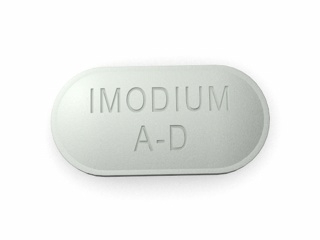


Imodium (Loperamide) – Anti-Diarrhoea Medicine (UK)
Imodium contains loperamide, a medicine used to help control diarrhoea. It is widely available in the UK and is commonly used for short-term relief of symptoms. This guide explains how Imodium works, when to use it, important safety information, and practical advice to help you get the most from treatment.
Basic product information
- Active ingredient: Loperamide
- Uses: Symptomatic treatment of acute diarrhoea in adults and children (depending on product strength/age guidance)
- Common forms: Capsules and smaller-dose presentations (availability may vary by brand/product line)
- Type: Anti-diarrhoeal medicine
- Legal classification in the UK: In many cases it is available as an over-the-counter medicine for symptom relief. Always check the specific pack for age restrictions and instructions.
Note: Always read the patient information leaflet (PIL) provided with your particular Imodium pack, as age and dosing can vary by product strength and formulation.
How Imodium works (mechanism of action)
Loperamide works in the intestine to reduce diarrhoea. It acts on opioid receptors in the gut wall, which:
- Decreases gut movement (slows intestinal peristalsis)
- Helps the intestine absorb more fluid
- Thickens stool and reduces the frequency and urgency of bowel movements
Important: Imodium is designed for symptom control of diarrhoea. It does not cure the underlying cause in all cases. If diarrhoea is due to an infection or other serious condition, stopping symptoms may not be enough—seek advice if you’re concerned.
Pharmacokinetics (how the body handles loperamide)
Understanding pharmacokinetics helps explain why Imodium is generally used at recommended doses.
- Absorption: Loperamide is absorbed from the gastrointestinal tract.
- First-pass metabolism: The liver metabolises much of the drug before it reaches the bloodstream, which limits systemic effects when used as directed.
- Distribution: It acts mainly in the gut; systemic exposure is relatively limited at normal doses.
- Metabolism: Mainly via liver enzymes (including CYP-related pathways).
- Elimination: Mostly excreted via faeces; smaller amounts may appear in urine.
- Onset: Some people notice improvement within a short period (often within hours), but diarrhoea may take a day or two to settle fully.
Why dosing matters: Taking more than recommended increases the risk of serious side effects, including effects on heart rhythm. Never exceed the maximum daily dose stated on your pack or in NHS guidance.
Typical use in the UK
Imodium is used to reduce the symptoms of diarrhoea. It can be useful for:
- Adults with acute diarrhoea when they need symptom relief
- Short-term control of frequent, watery stools
- Situational use (e.g., for travel) when appropriate and when diarrhoea is uncomplicated
Key point: If you have signs of more serious illness (see “Safety profile”), do not rely on symptom control alone.
Timing and how to take Imodium
Timing depends on the dosing instructions on your pack, but practical guidance is as follows:
- Start when diarrhoea begins (after the first loose stool).
- Take with water. You can take Imodium with or without food (see food interactions below).
- Space doses evenly according to the schedule on the pack.
- Do not continue longer than recommended. For acute diarrhoea, stop if symptoms have improved. If diarrhoea continues, seek medical advice.
Hydration matters: Diarrhoea can lead to dehydration. Consider oral rehydration solutions (ORS) and keep drinking fluids, especially if stools are frequent.
Food interactions
Generally, Imodium can be taken with or without food. Food does not typically cause clinically important interactions.
However, practical points include:
- If you feel nauseated or your appetite is low, focus on fluids and electrolytes.
- Avoid alcohol and very heavy/fatty foods during diarrhoea, as these may worsen symptoms in some people.
Alcohol and medicine interactions
Alcohol
There is no universal “safe” amount of alcohol during diarrhoea. Alcohol can:
- Worsen dehydration
- Potentially irritate the stomach and gut
- Make diarrhoea symptoms feel worse
Recommendation: Avoid or minimise alcohol while you have diarrhoea and while using anti-diarrhoeal medicines.
Other medicines (important interaction considerations)
Loperamide is mainly processed in the body. Some medicines can affect how loperamide is metabolised or may increase risk if loperamide levels become too high.
Be especially careful if you take medicines such as:
- Drugs that affect liver enzyme pathways (metabolism)
- Medicines that influence the heart’s electrical rhythm
- Other opioid-related medicines (increased risk of adverse effects)
- Medications that can also slow gut movement (increased risk of constipation/ileus)
Also consider: Tell a pharmacist if you take any regular medicines, including antidepressants, antibiotics, antifungals, HIV medicines, or heart rhythm medicines. If you have other health conditions, ask for advice before using Imodium.
Safety note: Do not use loperamide with excessive doses or for non-approved purposes. High-dose misuse has been associated with serious cardiac problems.
Indications (when Imodium is used)
Imodium is indicated for the symptomatic treatment of diarrhoea in people who need to reduce stool frequency and urgency.
In the UK, suitability depends on the age and the type of diarrhoea. Do not use Imodium if diarrhoea could be due to conditions where stopping gut movement may be harmful.
Do NOT use Imodium if you have:
- Blood in the stools or black/tarry stools
- High fever (raised temperature)
- Severe abdominal pain or swelling
- Suspected antibiotic-associated diarrhoea
- Suspected dysentery (diarrhoea with blood/mucus)
If any of these apply, seek urgent advice from a healthcare professional rather than using Imodium to suppress symptoms.
Dosing (UK guidance and general principles)
Dosing must match your specific pack and age group. Always follow the directions on the label or in the PIL.
General adult dosing pattern (typical)
For many adult formulations, the pattern is:
- Initial dose: a higher starting dose when diarrhoea begins
- Subsequent doses: smaller doses after each loose stool or as directed
- Maximum daily dose: do not exceed the stated maximum
- Stop when symptoms settle: do not continue beyond the recommended duration
Children and young people
For children, dosing depends strictly on age and body weight and the product strength. Use only as directed on the specific pack and follow pharmacist/leaflet guidance. Some Imodium products may not be suitable for younger children.
If you are treating a child: ask a pharmacist for age-appropriate advice. Children dehydrate faster, so replacement fluids are especially important.
When to seek advice rather than increasing the dose
- If symptoms do not improve within the time frame stated on the pack
- If diarrhoea lasts longer than recommended
- If you develop fever, severe pain, blood/mucus in stools, or signs of dehydration
Never exceed the maximum number of tablets/capsules per day stated on your pack.
Safety profile and when to be cautious
Most people can take Imodium safely when using it as directed. However, it can have side effects and may be inappropriate in certain situations.
Common side effects
- Constipation
- Stomach cramps or bloating
- Nausea
- Dizziness in some people
Serious side effects (seek urgent help)
Stop taking Imodium and seek urgent medical advice if you experience:
- Severe or persistent abdominal pain
- Severe constipation or inability to pass wind
- Signs of dehydration (especially in children): extreme thirst, very dry mouth, reduced urination, lethargy
- Rash, facial swelling, breathing difficulty (allergic reaction)
- Fainting, severe dizziness, palpitations (rare, but important—particularly with excessive dosing)
Risk factors and cautions
- Higher risk if you exceed the recommended dose
- People with liver disease should ask a pharmacist/clinician first
- Those with a history of heart rhythm problems should seek advice before use
- Avoid if you have suspected infectious diarrhoea with blood/fever
- Use extra caution if you are taking medicines that can interact with loperamide metabolism or heart rhythm
Practical use tips for better outcomes
- Hydrate first: Use oral rehydration solution (ORS) if diarrhoea is ongoing, particularly in children and older adults.
- Keep track: Note how many times you have loose stools and whether any blood or fever appears.
- Choose simple foods: When you can eat, try bland foods (e.g., toast, rice, bananas, soups) and avoid heavy/spicy meals.
- Maintain hygiene: Diarrhoea can be contagious—wash hands thoroughly.
- Don’t mask warning signs: If red flags occur, stop and seek advice rather than continuing symptom suppression.
- Follow pack duration: Use short-term symptom relief only; don’t keep taking “just in case.”
Alternative options for diarrhoea
Depending on the cause, other approaches may be more appropriate than loperamide alone.
Oral rehydration solutions (ORS)
- Help replace water and salts lost during diarrhoea.
- Particularly important for children, older adults, and people at risk of dehydration.
Probiotics
- Some probiotic strains may help shorten diarrhoea in certain cases.
- Evidence varies by strain and situation; pharmacist advice can help you choose.
Bland diet and supportive care
- Focus on fluids and gentle foods.
- Avoid alcohol and foods that can worsen symptoms (greasy, very spicy, high sugar).
Seek further advice if needed
If diarrhoea is severe, persistent, or accompanied by warning signs (blood, fever, severe pain), a clinician may consider testing and targeted treatment.
Market and legal context in the UK
Imodium (loperamide) is widely available in the UK and is commonly used for short-term diarrhoea symptom relief. In the UK, medicines are categorised and regulated according to their safety profile, appropriate use, and whether they require pharmacy oversight.
Key UK considerations include:
- Over-the-counter availability: Many presentations are sold without a prescription, but you must follow age and dosing instructions.
- Patient safety messaging: UK labels and leaflets emphasise not using it in cases such as blood in stools or high fever and not exceeding recommended doses.
- Pharmacist support: Pharmacists can help assess likely suitability and suggest hydration and red-flag guidance.
- Public health guidance: National advice emphasises hydration and appropriate escalation when symptoms are severe or prolonged.
Recent guidance and what to watch for
Over recent years, guidance across the UK has continued to emphasise:
- Hydration as the primary concern during diarrhoea
- Not suppressing diarrhoea when infection signs are present (e.g., blood, fever, severe abdominal pain)
- Using loperamide only for short-term relief and not exceeding maximum doses
- Higher caution regarding cardiac risk with excessive dosing or misuse
Because guidance and availability can change, always refer to the leaflet and current product instructions supplied with your medicine.
Delivery and availability (UK)
Imodium is commonly available through UK pharmacies and many online pharmacy retailers. Availability may vary by:
- Pack size (e.g., capsule vs tablet formats)
- Strength and formulation
- Seasonal demand
Delivery: Online pharmacies in the UK typically offer standard and express delivery options. Dispatch times depend on stock levels, location, and carrier schedules. If you need it quickly, choose a delivery option shown at checkout and check estimated arrival times.
Check your local regulations: Some delivery services may require a signature for certain parcel types. Your order confirmation will contain details.
FAQ
1) Can I take Imodium to stop diarrhoea immediately?
Imodium can reduce stool frequency and urgency. Some people feel better within hours, but it’s not an instant cure. Focus on hydration and seek advice if diarrhoea is severe, lasts longer than expected, or you have warning signs such as blood or fever.
2) Should I drink fluids even if I take Imodium?
Yes. Even when diarrhoea slows down, dehydration can still occur—especially if you’ve had frequent watery stools. Oral rehydration solution (ORS) is often the best option if diarrhoea is ongoing.
3) How long can I take Imodium?
Use it for short-term symptom relief only, following your pack instructions. If diarrhoea continues beyond the stated period or worsens, stop and seek medical/pharmacy advice.
4) Can I take Imodium with food?
Usually, yes. Imodium can typically be taken with or without food. If your stomach feels upset, taking it with water and simple food may feel more comfortable.
5) Is it safe to drink alcohol while using Imodium?
It’s best to avoid alcohol during diarrhoea. Alcohol can worsen dehydration and may make symptoms worse. If you choose to drink, do so cautiously—ideally avoid until you’re well.
6) What if I have blood in my diarrhoea or I have a fever?
Do not use Imodium to suppress symptoms in these situations. Blood in stools, fever, and severe abdominal pain can indicate a more serious condition that needs prompt assessment.
7) Can Imodium be used for traveller’s diarrhoea?
In some cases, loperamide may be used for short-term symptom control. However, traveller’s diarrhoea can also be caused by infection, and warning signs (fever, blood, severe pain) should prompt medical advice rather than symptom suppression.
8) What side effects should I watch for?
Common effects include constipation, bloating, or stomach discomfort. Seek urgent help for severe abdominal pain, inability to pass wind, significant dehydration, allergic reactions, or symptoms suggesting a heart problem—especially if you have taken more than recommended.
9) What should I do if I miss a dose?
If you miss a planned dose, take it only if needed for ongoing symptoms and follow the pack schedule. Do not take extra to make up for a missed dose. If unsure, ask a pharmacist.
10) Are there alternatives to Imodium?
Alternatives depend on the cause of diarrhoea. Options include ORS, probiotics, and supportive care such as a bland diet. If symptoms are severe or persistent, professional assessment may be needed.
Quick reference: do’s and don’ts
| Do | Don’t |
|---|---|
| Follow the dosing instructions on your specific Imodium pack | Exceed the maximum daily dose |
| Keep hydrated (consider ORS if diarrhoea is frequent) | Use Imodium if you have blood in the stools, high fever, or severe abdominal pain |
| Stop if symptoms improve and follow the pack duration guidance | Continue for long periods without advice |
| Talk to a pharmacist if you have other medicines or health conditions | Ignore red-flag symptoms—seek prompt advice |
Remember: Imodium can help control diarrhoea symptoms, but hydration and awareness of warning signs are just as important. If you’re unsure whether Imodium is suitable for you, a pharmacist can help you choose the safest option.