
Aciphex (Rabeprazole) – Patient Guide (UK)
Aciphex contains rabeprazole, a medicine used to reduce stomach acid. It is commonly prescribed and supplied in the UK for conditions such as acid reflux (gastro-oesophageal reflux disease, GORD) and ulcers. This guide explains how it works, how to take it, what to watch for, and practical tips to get the best results.
Quick Facts
- Active ingredient: Rabeprazole
- Group: Proton pump inhibitor (PPI)
- Used for: Reduced acid production for reflux, oesophagitis, and ulcers
- How it works: Blocks the “acid pump” in the stomach
- Common directions: Usually taken once daily, often in the morning
- Typical onset: Symptom relief may begin within days; full benefit can take longer
Basic Product Information
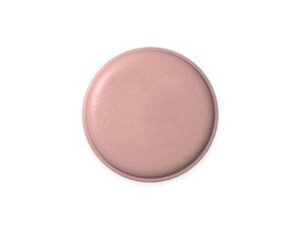
Aciphex is available in tablet form containing rabeprazole. Strengths can vary by product format and supplier. Your specific pack will state the exact dose.
Who it’s for: Adults (and in some cases specific adolescent populations depending on local prescribing and product licensing). Age limits and suitability should follow the instructions on your pack and/or clinician advice.
When to seek urgent help: If you have chest pain, vomiting blood, black/tarry stools, difficulty swallowing, unexplained weight loss, or symptoms starting suddenly and persisting, you should seek urgent medical assessment.
Mechanism of Action (How Rabeprazole Works)
Rabeprazole belongs to a class called proton pump inhibitors (PPIs). In the stomach, acid is produced by tiny “pumps” in the lining of the stomach called proton pumps. Rabeprazole works by blocking these pumps, which reduces the amount of acid your stomach produces.
By lowering acid, Aciphex can help:
- Reduce burning pain and irritation from acid reflux
- Allow damaged tissue (such as inflamed oesophagus in GORD) to heal
- Help ulcers heal by reducing the corrosive effect of acid
Important: PPIs are most effective when taken at the right time relative to meals. They work best by preventing new acid secretion.
Pharmacokinetics (What the Body Does to It)
Absorption: Rabeprazole is absorbed from the gastrointestinal tract after you take a tablet. It is designed to be absorbed and then activated within the acidic environment of the stomach.
- Onset of effect: Acid suppression begins within the first day, but maximum symptom benefit may take several days.
- Metabolism: Rabeprazole is processed mainly by the liver through enzyme pathways (including CYP-related metabolism), producing metabolites that are cleared from the body.
- Elimination: The medicine and its metabolites are removed mostly via the kidneys.
- Half-life: The duration of acid suppression is longer than the time the medicine itself stays in the body, which is why once-daily dosing is commonly used.
Your individual response can vary depending on factors like stomach acidity, other medicines, and the exact condition being treated.
Typical Uses and Indications in the UK
Aciphex is used to treat conditions associated with stomach acid. In the UK, approved uses vary by product licence and local clinical practice, but PPIs like rabeprazole are commonly used for:
- GORD (Gastro-oesophageal reflux disease): symptoms such as heartburn and acid regurgitation
- Erosive or ulcerative reflux oesophagitis: inflammation or damage to the oesophagus
- Peptic ulcer disease: stomach or duodenal ulcers
- Eradication regimens for H. pylori: rabeprazole is sometimes used as part of combination treatment to eliminate Helicobacter pylori bacteria (exact regimen depends on local guidance and individual history)
- Zollinger–Ellison syndrome and other conditions with increased acid production: specialist-led dosing may be used
If you’re unsure why you’ve been advised to take Aciphex, check the instructions on your pack or ask a pharmacist for clarity.
When and How to Take Aciphex (Timing)
General timing guidance: Rabeprazole is usually taken , often in the morning. Many patients are advised to take it
- Best practice: Take the tablet
- If you take it twice daily: Take doses before morning and evening meals, unless your clinician or pack advises otherwise.
- Swallow whole: Do not crush or chew unless the product specifically instructs otherwise.
- Missed dose: If you miss a dose, take it when you remember if it’s close to the next scheduled dose. Otherwise, skip it and continue as normal. Avoid double dosing.
Why timing matters: PPIs are designed to inhibit pumps that are actively producing acid. Taking the medicine before meals helps ensure more pumps are inhibited when you eat.
Food Interactions (What to Expect)
Food can influence how effectively rabeprazole suppresses acid. While rabeprazole can still be absorbed with food, taking it before meals is typically recommended for maximum effect.
- With food: May delay or slightly reduce effectiveness compared with taking before meals.
- Alcohol with meals: Alcohol can worsen reflux symptoms by relaxing the lower oesophageal sphincter and irritating the stomach lining in some people (see the alcohol section below).
If your stomach is sensitive or you feel nauseated when taking medicines on an empty stomach, speak to a pharmacist for practical alternatives (for example, how to take it while still achieving good timing).
Alcohol and Medicine Interactions
Alcohol
Alcohol is not usually a direct interaction with rabeprazole, but it can worsen symptoms of reflux and may increase irritation of the oesophagus or stomach lining. If you notice heartburn after drinking, reducing or avoiding alcohol can improve symptoms.
Medicine Interactions (Important Examples)
Most interactions with PPIs involve changes in stomach acidity that can affect absorption of other medicines, as well as effects on liver metabolism pathways. Below are common considerations:
- Medicines needing stomach acid to work: Some medicines are absorbed best in an acidic environment. Reducing stomach acid may affect absorption.
- Antiretroviral medicines: Some HIV treatments can interact with PPIs through changes in acidity or metabolism. If you take antiretrovirals, seek advice.
- Antifungal medicines: Certain antifungals (for example, those with pH-dependent absorption) may be affected.
- Warfarin (for blood thinning): Monitoring may be needed if combined with PPIs, particularly with long-term use or changes in dose.
- Clopidogrel: Some PPIs may affect activation of clopidogrel. If you take clopidogrel, discuss with a pharmacist or clinician.
- Magnesium-containing medicines/supplements: Long-term PPI use can (rarely) affect magnesium levels; discuss supplementation and monitoring if relevant.
Practical tip: Provide a full list of your medicines to your pharmacist, including over-the-counter products and supplements. This helps ensure any interaction risks are assessed.
Dosing (Typical Regimens)
Dosing depends on the condition being treated, your age, and other medical factors. Always follow the dose on your pack or the instruction you were given.
| Condition (common UK use) | Typical rabeprazole dosing approach | Notes |
|---|---|---|
| GORD (heartburn/reflux symptoms) | Often once daily | Many patients take it before breakfast for best effect. |
| Erosive reflux oesophagitis | Often once daily; may require longer treatment | Healing can take weeks; symptom improvement may start earlier. |
| Peptic ulcer disease (stomach/duodenum) | Often once daily for a set course | Duration varies; follow your course length instructions. |
| H. pylori eradication (combination therapy) | Rabeprazole used as part of combination regimen | The full regimen includes other medicines; complete the full course. |
| Zollinger–Ellison syndrome | Individualised dosing by specialist | Regular monitoring may be required. |
Do not adjust your dose or stop early if symptoms improve—acid-related conditions may relapse without completing the recommended course. For long-term therapy, clinicians typically review whether continuing treatment is still necessary.
Safety Profile (Side Effects and When to Get Help)
Like all medicines, Aciphex can cause side effects. Many people experience no problems, or only mild effects that settle.
Common side effects
- Headache
- Nausea
- Abdominal pain or discomfort
- Diarrhoea or constipation
- Flatulence (wind)
Less common or serious (seek advice promptly)
- Severe or persistent diarrhoea (especially with fever or blood/mucus) – could indicate infection or inflammation
- Allergic reactions such as rash, swelling of face/lips, or breathing difficulty
- Severe skin reactions (rare) – blistering or widespread rash
Long-term safety considerations
If PPIs are used for longer periods, doctors may review the lowest effective dose and consider monitoring. Potential concerns discussed in clinical practice can include:
- Low magnesium (rare) – may require monitoring and supplementation
- Vitamin and mineral issues with prolonged use (for example, vitamin B12)
- Bone fracture risk in people with other risk factors (risk is influenced by multiple factors)
- Infections such as gastrointestinal infections may be slightly more likely
These risks are generally uncommon, but they are important when considering long-term use. If you are on rabeprazole for months or years, discuss a review plan with your healthcare professional.
Practical Use Tips (Getting the Best Results)
- Be consistent: Taking Aciphex at the same time each day can improve symptom control.
- Take it before meals: Especially before breakfast, unless your pack says otherwise.
- Don’t rely on it for immediate relief: PPIs are not fast-acting “antacids.” If you need rapid symptom relief, ask a pharmacist about suitable options (often short-acting antacids or alginate-based products may be used for breakthrough symptoms).
- Give it a fair trial: Many people feel improvement within days, but optimal healing of reflux or inflammation can take longer.
- Address triggers: Reducing late meals, raising the head of the bed, weight management (if relevant), and avoiding identified food triggers can significantly help.
- Avoid smoking: Smoking can worsen reflux and healing.
Alternatives to Aciphex (Other Options)
Depending on your condition and history, alternative treatments may include other PPIs, H2-receptor antagonists, or non-medicine strategies. A pharmacist can help compare options.
Medication alternatives
- Other proton pump inhibitors: e.g., omeprazole, esomeprazole, lansoprazole, pantoprazole (availability and suitability vary).
- H2-receptor antagonists: e.g., famotidine or similar options in some settings (may be helpful for some people, particularly for mild or intermittent symptoms).
- Antacids or alginates: short-term relief for breakthrough heartburn (symptom relief rather than healing).
Non-medicine approaches
- Smaller meals and avoiding lying down for 2–3 hours after eating
- Identifying and reducing triggers (spicy foods, high-fat meals, caffeine, chocolate, alcohol)
- Elevating the head of the bed if night symptoms occur
- Weight management if advised
If symptoms continue despite treatment, your healthcare professional may review the diagnosis, dose, timing, or consider further tests.
Market & Legal Context (United Kingdom)
In the UK, PPIs such as rabeprazole are widely used for acid-related conditions. Availability and classification depend on product strength, formulation, and local arrangements (including pharmacy supply and clinical pathways). In many situations, PPIs can be prescribed under NHS services or purchased via approved routes depending on the specific product and licensing.
Medicines regulation: Medicines in the UK are regulated by relevant bodies, and product labelling reflects the licensed indications, dosage, and safety information.
Guidance and reviews: UK clinicians generally follow established reflux and ulcer management principles, including step-down approaches when symptoms are controlled, and careful assessment of long-term need.
Recent Guidance (General Trend in UK Practice)
UK clinical practice has increasingly focused on:
- Using the lowest effective dose for the shortest duration needed to control symptoms and heal inflammation
- Reviewing long-term PPI therapy at regular intervals, particularly in people taking PPIs for months or years
- Confirming whether ongoing symptoms are acid-related (for example, reassessing lifestyle factors or considering other diagnoses if symptoms persist)
- Ensuring appropriate H. pylori management when relevant, usually with combination therapy
If you’re starting rabeprazole, the expectation is often that symptoms settle and treatment may be reviewed after an initial period, depending on your condition and response.
Delivery & Availability (UK Online Pharmacy)
Stock availability can vary by supplier and strength. When ordering online, you may be able to select delivery options such as standard or expedited shipping depending on your location in the UK.
- Typical dispatch times: Can vary by stock status and supplier workflow.
- Delivery times: Usually stated at checkout and depend on the courier and postcode.
- Cold-chain requirements: Rabeprazole tablets do not typically require refrigeration.
Always check the packaging: Confirm the strength, expiry date, and that the tablet count matches what you ordered.
How to Store Aciphex
- Store tablets in the original packaging.
- Keep out of sight and reach of children.
- Store at room temperature, away from excessive heat and moisture (follow pack instructions).
- Do not use after the expiry date.
FAQ (Frequently Asked Questions)
1) How long does Aciphex take to work?
Many people notice improvement within a few days. If you have reflux oesophagitis or ulcers, healing and full symptom control can take longer (often several weeks). Consistency with timing improves effectiveness.
2) Can I take Aciphex with food?
You’ll usually get the best effect by taking it before food. However, if you miss the timing, take it as soon as you can on that day and continue your routine. For best results, aim for regular pre-meal dosing.
3) What should I do if I miss a dose?
If you remember soon after the scheduled time, take it. If it is close to the next dose, skip the missed one and continue as normal. Do not take a double dose.
4) Can I drink alcohol while taking rabeprazole?
Alcohol does not usually have a direct chemical interaction with rabeprazole, but it may worsen reflux symptoms and irritation. If you notice heartburn after alcohol, reducing or avoiding alcohol can help.
5) Is rabeprazole the same as other PPIs?
Rabeprazole is a PPI like other medicines in its class, but each has differences in formulation and individual response. Switching should be discussed with a pharmacist or clinician if you are changing brands or strengths.
6) Can I take antacids with Aciphex?
Often, antacids or alginate-based products may be used for breakthrough symptoms. However, to avoid timing problems, separate doses can be helpful (for example, using antacids when symptoms occur while keeping Aciphex on schedule). Ask a pharmacist for advice tailored to your medicines.
7) Who should be extra careful?
Extra caution is advised if you have liver disease, low magnesium, frequent diarrhoea, severe or persistent symptoms, or if you take medicines with known interaction potential (for example, blood thinners or certain antiplatelet medicines). A pharmacist can advise based on your medicine list.
8) When should I contact a healthcare professional urgently?
Contact urgent care if you experience vomiting blood, black/tarry stools, difficulty swallowing, sudden severe chest/upper abdominal pain, or symptoms that rapidly worsen.
9) Can I stop Aciphex once I feel better?
If you’re taking it for a short course, stopping early may lead to symptoms returning. For longer-term therapy, clinicians often review whether you can step down. Follow your pack instructions or advice from your healthcare professional.
10) Are there any lifestyle steps that improve results?
Yes. Many people benefit from avoiding late meals, reducing trigger foods, elevating the head of the bed if night reflux occurs, and maintaining a healthy weight. Smoking cessation can also help.
Important Reminder
This information is designed to help you understand Aciphex (rabeprazole). Always read the patient information leaflet provided with your medicine and follow the directions on your pack. If you have any questions—especially about interactions or long-term use—ask a pharmacist for personalised advice.