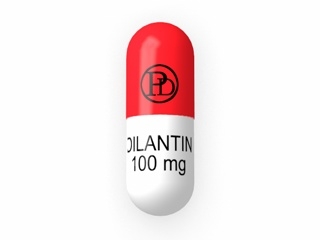

Dilantin (Phenytoin) – Patient-Friendly Guide
Dilantin contains phenytoin (often spelled phenytoin or phenytoin sodium depending on formulation). It is an anti-epileptic medicine used to help control certain types of seizures. This guide explains how Dilantin works, how the body processes it, how it’s commonly taken, important safety information, and practical tips for everyday use in the United Kingdom.
Please read carefully: If you think you may have taken too much, feel unwell, or have sudden changes in symptoms, seek urgent medical advice.
Basic product information
| Information | Details |
|---|---|
| Active ingredient | Phenytoin |
| Medicinal product name | Dilantin (brand name for phenytoin) |
| Medicine class | Anti-epileptic / antiepileptic drug (AED) |
| How it works | Modifies nerve signalling to reduce seizure activity |
| Typical route | Oral tablets/capsules (varies by formulation) |
| Monitoring | Blood levels may be checked due to variable absorption and a narrow therapeutic range |
How Dilantin works (mechanism of action)
Phenytoin helps stabilise electrical activity in the brain. It primarily does this by affecting voltage-gated sodium channels, which are important for the rapid firing of nerve cells. By reducing excessive repetitive firing, it helps prevent seizures from spreading or recurring.
In addition to sodium channel effects, phenytoin may influence other signalling pathways involved in seizure generation. The overall result is a reduction in seizure frequency and severity for certain seizure types.
Pharmacokinetics: how the body handles phenytoin
“Pharmacokinetics” means what the body does to the medicine—absorption, distribution, metabolism, and elimination. Phenytoin has some features that are important for patients:
- Narrow therapeutic range: Blood levels that are too low may not control seizures; levels that are too high increase the risk of side effects.
- Non-linear (saturable) metabolism: Small dose changes can sometimes lead to disproportionately large changes in blood phenytoin levels. This is why doctors may adjust doses carefully and consider blood tests.
- Protein binding: Phenytoin binds to blood proteins (especially albumin). Conditions that affect proteins (for example, severe illness or low albumin) can change the amount of free drug.
- Metabolism: Mainly processed in the liver via enzyme systems (notably CYP enzymes). Interactions with other medicines can therefore be significant.
- Time to steady effect: With consistent dosing, blood levels typically stabilise after a period of days, but this varies by individual and formulation.
Typical uses in the UK
Dilantin (phenytoin) is used in the treatment of epilepsy. Depending on the person and their seizure pattern, it may be used for:
- Partial (focal) seizures, sometimes with or without secondary generalisation
- Generalised tonic-clonic seizures
- Status epilepticus in hospital settings using appropriate formulations and specialist care (this guide focuses on oral use)
Clinicians choose medicines based on seizure type, age, co-existing conditions, other medicines, and blood test results. In the UK, phenytoin is widely recognised, but other anti-epileptic medicines may be preferred for some people depending on individual circumstances.
When and how to take Dilantin
Timing and consistency
Consistency is especially important with phenytoin because blood levels can be sensitive to changes in dose, absorption, and interactions. Try to take your medicine at the same times each day.
- Follow your dosing schedule: Take each dose at the times advised by your healthcare professional.
- Do not double doses: If you miss a dose, take advice from your healthcare team or pharmacist on what to do next.
- Allow time for adjustments: After dose changes, effects and blood levels may take time to settle.
Dosing overview (general information)
Dosing for phenytoin is individualised. Typical prescribing uses a “start low, go carefully” approach due to non-linear kinetics. The dose is often adjusted based on clinical response and, when appropriate, blood phenytoin levels.
Because different formulations exist, and because children and adults may need different dosing strategies, it is not appropriate to list a single universal dose here. Instead, patients should follow the dosing instructions on their medicine label and the plan made by their clinician.
Food interactions: what to know
Food can affect how medicines are absorbed. With phenytoin, consistent intake with regard to meals can help keep absorption steadier. If your prescriber or pharmacist recommends a specific way of taking it (for example, with or without food), follow that advice.
- Take with food if advised: Some people find taking phenytoin with a meal reduces stomach upset.
- Be consistent: Avoid frequent changes between taking with meals and taking on an empty stomach unless advised.
- High-fibre or major diet changes: Large dietary changes may influence absorption for some medicines—discuss significant changes with your pharmacist.
If you are told to take Dilantin at a particular time relative to meals, do so. If you are unsure, ask a healthcare professional.
Alcohol interactions and alcohol advice
Alcohol can worsen side effects of phenytoin and may increase risk of drowsiness, dizziness, and impaired coordination—especially in the early stages of treatment or after dose increases. Alcohol may also affect seizure threshold in some individuals.
- Avoid or limit alcohol as advised by your clinician.
- Do not drive or operate machinery if you feel sleepy or dizzy after taking your medicine and/or drinking alcohol.
- If you have concerns about alcohol use, speak with your healthcare team—support is available in the UK.
Medicine interactions (very important)
Phenytoin interacts with a wide range of medicines. Some medicines can raise phenytoin levels (increasing side effects), while others can lower levels (reducing seizure control).
Examples of interaction types
- Medicines that may increase phenytoin levels: certain antibiotics, antifungals, and other drugs can inhibit phenytoin metabolism.
- Medicines that may decrease phenytoin levels: some antiepileptics and liver enzyme inducers can speed up phenytoin metabolism.
- Phenytoin’s effect on other medicines: phenytoin can induce enzymes that reduce levels of some medicines.
- Blood thinner interactions: some anticoagulants require careful monitoring if used alongside phenytoin.
Because the interaction profile can be complex, always inform your pharmacist or prescriber of:
- All prescription medicines
- Over-the-counter medicines and supplements
- Herbal products (including St John’s wort)
- Any planned new medicine, including short courses
Indications (what Dilantin is for)
In UK clinical practice, Dilantin (phenytoin) is indicated for seizure disorders such as:
- Epilepsy characterised by partial/focal seizures (with or without secondary generalisation)
- Generalised tonic-clonic seizures
- Acute management of status epilepticus may be considered in hospital settings using suitable formulations and specialist care
The exact choice and use depend on seizure type, individual response, comorbidities, and risk factors.
Safety profile: common and serious side effects
Like all medicines, phenytoin can cause side effects. Many are dose-related and may be reduced if the dose is adjusted. However, some reactions require urgent medical attention.
Common side effects (may occur especially early or with higher levels)
- Dizziness or light-headedness
- Unsteadiness or coordination problems
- Nystagmus (involuntary eye movement)
- Blurred vision
- Tiredness or drowsiness
- Headache
- Nausea or stomach discomfort
- Constipation
- Changes in appetite
Serious side effects (seek urgent medical advice)
Contact a healthcare professional urgently (or seek emergency help) if you develop:
- Signs of severe allergic reaction such as swelling of the face/lips, difficulty breathing, or widespread hives
- Severe skin reactions (for example, blistering, peeling rash, mouth ulcers, or a rash with fever)
- Fever, rash, swollen glands, or feeling very unwell (could indicate a serious reaction)
- Unusual bleeding, marked bruising, or severe weakness
- Liver problems: yellowing of skin/eyes, dark urine, or severe persistent nausea/vomiting
- Neurotoxicity symptoms suggestive of high phenytoin levels: severe unsteadiness, confusion, persistent vomiting, or severe drowsiness
Long-term safety considerations
- Gum changes: phenytoin may cause gum overgrowth in some people. Good oral hygiene and regular dental care are important.
- Bone health: some anti-epileptic medicines can affect vitamin D and bone density. Your clinician may monitor risk and recommend vitamin D/calcium as appropriate.
- Blood tests: depending on your situation, periodic monitoring of blood counts and liver function may be recommended.
Practical use tips for everyday life
- Use a routine: Link doses to a daily habit (e.g., breakfast and bedtime) to improve consistency.
- Keep a medication record: If your regimen is adjusted, write down any changes and dates. This can help spot causes if symptoms change.
- Ask about blood level monitoring: If monitoring is part of your care plan, go for tests at the advised times. Results can guide dose changes.
- Do not stop suddenly: Stopping phenytoin abruptly may increase seizure risk. Changes should be coordinated with your clinician.
- Watch for interaction triggers: New prescriptions, antibiotics, antifungals, or herbal supplements should be checked for interactions.
- Plan around illness: Vomiting, diarrhoea, or poor appetite can affect absorption. Seek advice if you are unwell.
- Oral care: Brush twice daily and arrange regular dental visits, especially if you notice gum swelling.
Alternative options
There are many anti-epileptic medicines available in the UK. Which alternative is suitable depends on seizure type, prior treatment history, age, and side-effect tolerance. Common categories include:
- Levetiracetam
- Lamotrigine
- Valproate (used in selected cases; safety depends on individual factors)
- Carbamazepine
- Oxcarbazepine
- Topiramate
- Zonisamide
- Phenobarbital (specialist use in some settings)
Some medicines are chosen specifically for their interaction profiles, ease of dosing, and tolerability. If you are considering switching, it should be planned carefully to avoid loss of seizure control.
Market and legal context for the UK
In the UK, antiepileptic medicines are regulated by medicines authorities and must be supplied in line with UK law and prescribing requirements. Medicines availability can vary depending on manufacturer supply, stock levels, and whether the product is currently in supply.
Online pharmacies must follow UK regulations relating to the supply of medicines, patient safety checks, and proper labelling and packaging. Availability may also depend on whether a medicine is listed as in stock or subject to temporary supply constraints.
Recent guidance and practical updates (UK context)
Anti-epileptic care in the UK is typically guided by national clinical recommendations and specialist practice. General themes in contemporary guidance include:
- Tailoring treatment to seizure type and individual needs
- Minimising risk from side effects and medicine interactions
- Supporting adherence and avoiding missed doses
- Monitoring where appropriate, including blood levels when relevant
- Patient education about early warning signs of adverse effects
Guidance may also emphasise careful review when medicines are started, stopped, or changed—particularly where interactions are known.
Delivery and availability (what to expect from a UK online pharmacy)
Availability of Dilantin (phenytoin) can vary by strength and formulation. When ordering online in the UK, you can usually expect:
- Clear stock status on product pages (in stock / low stock / out of stock)
- Standard delivery options and sometimes next-day or express delivery depending on location and supplier
- Secure packaging designed to protect the medicine and reduce leakage or damage
- Tracking information in many cases
- If supply is constrained, the pharmacy may offer alternatives or advise on back-ordering depending on regulations and stock availability
If you need the medicine urgently, contact the pharmacy team before placing the order so they can advise on realistic delivery times.
FAQ: Dilantin (Phenytoin)
1) Why do I sometimes need blood tests for phenytoin?
Phenytoin can have a narrow therapeutic range and non-linear metabolism. Blood tests help check that levels are in the effective range and reduce the risk of toxicity, especially when doses are adjusted or if you start or stop interacting medicines.
2) What should I do if I miss a dose?
If you miss a dose, do not take an extra dose to “catch up” unless your clinician or pharmacist has advised you to. Advice depends on how long it has been since your last dose and your dosing schedule. For safe guidance, contact your pharmacy or healthcare team.
3) Can I drink alcohol while taking Dilantin?
It’s generally advised to limit or avoid alcohol because it can increase side effects such as dizziness or drowsiness and may affect seizure control. If you choose to drink, do so cautiously and seek personalised advice from your clinician.
4) Are there foods I should avoid?
There are no universal food bans for phenytoin, but consistency matters. Try to take doses at the same relation to meals each day. If you experience stomach upset or major diet changes, consult your pharmacist.
5) How long does it take to work?
Some seizure control may be noticed quickly, but it can take time for blood levels to stabilise after starting or changing dose. The timeline differs between individuals and depends on formulation, adherence, and interactions.
6) What happens if I stop Dilantin suddenly?
Stopping phenytoin without medical advice can increase the risk of seizures and may lead to worsening control. Any discontinuation should be planned with your healthcare team.
7) Can other medicines interact with Dilantin?
Yes. Many medicines can affect phenytoin levels or vice versa. Always let your pharmacist know about any new prescription, over-the-counter medicine, or supplement (including herbal products).
8) Is Dilantin suitable for children?
Phenytoin can be used in children under specialist care. Dosing is weight- and response-specific, and monitoring may be more frequent. Always follow the exact plan given for your child’s situation.
9) What should I do if I feel unsteady or very sleepy after taking my dose?
These may be signs of side effects, sometimes related to higher phenytoin levels. Seek advice promptly from your healthcare professional, especially if symptoms are worsening or severe. If you have concerns about safety (e.g., falls), avoid driving and seek urgent medical guidance.
10) Are there alternatives if phenytoin isn’t tolerated?
Yes. Several anti-epileptic medicines may be alternatives depending on seizure type, your history, and your personal risk factors. Switching should be done carefully with a planned taper or cross-titration where appropriate.
Need help or have questions?
If you have questions about how to take Dilantin safely, possible interactions with other medicines, or what to do if you miss a dose, speak to a pharmacist. Keeping your medicine routine consistent and checking interactions are key steps in safe use.