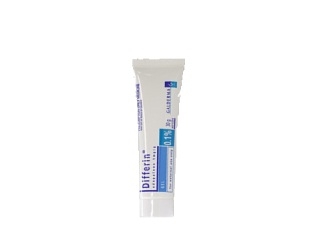
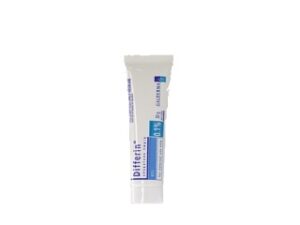
Differin (Adapalene) – Patient Guide (UK)
Differin is a medicine used to treat acne. The active ingredient is adapalene, a retinoid-like medicine that works in the skin to help prevent clogged pores and reduce inflammation. This guide is written to be patient-friendly and to help you use Differin safely and effectively.
Important: Always follow the instructions provided with your medicine and consult a healthcare professional if you have questions—especially if you are pregnant, breastfeeding, or using other acne treatments.
Basic product information
| Feature | Details |
|---|---|
| Brand name | Differin |
| Active ingredient | Adapalene |
| Medicinal type | Topical retinoid (adapalene belongs to the retinoid class) |
| Common presentation | Topical gel (strengths may vary by product) |
| Common condition | Acne vulgaris (including comedonal and inflammatory acne) |
| How it is used | Applied thinly to affected areas of skin |
How Differin works (mechanism of action)
Adapalene is a topical retinoid. Acne forms when pores become clogged with dead skin cells and oil, and when inflammation contributes to redness and bumps. Differin helps in several ways:
- Normalises skin cell turnover: It helps prevent the build-up of dead skin cells that can block pores.
- Reduces formation of comedones: By promoting healthier shedding inside the follicle, it can help prevent blackheads and whiteheads from developing.
- Anti-inflammatory effect: It can help reduce inflammatory acne lesions (such as red bumps) over time.
What to expect: Differin primarily prevents and treats acne by reducing clogged pores. It may not give immediate results, and early dryness or irritation can occur—this is often temporary if used correctly.
Pharmacokinetics (absorption and how the body handles it)
Because adapalene is applied to the skin, only small amounts are absorbed through the body. Key practical points include:
- Topical absorption: Skin absorption is generally low when used as directed.
- Systemic exposure: Most of the medicine remains local to the skin (where it’s needed).
- Elimination: Any absorbed fraction is eliminated through normal body processes.
Clinical implication: For most people, systemic side effects are uncommon compared with medicines taken by mouth. However, skin reactions are the main consideration, so proper application and moisturising are important.
What Differin is used for (indications)
Differin is indicated for the treatment of acne. It is commonly used for:
- Comedonal acne (blackheads and whiteheads)
- Inflammatory acne (red bumps and pustules)
- Moderate acne in some treatment plans
It may be used as a stand-alone treatment or as part of a broader acne routine (for example, with other topical therapies) depending on severity and tolerability.
Typical treatment schedule and timing
When to apply: Most people use Differin once daily in the evening (unless your product instructions say otherwise).
- Start gently: If you are prone to irritation, you may begin with every other night for 1–2 weeks.
- Increase as tolerated: Then move to once daily.
- Consistency matters: Results develop gradually as clogged pores clear and inflammation reduces.
How long until you see results?
- Early changes: Some improvement may be noticed after a few weeks.
- More noticeable improvement: Often takes 8–12 weeks.
- Best results: May continue to improve with ongoing use over several months.
Tip: Don’t stop too early if you don’t see results immediately. Acne treatments typically require consistent use.
How to use Differin (practical dosing and application)
General dosing: Apply a thin layer to the affected area(s).
Amount to use: A small quantity is enough. Many patients find that a pea-sized amount for the whole face is appropriate—then spread thinly.
Step-by-step routine:
- Wash your skin: Use a gentle cleanser and pat dry (avoid rubbing).
- Wait until fully dry: Applying to damp skin may increase irritation.
- Apply Differin: Use a thin layer over areas affected by acne (and sometimes lightly beyond, if advised).
- Avoid sensitive areas: Keep away from eyes, lips, corners of the nose, and any broken or eczematous skin.
- Moisturise if needed: A moisturiser can reduce irritation.
Can it be used with other products? Yes, in many acne routines—but you may need to space products out to reduce irritation (see “Practical use tips” below).
Food interactions
Since Differin is used on the skin and has low systemic absorption, food interactions are not expected for most patients. Your diet does not typically affect how the medicine works.
General acne note: Some people find that certain dietary patterns (for example, high glycaemic load foods) can worsen acne. This is individual and not a direct interaction with Differin.
Alcohol and medicine interactions
Differin is topical, so direct alcohol interactions are not commonly expected. However, alcohol can sometimes worsen dryness or skin inflammation indirectly, depending on your skin type and overall routine.
Still important:
- If you are using alcohol-based skin products (for example, some toners), they may increase irritation.
- Be cautious with combining Differin with other irritating or strongly “active” skincare products.
Interactions with other medicines: The main concern is usually skin irritation when combining topical acne treatments, not internal drug-drug interactions.
Common safety profile and side effects
Most side effects relate to the skin. Many people can continue treatment by adjusting how often they apply it and by moisturising.
Common side effects
- Dryness
- Skin irritation (burning, stinging, redness)
- Peeling or flaking
- Itching
- Skin sensitivity
Less common but important reactions
- Severe redness, swelling, or blistering
- Allergic-type reactions (for example, widespread rash)
Seek medical advice urgently if you develop severe swelling, blistering, or signs of a serious allergic reaction.
When to pause or stop
- If you experience significant worsening irritation, stop for a few days and restart more gently (e.g., every other night).
- If symptoms persist or are severe, consult a healthcare professional.
Important precautions (who should be extra careful?)
- Pregnancy and trying to conceive: Retinoids are generally avoided in pregnancy due to class-related concerns. If you are pregnant, think you might be pregnant, or are trying to conceive, discuss options with a healthcare professional before using adapalene.
- Breastfeeding: Discuss use with a healthcare professional, especially if applying to large areas.
- Broken or irritated skin: Avoid using on cuts, sunburn, eczema flare-ups, or areas of significant irritation.
- Sun sensitivity: Retinoids can make skin more sensitive to sunlight. Use daily sun protection (see below).
Practical use tips for best results and reduced irritation
1) Use “thin layers” and avoid over-application
More is not better. A thin layer improves tolerability and reduces irritation.
2) Moisturiser strategy
- Before Differin: You may apply moisturiser first (“sandwich” method) if your skin is sensitive.
- After Differin: Apply moisturiser after the gel has absorbed.
3) Start slowly
If you are new to retinoids, begin with every other night and increase as tolerated.
4) Choose gentle skincare
Use gentle cleansers and moisturisers. Avoid scrubs, exfoliating gloves, and harsh products that can damage the skin barrier.
5) Be careful with other acne actives
Combining multiple “active” products can increase irritation. Consider spacing them out.
- Alpha-hydroxy acids (AHAs) and beta-hydroxy acids (BHAs: may increase irritation when used at the same time.
- Benzoyl peroxide: often used in acne routines; some people tolerate the combination well, but start slowly and monitor irritation.
- Salicylic acid products: can be irritating depending on how strong they are and how frequently used.
6) Sun protection
- Use a broad-spectrum sunscreen suitable for your skin type.
- Avoid prolonged sun exposure and sunbeds.
7) What if you feel burning or peeling?
- Pause for a few days, then restart less frequently.
- Increase moisturising and consider the “sandwich” method.
- If severe symptoms occur, seek advice.
Alternatives to Differin (adapalene)
Depending on your acne type and skin tolerance, alternative treatments may include:
Topical retinoids
- Tretinoin (available in certain formulations)
- Other retinoid-containing acne treatments (choice depends on availability and suitability)
Topical antimicrobials and anti-inflammatory options
- Benzoyl peroxide (helps reduce acne bacteria and inflammation)
- Antibiotic creams/gels in specific cases, usually for short periods under guidance
Other topical acne treatments
- Azelaic acid (often used for inflammatory acne and sensitive skin)
- Salicylic acid products (help unclog pores for some people)
Choosing an alternative: The best option depends on your acne severity, skin sensitivity, and what other products you’re already using.
Market and legal context for the United Kingdom
In the UK, acne medicines are managed through standard pharmaceutical regulation and marketing authorisation processes. Patient access may include products available via pharmacy channels and online dispensaries depending on the specific product formulation and strength.
Availability can vary by:
- Whether the medicine is supplied as a registered product
- Pack size and concentration
- Local dispensing and supply rules
Always check: The exact product name, strength, and directions on the package you receive.
Recent guidance and practical updates (UK context)
Across recent years, acne care guidance has consistently emphasised:
- Barrier-friendly routines to manage irritation from topical acne medicines.
- Gradual introduction of retinoids to reduce early dryness and peeling.
- Sun protection when using retinoid-based treatments.
- Antibiotic stewardship: topical or oral antibiotics, where used, should generally be time-limited and not relied on alone.
Local advice may also emphasise patient education about expected timelines (often several weeks to months) and the importance of consistent application.
Delivery and availability (online pharmacy)
Delivery availability in the UK typically depends on stock levels, dispatch times, and the courier service offered by the pharmacy. When ordering Differin (adapalene) online, you can usually expect:
- Secure packaging to protect the product.
- Tracking information (depending on the selected delivery method).
- Clear product labelling with usage instructions.
Storage: Keep the medicine according to the instructions on the outer pack (commonly at room temperature, away from excessive heat and sunlight). Keep out of sight and reach of children.
Availability: If a specific strength or pack size is out of stock, the pharmacy may offer an alternative product with the same active ingredient, depending on what is legally permitted and clinically appropriate.
FAQ – Differin (Adapalene)
1) Is Differin suitable for all acne types?
Differin is commonly used for acne and can help with both clogged pores (blackheads/whiteheads) and inflammatory spots. Your acne pattern, skin type, and tolerance determine how well it works as a single product or as part of a routine.
2) When should I see results?
You may notice improvement after a few weeks, but meaningful results usually take 8–12 weeks. Acne treatments often need consistent use for several months for best effects.
3) Can I use Differin with moisturiser?
Yes—moisturiser is strongly recommended if you experience dryness. You can apply moisturiser before (sandwich method) or after Differin to reduce irritation.
4) Will Differin make my skin peel at first?
Dryness, peeling, and redness can happen, especially during the first few weeks. This often improves as your skin adapts. Start slowly (every other night) and use moisturiser.
5) What should I do if my skin becomes very irritated?
Pause treatment for a few days, then restart less often. Avoid harsh skincare and consider a gentler moisturising routine. Seek advice if irritation is severe or persistent.
6) Can I use Differin in the morning?
Many people use it in the evening because they can avoid sun exposure. If your product instructions allow morning use, be sure to apply sunscreen during the day and monitor for irritation.
7) Does Differin interact with other acne products?
It can, mainly by increasing irritation. Carefully introduce other actives such as exfoliating acids. Benzoyl peroxide is often used in acne routines, but start gradually and watch your skin’s tolerance.
8) Can I drink alcohol while using Differin?
Because Differin is applied to the skin, direct alcohol interactions are not usually expected. However, alcohol may affect your skin indirectly (dryness/inflammation), and some people may react to combined skincare routines.
9) Can Differin be used if I have sensitive or eczema-prone skin?
Extra caution is needed. Avoid applying to active eczema areas or broken skin. Consider starting slowly and discuss suitability with a healthcare professional if you have significant skin conditions.
10) Is Differin safe for pregnancy or breastfeeding?
Adapalene is generally avoided in pregnancy. If you are pregnant, trying to conceive, or breastfeeding, seek advice from a healthcare professional before using.
Summary
Differin (adapalene) is a topical acne treatment that helps clear clogged pores and reduce inflammation. Used consistently—typically once daily in the evening—over 8–12 weeks or longer, it can significantly improve acne for many people. The most common issue is skin dryness or irritation, which can often be managed by starting slowly, applying a thin layer, moisturising, and using sun protection.
If you have concerns about side effects, interactions with your current skincare routine, or suitability for pregnancy/breastfeeding, speak with a healthcare professional.