
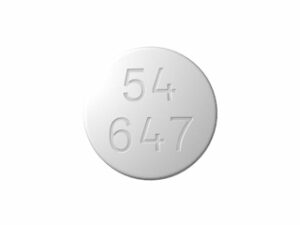
Cilostazol (UK) — Patient-Friendly Medicine Guide
Cilostazol is a medicine used to help improve walking ability in people with certain circulation problems in the legs. This guide explains what cilostazol does, how it works in the body, how it is usually taken, key safety considerations, and practical tips for day-to-day use. It is written for patients in the United Kingdom (UK) and uses patient-friendly language.
Basic product information
| Topic | Details |
|---|---|
| Active ingredient | Cilostazol |
| Common uses | Improving walking distance in intermittent claudication (pain in the legs due to narrowed arteries) |
| How it may be presented | Tablets |
| Typical UK prescribing status | Medicines are regulated by UK law; supply depends on local arrangements and clinical assessment |
| ATC (broad classification) | Antiplatelet medicine / peripheral vasodilator class |
Important: Always follow the instructions provided with your medicine. Different people may need different dosing schedules depending on age, kidney/liver function, and other treatments.
What cilostazol is for (typical use)
The most common use of cilostazol is in people with intermittent claudication, sometimes called peripheral arterial disease (PAD) symptoms. Intermittent claudication causes muscle pain, cramping, or discomfort in the legs when walking, improving with rest.
- Goal: help increase the distance you can walk before pain starts.
- Also important: cilostazol works best alongside lifestyle changes (especially supervised exercise where appropriate) and optimal control of cardiovascular risk factors.
Mechanism of action (how it works)
Cilostazol has multiple effects that support blood flow and reduce abnormal clotting tendencies:
- Phosphodiesterase (PDE) inhibition: cilostazol inhibits PDE enzymes, which increases cAMP inside cells.
- Vasodilation: higher cAMP contributes to relaxation of blood vessels, helping improve blood flow to the legs.
- Antiplatelet action: cilostazol helps reduce platelet aggregation (the clumping of platelets that can contribute to clot formation).
- Anti-proliferative effects: it may help limit smooth muscle cell proliferation within vessel walls.
In practice, these actions help improve symptoms in certain people with PAD.
Pharmacokinetics (what the body does to the medicine)
Pharmacokinetics describes how the medicine is absorbed, distributed, metabolised, and eliminated. While individual results can vary, the general patterns are:
- Absorption: cilostazol is absorbed after oral administration.
- Metabolism: it is metabolised mainly by liver enzymes, particularly CYP3A4 and CYP2C19, forming active metabolites.
- Elimination: metabolites are eliminated through the body (primarily via urine and faeces as metabolites).
- Half-life: cilostazol and its metabolites have clinically relevant half-lives that support the usual twice-daily dosing schedule in many regimens.
Because metabolism involves liver enzymes (CYP pathways), interactions with other medicines that affect these enzymes can change cilostazol levels and side-effect risk.
Indications in the UK context
The main approved indication for cilostazol in the UK is:
- Intermittent claudication due to peripheral arterial disease — to increase walking distance and improve symptoms in appropriate patients.
If you are unsure whether your condition matches this indication, ask a healthcare professional. Cilostazol is not a cure for atherosclerosis, and it should not replace cardiovascular risk management.
How to take cilostazol (dosing and timing)
Typical dosing regimens are generally based on tablet strength and individual risk factors. Common adult regimens are described below; always use the dosing plan given to you.
Typical adult dose (general information)
- Often: 100 mg twice daily (morning and evening), though exact dosing instructions can vary.
How to time your doses
- Try to take doses about 12 hours apart (e.g., 8am and 8pm).
- If you miss a dose, do not double to catch up unless your healthcare professional advises it.
- If you frequently forget doses, consider setting phone alarms or linking it with daily routines (breakfast/dinner).
Duration of use
Benefits may take time to become clear. If you are not noticing symptom improvement, you should discuss this with a clinician rather than stopping abruptly. Ongoing assessment is important because cilostazol is only worthwhile when it provides meaningful benefit for you.
Food interactions (what to know)
Cilostazol may be taken with or without food for many people. However, to help you stay consistent and avoid stomach upset, consider the following:
- Consistency matters: take cilostazol the same way each day (with meals or without), unless your clinician advised otherwise.
- Stomach tolerance: if you experience indigestion or nausea, taking the dose with food may help.
- Grapefruit and some dietary supplements: these can affect metabolism via CYP enzymes. Avoid any new supplements or large dietary changes without checking first.
If you have gastrointestinal symptoms, speak to a healthcare professional about the best timing for you.
Alcohol and medicine interactions
Alcohol does not have a single universal “forbidden” interaction with cilostazol, but there are important practical considerations:
- Bleeding risk: cilostazol has antiplatelet activity. Heavy alcohol intake may increase the risk of stomach irritation and bleeding, especially if combined with other medicines that affect bleeding.
- Dizziness and flushing: both alcohol and vasodilatory effects may contribute to light-headedness in some people.
- Safer approach: keep alcohol moderate and be cautious if you notice dizziness or palpitations.
If you drink alcohol regularly or have a history of stomach ulcers/bleeding, it’s worth discussing with a pharmacist or clinician.
Medicine interactions (important safety topics)
Cilostazol is metabolised by liver enzymes (notably CYP3A4 and CYP2C19), so medicines that inhibit or induce these pathways can alter cilostazol levels. Some combinations also increase bleeding risk or affect heart rhythm.
Medicines that may require extra caution
- Other antiplatelets or anticoagulants: combining with medicines that reduce clotting (e.g., aspirin, clopidogrel, warfarin, DOACs) may increase bleeding risk. A clinician will weigh benefits versus risks.
- Strong CYP3A4 inhibitors: may raise cilostazol exposure, increasing adverse effects.
- Strong CYP2C19 inhibitors: may also raise cilostazol exposure.
- Enzyme inducers: may lower cilostazol levels and reduce effectiveness.
- Other medicines that affect heart rhythm: cilostazol can have effects on the cardiovascular system, so combinations should be checked carefully.
Common over-the-counter (OTC) items to consider
- Painkillers: regular use of NSAIDs (e.g., ibuprofen, naproxen) can increase bleeding or stomach irritation risk when combined with antiplatelet medicines.
- Aspirin-containing products: check labels, especially if you take aspirin for heart protection.
- Herbal supplements: some supplements may affect bleeding or liver enzymes (for example, certain “blood thinning” herbs). Always mention supplements to a pharmacist.
Before starting or stopping any medicine, check interactions with a healthcare professional or pharmacist. If you share a full list of your medicines (including OTC and supplements), they can provide the safest advice.
Safety profile (side effects and what to do)
Like all medicines, cilostazol can cause side effects. Many are mild and improve with time, but some require urgent medical attention. Your local medicines guidance may list additional side effects; always refer to the patient information leaflet supplied with your tablets.
Common side effects
- Headache
- Dizziness or light-headedness
- Palpitations (awareness of heartbeat)
- Flushing
- Gastrointestinal discomfort (e.g., indigestion, diarrhoea, nausea)
Less common but important risks
- Bleeding risk may be increased, particularly if combined with other blood-thinning medicines.
- Low blood pressure symptoms (e.g., fainting) can occur in sensitive individuals.
- Heart-related symptoms such as new or worsening chest pain, fainting, or significant shortness of breath should be taken seriously.
Seek urgent help if you get any of the following
- Signs of serious bleeding: vomiting blood, coughing blood, black/tarry stools, or blood in urine
- Severe allergic-type symptoms: swelling of face/lips, difficulty breathing, widespread rash
- Symptoms of a possible heart rhythm problem: severe palpitations with dizziness or fainting
Who should avoid cilostazol or use it only with extra caution
The appropriateness of cilostazol depends on your medical history and current medications. In particular, clinicians usually take special care if you have:
- Heart failure: cilostazol may not be suitable, depending on severity and clinical judgment.
- Significant bleeding disorders or a history of significant bleeding.
- Severe liver impairment (metabolism may be affected).
- Severe kidney impairment (dose adjustments or monitoring may be needed).
- Major drug interactions (especially with strong CYP inhibitors/inducers or multiple antithrombotic medicines).
Your pharmacist can help check your personal situation based on your medicines and medical history.
Practical use tips
- Track your walking ability: note how far you can walk before pain starts. A diary can help you and your clinician judge whether cilostazol is helping.
- Stay active safely: gentle, supervised exercise can complement medication and improve symptoms over time.
- Watch for dizziness: especially when starting treatment. Avoid driving or operating machinery if you feel unsteady until you know how you react.
- Be careful with alcohol: keep intake moderate and avoid binge drinking.
- Report unusual symptoms early: headaches, palpitations, or new bleeding symptoms should be discussed promptly.
- Keep your medication list updated: include OTC products and supplements for interaction checking.
Alternative options (if cilostazol is not suitable)
Intermittent claudication is managed using a combination of lifestyle measures, medicines, and in some cases procedures. Alternatives depend on severity and your cardiovascular risk profile.
Non-medicine options
- Supervised exercise therapy (often recommended): improves walking distance and symptoms.
- Smoking cessation: one of the most effective ways to slow PAD progression.
- Foot care and skin monitoring: particularly if circulation is poor.
Medicine options (examples)
- Antiplatelet therapy (e.g., aspirin or alternatives) to reduce cardiovascular risk.
- Cholesterol-lowering therapy (statins) to reduce cardiovascular events.
- Blood pressure and diabetes control to reduce complications.
- Other treatments may be considered based on clinician assessment, especially if symptoms are severe or not responding.
Procedural options
- For selected patients with significant symptoms or complications, referral to a vascular specialist may be considered for imaging and possible interventions.
If you’re considering alternatives, ask a clinician about the full range available to you and how they compare to cilostazol for symptom improvement and safety.
Market and legal context for the United Kingdom
In the UK, medicines are regulated and supplied according to established frameworks that aim to protect patients. Cilostazol is subject to UK medicines legislation and pharmacy supply rules. Supply arrangements may vary by manufacturer and local pharmacy services, and clinical appropriateness still needs to be confirmed.
When purchasing medicines online, reputable UK online pharmacies should:
- Provide clear product information and patient guidance.
- Ensure appropriate screening to support safe use.
- Use compliant delivery services and provide tracking or proof of dispatch where available.
Always use suppliers that follow UK legal requirements and that clearly show how medicines are sourced and delivered.
Recent guidance and monitoring (what matters most)
Guidance for PAD and intermittent claudication typically emphasises:
- Cardiovascular risk reduction (statins, antiplatelets where appropriate, blood pressure control, diabetes management).
- Exercise therapy as a key part of treatment.
- Medication reviews to ensure benefits outweigh risks.
For cilostazol specifically, ongoing attention to safety is important, including:
- Monitoring for side effects such as headache, dizziness, palpitations, and bleeding.
- Reviewing interactions when starting or stopping any medicine.
- Reassessing symptom improvement after an initial period of therapy, so treatment continues only if it helps.
Local health services may update advice over time; if you have questions about the most current recommendations, a pharmacist can help direct you to reliable information sources.
Delivery, availability, and what to expect
Availability can vary depending on the manufacturer, tablet strength, and current supply in the UK. When purchasing online, you can generally expect:
- Clear stock status on the product page (in most reputable services).
- Packaging that protects tablets during transit.
- Delivery updates (such as dispatch confirmation and tracking details if offered).
Delivery times depend on the courier service and the time of order dispatch. If you need the medicine urgently, check the pharmacy’s delivery information before ordering.
FAQ — Frequently asked questions
1) How soon will cilostazol start working?
Some people notice changes in walking comfort over time, but symptom improvement may take days to weeks. If you do not feel any benefit, discuss this with a healthcare professional rather than continuing indefinitely.
2) Can I take cilostazol with other heart or circulation medicines?
Often yes, but it depends on which medicines you use. The combination of antiplatelet/anticoagulant medicines and drugs affecting CYP enzymes can change bleeding risk and cilostazol levels. Always share your full list of medicines and supplements with a pharmacist for interaction checking.
3) What should I do if I miss a dose?
Take it when you remember unless it is close to your next dose. Do not take double doses to make up for a missed tablet. If you are unsure, ask a pharmacist for advice tailored to your schedule.
4) Are there foods I should avoid?
There is no single universal food restriction for most people, but consistency is helpful. Be cautious with grapefruit or supplements that could affect metabolism—especially if you’re taking other interacting medicines.
5) Does cilostazol cause dizziness?
Dizziness and light-headedness can occur. If you feel unsteady, avoid driving or operating machinery until you know how you respond. Stand up slowly to reduce the chance of feeling faint.
6) Is cilostazol safe for older adults?
Many older adults use cilostazol safely when appropriately prescribed. However, clinicians may adjust care based on kidney function, liver function, and the medicines you already take. Interaction checking is especially important.
7) Can I drink alcohol while taking cilostazol?
Moderate alcohol may be acceptable for some people, but heavy drinking can increase risk of bleeding and worsen dizziness. If you are unsure, speak with a pharmacist, particularly if you take other medicines that affect clotting.
8) What signs of bleeding should I watch for?
Look out for black/tarry stools, vomiting blood, blood in urine, unusual bruising, or bleeding that is difficult to stop. If any of these occur, seek urgent medical advice.
9) What if I have symptoms that get worse?
If your leg pain worsens rapidly, you develop wounds that don’t heal, or you experience new severe symptoms, contact a clinician promptly. PAD requires review, and in some cases treatment needs adjustment.
10) Is cilostazol a replacement for exercise?
No. Exercise therapy (especially supervised exercise) is a cornerstone of PAD management and often provides long-term benefits. Cilostazol is typically an add-on to a broader plan.
Summary
Cilostazol is a medicine used in the treatment of intermittent claudication to help improve walking distance. It works by improving blood flow and reducing platelet clumping through effects on cellular signalling pathways. Because it is metabolised by liver enzymes, it can interact with other medicines—so it’s important to review your full medication list.
If you’re considering cilostazol or already taking it, focus on safe use: take it as directed, be mindful of dizziness and bleeding symptoms, avoid unsafe combinations, and keep an eye on whether it is improving your ability to walk. For personalised guidance, consult a pharmacist or healthcare professional.