Septilin (Herbal Medicine) — Patient-Friendly Guide (UK)
Septilin is a traditional herbal medicine used to support the normal functioning of the immune system and to help reduce the frequency or duration of certain recurrent upper respiratory infections. It is commonly chosen by people who want a gentle, supportive approach as part of everyday self-care.
This page explains how Septilin works, when and how to take it, important interactions, safety information, and practical tips. It is written for readers in the United Kingdom. Always follow the instructions on the pack and talk to a healthcare professional if you have questions.
Quick overview
| Topic | What you should know |
|---|---|
| Product type | Herbal medicinal product for immune support and recurrent infections |
| Common use | Support for normal immune function; adjunct for repeated respiratory infections |
| How it works | Plant-based ingredients may support immune responses and inflammatory balance |
| Typical timing | Often taken daily; start early during periods of symptoms or vulnerability |
| Food interaction | Usually can be taken with or without food; check pack instructions |
| Alcohol | Generally not specifically restricted, but avoid excess alcohol and consider symptoms |
| UK availability | May be supplied by selected retailers; availability can vary by supplier |
Basic product information
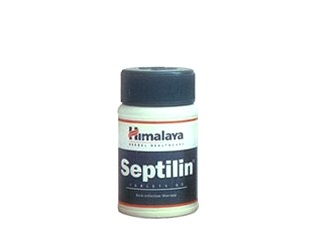
Septilin is an herbal medicine used for supportive care of the immune system. Depending on the specific format available (e.g., tablets or syrup), the ingredients and dosing schedule may differ slightly. Always check the outer carton and patient information leaflet that come with your product.
Key points to check on your pack:
- Whether you have tablets or liquid/syrup
- Your strength and the exact ingredients list
- The recommended dose by age and how often to take it
- Any specific contraindications listed for that formulation
What is Septilin used for?
Septilin is traditionally used to help:
- Support the body’s normal immune function
- Support recovery and resilience during times when people are prone to recurrent upper respiratory tract infections (such as recurring colds)
- Reduce the tendency for repeated infections in some users when taken consistently
It is often used alongside general measures such as sleep, hydration, nutrition, hand hygiene, and staying up to date with routine healthcare advice.
Important: If you have severe symptoms, high fever, trouble breathing, or symptoms that worsen rapidly, you should seek medical advice promptly.
Mechanism of action (how Septilin may work)
Septilin contains plant-based ingredients (herbal extracts). While individual herbs may have multiple biological actions, the overall intention of Septilin is to:
- Support immune activity involved in recognising and responding to infections
- Help maintain a balanced inflammatory response that can influence how the body copes with infection-related irritation
- Support recovery during recurrent episodes
Herbal medicines can vary in composition depending on manufacturing standards. If you want the most accurate information for your specific product, check the ingredient list and claims on your pack.
Pharmacokinetics (absorption, distribution, metabolism, elimination)
“Pharmacokinetics” describes what the body does to a medicine—how it is absorbed, how long it stays in the body, and how it is processed and removed.
For herbal products like Septilin, detailed pharmacokinetic data for every constituent may not always be available in the same depth as for conventional single-ingredient medicines. However, the general considerations include:
- Absorption: Herbal components are often absorbed after oral administration, but absorption can vary between individuals and between different extracts.
- Metabolism: Many plant constituents are metabolised by the liver and gut.
- Elimination: Metabolites are typically eliminated via urine and/or bile.
- Onset: Supportive herbal medicines are usually taken consistently rather than relied upon for immediate symptom relief.
If you need specific pharmacokinetic details for a particular formulation, consult the leaflet supplied with your product or a pharmacist.
Indications in plain language
In UK-style patient terms, Septilin is commonly indicated for:
- Support of normal immune function
- Adjunctive use in people who experience recurrent upper respiratory infections
Indications can vary by licensed product and formulation. Always follow the indication described for the exact version you have.
How to take Septilin: dosing and timing
Dosing depends on the formulation (tablets vs liquid), age, and the exact instructions from the manufacturer. The most reliable guidance is the dose printed on your pack and the leaflet that comes with it.
Typical timing
- Septilin is commonly taken once daily or as directed on the label, often for a course of days or weeks.
- For recurrent infections, many users start the product early when they notice a pattern of illness or during periods when they are more vulnerable (e.g., during seasonal peaks).
- Because it is supportive, you may be advised to continue for a course rather than stopping after one day of improvement.
Dose (example table — check your pack)
Below is a generic illustration format to help you find the correct strength. Always use the dose on your specific Septilin pack.
| Age group | Formulation | How often | Notes |
|---|---|---|---|
| Adults | Tablets or liquid (as labelled) | Often once daily or per label | Do not exceed the labelled daily dose |
| Children | Liquid/syrup (as labelled) | Often per age on label | Use only if the product is suitable for the child’s age |
| Older adults | Tablets or liquid | Per label | Discuss with a pharmacist if you take multiple medicines |
Practical advice on taking it
- Use a consistent routine: Take it at the same time each day.
- Measure liquid carefully: Use the dosing device provided (or a proper oral syringe).
- Don’t double up: If you miss a dose, take it when remembered unless it is close to the next dose; then continue as normal.
- Give it time: Supportive herbal medicines may work gradually as part of regular use.
Food interactions: can you take Septilin with meals?
Many herbal medicines can be taken with or without food, but individual products may include guidance about food timing (for example, to improve comfort or adherence).
- Generally: Taking Septilin with water is commonly recommended.
- With food: If you get an upset stomach, taking it after food may feel more comfortable.
- Check your pack: Follow the instruction leaflet for your specific formulation.
If you have swallowing difficulties, ask a pharmacist whether the tablet form is suitable or whether another format is recommended for your situation.
Alcohol and medicine interactions
Septilin itself is a herbal product and is not widely known for a specific “direct” alcohol prohibition. However, interactions are not only about the ingredients—your overall health and the symptoms you’re treating matter.
- Avoid excess alcohol: Alcohol can worsen dehydration, sleep quality, and immune resilience.
- Be cautious if you feel unwell: If you have fever or significant infection symptoms, alcohol may make you feel worse.
- Check other medicines: Herbal medicines can interact with other treatments depending on the individual herbs used.
Seek advice from a healthcare professional if you:
- Take regular medicines for chronic conditions
- Have autoimmune conditions or are receiving immune-modifying therapy
- Are pregnant or breastfeeding
- Have liver or kidney conditions
Safety profile and side effects
Like all medicines, Septilin may cause side effects in some people. Most people tolerate herbal products well, but individual reactions can occur.
Common side effects
- Gastrointestinal discomfort (e.g., mild stomach upset)
- Occasional nausea or changes in bowel habits
- Headache or dizziness in some cases (less common)
Allergic reactions (seek urgent help)
Stop taking the product and seek prompt medical help if you develop signs of an allergic reaction such as:
- Swelling of the face, lips, or throat
- Difficulty breathing or wheezing
- Widespread rash, hives, or severe itching
When to avoid or get advice first
- Known allergy to any of the ingredients
- Pregnancy or breastfeeding: consult a healthcare professional before use
- Children: confirm the product is intended for the child’s age and follow label dosing carefully
- Immunosuppression or immune-related disease: discuss with a clinician first
Long-term use
Septilin is often used in courses rather than indefinitely. If you plan to use it for prolonged periods, consider discussing your regimen with a pharmacist to ensure it fits your health profile.
Practical use tips for best results
- Start early in your course: For recurrent patterns, begin when you typically start noticing symptoms.
- Combine with core self-care: Hydration, rest, balanced diet, and regular hand hygiene remain essential.
- Track your pattern: Keeping a simple note of symptoms and timing can help you and your pharmacist assess whether Septilin is helping you.
- Follow the labelled course: Consistency is more important than “spot dosing.”
- Check expiry dates: Don’t use past the expiry date on the pack.
Alternative options
If you’re considering Septilin, it may help to know other supportive approaches available in the UK. Alternatives depend on your goals—immune support, symptom relief, or reducing frequency of infections.
Non-medicine options
- Vaccinations: Seasonal flu and other recommended vaccines can reduce risk of severe illness.
- Healthy lifestyle: Adequate sleep, regular exercise, and a diet rich in fruits and vegetables.
- Cold/flu supportive measures: Fluids, throat soothing remedies, and appropriate pain/fever control.
Medicine-based supportive options (discuss with a pharmacist)
- Symptomatic relief products for colds (e.g., pain/fever reducers)
- Other herbal immune-support products (formulations vary—check ingredient lists carefully)
- Preventive strategies recommended by a pharmacist or GP for recurrent infections
If you have recurrent infections frequently, it’s also worth discussing with a clinician to rule out contributing factors (for example, smoking exposure, allergies, nasal congestion, asthma, or, in some cases, underlying immune issues).
UK market and legal context (what “licensed” and “regulated” means)
In the United Kingdom, herbal medicines may be made available as traditional herbal medicines or as other authorised products, depending on the evidence and approval pathway.
Key points for UK customers include:
- Authorisation: Products sold to the public should have a suitable regulatory status for supply in the UK.
- Labelling: The pack should include dosage instructions, warnings, and ingredient information.
- Pharmacy supply: Availability can depend on retailer agreements and stock management.
- Quality controls: Authorised products are manufactured to quality standards and labelled accordingly.
Because regulatory status and product formulations can change, always rely on the pack and the supplied leaflet for the most up-to-date and accurate information.
Recent guidance and practical expectations
While broad recommendations about immune-support products often emphasise that they should not replace a healthy lifestyle and appropriate medical care, the practical approach for consumers is:
- Use immune-support medicines as supportive care, not as a substitute for medical evaluation if symptoms are severe.
- If infections are recurrent, seek advice to understand the cause and to ensure vaccination and general preventive measures are current.
- Review your regimen with a pharmacist if you take other medicines, have chronic conditions, or experience side effects.
Guidance for herbal medicines may also be updated by regulators and professional bodies. For the most current advice, consult the patient information leaflet in your pack and your pharmacist.
Delivery and availability in the UK
Septilin availability can vary by supplier and by formulation. When purchasing online in the UK, customers typically choose from:
- Standard delivery: dispatched on working days depending on stock
- Tracked delivery: to reduce risk of lost parcels
- In-stock vs pre-order: some retailers list expected restock dates
To help ensure a smooth order:
- Confirm that the strength and format (tablets vs liquid) match what you need.
- Check the expiry date listed by the retailer when available.
- Store the product as indicated (commonly in a cool, dry place; keep away from direct sunlight).
If you cannot find Septilin in your preferred form, ask the retailer or pharmacist about the nearest equivalent option or an alternative immune-support product.
FAQ — Frequently asked questions
Is Septilin suitable for everyone?
Not necessarily. Suitability depends on the ingredients, your age, pregnancy/breastfeeding status, and any medical conditions or other medicines you use. Check the patient information leaflet and consult a pharmacist if you are unsure.
How soon will I feel a difference?
Septilin is generally used as supportive, not as an immediate “cure.” Some people notice changes in how they cope over time, while others use it as part of a course to support resilience during periods of recurrent infections.
Can I take Septilin with other cold medicines?
Many people can take herbal immune-support products alongside general over-the-counter cold remedies, but it depends on the other products you use and your personal health. If you tell a pharmacist what you’re taking, they can check for potential overlaps and advise the safest schedule.
Does Septilin interact with antibiotics?
There is no universal rule for all herbal products and all antibiotics. If you are taking antibiotics for an infection, speak to a pharmacist to ensure your combined use is appropriate and safe for your situation.
Can I drink alcohol while taking Septilin?
There isn’t typically a blanket prohibition. However, alcohol can make infection symptoms feel worse and may affect your overall recovery. If you choose to drink, keep it moderate and pay attention to how you feel.
What should I do if I miss a dose?
Take it when you remember unless it is close to the next dose. Do not take a double dose to make up for the missed one. Follow the instructions on the pack.
What if I experience side effects?
Stop taking Septilin and seek medical advice if you develop severe reactions (such as swelling, breathing difficulties, or widespread rash). For mild stomach upset, consider taking it with food and consult a pharmacist if symptoms persist.
Where can I buy Septilin in the UK?
It may be available from selected online retailers or pharmacies depending on stock. Availability and product format can change, so always confirm the exact item you’re ordering and read the leaflet supplied with it.
When to seek medical advice
Please seek medical attention promptly if you have:
- High fever, severe symptoms, or symptoms that rapidly worsen
- Breathing difficulties, chest pain, or persistent wheezing
- Dehydration, severe sore throat, or difficulty swallowing
- Recurrent infections that are unusually frequent or severe
- Any signs of an allergic reaction
Supportive medicines can be helpful, but your clinician can identify underlying causes and guide the safest plan for prevention and treatment.