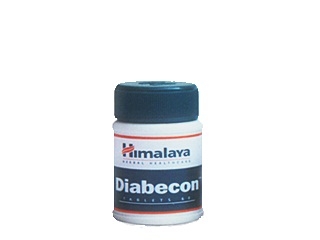

Diabecon Capsules (United Kingdom) — Patient-Friendly Guide
Diabecon is a herbal-based medicine traditionally used to support people with type 2 diabetes. Many individuals seek products like Diabecon to help with everyday blood sugar management alongside a healthy lifestyle. This page explains how Diabecon works, how it’s typically taken, what to expect, and important safety information for customers in the United Kingdom.
Note: This information is for general guidance only. Always follow the instructions on the product packaging or the advice of a healthcare professional.
Quick product information
| Item | What to know |
|---|---|
| Product name | Diabecon |
| Type | Traditional herbal medicine (brand varies by market) |
| Common form | Capsules (commonly available) |
| General purpose | Support for blood glucose control in type 2 diabetes |
| Key use-case | Often used alongside diet, exercise, and diabetes medicines as advised |
| Availability in the UK | Typically sold via online pharmacies and health product retailers, subject to stock |
What is Diabecon used for?
Diabecon is used to help support healthy blood sugar levels and is commonly associated with the management of type 2 diabetes (sometimes described as “adult-onset” diabetes).
It is important to understand that diabetes management is multifactorial. Diabecon is generally intended as an adjunct (additional support), not a substitute for your overall diabetes plan.
How Diabecon works (mechanism of action)
Diabecon is a herbal product, and its effects are thought to relate to multiple plant-based constituents. While exact mechanisms can vary by formulation, herbal diabetes-support products are generally believed to:
- Support insulin-related pathways and help improve how the body responds to insulin.
- Help manage post-meal blood sugar by supporting glucose regulation.
- Contribute to metabolic health through antioxidant and other supportive effects.
In practice, many users report gradual benefits over time, though responses vary widely between individuals. If you monitor blood glucose, review trends with your healthcare professional.
Pharmacokinetics (how the body handles Diabecon)
Pharmacokinetics (ADME: absorption, distribution, metabolism, and excretion) for herbal products can be complex, because active constituents may differ in absorption and breakdown rates.
For Diabecon, publicly available information may not provide the same level of detail as for conventional single-molecule pharmaceuticals. However, the general expectation for herbal capsules is:
- Absorption: constituents are absorbed to varying degrees after oral administration.
- Metabolism: compounds are likely processed in the liver and other tissues.
- Elimination: metabolites are excreted via urine and/or bile.
Because of this variability, the timing of effects can differ from person to person. Consistent use as directed is usually recommended to evaluate benefit properly.
Typical use and timing
Diabecon is generally taken as a daily supplement-style regimen to support glucose control. Exact dosing schedules should always match the instructions on your package or label.
When to take it
- Many users take Diabecon with meals (for example, morning and/or evening) to support routine use.
- If you notice stomach discomfort, taking it after food may be more comfortable.
How long until you notice effects?
Herbal products often require several weeks of consistent use to assess whether they are helping. If you don’t see any benefit after a reasonable period, speak with a healthcare professional rather than increasing the dose.
Indications (who may benefit)
Diabecon is typically used for:
- Adults with type 2 diabetes who want additional support for blood glucose management alongside lifestyle changes and usual care.
- People seeking supportive help with everyday glucose regulation.
It is not intended for use in type 1 diabetes as a primary treatment, and it should not replace diabetes medications where they are needed to prevent serious complications.
Dosing (how to take Diabecon)
Always follow the dosing instructions on your specific Diabecon pack. Dosing may depend on strength, capsule count, and guidance from the manufacturer.
Typical adult dosing for herbal diabetes-support capsules is often:
- 1 capsule or a similar measured dose two times daily, commonly with or after meals.
Because formulations and label directions can vary between regions and versions, please check your product box for the exact instruction.
What to do if you miss a dose
- Take it when you remember unless it is close to your next dose.
- Do not take a double dose to make up for a missed capsule.
Can you increase the dose?
Do not increase the dose beyond the label directions. If you feel your symptoms are not well controlled, consult a healthcare professional for personalised advice.
Food interactions
Diabecon is often taken with food for practical tolerance and to fit into daily routines. In general, herbal products are less likely to have dramatic “food-drug” interactions, but food can still affect:
- Absorption (some constituents may absorb better after meals).
- Stomach comfort (taking with food can reduce nausea or indigestion).
There are no universal “prohibited foods” for Diabecon, but for diabetes management it’s still essential to follow dietary guidance for type 2 diabetes, such as:
- Prefer low/steady glycaemic load meals.
- Limit sugary drinks and frequent high-sugar snacks.
- Consider consistent portion sizes and timing.
Alcohol and medicine interactions
Alcohol
Drinking alcohol can affect blood sugar control and may increase the risk of side effects such as dizziness, stomach irritation, or delayed recognition of low blood sugar (especially if you use diabetes medicines).
If you choose to drink, consider:
- Keeping to moderate amounts as advised for your health situation.
- Avoiding alcohol on an empty stomach.
- Monitoring glucose more frequently if you notice changes.
Interactions with other medicines
Herbal medicines may interact with other treatments through effects on blood sugar, liver enzymes, or the way the body processes compounds.
Take extra caution and consult a healthcare professional if you are using:
- Diabetes medicines (for example insulin or oral hypoglycaemic agents), because the combination may alter glucose levels.
- Medicines affecting the liver or long-term regular medications.
- Blood-thinning medicines (warfarin-type therapy), because herbal products may occasionally influence bleeding risk.
- Other herbal supplements for diabetes, weight, or metabolic health.
If you’re unsure, bring a list of your medicines and supplements to your healthcare professional or pharmacist. They can check for compatibility and advise on monitoring.
Safety profile
Most people tolerate Diabecon well when taken as directed. However, herbal products can still cause side effects, and not everyone responds the same way.
Common side effects
Side effects are not experienced by everyone, but may include:
- Gastrointestinal upset (e.g., nausea, indigestion, stomach discomfort)
- Loose stools or changes in bowel habit
- Headache in some individuals
- Allergic-type reactions in sensitive people (rare)
Serious warnings — seek advice promptly
Stop taking Diabecon and seek urgent medical advice if you develop:
- Signs of an allergic reaction (swelling of face/lips, difficulty breathing, severe rash)
- Symptoms of hypoglycaemia (such as sweating, shaking, confusion, palpitations), especially if you also take diabetes medicines
- Unexplained persistent vomiting, severe abdominal pain, or jaundice
Who should take extra care?
- Pregnancy or breastfeeding: seek professional advice before use.
- Children and adolescents: safety may not be established; follow the product label guidance.
- Liver or kidney problems: check with a clinician because metabolism and excretion may differ.
- Multiple medicines: herbal supplements can add complexity—review regularly with a pharmacist.
Practical use tips
To get the best out of Diabecon and to stay safe, the following practical steps can help.
- Follow a routine: take the capsules at the same times each day to avoid missed doses.
- Take with food if needed: if your stomach feels sensitive, take after meals rather than on an empty stomach.
- Monitor your blood glucose: especially if you use insulin or other glucose-lowering medicines. Note any patterns (e.g., lower readings after meals).
- Keep a record: tracking meals, glucose readings, and any side effects can help your healthcare team advise you.
- Don’t “double up”: if you miss a dose, continue with your next scheduled dose.
- Review regularly: if you don’t feel it’s helping, discuss this rather than increasing the dose.
Alternative options for blood sugar support
If you are considering Diabecon, it may also help to understand other supportive options people commonly use in the UK. Alternatives depend on your personal health situation and what diabetes medicines you already take.
Lifestyle-based alternatives (core approach)
- Dietary changes (carbohydrate awareness, fibre-rich meals, reducing sugary drinks)
- Regular physical activity (including walking after meals where appropriate)
- Weight management if relevant
- Sleep and stress management (both can affect glucose regulation)
Other complementary products
- Berberine supplements (some people use them for glucose support, but interactions are possible)
- Chromium and magnesium (may support metabolic health for some individuals)
- Soluble fibre supplements (e.g., psyllium) as part of diet
- Herbal blends with different ingredients (always check for ingredient compatibility)
If you consider an alternative, check ingredient lists and safety profiles carefully—especially if you use other diabetes medicines.
Diabecon and the UK market/legal context
In the United Kingdom, medicines—including herbal and traditional products—are regulated within the broader framework for health products. Products may be sold based on their classification and compliance with UK requirements.
Online pharmacies and retailers typically require that products are:
- Sold with appropriate packaging, labels, and consumer-facing information
- Provided with accurate directions for use and warnings
- Supplied only when stock and distribution requirements are met
Always choose reputable sellers to reduce the risk of counterfeit or expired items. Check expiry dates and storage instructions.
Recent guidance (general diabetes best practice)
Diabetes guidance in the UK continues to emphasise:
- Individualised glucose targets and personalised care plans.
- Medication review and regular monitoring of blood glucose and HbA1c.
- Lifestyle measures such as diet, physical activity, and smoking cessation where appropriate.
- Safety awareness with supplements, particularly when combined with diabetes medicines.
If you plan to start Diabecon or any supplement for diabetes support, it’s sensible to discuss it with a pharmacist or clinician, particularly if you have other conditions or take regular medicines.
Delivery and availability in the United Kingdom
Diabecon may be available through online pharmacies and health product retailers across the UK, depending on local stock levels. Delivery options, dispatch times, and courier services vary by retailer.
When ordering, consider:
- Stock availability: availability can fluctuate, especially during promotional periods.
- Packaging and expiry date: check the product page for current batch information if provided.
- Delivery times: select the delivery option shown at checkout.
- Storage: follow label instructions (typically store in a cool, dry place and keep out of reach of children).
For the most up-to-date information on delivery estimates for your postcode, use the shipping options on the product listing.
Frequently asked questions (FAQ)
1) Is Diabecon suitable for everyone with type 2 diabetes?
It may help some adults as supportive therapy, but suitability depends on your overall health, medical history, and other medicines you take. If you take glucose-lowering medicines or have other conditions (e.g., liver disease), seek personalised advice.
2) How should I take Diabecon?
Follow the dosing instructions on your package. Many people take it with or after meals as part of a daily routine. If you experience stomach discomfort, taking it after food can help.
3) Will Diabecon replace my diabetes medication?
No. Diabecon is generally used as additional support alongside an overall diabetes management plan. Do not stop or change your diabetes medicines without speaking to a healthcare professional.
4) When can I expect results?
Some people notice changes over several weeks, while others may notice no meaningful difference. Monitor your glucose trends and discuss outcomes with a healthcare professional if control is not improving.
5) Can Diabecon cause low blood sugar?
Diabecon alone is not the same as prescription glucose-lowering medicines, but combining any glucose-support product with diabetes medication could contribute to lower readings for some people. If you feel symptoms of hypoglycaemia, seek medical advice promptly.
6) Are there any food restrictions?
There are typically no strict food restrictions specifically for Diabecon, but taking it with meals is often recommended for comfort. For diabetes, continue following evidence-based dietary advice for type 2 diabetes.
7) Can I drink alcohol while taking Diabecon?
Alcohol can affect blood sugar control and may increase the risk of side effects. If you drink, do so moderately and avoid drinking on an empty stomach. Monitor glucose more closely if you notice changes.
8) What if I miss a dose?
Take it when you remember unless your next dose is near. Do not take a double dose.
9) What side effects should I watch for?
Possible effects include stomach upset or bowel changes. Seek urgent help for signs of allergy, severe or persistent symptoms, or warning signs of hypoglycaemia—especially if you also use diabetes medicines.
10) Where can I buy Diabecon in the UK?
It is commonly available through online pharmacies and health product retailers. Choose reputable sellers, check expiry dates, and ensure the packaging includes clear instructions and warnings.
Important reminder
Diabetes is a condition that requires regular monitoring and personalised healthcare. If your blood glucose readings are consistently high, if you develop symptoms such as increased thirst, frequent urination, unexplained weight loss, or blurred vision, seek medical advice promptly.