
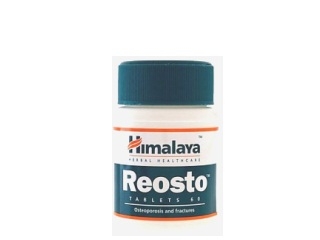


Reosto (Carbimazole) – Patient-Friendly Guide
Reosto is a medicine used to treat an overactive thyroid (hyperthyroidism). It contains the active substance carbimazole, which helps reduce thyroid hormone production. This guide explains how Reosto works, how it is typically taken, expected effects, important safety information, and what to consider regarding food, alcohol, and other medicines—tailored for readers in the United Kingdom.
Key Product Information
- Medicinal product: Reosto
- Active ingredient: Carbimazole
- What it’s used for: Hyperthyroidism (including Graves’ disease in many cases)
- How it works: Reduces production of thyroid hormones
- Available form: Oral tablets (strengths and pack sizes can vary—check your specific pack)
Important: Always follow the instructions on your label and the advice you receive from your healthcare professional. The information below is general and may not replace individualised guidance.
How Reosto Works (Mechanism of Action)
Carbimazole is a thionamide medicine. It works by interfering with the thyroid’s ability to make thyroid hormones.
After you take carbimazole, it is converted in the body to an active form (commonly described as methimazole). The active compound helps block an enzyme called thyroid peroxidase. This reduces:
- Hormone synthesis (especially T3 and T4)
- Further production driven by an overactive thyroid
As thyroid hormone levels fall back towards normal, symptoms such as palpitations, anxiety, tremor, heat intolerance, and weight change typically begin to improve.
Typical Use and Indications
Reosto is commonly used to manage conditions where thyroid hormone levels are too high. In the UK, it may be used for:
- Hyperthyroidism due to overactive thyroid tissue
- Graves’ disease (an autoimmune cause of hyperthyroidism)
- Preparing for other treatments (for example, before definitive therapy such as surgery or radioactive iodine, depending on your clinician’s plan)
Your healthcare team will decide the most suitable approach based on your diagnosis, blood test results, overall health, and treatment goals.
When to Take Reosto (Timing and Routine)
Reosto is taken by mouth. The exact dosing schedule depends on your condition and blood test results.
Common practical timing tips
- Take it at the same time(s) each day to help keep consistent levels.
- Use the number of tablets and frequency provided by your clinician or printed on the label.
- If you are taking it once daily, choose a time that fits your routine and is easy to remember.
- If you are taking it more than once daily, try to space doses evenly through the day.
Do not change your dose without advice, even if you feel better. Symptoms may improve before blood tests fully stabilise.
How Long Until Reosto Starts Working?
People often notice symptom improvement within days to a couple of weeks, but it can take longer for thyroid blood tests (such as TSH, free T4, and T3) to normalise.
- Early effects: may begin within days
- Ongoing control: usually reviewed at regular intervals
- Dose adjustments: may be needed as your thyroid levels change
Regular blood monitoring is an important part of safe use.
Pharmacokinetics (Absorption, Distribution, Metabolism, and Elimination)
Pharmacokinetics describe how the body handles a medicine. While the exact values can vary between individuals, the following gives a patient-friendly overview:
- Absorption: Carbimazole is absorbed after oral dosing.
- Conversion: Carbimazole is converted to an active form in the body, which contributes to the anti-thyroid effect.
- Onset of action: anti-thyroid effects generally begin after absorption and conversion.
- Metabolism and elimination: the active and inactive metabolites are processed by the body and eliminated primarily through natural metabolic pathways (exact routes may vary).
Because thyroid hormone levels can lag behind symptom changes, your blood tests are essential to guide dosing over time.
Food Interactions and What to Expect
In general, carbimazole can usually be taken with or without food. However, consistency can be helpful.
- If your stomach feels sensitive, taking Reosto with food may improve comfort.
- If you experience nausea, discuss strategies with your pharmacist or clinician.
- Follow your label instructions or prescriber’s advice for specific regimens.
Note on diet and thyroid function: Although no single food “interferes” in the same way as some drug-to-drug interactions, large changes in dietary iodine intake (for example, from certain supplements) may affect thyroid activity. If you use supplements, especially those containing iodine, ask a healthcare professional for advice.
Alcohol and Medicine Interactions
There is no universal statement that small amounts of alcohol are strictly unsafe for everyone taking carbimazole. However, alcohol can affect liver health and can worsen general wellbeing, and carbimazole can (rarely) affect the liver.
- Consider avoiding or limiting alcohol while you are starting treatment, until you know how your body responds.
- If you notice yellowing of the skin/eyes, unusual dark urine, severe tiredness, or persistent nausea—seek medical advice promptly.
- Alcohol may also increase the risk of missing doses or delaying follow-up blood tests.
Always inform your healthcare professional about your alcohol intake and any liver conditions.
Medicine Interactions (Other Drugs)
Reosto may interact with other medicines. Some interactions can be significant, particularly those affecting blood cells or the liver.
Examples of medicines to discuss
- Other medicines that affect the immune system or blood cell counts
- Medicines that may affect the liver (including some antibiotics, anti-seizure medicines, and others)
- Warfarin and anticoagulants: changes in thyroid status can influence clotting control, so INR may require closer monitoring when thyroid hormones change
- Digitalis (digoxin) (if used): thyroid changes can alter sensitivity and effect
- Other thyroid treatments (as guided by your plan)
This is not a complete list. Please check with a pharmacist or prescriber if you take any regular medicines, including herbal products and supplements.
Dosing Information (Typical Approach)
Dosing for Reosto is individual and based on thyroid test results and clinical response. Your clinician may start at a dose intended to bring thyroid hormones down, then adjust over time.
General dosing principles
- Initial dose: chosen based on severity and blood test findings.
- Maintenance dose: often lower once thyroid levels improve.
- Monitoring: regular blood tests guide dose changes.
- Do not self-adjust: small dose changes can matter for thyroid control and safety.
Patient guidance: Because strengths and regimens can vary, the safest approach is to use the exact dosing instructions on your label.
Safety Profile: Warnings and Side Effects
Like all medicines, Reosto can cause side effects. Many people tolerate carbimazole well, but it can occasionally cause serious problems. Learn the warning signs so you can act quickly.
Common side effects (may occur)
- Nausea or stomach discomfort
- Headache
- Skin reactions such as rash or itching
- Joint pains (in some people)
Serious but uncommon risks (seek medical help promptly)
Serious reactions are rare but important.
- Low white blood cells (agranulocytosis): can increase infection risk.
- Symptoms to watch: fever, sore throat, mouth ulcers, or other signs of infection.
- Liver problems: symptoms may include yellow skin/eyes, dark urine, persistent nausea, severe fatigue.
Immediate action: If you develop signs of infection (especially fever or sore throat) or symptoms suggesting liver problems, contact urgent medical services or NHS 111 promptly, and inform them you take carbimazole.
Pregnancy and breastfeeding (important)
Thyroid control is crucial during pregnancy. If you are pregnant, trying to conceive, or breastfeeding, discuss treatment options urgently with your specialist. Your clinician will review the risks and benefits and may adjust monitoring and medicines.
Practical Use Tips for Best Results
- Keep to your schedule: set phone reminders for doses.
- Attend blood tests: these guide safety and dose changes.
- Track symptoms: palpitations, tremor, heat intolerance, weight changes, and fatigue—note changes and share at reviews.
- Watch for warning signs: fever, sore throat, mouth ulcers, rash, or yellowing of the skin/eyes.
- Don’t stop suddenly: stopping without advice can cause thyroid levels to rise again.
- Keep a current medicine list: for you and for any emergency care.
Monitoring Requirements
Reosto requires ongoing monitoring to ensure:
- Thyroid hormone levels are brought under control
- Adverse effects are detected early
Your clinician may schedule blood tests for thyroid function and blood cell counts. If you experience warning symptoms, testing may be done urgently.
Alternative Options (What Might Be Used Instead)
Depending on your diagnosis and medical history, your clinician may consider alternatives such as:
- Other anti-thyroid medicines (for example, similar medicines in the same class)
- Radioiodine therapy (definitive treatment in some cases)
- Surgery (thyroidectomy in selected situations)
- Symptom control medicines such as beta-blockers to reduce palpitations and tremor (often used alongside thyroid control therapy, as advised)
Choice depends on factors including age, severity, cause of hyperthyroidism, pregnancy status, and local clinical protocols in the UK.
UK Market and Legal/Regulatory Context
In the United Kingdom, medicines are regulated by the Medicines and Healthcare products Regulatory Agency (MHRA). Products like Reosto are supplied under UK medicines regulation, and patient information is provided through the UK’s medicines framework (including patient information leaflets for specific brands and formulations).
For hyperthyroidism care, UK clinical practice emphasises:
- Baseline and ongoing monitoring using appropriate blood tests
- Risk awareness (particularly symptoms suggesting infection or liver involvement)
- Clear patient guidance on when to seek help urgently
Local prescribing and dispensing arrangements can vary by NHS service and individual clinician decisions.
Recent Guidance and Clinical Updates (General Overview)
Clinical guidance for hyperthyroidism management is periodically updated to reflect new evidence and safety monitoring practices. While specific updates may vary, key themes typically include:
- Ensuring timely blood monitoring and dose adjustment to achieve stable thyroid levels
- Maintaining patient education about rare but serious side effects
- Discussing treatment choice carefully for pregnancy and breastfeeding
- Coordinating care where symptom relief medicines (e.g., beta-blockers) are used
Your clinician will use the latest NHS/UK-aligned recommendations when deciding dosing and follow-up frequency.
Delivery and Availability in the UK
Reosto availability depends on stock levels and the specific tablet strength. Many UK online pharmacies can deliver to eligible postcodes within mainland UK, with delivery times varying by supplier and service.
- Availability: subject to prescription/availability requirements and local pharmacy processes
- Delivery: often standard or express options may be offered (check the checkout page)
- Packaging: medicines are typically dispatched in secure packaging suitable for postal delivery
- Tracking: some services provide delivery tracking
If you have questions about delivery options, stock, or expected dispatch times, contact the online pharmacy customer service before ordering.
FAQ – Reosto
1) What is Reosto used for?
Reosto is used to treat hyperthyroidism, helping lower excessive thyroid hormone production. It is commonly used for conditions such as Graves’ disease, as determined by your clinician.
2) How quickly will I feel better?
Some symptoms may start improving within days, but it usually takes longer to stabilise thyroid blood test results. Your treatment plan may involve dose adjustments over time based on monitoring.
3) Should I take Reosto with food?
Reosto can often be taken with or without food. If it upsets your stomach, taking it with food may help. Try to take it consistently each day.
4) Can I drink alcohol while taking Reosto?
It’s generally wise to limit alcohol. Carbimazole can rarely affect the liver, so avoid heavy drinking and seek urgent advice if you notice symptoms such as jaundice, dark urine, or severe fatigue.
5) Are there important interactions with other medicines?
Yes. Drug interactions can occur, particularly with medicines affecting the liver or blood counts, and with anticoagulants where clotting control can change as thyroid levels change. Tell your pharmacist about everything you take, including supplements.
6) What side effects should I watch for urgently?
Seek prompt medical advice if you develop fever, sore throat, mouth ulcers (possible low white blood cells) or signs of liver problems such as yellowing of the skin/eyes or dark urine.
7) Will I need blood tests?
Yes. Regular monitoring of thyroid function (and often blood cell counts) helps ensure effective treatment and early detection of side effects.
8) Can I stop taking Reosto when I feel well?
Do not stop without medical advice. Even if symptoms improve, thyroid hormone levels may still require stabilisation and continued monitoring.
9) What if I miss a dose?
Follow the advice provided on your medication label or by your pharmacist. In general, do not take a double dose to make up for a missed tablet.
10) What alternatives exist if Reosto doesn’t suit me?
Alternatives may include other anti-thyroid medicines, symptom-relief medicines, radioiodine therapy, or surgery—depending on the cause of your hyperthyroidism and your personal circumstances.
Summary Table: What to Remember About Reosto
| Topic | Key Points for Patients |
|---|---|
| Medicine | Reosto (carbimazole) – oral anti-thyroid medicine |
| What it does | Reduces thyroid hormone production by blocking thyroid peroxidase |
| When it helps | May improve symptoms within days; blood tests take longer to stabilise |
| How to take | Typically once or more daily as directed; take consistently at set times |
| Food | Often can be taken with or without food; consistency is helpful |
| Alcohol | Limit alcohol; seek medical help if liver-related symptoms occur |
| Monitoring | Regular blood tests help adjust dose and ensure safety |
| Urgent symptoms | Fever/sore throat/mouth ulcers or jaundice/dark urine—seek prompt advice |
| Alternatives | Other anti-thyroid medicines, radioiodine, surgery, and symptom relief medicines |
Need personalised guidance? If you have questions about your specific dose, monitoring schedule, or suitability, speak to your pharmacist or prescriber. They can also advise on interactions with your existing medicines and supplements.