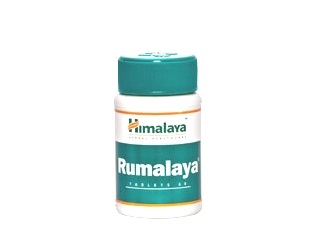
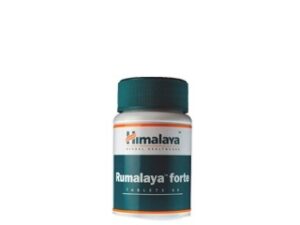
Rumalaya (Ayurvedic Herbal Medicine) – Patient Guide (UK)
Rumalaya is a well-known herbal medicine used for the relief of painful, inflammatory conditions, particularly those affecting joints and muscles. It is commonly chosen by people who want an over-the-counter option to help manage discomfort associated with everyday mobility, stiffness, and soreness.
This guide is designed to be patient-friendly and helps you understand what Rumalaya is, how it may work, how it is typically used, and important safety and interaction considerations for the United Kingdom.
Quick overview
- Product: Rumalaya (herbal anti-inflammatory/pain relief product; available in different formulations in the UK market)
- Common areas of use: Joint pain, muscular aches, stiffness
- How it may work: Helps reduce inflammation and supports pain relief pathways
- Typical use: Short-term or intermittent use during flare-ups, or as advised on the pack
- UK availability: Sold online via UK pharmacies/retailers depending on stock and format
Basic product information
Rumalaya is an herbal medicinal product associated with anti-inflammatory and analgesic (pain-relieving) effects. The exact composition can vary by formulation and supplier. In the UK, products may be labelled as herbal or traditional medicines depending on the registered status and manufacturer.
Important: Always check the specific pack you are buying for the exact ingredients, strength, and recommended dosing schedule. If you take other medicines, confirm compatibility with a healthcare professional or pharmacist.
What forms may be available?
In the UK market, Rumalaya products are commonly encountered in oral dosage forms (e.g., tablets/capsules). Availability can differ by retailer. Some sellers may also carry topical or different variant products under the Rumalaya name—please verify your product’s label.
How Rumalaya works (mechanism of action)
Rumalaya is traditionally used to help relieve pain and inflammation. While the precise mechanism depends on the product’s ingredient profile, herbal anti-inflammatory medicines generally aim to:
- Reduce inflammatory signalling: Some herbal constituents are thought to influence pathways involved in inflammation.
- Support joint comfort: By targeting inflammatory processes, the medicine may help ease discomfort related to joints and soft tissue.
- Contribute to pain relief: Anti-inflammatory action can indirectly reduce pain by lowering swelling and inflammatory mediator release.
What you can realistically expect: Many users report improvement in aches and stiffness over days rather than immediate, instant relief. If symptoms are severe, persistent, or worsening, medical advice is important.
Pharmacokinetics (what happens in the body)
For many herbal products, full pharmacokinetic studies (absorption, distribution, metabolism, and elimination) may be limited or vary by formulation. However, the general pattern for oral herbal medicines is:
- Absorption: Active constituents are absorbed through the gastrointestinal tract to varying degrees.
- Distribution: Constituents distribute into body tissues where inflammatory processes may be present.
- Metabolism: Many herbal compounds are metabolised by liver enzymes.
- Excretion: Metabolites are primarily eliminated through the kidneys and/or biliary system.
Why this matters: Absorption and metabolism can be affected by food, liver function, and interactions with other medicines. If you have liver disease, take multiple medicines, or are pregnant/breastfeeding, seek personalised advice.
Typical uses and indications (UK patient perspective)
Rumalaya is typically used for the temporary relief of symptoms associated with:
- Joint discomfort (e.g., aches and stiffness)
- Muscle pain and soreness
- Inflammatory flare-ups where pain is linked to inflammation
Not a cure for underlying disease: Herbal pain-relief products may help symptoms but may not address the root cause of joint disease. If you have a diagnosed condition such as rheumatoid arthritis, osteoarthritis, gout, or inflammatory joint disorders, continue your established care plan and consult a clinician for persistent symptoms.
When to take Rumalaya (timing and routine)
Follow the dosing instructions on your specific pack. Timing depends on the formulation and recommended schedule, but a common approach for oral pain-relief medicines is:
- Consistency: Take at the same times each day if a multi-dose schedule is recommended.
- During symptoms: Use during periods when you notice increased stiffness or pain.
- Allow time to work: Herbal medicines may require several days of regular use before you notice the full benefit.
If you miss a dose: Take it when you remember unless it’s nearly time for the next dose. Do not take a double dose.
Dosing (how much to take)
Dose can vary by product strength and formulation. For safe use, always follow the directions on the package or the retailer’s product page.
As a general example format (not a substitute for your pack instructions), many over-the-counter herbal products are taken:
- Adults: Typically multiple doses per day depending on the product.
- Children: Many products are not recommended for children unless specifically indicated on the label. Do not use for children without professional advice.
- Older adults: Usually can take adult doses, but extra caution is advised if there are kidney/liver issues or multiple medications.
Stop and seek advice if: pain worsens, new swelling occurs, or symptoms persist beyond the timeframe described on the label.
Food interactions
Food effects can influence the absorption and tolerance of oral medicines. While Rumalaya herbal products may be taken with or without food depending on the formulation, the following practical guidance is generally helpful:
- Take with food if you get stomach upset (e.g., nausea or indigestion).
- Maintain consistency: if you usually take it with meals, keep the routine to avoid variability.
- Avoid very high-fat meals if your product label advises, as fat can sometimes affect absorption of herbal constituents.
Check the pack: For any specific “take with/without food” instructions, follow those directions.
Alcohol and medicine interactions
Combining herbal medicines with alcohol may increase the risk of stomach irritation or dizziness in some people. Alcohol can also affect liver metabolism of many compounds.
- General advice: Limit or avoid alcohol while taking Rumalaya, particularly if you notice side effects.
- Be cautious if you take other medicines: Herbal constituents can interact with certain drug classes via liver enzyme pathways.
Seek pharmacist advice before combining Rumalaya with any of the following (examples):
- Blood-thinning medicines (e.g., warfarin or other anticoagulants)
- Anti-platelet medicines (e.g., clopidogrel)
- Diabetes medicines (due to potential effects on blood sugar regulation depending on ingredients)
- Immunosuppressants (due to possible effects on immune pathways)
- Other herbal supplements (to avoid duplication and unknown combined effects)
Do not start or stop prescribed medicines because of taking an OTC herbal product.
Safety profile and side effects
Most people tolerate Rumalaya well when used according to label instructions. However, as with any medicine, side effects are possible.
Common side effects
Reported side effects for herbal oral medicines often relate to the digestive tract, such as:
- Stomach discomfort
- Nausea
- Indigestion
- Occasional changes in appetite
Less common but important risks
- Allergic reactions: Stop use and seek help if you develop rash, itching, swelling, or breathing difficulties.
- Liver concerns (rare): If you develop yellowing of the skin/eyes, dark urine, severe fatigue, or persistent nausea, seek urgent medical advice.
- Bleeding risk (theoretical/ingredient dependent): If you bruise easily, have unusual bleeding, or are on blood thinners, get professional advice.
Who should be cautious?
Talk to a pharmacist or clinician before using Rumalaya if you:
- Are pregnant or breastfeeding
- Have liver disease or a history of abnormal liver function
- Have kidney disease
- Take multiple medicines, especially blood thinners or long-term treatments
- Have a known allergy to any herbal ingredients
- Are planning surgery or dental procedures (medication interactions can matter)
Practical use tips (how to get the best results)
- Start when symptoms begin: Many users find benefit when they start as stiffness/pain increases rather than after symptoms become severe.
- Keep notes: Track pain/stiffness before and after starting to judge effectiveness.
- Combine with safe movement: Gentle stretching and low-impact activity may improve mobility alongside symptom-relief medicines.
- Use heat or cold appropriately: Heat often helps stiffness; cold may help acute inflammation after an activity flare.
- Stay hydrated and watch digestion: If you experience stomach upset, take with food and reassess.
- Do not exceed label dose: More is not necessarily better and may increase side effects.
When to seek medical advice urgently: If you have severe joint swelling, fever, unexplained weight loss, symptoms that rapidly worsen, chest pain, or trouble breathing—get urgent medical care.
Alternative options (UK over-the-counter and pharmacy routes)
If Rumalaya isn’t suitable or doesn’t provide enough relief, there are other symptom-relief options. The best choice depends on your medical history and current medicines.
Other over-the-counter approaches
- Topical anti-inflammatory gels (e.g., diclofenac-containing products where available OTC depending on UK licensing)
- Paracetamol for pain relief (if suitable for you)
- Topical pain relief creams for muscular aches
- Heat/cold therapy and physiotherapy exercises
Prescription/clinician-led options (if needed)
If you have persistent inflammatory joint disease or inadequate symptom control, clinicians may consider targeted treatments based on diagnosis (e.g., arthritis management plans). Always discuss options with a healthcare professional.
Pharmacist tip: Bring a list of your medicines to compare interaction risks and pick the safest alternative.
Market and legal context in the United Kingdom
In the UK, medicines are regulated by the Medicines and Healthcare products Regulatory Agency (MHRA) and must meet specific standards for quality, safety, and (where applicable) effectiveness. Herbal products may be marketed under different regulatory routes depending on their claims and whether they meet criteria for traditional use.
What this means for you:
- Always rely on the product label and patient information leaflet supplied with the specific item you purchase.
- UK online pharmacy listings typically include category, dosage, and safety information—use it as your first reference.
- Do not treat OTC herbal products as a substitute for diagnosis of serious conditions.
Recent guidance (general UK advice for herbal/OTC use)
Recent public and healthcare messaging in the UK commonly focuses on safe self-care, including:
- Checking ingredients and confirming compatibility with existing medicines
- Using only as directed on the label
- Seeking professional advice for ongoing symptoms, red-flag signs, or complex medical histories
- Being cautious with multiple herbal products taken at the same time
Because regulatory status and guidance can change, always review the information on the product you buy and consult a pharmacist if you’re unsure.
Delivery and availability (UK)
Rumalaya is commonly available through UK online pharmacies and herbal/health retailers. Availability can vary by:
- Formulation (tablet/capsule variants)
- Stock levels and supplier schedules
- Regional distribution
Delivery expectations:
- Delivery times usually depend on the dispatch point and shipping method selected at checkout.
- Most reputable UK retailers provide tracking once your order is dispatched.
- Store the product as directed on the pack (often in a cool, dry place away from direct sunlight).
Packaging and storage: Keep your medicine in its original packaging and keep it out of reach of children.
FAQ – Rumalaya (UK)
Is Rumalaya suitable for everyone?
Not necessarily. If you are pregnant or breastfeeding, have liver/kidney disease, take blood thinners, or have known allergies, check with a pharmacist before use and follow the pack instructions.
How long does it take to work?
Many people notice some improvement within a few days, but herbal anti-inflammatory symptom relief can vary. If there is no improvement after the timeframe recommended on the label, consider speaking to a healthcare professional.
Can I take Rumalaya with other painkillers?
Sometimes it may be possible, but it depends on what you take. For safe use, consult a pharmacist—especially if combining with paracetamol or anti-inflammatory medicines, or if you are taking multiple products.
Should I take Rumalaya with food?
If the product label does not specify, many people choose to take herbal oral medicines with food to reduce stomach upset. Use the instructions on your specific pack as the source of truth.
Can I drink alcohol while using Rumalaya?
It’s generally best to limit or avoid alcohol because it may increase side effects and affect how your body metabolises medicines. If you plan to drink, discuss it with a pharmacist.
What side effects should I watch for?
Watch for digestive upset (mild) and stop use if you notice signs of allergy. Seek medical help if you experience symptoms suggesting liver problems (e.g., yellow skin/eyes, dark urine) or severe/worsening symptoms.
Can Rumalaya be used long term?
Many OTC symptom-relief products are intended for intermittent use. If you need ongoing daily pain relief, it’s important to speak with a pharmacist or clinician to ensure the underlying cause is appropriately managed.
What if I miss a dose?
Take it when you remember unless it’s almost time for the next dose. Do not double up.
Are there alternatives if I can’t take it?
Yes—options may include topical therapies, paracetamol (if suitable), heat/cold therapy, and physiotherapy-led approaches. Your best alternative depends on your health history and other medicines.
Summary
Rumalaya is a herbal medicine used for the relief of painful, inflammatory discomfort commonly linked to joints and muscles. When used as directed and alongside sensible self-care (gentle movement, appropriate heat/cold), it may help reduce stiffness and soreness. As with all medicines, pay attention to the pack instructions, consider potential interactions (including alcohol and other medicines), and seek medical advice if symptoms persist or worsen.
Always check your specific product label for the exact ingredients and dosing instructions, and consult a pharmacist if you have any concerns.