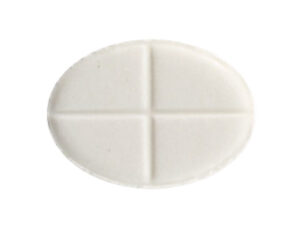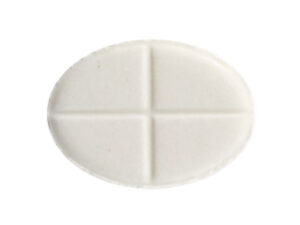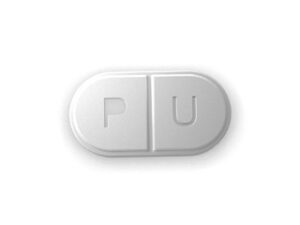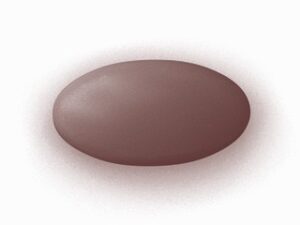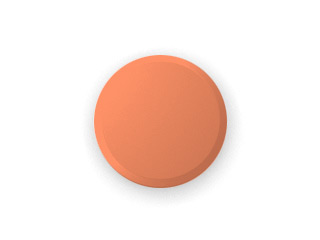
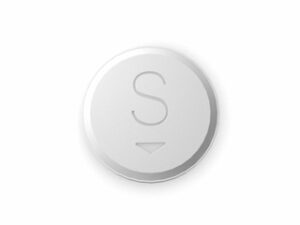
Diane 35 (Cyproterone acetate 2 mg / Ethinylestradiol 35 micrograms) – Patient Information
Diane 35 is a combined oral contraceptive medicine containing cyproterone acetate and ethinylestradiol. In the UK, it is used for both contraception and specific hormone-related skin conditions. This page explains what Diane 35 is, how it works, how to take it safely, and important precautions.
Always read the patient information leaflet supplied with your medicine and consult a healthcare professional if you are unsure whether Diane 35 is suitable for you.
1. Basic product information
- Medicinal ingredients: Cyproterone acetate 2 mg + Ethinylestradiol 35 micrograms
- Type of medicine: Combined oral contraceptive (COC) with an anti-androgen
- How it is taken: Tablet by mouth, once daily
- Pack format (typical): 21 active tablets followed by a 7-day break (or placebo period depending on pack)
- Common brand name: Diane 35
Note for UK availability: Product availability and pack contents can vary by supplier. Your online pharmacy listing will show the exact pack size and tablet schedule.
2. What Diane 35 is used for
Diane 35 can be used for two main reasons:
- Contraception (to prevent pregnancy)
- Acne and other androgen-related skin problems in people who also want contraception
It is particularly considered when symptoms are linked to increased androgen effects, such as:
- Acne (including acne that has not responded adequately to other treatments)
- Hair growth on the face or body (hirsutism)
- Severe oily skin associated with androgen sensitivity
Important: Diane 35 is not intended for routine acne treatment for everyone. In the UK, clinicians generally consider other acne therapies and assess suitability and risk factors before prescribing.
3. How Diane 35 works (mechanism of action)
Diane 35 combines two medicines with complementary actions:
- Ethinylestradiol (an oestrogen):
- Helps suppress ovulation by regulating hormones that control the menstrual cycle.
- Increases sex hormone binding globulin (SHBG), which reduces the level of free androgens.
- Cyproterone acetate (an anti-androgen):
- Blocks androgen receptors and reduces androgen effects in target tissues.
- Helps improve acne and hirsutism by counteracting excessive androgen activity.
Overall: Diane 35 reduces androgen activity and stabilises hormonal patterns, which can improve skin symptoms over time while also providing contraceptive protection.
4. Pharmacokinetics (how the body handles it)
“Pharmacokinetics” describes how a medicine is absorbed, distributed, metabolised, and eliminated.
Absorption
- Both hormones are absorbed through the gut after oral administration.
- Peak blood levels generally occur within a few hours of taking a tablet.
Distribution
- Ethinylestradiol largely binds to plasma proteins.
- Cyproterone acetate is also highly protein-bound and distributes into tissues where hormone receptors are present.
Metabolism
- Both components are metabolised mainly in the liver.
- Cyproterone acetate is metabolised through steroid pathways; ethinylestradiol undergoes hepatic metabolism and enterohepatic recycling.
Elimination
- Metabolites are eliminated primarily via urine and faeces.
- Elimination is not immediate; hormones may persist in the body for several days.
Why this matters: Because the hormones persist for a while, missing doses can reduce effectiveness—especially if doses are missed early in a cycle or if interacting medicines are used.
5. Timing and how to take Diane 35
Diane 35 is taken as a once-daily oral tablet. Consistency is essential for contraceptive protection and for predictable symptom control.
Starting
- Day 1 start: Take your first tablet on the first day of your period.
- Alternative start: If starting at another time, you may need additional contraception for a period—follow the instructions provided with your pack and by your healthcare professional.
During use
- Take the tablet at the same time every day.
- Swallow whole with water if needed.
- If your pack includes a break/placebo interval, maintain the schedule as directed (your bleed is typically withdrawal bleeding).
What to expect
- Contraception: Effectiveness depends on proper start timing and no missed tablets.
- Skin symptoms: Improvement can take several months. Acne and hirsutism may continue to improve gradually.
6. Food interactions
Food does not usually have a clinically important effect on how Diane 35 works.
- You can take Diane 35 with or without food.
- If the medicine upsets your stomach, taking it with a meal or at bedtime may help.
However: vomiting or severe diarrhoea can affect absorption (see “practical use tips” below).
7. Alcohol and medicine interactions
Alcohol
- Moderate alcohol intake is not expected to directly reduce contraceptive effectiveness.
- Heavy alcohol use may indirectly increase missed doses, and can affect liver function in some people.
Medicine interactions (important)
Some medicines can lower hormone levels by increasing metabolism (for example, via liver enzyme induction). This can reduce contraceptive reliability and may worsen symptoms.
Tell your pharmacist or prescriber if you take:
- Anti-epileptics (e.g., phenytoin, carbamazepine, topiramate where applicable)
- Rifampicin or rifabutin (antibiotics for certain infections)
- Some treatments for HIV
- St John’s wort (a herbal remedy)
- Some antifungal medicines and other liver-metabolised drugs
Also consider: medicines for migraines, certain antibiotics (some may interact), and supplements. Even “natural” products can interact.
Practical rule: If starting, stopping, or changing any medicine, ask whether you need extra contraceptive protection.
8. Indications and suitability in the UK
In the UK, Diane 35 is used when both of the following are relevant:
- Contraception is wanted
- Androgen-related conditions such as acne and/or hair-related symptoms require hormonal treatment
Safety note: Combined oral contraceptives can increase the risk of certain serious conditions (see safety profile). Suitability depends on personal and family history, smoking status, age, migraine type, blood clot risk, and other health factors.
Your clinician will usually assess:
- Risk factors for blood clots (venous thromboembolism)
- Risk factors for stroke (including migraine with aura)
- Whether you have uncontrolled high blood pressure
- Any history of liver disease or certain cancers
- Smoking habits and age
9. Dosing guidance (standard regimen)
Diane 35 is typically taken as follows:
| Stage | How to take | Typical purpose |
|---|---|---|
| Active phase | 1 tablet daily for the active days in your pack | Contraception and anti-androgen effect |
| Break/placebo phase | Follow your pack schedule (often a 7-day break) | Withdrawal bleeding and next cycle timing |
| Next pack | Start the next pack after the break as directed | Maintain hormone levels and protection |
If you miss tablets: Missing doses can reduce effectiveness. The correct action depends on how many tablets were missed and when in the cycle the missed doses occurred. Use the guidance in your leaflet and consider using extra contraception (such as condoms) until you have taken tablets correctly again.
10. Safety profile and key warnings
Combined oral contraceptives are generally well tolerated, but they carry important risks. It is essential to know what requires urgent medical attention.
Common side effects
- Nausea
- Headache (including migraine changes)
- Breast tenderness
- Spotting or breakthrough bleeding, especially in the first months
- Changes in mood
- Changes in libido
Serious risks (seek urgent help if symptoms occur)
-
Blood clot in the leg (DVT) or lung (PE):
- Unilateral leg swelling, pain, warmth, or redness
- Sudden shortness of breath, chest pain, coughing blood
-
Stroke or heart attack:
- Sudden weakness or numbness on one side
- Difficulty speaking, face drooping
- Sudden severe headache or vision changes
- Chest pain
-
Liver problems or jaundice:
- Yellowing of skin or eyes
- Severe abdominal pain
- Dark urine
-
Severe allergic reaction (rare):
- Swelling of face/lips, difficulty breathing, widespread rash
Stop use and seek urgent medical advice if you develop symptoms suggesting a clot or stroke.
Who may need extra caution or should not use Diane 35
Diane 35 may be unsuitable if you:
- Smoke and are over a certain age (risk increases with age and number of cigarettes)
- Have migraine with aura
- Have a current or previous history of blood clots
- Have certain clotting disorders
- Have uncontrolled high blood pressure
- Have severe liver disease
- Have certain hormone-dependent cancers or unexplained vaginal bleeding
- Are postpartum or have other timing-related clot risk factors
Because contraindications vary by individual circumstances, a healthcare professional should confirm suitability for your health profile.
11. Practical use tips (getting the best results safely)
- Set a daily reminder (phone alarm or calendar) to reduce missed doses.
- Take at a consistent time. If you’re late by a few hours, take it as soon as you remember unless the leaflet indicates otherwise.
- Vomiting/diarrhoea: If you vomit shortly after taking a tablet or have severe diarrhoea, the tablet may not have been absorbed. Follow leaflet guidance and consider extra contraception if relevant.
- Use additional contraception if you miss pills or start during a cycle at times that require cover.
- Track bleeding: Spotting is common early on. If bleeding becomes heavy, persistent, or unusual, seek advice.
- Do not skip the break unless directed. Your schedule affects bleeding pattern and consistency of hormone exposure.
12. Alternative options (discuss with a clinician/pharmacist)
If Diane 35 doesn’t suit you, there are several alternatives. The best choice depends on whether you need contraception, acne control, hair-related symptoms, and your personal risk factors.
Contraceptive alternatives
- Other combined oral contraceptives (different progestogens and oestrogen doses)
- Progestogen-only contraception (e.g., pill formulations, injections, implant)
- Non-oral methods (e.g., patch or ring—availability varies)
Acne/hirsutism treatments
- Topical acne treatments (retinoids, benzoyl peroxide, topical antibiotics where appropriate)
- Oral antibiotics for limited courses in selected cases
- Anti-androgen therapy alternatives (specialist assessment required)
- Dermatology referral when symptoms are severe or persistent
Important: Some acne medicines (particularly those with pregnancy risk) require reliable contraception. If you switch treatments, ask for advice on timing and compatibility.
13. UK market and legal context
Diane 35 has been used in the UK for many years. Like other combined oral contraceptives, it is regulated by UK medicines authorities and supplied through channels that follow UK prescribing and safety rules.
Safety monitoring: Medicines are continuously monitored. Regulatory bodies may issue updates based on safety data, and healthcare professionals may update guidance on appropriate use—particularly for medicines with known clot risk and those used for acne/hormonal indications.
Recent guidance (high level): UK clinical practice has continued to emphasise careful patient selection, assessment of clot and stroke risk, and consideration of alternative acne treatments where appropriate. If you are already using Diane 35, you should not stop or change your medicine without medical advice—however, review your risk profile regularly.
14. Delivery and availability (UK online pharmacy)
Availability can vary depending on stock levels and pack size. Most UK online pharmacies aim to deliver promptly and securely.
- Ordering: Choose the correct pack size shown on the product page.
- Dispatch: Orders are typically processed on working days.
- Delivery: Delivery methods may include tracked postal services. Estimated delivery times are usually displayed at checkout.
- Packaging: Medicines are delivered in tamper-evident packaging where possible.
Storage: Store tablets according to the leaflet—typically at room temperature, away from moisture and direct heat. Keep out of sight and reach of children.
15. FAQ
1) How quickly will Diane 35 improve acne?
Many people start to notice changes after several weeks, but clearer improvement often takes 3–6 months. Hirsutism and deeper hormonal skin issues may take longer.
2) Does Diane 35 also protect against pregnancy?
Yes—when taken correctly, it provides contraceptive protection. However, effectiveness can be reduced if you miss tablets, start the first pack at the wrong time, or take interacting medicines. Follow the leaflet guidance and consider extra contraception when needed.
3) What should I do if I miss a tablet?
The action depends on how many tablets were missed and where you are in the pack. Follow the missed-dose instructions in your patient leaflet. If there is uncertainty, use condoms and seek advice from a healthcare professional.
4) Can I take Diane 35 with other medicines?
Some medicines and herbal products can interact and reduce effectiveness. Tell your pharmacist about all medicines you take, including over-the-counter products and supplements.
5) Is it safe to drink alcohol while taking Diane 35?
Moderate alcohol is not generally expected to directly affect Diane 35. If you’re vomiting or have diarrhoea after drinking, absorption may be affected—follow leaflet guidance.
6) Will I still get a monthly bleed?
A withdrawal bleed usually occurs during the break/placebo period, but bleeding patterns can vary. Spotting can happen, especially during the first months.
7) What if I have breakthrough bleeding?
Breakthrough bleeding can be common early on. Continue taking the tablets as directed. If bleeding is persistent, heavy, or unusual, seek medical advice to rule out pregnancy or other causes.
8) Are there warning signs that mean I should stop and get help?
Yes. Seek urgent medical advice for symptoms suggesting a blood clot (one-sided leg swelling, sudden breathlessness, chest pain), stroke (weakness, speech trouble, face drooping), or severe liver problems (yellowing eyes/skin, severe abdominal pain).
9) Can I use Diane 35 if I have migraines?
It may depend on migraine type. Migraine with aura is a key risk factor for some combined oral contraceptives. Discuss your migraine history with a healthcare professional before use.
10) Is Diane 35 suitable for everyone with acne?
No. Suitability depends on your overall health and risk factors. There are other acne treatments and contraceptive options; clinicians typically assess whether hormonal therapy is appropriate for you.
Summary
Diane 35 combines cyproterone acetate and ethinylestradiol to provide contraception and to help treat certain androgen-related conditions such as acne. It works by suppressing ovulation and reducing androgen activity. Like all combined oral contraceptives, it has important safety considerations, particularly regarding blood clot and stroke risk. Taking the tablet at the same time each day and reviewing potential interactions with other medicines helps maximise safety and effectiveness.