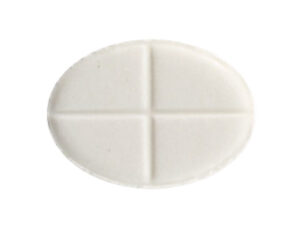
Medrol (Methylprednisolone) – Patient-Friendly Guide (UK)
Medrol is a brand name for methylprednisolone, a corticosteroid (also called a “steroid” medicine). It is used to reduce inflammation and calm overactive immune responses in a range of conditions. This guide explains how Medrol works, how it is typically used, key safety information, and practical tips for taking it.
Always read the patient information leaflet (PIL) supplied with your medicine and follow the advice given by your healthcare professional.
1. Basic product information
- Medicine: Medrol
- Active ingredient: Methylprednisolone
- Medicine type: Corticosteroid (glucocorticoid)
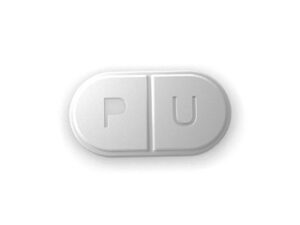
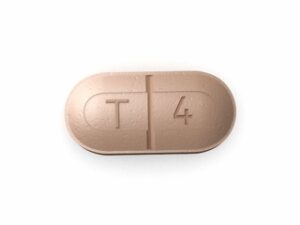
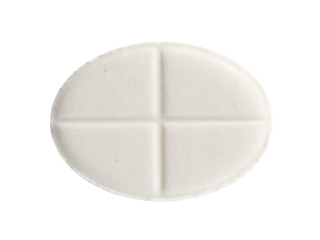
- Common presentation: Tablets in different strengths (strength depends on the product you have)
- Category (UK): Steroid medicine used under clinical supervision for inflammatory and immune-related conditions
Corticosteroids are powerful medicines. The dose and duration vary widely depending on the condition being treated and how severe it is.
2. How Medrol works (mechanism of action)
Methylprednisolone is a glucocorticoid that helps control inflammation and immune system activity.
It acts by:
- Reducing inflammatory chemicals released by the immune system.
- Suppressing immune activity involved in allergic reactions and autoimmune conditions.
- Stabilising cell responses that contribute to swelling, redness, pain, and tissue damage.
- Influencing metabolism and stress responses in a way that can affect blood sugar, appetite, and fluid balance.
Important: Medrol treats the symptoms and inflammatory/immune process, but it may not “cure” the underlying condition. In many conditions, healthcare professionals combine steroids with other medicines for longer-term control.
3. Pharmacokinetics (how your body handles Medrol)
Pharmacokinetics describes how the body absorbs, distributes, metabolises, and eliminates a medicine.
- Absorption: When taken by mouth, methylprednisolone is absorbed through the gastrointestinal tract.
- Distribution: It is distributed throughout the body and affects many tissues, including those involved in inflammation.
- Metabolism: Methylprednisolone is metabolised mainly in the liver.
- Elimination: Metabolites are excreted via the kidneys (urine) and other routes.
Clinically, what matters is that dosing schedules are planned to match how the medicine acts in your body and to reduce side effects, especially when treatment is longer term.
4. Typical uses and indications in the UK
Medrol may be prescribed for a variety of inflammatory and immune-related conditions. Examples can include:
- Inflammatory disorders: Conditions causing significant inflammation where steroid treatment can help control symptoms.
- Autoimmune diseases: Flare-ups where the immune system attacks the body’s own tissues.
- Severe allergic or hypersensitivity reactions: In situations where immune overactivity contributes to symptoms.
- Respiratory inflammatory conditions: Selected cases where airway inflammation needs rapid control.
- Rheumatologic conditions: Some inflammatory joint and soft tissue disorders.
Note: Indications vary by national guidance, local prescribing practice, and the patient’s clinical situation. Always check the PIL for the precise list relevant to your product and formulation.
5. When it starts working and timing
Many people notice an improvement within hours to a few days, depending on the condition being treated and the dose. Some conditions respond quickly; others may take longer.
Typical timing tips:
- Take earlier in the day when possible (often in the morning) to better match the body’s natural hormone rhythm.
- Follow the exact schedule given by your healthcare professional. If you are taking multiple doses per day, spacing may be advised.
- If you experience stomach discomfort, taking it with food may help.
Do not stop suddenly if you have been taking Medrol for more than a short course, as this can cause problems due to possible suppression of your natural steroid production.
6. Dosing (general information)
Dose depends on:
- the condition and severity
- your age and overall health
- other medicines you take
- how you respond to treatment
Common prescribing approaches may include:
- Short-term “burst” or tapering courses for flare-ups.
- Gradual dose reduction after longer courses to avoid adrenal insufficiency.
- Higher doses for severe symptoms under close supervision.
Important: This website content cannot replace individual medical advice. Your healthcare professional will choose an appropriate regimen and may adjust it over time.
7. Taking Medrol with food: interactions with food
Medrol can be taken with or without food, but food may reduce stomach irritation in some people.
Practical food-related guidance:
- With meals: Taking with food can help reduce nausea or stomach discomfort.
- Avoid grapefruit: Grapefruit and grapefruit juice can affect steroid metabolism in some cases. It’s safest to avoid grapefruit unless your healthcare professional says otherwise.
- Stay hydrated: Steroids can affect fluid balance. Drink enough fluids unless you have been advised to limit fluids.
Diet and wellbeing considerations: Steroids may increase appetite and can raise blood sugar. If you have diabetes or prediabetes, monitor your glucose closely and seek advice about diet and any medicine adjustments.
8. Alcohol and medicine interactions
Alcohol: Small amounts of alcohol may not be a direct problem for every person, but it can increase the risk of side effects such as stomach irritation, indigestion, and mood changes. It may also affect blood sugar control and sleep.
Safer approach:
- Consider avoiding alcohol or keeping it minimal during treatment, especially at higher doses.
- If you drink regularly, discuss this with your healthcare professional before starting Medrol.
Medicine interactions: Steroids interact with other medicines through liver enzyme systems and effects on immunity. Key examples include:
- Non-steroidal anti-inflammatory drugs (NSAIDs) (e.g., ibuprofen, naproxen): may increase risk of stomach ulcers/bleeding.
- Anticoagulants (blood thinners such as warfarin): steroids can influence clotting control; close monitoring may be required.
- Diabetes medicines (insulin, metformin, sulfonylureas): steroids can raise blood sugar and may require adjustment.
- Vaccines: live vaccines may not be recommended during significant immunosuppression.
- Antifungals and antibiotics that affect liver metabolism (e.g., some azoles, macrolides): may change steroid levels.
- Rifampicin and some seizure medicines (enzyme inducers): may reduce steroid levels.
- Diuretics (water tablets): combined effects can influence potassium levels.
- Some heart medicines (e.g., digitalis): steroid-related electrolyte changes may increase risk.
Always provide a full list of medicines (including over-the-counter products and herbal supplements) to your healthcare professional or pharmacist.
9. Safety profile and possible side effects
Like all medicines, Medrol can cause side effects. Many people experience few or mild effects, especially during short courses. Risk increases with higher doses and longer duration.
Common side effects
- Increased appetite
- Indigestion or stomach irritation
- Difficulty sleeping (insomnia)
- Feeling “wired,” mood changes
- Fluid retention or swelling
- Raised blood sugar
- Headache
Serious side effects (seek urgent advice)
Stop and seek urgent medical help if you develop:
- Signs of a severe allergic reaction (e.g., swelling of face/lips, difficulty breathing)
- Severe infection symptoms (high fever, rapidly worsening illness, severe sore throat)
- Black/tarry stools, vomiting blood, or severe stomach pain (possible bleeding)
- Severe mood or behavioural changes, confusion, or suicidal thoughts
- Vision problems (e.g., severe eye pain, sudden blurred vision)
Long-term risks (especially with prolonged use)
- Suppressed adrenal gland function (your body may need time to resume normal steroid production)
- Increased risk of infections
- Bone thinning (osteoporosis) and fractures
- Cataracts or glaucoma
- Weight gain and fat redistribution
- High blood pressure and cholesterol changes
- Skin thinning and easy bruising
- Muscle weakness
- Possible effects on growth in children
Monitoring: Depending on your dose and duration, clinicians may monitor blood pressure, blood sugar, weight, bone health, eye health, and infection risk.
10. Practical use tips (UK-friendly)
- Take it at the right time: Often mornings are preferred to reduce insomnia and better align with natural steroid rhythms.
- Use the smallest effective dose for the shortest appropriate time: This reduces side effects.
- Do not stop suddenly: If you have taken it for more than a short course, you may need a gradual reduction plan.
- Take with food if you get indigestion: This can improve tolerability.
- Keep an eye on blood sugar: Especially if you have diabetes or are at risk.
- Protect your stomach if advised: Your pharmacist or clinician may recommend a stomach-protecting medicine in some circumstances, particularly with NSAIDs.
- Infection precautions: Avoid close contact with people who have contagious infections. Report fevers or unusual symptoms quickly.
- Bone health: If you are on longer courses, ask about calcium/vitamin D and whether bone protection is needed.
- Medication list: Carry or keep an up-to-date list of your medicines, including the steroid, for any urgent care visit.
11. Alternative options
Depending on your condition, there may be alternative treatments. Options vary by diagnosis, severity, and patient factors. Alternatives may include:
- Other corticosteroids: Different steroids or different formulations (e.g., prednisolone, dexamethasone, or inhaled steroids for certain respiratory conditions).
- Non-steroidal anti-inflammatory medicines or pain control strategies (when appropriate).
- Immunosuppressant medicines for autoimmune/inflammatory disease control (chosen by a specialist).
- Biologic medicines for selected conditions, often when steroids are not suitable for long-term management.
- Targeted therapies and disease-modifying approaches depending on the condition.
Discuss alternatives with your healthcare professional if you are concerned about side effects, already have risk factors (e.g., diabetes, osteoporosis), or require longer-term treatment.
12. Pharmacovigilance and UK market/legal context
In the UK, prescription medicines and regulated medicines are supplied through channels that support patient safety, appropriate use, and pharmacovigilance. Steroids such as methylprednisolone are well-established medicines, and safety monitoring is a key part of care.
Key points for patients in the UK:
- Use medicines only as directed by a healthcare professional.
- Report side effects to your doctor, pharmacist, or via the UK Yellow Card scheme if advised.
- Follow local guidance for conditions such as asthma, rheumatoid disease, inflammatory bowel disease, and other inflammatory disorders, where steroid use is often part of a broader treatment plan.
Healthcare recommendations can change as new evidence becomes available. Your clinician may use current national guidance (for example, from organisations such as NICE and specialty bodies) when deciding dose, duration, and monitoring.
13. Recent guidance and awareness (general)
While guidance varies by condition, UK and international practice has increasingly focused on:
- Minimising steroid exposure by using the lowest effective dose and shortest effective duration.
- Clear tapering plans when longer courses are used.
- Preventing complications (e.g., bone protection, infection risk management, and monitoring blood pressure and blood sugar).
- Vaccination planning in line with immune status and treatment timing.
If you are currently taking Medrol (or planning to), it is reasonable to ask your healthcare professional about what monitoring and preventive measures apply to your situation.
14. Delivery and availability (UK online pharmacy)
Availability of Medrol depends on the specific tablet strength and current stock levels. When you order online:
- Delivery: Delivery times vary by location and dispatch schedules.
- Packaging: Medicines are normally supplied in secure, tamper-evident packaging.
- Storage: Keep tablets as instructed on the packaging, typically in a cool, dry place away from heat and moisture. Keep out of reach of children.
If a particular strength or pack size is out of stock, customer service may offer alternatives (e.g., different strength tablets) where clinically appropriate and permitted.
15. FAQ
How do I take Medrol tablets?
Take Medrol according to the schedule provided with your medicine. Many people take it in the morning. If you get stomach upset, taking it with food may help. Swallow tablets whole unless your pharmacist advises otherwise.
Can I take Medrol with food?
Yes. Taking Medrol with food can reduce indigestion. Avoid grapefruit products unless your healthcare professional says it is safe.
What happens if I miss a dose?
Take it as soon as you remember if it’s still close to your usual time. If you are near the time of your next dose, skip the missed dose and continue your regular schedule. Do not take a double dose. If you are unsure, consult a pharmacist.
Can I stop Medrol suddenly?
Do not stop suddenly unless your healthcare professional advises it. If you have taken Medrol for more than a short course, your body may need a gradual dose reduction to avoid adrenal insufficiency.
How long does Medrol stay in the body?
Effects can last beyond the exact dosing time. Individual clearance varies, and the way you feel depends on your condition, dose, and how long you’ve been taking it.
Will Medrol affect my sleep?
Yes, insomnia or sleep disturbance can occur, especially if taken later in the day. Taking it earlier (as advised by your clinician) can help reduce this risk.
Can Medrol cause weight gain?
Weight gain can happen, often related to increased appetite and fluid retention. Monitoring weight and diet can help, particularly if treatment is prolonged.
Does Medrol raise blood sugar?
Yes. It can raise blood glucose, which may be important for people with diabetes or prediabetes. Ask your healthcare professional about monitoring and whether your diabetes treatment needs adjusting.
Is it safe to drink alcohol while taking Medrol?
Small amounts may be acceptable for some people, but alcohol can increase the risk of stomach irritation and may worsen blood sugar and sleep. It’s best to keep alcohol minimal and discuss your personal situation with a healthcare professional.
What infections should I watch for?
Because steroids can reduce immune responses, watch for fevers, worsening sore throat, persistent cough, painful swelling, or any rapidly worsening symptoms. Seek advice promptly if you feel unwell.
Can I get vaccinations while taking Medrol?
Some vaccines may not be recommended during significant immunosuppression. Ask your healthcare professional or pharmacist for advice on which vaccines are suitable and the best timing.
Are there any “red flag” symptoms?
Seek urgent medical help for severe allergic reactions, severe infection signs, blood in vomit or stools, severe stomach pain, sudden vision problems, or severe mental health changes.
Summary
Medrol (methylprednisolone) is a corticosteroid used to reduce inflammation and regulate immune activity in a variety of conditions. It can be effective, but it also carries important safety considerations—especially with higher doses or longer treatment. Taking it at the right time, following a planned course (including tapering when needed), and monitoring for side effects can help reduce risk. If you have questions about interactions, dosing schedules, or side effects, speak to your pharmacist or healthcare professional.