Testosterone Topical (Transdermal) — Patient Guide (UK)
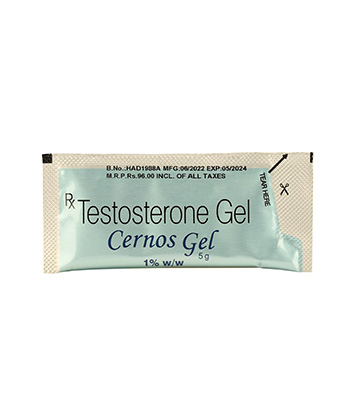
Testosterone topical is a medicine used to treat conditions where the body has insufficient testosterone. It is applied to the skin so that testosterone can be absorbed through the skin and enter the bloodstream gradually. This guide explains how it works, when it is typically used, dosing principles, practical application tips, safety considerations, and information relevant to the United Kingdom.
Note: Brand names and exact strengths vary (for example, some products come as gels/solutions/patches). Always follow the instructions provided with your specific medicine.
Basic product information
- Active ingredient: Testosterone
- Route: Topical (transdermal) — applied to skin
- Common forms (varies by product): Gel, solution, patch
- Who it is for: Adults with clinically confirmed testosterone deficiency (commonly in men)
- How it works: Testosterone absorbed through skin into the bloodstream
Some products are supplied in single-dose pumps, sachets, or multi-dose containers. Your pharmacy label will show the strength (for example, mg per actuation or mg per patch) and the recommended daily regimen.
How testosterone works (mechanism of action)
Testosterone is an androgen hormone. In the body, it supports:
- Development and maintenance of male secondary sexual characteristics (e.g., facial/body hair)
- Sex drive and sexual function
- Muscle mass and strength (together with exercise and adequate nutrition)
- Bone health by helping maintain bone density
- Erythropoiesis (formation of red blood cells) via hormonal signalling
- General wellbeing, energy and mood for some people (response varies)
When testosterone levels are too low, many symptoms may occur. Topical replacement aims to bring testosterone towards a physiological range.
Pharmacokinetics (how the body absorbs, uses, and clears it)
Absorption: With topical preparations, testosterone is absorbed across the skin. Absorption varies depending on the product type, application site, skin condition, and how carefully the directions are followed.
Onset and steady levels: Blood testosterone levels typically rise after application. Steady-state levels are reached over several days with consistent daily use (exact timing depends on the product).
Distribution: Testosterone circulates in the blood, partly bound to carrier proteins such as sex hormone-binding globulin (SHBG) and albumin. Only a fraction is biologically active at any moment.
Metabolism and elimination: Testosterone is metabolised primarily in the liver and other tissues. Metabolites are excreted mainly via urine.
Consistency matters: Because topical medicines are absorbed from the skin, daily timing and correct application significantly influence how reliable the blood levels are.
Typical use in the UK
Testosterone topical preparations are commonly used for testosterone deficiency in adults where deficiency has been confirmed through clinical assessment and blood tests. Use is typically focused on improving symptoms and restoring testosterone levels.
While some people may ask about “low testosterone” broadly, medicines should be used only when appropriate and clinically indicated.
Indications (what it is used for)
Testosterone topical is used for symptoms and conditions associated with low testosterone, such as:
- Low libido / reduced sexual desire related to testosterone deficiency
- Erectile dysfunction in men with confirmed testosterone deficiency (as part of a broader management plan)
- Fatigue, low mood, reduced energy associated with testosterone deficiency
- Loss of muscle mass and increased fat mass related to hypogonadism
- Reduced bone mineral density or osteoporosis risk in some patients with testosterone deficiency
Appropriate assessment should also evaluate potential causes of symptoms (including medications, sleep problems, obesity, diabetes, thyroid issues, and other medical conditions).
Dosing: how much and how often
Important: The correct dose depends on the specific product and your individual testosterone level response. Dose is usually adjusted based on follow-up blood tests and symptom improvement.
General dosing principles
- Start dose: Follow the labelled starting dose for your specific formulation.
- Daily application: Most topical regimens are once daily (patches may differ—check your product leaflet).
- Adjustment: Your clinician may increase or decrease the dose to reach target testosterone levels.
- Monitoring: Blood tests may include testosterone (timed appropriately), full blood count (haemoglobin/haematocrit), and other markers.
Timing of blood tests (patient-friendly overview)
For topical products, blood testing timing can be important because testosterone levels can vary throughout the day. Your healthcare professional will usually specify when to take the blood sample relative to your application.
Timing of use: when to apply
Many testosterone topical products are applied at a similar time each day. This helps maintain steady levels and improves consistency.
- Choose a routine: Apply at a time you can reliably maintain.
- Skin should be dry: Apply to clean, dry skin as directed (often after showering and fully drying).
- Allow absorption: Avoid immediately dressing/covering the area unless the instructions allow it.
Missed dose: If you miss a dose, do not apply extra to “catch up” unless your product leaflet advises. Contact your pharmacist for guidance tailored to your formulation.
Food interactions
Food interactions are unlikely for topical testosterone, because absorption occurs through the skin and the medicine is not dependent on food digestion. Nonetheless, general health factors—such as diet adequacy, weight changes, and alcohol intake—can influence hormonal balance and overall wellbeing.
Alcohol and medicine interactions
Alcohol
Moderate alcohol intake is unlikely to directly interfere with testosterone absorption through skin. However, excessive alcohol can affect:
- Liver function (important for hormone metabolism)
- Hormonal balance and fertility
- Sleep quality and overall energy
For best safety, discuss your typical alcohol intake with a healthcare professional.
Interactions with other medicines
Testosterone can interact with certain medicines and may be impacted by changes in liver enzymes or other hormonal pathways. Key interaction themes include:
- Oral anticoagulants (blood thinners): testosterone may increase effects of warfarin in some patients—monitoring of clotting (INR) may be required.
- Diabetes medicines: testosterone can affect blood sugar control in some people—monitor glucose and adjust therapy if needed.
- Medications affecting bleeding risk: if you take antiplatelets or anticoagulants, ensure your monitoring plan is up to date.
- Hormonal treatments: concurrent androgen-related therapy may increase risk of hormonal side effects.
Always tell your pharmacist or healthcare professional about:
- All medicines you take (including over-the-counter products)
- Herbal supplements
- Recent changes in prescriptions
Safety profile: what to watch for
Like all hormone medicines, testosterone topical can cause side effects. Many are related to dose, individual sensitivity, or underlying conditions. The aim is to use the lowest effective dose to achieve benefits while minimising risks.
Common side effects
- Skin reactions at the application site (redness, irritation, itchiness, rash)
- Acne or oily skin
- Headache
- Fluid retention (swelling, feeling “puffy”)
- Breast tenderness or mild enlargement
- Changes in sex drive (may increase, but responses vary)
Important risks and warning signs
Seek prompt medical advice if you experience:
- Signs of blood thickening: unusual headaches, dizziness, shortness of breath, or very flushed feeling (because testosterone can increase red blood cell production in some people)
- Worsening urinary symptoms: difficulty starting urination, weak stream, needing to urinate frequently at night (especially if you have prostate enlargement)
- Breathing issues or swelling: new or worsening swelling in legs/ankles, breathlessness
- Severe mood changes or aggression
- Breast lumps or persistent breast changes
Transfer to others (contact precautions)
A key safety issue with topical testosterone is unintended transfer to others through skin contact. This is most relevant for:
- Partners
- Children
- Anyone who might touch your application area
Follow the product instructions carefully about:
- When the gel/solution becomes dry
- Covering the application site with clothing after drying (if recommended)
- Hand washing after application
- Allowing full drying time before skin-to-skin contact
If transfer occurs, it may cause unwanted testosterone exposure in the other person. If you are concerned about exposure, seek advice.
Practical use tips (step-by-step guidance)
Different testosterone topical products have specific instructions. Use the steps below as general best practice, then follow your leaflet for your exact formulation.
Before you apply
- Wash your hands and ensure the skin area is clean and dry.
- Check the skin: avoid applying to broken, irritated, or wet skin.
- Choose the correct area as instructed (for example, shoulders/upper arms, abdomen, or inner thighs—varies by product).
During application
- Use the measured dose exactly as directed.
- Apply gently and allow it to spread over the instructed area.
- Let it dry before getting dressed or allowing contact with others.
After application
- Wash your hands thoroughly with soap and water.
- Dispose safely of used applicators/pumps as instructed.
- Cover if instructed: some products recommend covering the area after drying to reduce transfer risk.
Care and clothing
- Wear clean, loose clothing if advised, especially early after application.
- Take care with sports where you may rub against others’ skin.
- Be cautious about sharing bedding/towels that may contact the application area before it is fully absorbed.
Storage
- Store at the recommended temperature and keep out of reach of children.
- Check the expiry date on the packaging.
Alternative options
If topical testosterone is not suitable (for example due to skin irritation, transfer concerns, or practical difficulties), there may be alternative formulations or approaches. Alternatives may include:
- Testosterone injections (e.g., depot injections at intervals)
- Testosterone patches (if appropriate for your situation)
- Other hormone treatments depending on the underlying cause of deficiency
- Non-hormonal management: addressing sleep apnoea, weight, medication side effects, diabetes, and other contributors
Your pharmacist or clinician can advise which options are appropriate for your specific diagnosis, lifestyle, and monitoring needs.
UK market and legal context (high-level)
In the United Kingdom, testosterone medicines are regulated as medicines and are supplied through pharmacy services. Their use is guided by clinical practice and safety monitoring. Testosterone therapies for confirmed androgen deficiency are typically managed with clinical assessment and follow-up monitoring.
In addition:
- Safety concerns include hormone-related risks, possible effects on blood counts, and prostate/breast-related considerations in relevant populations.
- Quality and availability can vary by product and manufacturer.
- Patient education is central to safe use, particularly around skin transfer precautions.
Prescription requirements depend on the specific product and local prescribing rules. Always use medicines only as directed and obtain them via appropriate channels.
Recent guidance and monitoring (UK-focused overview)
Clinical guidance in recent years has emphasised:
- Confirming diagnosis with symptoms plus biochemical testing (rather than treating based only on symptoms)
- Using the lowest effective dose and individualising therapy
- Regular monitoring, often including testosterone levels and blood count (haemoglobin/haematocrit), with consideration of cardiovascular risk factors
- Reviewing benefits versus risks after a period of treatment and adjusting accordingly
- Attention to prostate health where relevant, with appropriate assessment before and during treatment
Monitoring schedules vary. Your clinician will tailor follow-up based on your health history, response, and blood results.
Delivery and availability (UK online pharmacy information)
Availability of testosterone topical products can vary depending on stock levels, manufacturer supply, and product formulation. Many online pharmacies offer delivery across the UK, with typical options including standard and tracked delivery (times vary by provider).
- Packaging: discreet packaging is often used for privacy.
- Cold chain: usually not required, unless specified on the product label.
- Delivery timing: check estimated dispatch and delivery windows at checkout.
If a product is temporarily unavailable, the pharmacy may offer an alternative formulation of the same active ingredient, or advise when stock is expected to return.
Frequently asked questions (FAQ)
1) How long does it take to feel a difference?
Some people notice changes within a few weeks, such as improvements in energy or libido. For others, benefits may take longer. Bone and muscle-related changes generally take months. Your clinician may schedule follow-up blood tests to assess testosterone levels and adjust dose if needed.
2) Will testosterone topical cause infertility?
Testosterone replacement can suppress the body’s own testosterone production and may reduce sperm count in some men. If fertility is a priority, discuss it before starting treatment and ensure appropriate monitoring and counselling.
3) Can I swim or exercise after applying?
Follow your product leaflet. Many topical preparations require the gel/solution to dry fully and may advise waiting a short period before swimming or vigorous sweating. Avoid application on areas that will be heavily rubbed during exercise if the leaflet recommends otherwise.
4) What should I do if I get it on someone else?
If transfer occurs, the exposed person may absorb testosterone through their skin. Wash the area with soap and water as soon as possible. If symptoms develop or exposure is significant—especially in women or children—seek medical advice.
5) Can women use testosterone topical?
Some testosterone products are not intended for female use. If a clinician has advised testosterone for a woman, it should be under appropriate guidance with careful monitoring. Transfer precautions are particularly important.
6) Is testosterone topical safe for long-term use?
Long-term use may be appropriate for some people when carefully monitored. Risks vary between individuals and depend on dose, age, and existing health conditions. Regular follow-up and blood tests help manage safety.
7) How should I store my testosterone topical?
Store as instructed on the pack (typically at room temperature, away from children). Do not use after the expiry date. Keep the container tightly closed.
8) Can I stop testosterone suddenly?
Stopping may cause testosterone levels to fall again, and symptoms may return. If you want to stop or change treatment, discuss it with your pharmacist or clinician for a safe plan.
9) What monitoring might I need?
Many patients are monitored with blood tests and clinical review, often including testosterone level timing, full blood count, and symptom review. Your clinician may also check cardiovascular risk factors and other markers based on your health.
10) What if I miss a dose?
Consult your product leaflet. In general, do not apply extra to compensate unless instructed. Contact your pharmacist if you are unsure for your specific formulation.
Summary
Testosterone topical therapy provides hormone replacement by delivering testosterone through the skin into the bloodstream. Benefits may include improved sexual function, energy, muscle mass support, and bone health, but responses vary. Safe use depends on correct application, consistent daily timing, and strict precautions to prevent unintended transfer to others. Ongoing monitoring helps ensure that treatment remains effective and appropriately safe.
If you have questions about how to use your specific product safely, check the leaflet inside your medicine pack or speak to your pharmacist.
Quick-reference information table
| Topic | What to know |
|---|---|
| What it is | Topical transdermal testosterone replacement |
| Why it’s used | Symptoms of testosterone deficiency due to clinically confirmed androgen deficiency |
| How it works | Replaces androgen hormone levels; supports sexual function, muscle, bone, and wellbeing |
| How to take | Apply to the skin once daily (or per product directions), at a consistent time |
| Food interactions | Generally unlikely with topical testosterone |
| Alcohol | May affect health (e.g., liver function, wellbeing); discuss heavy intake with a clinician |
| Key safety issue | Unintended transfer to others—follow handwashing and skin-contact precautions |
| Monitoring | Often includes symptom review and blood tests (e.g., testosterone level, blood count) |
| When to get help | Skin reactions, urinary symptoms, severe headaches/dizziness, swelling, or mood changes |