
Buspirone (Brand names may vary) – Patient Information
Buspirone is a medicine used to treat certain types of anxiety. It is taken by mouth and is generally well tolerated by many people. Unlike some older anti-anxiety medicines, buspirone is not a benzodiazepine and does not typically cause the same level of drowsiness or dependence.
This page explains how buspirone works, how it is taken, what to expect, and key safety information for people in the United Kingdom.
Basic product information
- Active ingredient: Buspirone (commonly as buspirone hydrochloride)
- Medicine type: An anxiolytic (anti-anxiety medicine)
- How it’s taken: Oral tablets (and in some markets, other formulations)
- Common reasons for use: Generalised anxiety and related anxiety symptoms
- Onset of effect: Gradual—often takes days to weeks
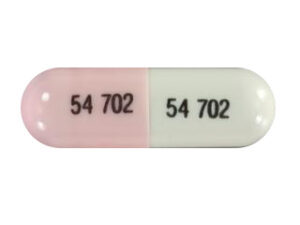
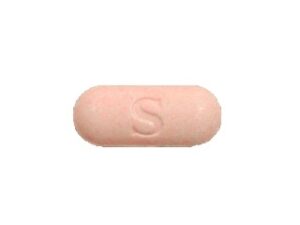
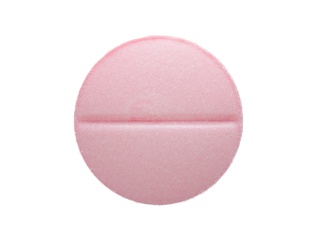
Brand availability may vary. If you have been given a specific product, check the packaging or the leaflet provided with your medicine for exact strength and formulation.
How buspirone works (mechanism of action)
Buspirone affects chemical signals in the brain, particularly the neurotransmitter serotonin and related pathways. It acts mainly by interacting with serotonin receptors, including receptors in the 5-HT1A family. It can also influence dopamine activity indirectly through these serotonin pathways.
The overall effect is a reduction in anxiety symptoms—without producing the strong calming or sedating effects typical of many other anxiety medicines.
Because buspirone works through receptor signalling changes that may require time to stabilise, anxiety relief is usually not immediate.
Pharmacokinetics: how your body processes it
“Pharmacokinetics” describes what happens after you take a dose—absorption, distribution, metabolism, and elimination.
- Absorption: Buspirone is absorbed from the gut after oral dosing. Presence of food can affect absorption.
- Time to peak level: Blood levels typically peak about 1–2 hours after a dose (can vary).
- Distribution: It distributes into body tissues; protein binding occurs.
- Metabolism: Buspirone is metabolised mainly in the liver (commonly via CYP enzymes).
- Elimination: It is cleared from the body through metabolism and excretion of metabolites.
- Half-life: The elimination half-life is generally around ~2–3 hours, which is one reason it may be taken more than once daily.
Your exact response can vary depending on liver function, other medicines, and individual metabolism.
Typical use and indications
Buspirone is used to treat anxiety symptoms—most commonly in conditions such as:
- Generalised anxiety (GAD) and ongoing anxiety with worry and tension
- Chronic anxiety symptoms where a gradual, stabilising effect is desired
It is typically chosen when you want to avoid the sedation and dependence risks associated with some other anti-anxiety medicines. However, the suitability of buspirone depends on your personal circumstances and symptoms.
Timing: when and how to take buspirone
Buspirone is usually taken in divided doses across the day. The exact schedule depends on your strength and the prescriber’s instructions.
General practical timing guidance
- Take at the same times each day to keep blood levels steady.
- If your course begins, expect gradual improvement rather than instant relief.
- Do not stop suddenly without advice—unless you are instructed to do so.
Many people notice some benefit within 2–4 weeks, but the timeframe can vary. If you feel no change after a reasonable period, speak with a healthcare professional to review the plan.
Dosing: what is commonly prescribed
Dosing can vary widely between individuals. The following overview explains typical dosing patterns; always follow the dose on your medicine label.
| Stage | What often happens | Why |
|---|---|---|
| Starting | Lower doses initially, often 2–3 times daily | To reduce side effects and let your body adjust |
| Titration | Dose may be gradually increased over days to weeks | To balance symptom control and tolerability |
| Maintenance | An established total daily dose divided across the day | To maintain steadier effect given the shorter half-life |
People with liver impairment or those taking certain interacting medicines may require dose adjustments. If you miss a dose, follow your label guidance; generally, take it when you remember unless it is near the time for the next dose—avoid double dosing.
Food interactions: can you take buspirone with meals?
Food can affect how buspirone is absorbed. In practice, many people are advised to take buspirone consistently in relation to meals (either always with food or always without food) to avoid day-to-day absorption changes.
- Consistency matters: Try to keep your routine the same.
- Upset stomach: If buspirone causes nausea, taking it with a small meal may help for some people.
Always check the leaflet or label instructions supplied with your product for the most relevant advice.
Alcohol and medicine interactions
Alcohol
It is generally recommended to avoid or limit alcohol while taking buspirone. Alcohol may worsen dizziness, drowsiness, impaired coordination, and anxiety symptoms in some people.
Other medicines that may interact
Buspirone can interact with other medicines, including those affecting liver enzymes. Some interactions may increase buspirone levels (raising side-effect risk), while others may reduce its effect.
- CYP3A4 inhibitors (can increase buspirone levels): certain antifungal medicines, some antibiotics, and other drugs
- Strong inducers (may reduce effectiveness): some medicines that speed up metabolism
- Other central nervous system medicines: may increase sedation or dizziness when combined
- Antidepressants and other psychotropic medicines: may require monitoring for side effects or serotonin-related effects (depending on the combination)
For safety, tell your pharmacist or healthcare professional about all medicines you take, including over-the-counter products, herbal remedies, and supplements.
Important: Do not start or stop other medicines while taking buspirone without checking potential interactions.
Safety profile: common and serious side effects
Common side effects
Many side effects are mild and may lessen as your body adjusts. Commonly reported effects include:
- Dizziness or light-headedness
- Nausea or stomach discomfort
- Headache
- Light drowsiness (less common than with sedative medicines)
- Fatigue
- Restlessness or nervousness (occasionally)
Less common but important effects
- Changes in mood or unusual behavioural changes
- Allergic reactions such as rash, swelling, or breathing difficulties
Seek urgent medical help if
- You develop signs of a severe allergic reaction (swelling of the face/lips, trouble breathing, severe rash)
- You experience fainting, severe dizziness, or persistent vomiting
- You have symptoms that worry you significantly, especially early in treatment or after dose changes
If side effects occur, your clinician may adjust the dose or advise on timing with food.
Practical use tips (to get the best results)
- Be patient with the timeline: Buspirone is not usually “as-needed.” It works best when taken regularly.
- Stick to your schedule: Set reminders to avoid missed doses.
- Avoid sudden stopping: Unless advised otherwise, tapering guidance should be provided.
- Monitor how you feel: Note whether anxiety symptoms are improving and whether side effects are settling.
- Use a steady routine: Consistent meals and sleep can help overall anxiety management.
- Be cautious when driving or operating machinery: If you feel dizzy, avoid these activities until you know how buspirone affects you.
Alternative options for anxiety
Anxiety can be treated with different approaches. Alternatives may be medication, psychological therapies, or lifestyle and self-management strategies. Options vary depending on your type of anxiety, previous treatment response, and personal health factors.
Medication alternatives
- Selective serotonin reuptake inhibitors (SSRIs) (often used as first-line for some anxiety conditions)
- Serotonin-norepinephrine reuptake inhibitors (SNRIs)
- Short-term anxiolytics in some circumstances (choice depends on risk/benefit and local guidance)
- Other anxiolytics may be considered depending on your history
Non-medicine options
- Cognitive behavioural therapy (CBT)
- Mindfulness-based approaches
- Breathing techniques and graded exposure strategies
- Sleep and stress management
A healthcare professional can help decide what fits you best. Often, therapy and medication can be combined.
United Kingdom market and legal context
In the United Kingdom, medicines are regulated to support patient safety and effective use. Buspirone is provided under UK pharmaceutical and medicines governance frameworks. Product classification and supply routes can change over time depending on regulations and manufacturer approvals.
Pharmacy teams can advise on safe use, dosing instructions on the label, and how to manage missed doses or side effects. For ongoing anxiety, it is also important to ensure the diagnosis is correct and that other causes (such as thyroid problems, substance effects, or medical conditions) have been considered by a clinician.
Recent guidance (general)
UK mental health guidance commonly emphasises:
- Stepped care for anxiety conditions (starting with the least intensive effective options)
- Psychological therapies such as CBT as important components
- Careful selection of medicines based on the individual, including side effects, comorbidities, and interactions
- Ongoing review to assess symptom changes and tolerability
While buspirone may be used in certain situations, the most suitable treatment depends on your specific anxiety pattern and medical history.
Delivery and availability
Availability of buspirone may depend on stock levels and the exact strength and formulation your local pharmacy supplies. For online pharmacy orders, dispatch times can vary by day and by region within the UK.
- Check availability: Buspirone products may be listed in different strengths.
- Estimated delivery: Provided at checkout or on the order confirmation page.
- Packaging: Medicines are usually dispatched in secure, patient-friendly packaging with leaflets where required.
If you need help confirming the correct strength or formulation, contact customer support before ordering.
Frequently asked questions (FAQ)
How long does buspirone take to work?
Buspirone usually has a gradual effect. Some people notice changes within a few weeks, while others may need up to 4–6 weeks for full benefit. Keep taking it as directed and review your progress with a healthcare professional if symptoms don’t improve.
Is buspirone sedating?
Many people experience little sedation compared with medicines that cause strong drowsiness. However, dizziness and tiredness can still occur, especially when starting or after dose increases. If you feel unwell, avoid driving or operating machinery until you know how it affects you.
Can I stop buspirone once I feel better?
Anxiety may return if treatment is stopped too quickly. Do not stop without advice. A clinician may recommend a plan to reduce the dose gradually and monitor your symptoms.
What should I do if I miss a dose?
Follow the instructions provided on your medicine label. As a general rule, take it when you remember unless it is close to the next dose; avoid taking a double dose to “catch up.”
Can I take buspirone with food?
Food can influence absorption. It’s often helpful to take buspirone consistently with or without food based on the instructions you receive. If you experience nausea, taking it with a light meal may help for some people.
Should I avoid alcohol?
It’s best to limit or avoid alcohol while taking buspirone. Alcohol can worsen dizziness and may affect mood and anxiety control.
Are there medicines I must not mix with buspirone?
Some medicines can significantly alter buspirone levels or increase side-effect risk. Always tell your pharmacist about your full medicine list, including over-the-counter products and herbal remedies. Particular attention is needed for medicines that affect liver enzymes.
Can buspirone be used for panic attacks as-needed?
Buspirone is generally intended for ongoing anxiety control rather than rapid, “as-needed” relief. If you have sudden panic symptoms, talk to a healthcare professional about the most appropriate approach.
Who should take extra care while using buspirone?
Extra caution may be needed if you have liver problems, take multiple medicines, have a history of medication interactions, are elderly, or are taking other treatments that affect the nervous system. Your pharmacist can help check for interactions.
What if I feel worse at the start?
Some people experience temporary side effects during the first days. If anxiety dramatically worsens, you develop severe side effects, or you feel unsafe, contact a healthcare professional promptly for advice.
Storage and handling
- Store at the temperature stated on the packaging.
- Keep medicines in their original packaging to protect from light and moisture where advised.
- Keep out of sight and reach of children.
- Do not use after the expiry date on the pack.
If you have questions about your specific product, refer to the patient leaflet included with your medicine or ask your pharmacist.