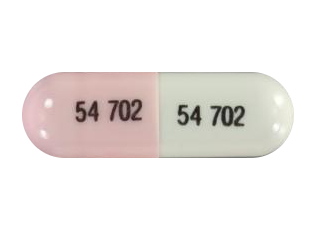


Lithium (Lithium salts) – Patient Information
Lithium is a medicine used mainly to treat certain mental health conditions, particularly bipolar disorder. It has a long history of use and can be very effective, but it also requires careful monitoring because the body clears lithium slowly and the difference between a helpful dose and a harmful dose can be small.
This page provides patient-friendly information about lithium, including how it works, how the body handles it, typical uses, dosing principles, interactions (including with food and alcohol), safety and monitoring, and practical tips.
Basic product information
| Feature | Typical details |
|---|---|
| Medicine name | Lithium (commonly as lithium carbonate or lithium citrate, depending on product) |
| Medicinal class | Mood-stabilising medicine |
| Common strengths | Varies by brand and formulation (ask your pharmacist for your specific product) |
| How it is taken | Oral tablets or capsules; sometimes modified-release products |
| Key monitoring | Blood tests for lithium level; kidney and thyroid monitoring |
In the UK, lithium products and dosing are tailored to the individual. Your clinician will aim for an appropriate blood lithium concentration and will monitor regularly, especially during the first months of treatment or after dose changes.
How lithium works (mechanism of action)
Lithium’s exact mechanism is complex and not fully understood. It acts at multiple points in the brain and affects signalling pathways involved in mood regulation. In broad terms, lithium may:
- Stabilise mood by influencing neurotransmitter systems and intracellular signalling.
- Reduce abnormal mood swings and help prevent manic or depressive episodes.
- Support “second messenger” pathways involved in brain cell function and plasticity.
- Influence circadian and cellular stress responses, which may contribute to long-term mood control.
Importantly, lithium is not an immediate “calming” medication for every person. Time to benefit can be gradual, and consistent monitoring helps maintain effective and safe levels.
Pharmacokinetics (how the body handles lithium)
Lithium has distinct pharmacokinetic features that explain why monitoring is important. Once absorbed, lithium is distributed throughout the body and is cleared mainly via the kidneys.
Absorption
- After oral dosing, lithium is absorbed from the gut.
- Different formulations (e.g., immediate-release vs modified-release) can influence how quickly lithium reaches the bloodstream.
Distribution
- Lithium is distributed in body fluids and can accumulate if clearance is reduced.
- Levels can be affected by hydration status and kidney function.
Metabolism
- Lithium is not significantly metabolised by the liver.
- This means liver problems generally have less direct effect than kidney function.
Excretion
- Lithium is eliminated primarily by the kidneys through urine.
- Because it is filtered and not easily “metabolised away,” changes in kidney function can quickly alter lithium levels.
Half-life and steady state
- Lithium has a prolonged half-life (often several days), so dose changes may take time to fully reflect in blood levels.
- Regular blood tests are used to confirm levels are in the target range.
Typical use in the UK
Lithium is primarily used for bipolar disorder. It is often considered when:
- There is a history of recurrent manic episodes or mood instability
- There is concern about mood relapse over time
- There may be a need for a medication that helps prevent recurrence rather than only treating acute symptoms
- There is treatment resistance or inadequate response to other options
In some clinical scenarios, lithium may be used to help reduce risk related to mood episodes and mood-related behaviour. Your clinician will decide the best treatment strategy based on symptoms, past response, overall health, and monitoring feasibility.
Indications (what lithium is used for)
Common indications include:
- Bipolar disorder (particularly for maintenance and prevention of relapse)
- Prevention of manic episodes and reduction of recurrent mood cycling
- Sometimes as part of a broader regimen for mood stabilisation depending on individual circumstances
Indications can vary by product and clinical guidance. If you are unsure why lithium has been recommended for you, speak with your healthcare professional.
Dosing: key principles
Lithium dosing is individual. Many people start on a lower dose and adjust gradually based on blood lithium levels and tolerability. The aim is to keep lithium within a target “therapeutic range.”
How dosing is decided
- Blood level monitoring guides dose adjustments.
- Kidney function (e.g., creatinine/eGFR) strongly influences safe dosing.
- Age and frailty can affect how lithium is handled.
- Hydration and salt intake influence lithium levels.
- Some people may be on combination treatment for mood symptoms.
Timing of doses and blood tests
Your clinician will specify how and when to take your tablets and when to take blood samples. Common principles include:
- Blood tests are often taken as a trough level (i.e., just before the next dose), depending on your dosing schedule and formulation.
- If using modified-release products, timing can differ, so follow your specific product advice.
- After starting treatment or changing dose, additional tests are usually scheduled to reach steady state.
Do not change your dose suddenly
Stopping or changing lithium without clinical guidance can increase risk of relapse and can also affect safe blood concentrations. If you miss doses or feel unwell, seek advice rather than adjusting independently.
When to take lithium (timing guidance)
- Take at the same times each day to help maintain steady levels.
- Follow your prescribed schedule, including whether dosing is once daily or divided.
- Try to maintain consistent fluid intake as dehydration can increase lithium levels.
- If you are told to take lithium with or without food, follow that instruction; otherwise, routine consistency is helpful.
Food interactions and dietary considerations
Food itself is not the main driver of lithium levels; however, diet can influence kidney handling of lithium. The most important dietary considerations relate to salt (sodium) intake and hydration.
Salt intake
- Sudden changes in salt intake may affect lithium levels.
- Reducing salt intake can potentially increase lithium levels.
- Increases in salt intake may sometimes lower lithium levels.
Hydration and dehydration
- Dehydration (for example due to vomiting, diarrhoea, heavy sweating, or inadequate fluid intake) can increase lithium concentrations.
- During illness, your clinician may advise temporary changes and closer monitoring.
General advice
- Maintain a consistent approach to salt and fluids.
- Seek advice if you have significant vomiting/diarrhoea, are unable to drink, or feel acutely unwell.
Alcohol interactions
Alcohol does not directly “react” with lithium in a simple chemical way, but it can increase risks indirectly by:
- Promoting dehydration (especially with heavy drinking or vomiting/hangover)
- Worsening sleep disruption and mood stability
- Increasing the risk of side effects such as dizziness or impaired coordination
- Interacting with other medicines you may be taking (for example, sedatives)
If you choose to drink alcohol, it is generally safest to:
- Keep amounts modest
- Avoid binge drinking
- Stay well hydrated
- Avoid drinking on days when you are unwell (vomiting/diarrhoea) or when you are starting or recently changing lithium dose
If you are uncertain about what is safe for you, ask your healthcare professional.
Medicine interactions (including common interaction patterns)
Lithium has important interactions with several medicines, mainly because they can change kidney clearance or affect salt and fluid balance. Always tell your pharmacist and clinician about all medicines and supplements you take, including over-the-counter products.
Medicines that can increase lithium levels (and risk toxicity)
- Non-steroidal anti-inflammatory drugs (NSAIDs) (e.g., ibuprofen, naproxen, diclofenac) may increase lithium levels.
- Diuretics (often “water tablets”), particularly thiazides, can increase lithium levels.
- ACE inhibitors (e.g., lisinopril, enalapril) may increase lithium levels.
- Angiotensin II receptor blockers (ARBs) (e.g., losartan, valsartan) may increase lithium levels.
- Other medications affecting kidney function can indirectly alter lithium clearance.
Medicines that may affect side effects or mood stability
- Some antipsychotics or other psychotropic medicines may increase risk of side effects in combination for certain individuals.
- Serotonergic medicines are not a typical direct interaction, but combination therapy can still require careful monitoring.
Herbal and supplement considerations
- Some herbal remedies and supplements can affect kidney function, fluid balance, or interact with other medicines.
- Check with a pharmacist before starting new supplements.
If any new medication is prescribed or recommended, ask specifically whether it could affect lithium levels. Do not start or stop medicines without advice.
Safety profile and monitoring
Lithium can be very effective, but it requires monitoring to keep levels in a safe range. Potential risks include kidney effects, thyroid effects, and toxicity if levels become too high.
Common side effects
Side effects vary by person and dose. Some of the more commonly reported effects include:
- Thirst and increased urination
- Fine tremor
- Nausea or stomach discomfort (often during early treatment or dose changes)
- Weight change
- Feeling tired or “slower” (sometimes related to higher levels or early adaptation)
Serious risks (when to seek help urgently)
Contact urgent medical services or seek emergency advice immediately if you suspect lithium toxicity. Signs can include:
- Severe drowsiness, confusion, or unusual behaviour
- Unsteady walking, marked dizziness, or slurred speech
- Persistent vomiting or severe diarrhoea
- Muscle twitching, severe tremor, or seizures
- Breathing difficulties (in severe cases)
If you become significantly unwell (particularly with dehydration), you may need urgent advice about holding doses and arranging blood testing. Because symptoms can overlap with other illnesses, prompt assessment is important.
Kidney and thyroid monitoring
- Kidney monitoring (e.g., creatinine/eGFR and urine-related checks) is important due to renal excretion.
- Thyroid monitoring is commonly required, as lithium can affect thyroid function.
- Regular blood tests for lithium concentration are used to guide dosing.
Pregnancy and breastfeeding (overview)
Lithium safety in pregnancy is complex and must be carefully weighed. If you are pregnant, planning pregnancy, or breastfeeding, discuss your situation promptly with a healthcare professional to ensure safe planning and monitoring.
Practical use tips (how to stay safe and get the best results)
- Attend blood test appointments and keep monitoring schedules.
- Know your “target range” (your clinician will provide guidance) and aim for consistent dosing.
- Stay hydrated but avoid sudden drastic changes in fluid intake.
- Keep salt intake consistent unless your clinician advises otherwise.
- Be cautious with NSAIDs and ask your pharmacist about alternatives for pain or fever.
- Tell healthcare professionals that you take lithium before any new prescriptions or treatments.
- Plan for illness days: if you vomit or have diarrhoea, seek advice promptly, as lithium levels can rise.
What to do if you miss a dose
Missing a dose can affect your blood level over time. If you miss a dose:
- Check your prescribed instructions (some regimens advise whether to take the missed dose or skip).
- If you are unsure, contact your pharmacist or clinician for advice.
- Avoid doubling up unless specifically instructed.
Alternative options for mood stabilisation
Treatment choice depends on your symptoms, past response, and medical history. Alternatives that clinicians may consider for bipolar disorder include:
- Other mood stabilisers (examples include valproate and carbamazepine, depending on suitability)
- Some antipsychotic medicines used for bipolar mania and maintenance in selected cases
- Psychological therapies (alongside medication) to support long-term stability
Do not switch treatments without medical advice. If you are experiencing side effects or feel the medicine is not helping, discuss options promptly rather than stopping abruptly.
UK market and legal/regulatory context
In the United Kingdom, lithium-containing medicines are regulated medicines and are supplied under UK pharmaceutical governance. Clinicians use national and local guidance to determine suitability, monitoring needs, and follow-up plans.
Monitoring for lithium commonly includes:
- Serum lithium level checks at initiation and after dose adjustments
- Kidney function blood tests
- Thyroid function checks
- Safety reviews if new medicines are started or if health status changes
The exact frequency of monitoring can vary between individuals and clinical settings. Always follow the schedule provided by your healthcare team.
Recent guidance (general themes)
In recent years, UK clinical practice has continued to emphasise:
- Structured monitoring for lithium levels and organ function
- Heightened caution around dehydration and interacting medicines (especially NSAIDs, diuretics, and medicines affecting the renin-angiotensin system)
- Shared decision-making with patients regarding benefits and risks
- Clear “sick day” advice to reduce toxicity risk
Your healthcare team may provide a personalised plan, especially if you are at higher risk due to kidney function, age, or complex medication regimens.
Delivery and availability (UK)
Availability depends on the specific lithium product and strength. When ordering via an online pharmacy in the UK, your order may be supplied as:
- Standard dispatch from stock (where available)
- Supply via authorised distribution routes (for less common strengths or formulations)
- Potential substitution only where allowed and appropriate for your product needs
Delivery times vary by location and stock status. You will typically see estimated delivery dates at checkout. If a product is not available immediately, our pharmacy team may contact you with options.
For the safest use, confirm you have the correct formulation (immediate-release vs modified-release) and strength before starting.
Frequently Asked Questions (FAQ)
1) Why do I need blood tests for lithium?
Lithium is cleared mainly by the kidneys and has a narrow safety margin. Blood testing helps ensure your level stays in the therapeutic range, reducing the risk of side effects and toxicity. Kidney and thyroid tests are also commonly required.
2) How long does it take for lithium to work?
Some people notice changes gradually. For long-term mood stabilisation and relapse prevention, benefits may develop over weeks. Your clinician will assess response over time and may adjust the dose based on blood levels and symptoms.
3) What happens if I drink a lot of water or change my salt intake?
Sudden changes in hydration and salt intake can affect lithium levels. Try to maintain consistent fluid intake and a steady dietary salt pattern unless your healthcare professional advises changes.
4) Can I take ibuprofen or other painkillers?
NSAIDs such as ibuprofen can increase lithium levels. Ask your pharmacist for guidance on safer alternatives for pain or fever, especially before starting anything new.
5) What should I do if I get vomiting or diarrhoea?
Vomiting and diarrhoea can cause dehydration, which may raise lithium concentrations. Seek medical advice promptly. Your clinician may provide “sick day” instructions for your specific situation, including whether to temporarily pause lithium and when to recheck blood levels.
6) Are there symptoms of lithium toxicity I should watch for?
Yes. Contact urgent medical advice if you develop severe drowsiness, confusion, unsteadiness, worsening tremor, persistent vomiting, or other significant symptoms—particularly during illness, dehydration, or after a change in interacting medicines.
7) Can I take lithium with other medicines?
Many medicines can affect lithium levels or side effects. Tell your pharmacist and clinician about everything you take, including over-the-counter products and supplements. They can check for interactions and advise monitoring changes if needed.
8) Is lithium suitable for everyone?
Lithium suitability depends on individual medical factors—especially kidney function, thyroid status, overall health, and other medicines being used. Your clinician will assess benefits and risks for you personally.
9) What if I’m planning pregnancy or am pregnant?
Lithium in pregnancy requires careful specialist assessment. If pregnancy is possible, discuss your plans urgently with your healthcare professional so that risks and monitoring can be addressed appropriately.
10) Where can I find my latest information about my dose and blood test schedule?
Your clinician or clinic will provide a personalised plan. Keep your medication instructions and blood test appointments organised, and ask your pharmacist if you need help understanding when and how to take your doses.
Summary
Lithium is a mood-stabilising medicine used mainly for bipolar disorder. It works through multiple effects on brain signalling, but its safety depends on careful dosing and regular monitoring of blood levels, kidney function, and thyroid function. Food and hydration patterns—particularly salt intake and dehydration risk—along with interacting medicines (especially NSAIDs and certain heart or diuretic medicines) can influence lithium levels. If you stay consistent with dosing and attend monitoring, lithium can be a helpful long-term treatment for many people.