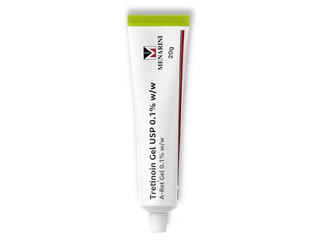
A-Ret (Tretinoin) – Patient Information (UK)
A-Ret contains tretinoin, a form of vitamin A used to treat certain skin conditions, most commonly acne. It works by helping skin cells renew more normally and by preventing pores from blocking. When used correctly and consistently, tretinoin can improve the look of blackheads, whiteheads, and inflammatory acne, and may help reduce scarring over time.
This page is written to help you understand how A-Ret works, how to use it safely, and what to expect. Always follow the instructions on your product packaging and any advice from a healthcare professional.
Basic product information
| Information | Details |
|---|---|
| Active ingredient | Tretinoin |
| Common use | Acne (comedonal and inflammatory), sometimes other specialist indications as advised |
| How it is applied | Topical (to the skin) |
| Typical formulation types | Cream/gel (strengths vary by product) |
| Where it is used | Face and/or affected areas |
How tretinoin (A-Ret) works
Tretinoin is a retinoid (a vitamin A derivative). It affects the way skin cells mature, shed, and how the lining of pores behaves. The main actions include:
- Normalising keratinisation: it helps prevent the sticky build-up of skin cells inside hair follicles that leads to clogged pores (comedones).
- Reducing comedone formation: fewer blockages means fewer new blackheads and whiteheads.
- Improving turnover of skin cells: encourages more regular cell renewal, which can soften rough, congested texture over time.
- Anti-inflammatory effects: it can reduce inflammatory lesions indirectly, though acne may still flare early in treatment.
- Supporting long-term skin improvement: with ongoing use, skin often becomes clearer and marks can fade more evenly.
Pharmacokinetics (how the body handles it)
Because A-Ret is applied to the skin, only a small amount is generally absorbed through the skin surface compared with oral medicines. Key points include:
- Skin absorption is limited: tretinoin primarily works locally in the skin.
- Metabolism and elimination: any absorbed tretinoin is processed by the body, with metabolites cleared mainly through normal biological pathways.
- Systemic effects are uncommon: significant whole-body effects are rare when used correctly on intact skin.
- Absorption may increase if the skin is very irritated, severely inflamed, or if large amounts are applied.
Typical uses of A-Ret
A-Ret is commonly used for acne vulgaris, including:
- Blackheads and whiteheads (comedonal acne)
- Inflammatory acne (papules and pustules)
- Acne with mixed lesions, when a retinoid is appropriate
Your clinician may recommend tretinoin for other skin conditions where a retinoid can help. If you’re not sure why it was chosen for you, check your instructions or seek advice.
When you’ll see results (timing)
Tretinoin helps by changing how the skin behaves, which takes time. Many people notice improvement gradually:
- First 2–6 weeks: you may see initial drying, peeling, or mild worsening (“purging”).
- 6–12 weeks: many start to see fewer new spots and smoother texture.
- 3–6 months: clearer skin and continued reduction in marks/uneven texture with consistent use.
If your skin becomes uncomfortably irritated, you can often improve tolerance by adjusting frequency or using a moisturiser (see practical tips). Do not stop abruptly without advice if you’re tolerating it and your schedule was working.
How to use A-Ret (dosing and application)
The exact strength and frequency depends on the formulation and the advice you’ve been given. The sections below provide general guidance that is commonly used for topical tretinoin.
Typical dosing approach (common for new users)
- Start slowly to reduce irritation: apply a pea-sized amount to cover the affected area (often the whole acne-prone area, not just individual spots).
- Frequency: usually once daily at night, but if irritation occurs, use every other night or less frequently until your skin adjusts.
- Build up slowly if tolerated to reach the intended routine.
Step-by-step practical application
- Cleanse gently: wash with a mild cleanser and pat dry (avoid abrasive scrubbing).
- Wait before applying: allow skin to be completely dry. Applying to damp skin can increase irritation. A common tip is to wait about 10–20 minutes after washing.
- Apply thinly: spread a small amount over the acne-prone areas. Avoid heavy layers; more is not better.
- Avoid sensitive areas: keep away from corners of the nose, lips, eyes, and any broken or eczema-affected skin.
- Moisturise if needed: you may use a moisturiser to reduce dryness. (Some people use moisturiser before and/or after tretinoin; see tips below.)
- Use sun protection in the day: tretinoin can increase sensitivity to sun and light.
If you miss a dose
Apply it as soon as you remember if it’s close to the usual time. If it’s nearly time for the next dose, skip the missed dose and continue your regular schedule. Do not apply extra to make up for a missed application.
Food interactions
Because A-Ret is applied to the skin, food interactions are generally not expected. However, acne and skin health may be influenced by overall diet and hydration. If you take other medicines, follow the interaction advice for those medicines separately.
Alcohol and medicine interactions
Alcohol
There are typically no direct interactions between topical tretinoin and alcohol, since absorption is limited. That said, alcohol can contribute to skin dehydration and irritation in some people.
Medicine interactions (topical and systemic)
Some combinations can increase irritation or skin sensitivity. Important practical points include:
- Other exfoliating or irritant products: avoid using strong scrubs, chemical exfoliants (e.g. high-strength AHA/BHA), or other potentially irritating acne treatments at the same time unless a clinician advises it.
- Products containing alcohol or harsh fragrance: these may worsen dryness and stinging.
- Other retinoids: combining with similar topical retinoids can increase irritation. Use only as directed.
- Photosensitising medicines: some systemic medicines can make skin more sensitive to light; discuss if you are taking such medicines.
- Timing matters: you may be able to alternate nights with certain acne actives, but if you are unsure, ask a healthcare professional or pharmacist.
Indications and who may benefit
A-Ret is indicated for acne vulgaris in appropriate patients. It is especially useful for acne that involves clogged pores (comedones).
It may be an option when:
- acne is persistent or recurring
- you have a mix of blackheads/whiteheads and inflamed spots
- you want a treatment that works on pore blockage and helps prevent new lesions
Your clinician will consider your skin type, current products, severity, and any relevant medical history before choosing tretinoin.
Safety profile and important precautions
Like all medicines, A-Ret can cause side effects. Many are related to skin irritation, especially during the first weeks. Most improve as your skin adapts or as you adjust frequency.
Common side effects
- Dryness
- Peeling or flaking
- Redness
- Stinging or burning (usually temporary)
- Itching
- Increased sensitivity to sun
- Temporary worsening of acne (“purging”) early in treatment
Less common but more serious reactions
- Severe irritation, blistering, or extensive swelling
- Allergic-type reactions (e.g. widespread rash, swelling of face/lips)
- Worsening eczema or significant skin barrier damage
If you develop severe symptoms or signs of allergy, stop using the product and seek medical advice promptly.
Who should be extra cautious
- Very sensitive skin or history of strong reactions to topical actives
- Broken skin or active skin infections in the treatment area
- Those with eczema/dermatitis on facial skin, since barrier disruption can worsen irritation
- People planning treatments around light exposure (sunbeds, intense sun, or winter wind exposure can aggravate dryness)
Pregnancy and breastfeeding (UK guidance awareness)
Topical retinoids are generally avoided in pregnancy. If you are pregnant, trying to conceive, or breastfeeding, discuss the safest acne treatment options with a healthcare professional before using tretinoin.
Practical use tips to improve tolerance
Many people stop tretinoin too early because the first weeks feel uncomfortable. The strategies below can help your skin adjust:
1) Start with a “tolerance-first” routine
- Begin every other night if you’re new to retinoids.
- Once irritation settles, your routine can be adjusted towards daily use if appropriate.
2) Moisturiser “sandwich” method
If dryness or stinging is a problem, try: moisturiser → A-Ret → moisturiser. This can reduce irritation without removing the benefit of tretinoin.
3) Use gentle cleanser and avoid harsh products
- Choose a mild, fragrance-free cleanser.
- Avoid scrubs and washcloths that cause friction.
- Be cautious with products containing alcohol, high fragrance, or strong essential oils.
4) Sun protection is essential
- Apply SPF 30+ (preferably 50) every morning.
- Use a broad-spectrum sunscreen and consider hat/shade during strong sunlight.
- Reapply if outdoors for long periods.
5) Don’t spot-treat only
For many acne types, applying a thin layer over the whole acne-prone area helps prevent new lesions (including those not yet visible).
6) Manage “purging” expectations
Early acne flares may occur as blocked pores normalize. This is usually temporary. Severe worsening or persistent irritation should be reviewed by a healthcare professional.
7) Consider “buffering” on sensitive days
- On days your skin feels irritated (e.g. after shaving or weather extremes), consider skipping and moisturising.
- Resume when comfortable.
Alternatives to A-Ret (tretinoin)
Acne treatments vary depending on your skin and acne severity. Alternatives may include:
- Other topical retinoids (different strengths or formulations)
- Benzoyl peroxide (often used to reduce bacteria and inflammation)
- Topical antibiotics for selected cases, usually for limited durations
- Azelaic acid (gentler for some people, with benefits for redness and marks)
- Salicylic acid (BHA) for pore-clearing, especially for oily skin
- Oral treatments for more severe acne (only under appropriate medical guidance)
Your pharmacist or healthcare professional can help you choose an option or combination that balances effectiveness with tolerance.
UK market, legal and access context
In the United Kingdom, availability and supply of medicines can depend on product licensing, strength, formulation, and how they are classified for sale. Topical tretinoin-containing products may be accessed through registered routes (for example, through appropriate prescriber pathways or via pharmacy supply systems where permitted).
UK guidance generally emphasises:
- appropriate selection of acne medicines based on severity
- minimising misuse or overuse of irritant products
- supporting patients with skincare advice (cleanser, moisturiser, sunscreen)
- careful consideration for people who are pregnant or may become pregnant
Recent guidance and best-practice expectations (general)
Over recent years, UK dermatology and primary care advice has consistently highlighted:
- Retinoids as cornerstone therapy for comedonal acne
- Gradual initiation to reduce irritation and improve adherence
- Sun protection and skin barrier support
- Combination strategies for moderate acne (e.g. retinoid plus benzoyl peroxide), tailored to tolerability
If you are unsure about your regimen—especially if you’re using multiple acne products at once—talk to a pharmacist for practical compatibility advice.
Delivery and availability in the UK
Online pharmacies in the UK typically deliver to UK addresses using tracked courier services. Availability may vary by product strength and formulation. Delivery times depend on stock status and the selected shipping option.
- Dispatch: commonly within 24–48 hours on working days when in stock.
- Delivery: standard delivery often takes a few working days; express options may be available.
- Packaging: medicines are usually dispatched in protective packaging to prevent damage or leakage.
For specific delivery estimates and availability, check the product page for A-Ret on the pharmacy website.
Storage and handling
- Store at room temperature as instructed on the pack.
- Keep the container tightly closed.
- Protect from excessive heat or sunlight.
- Keep out of sight and reach of children.
FAQ
1) Can I use A-Ret every day?
Many people eventually use it once daily at night, but starting slowly is often best. If you experience significant dryness, peeling, or stinging, reduce the frequency (for example to every other night) until your skin adapts.
2) Should I apply it to the whole face?
Often, acne improves when tretinoin is applied to the acne-prone areas rather than only to individual spots. A thin layer is usually recommended. However, follow your product instructions and personalised advice.
3) Why is my acne worse at the beginning?
Early flare-ups can happen while tretinoin changes clogged pores. This “purging” is usually temporary. If your skin becomes severely irritated or the acne rapidly worsens without settling, contact a healthcare professional.
4) What moisturiser should I use?
Choose a gentle, fragrance-free moisturiser suited to sensitive skin. Using moisturiser before and/or after A-Ret can reduce irritation. If you’re unsure, ask a pharmacist for suggestions compatible with retinoids.
5) Can I combine A-Ret with other acne products?
Combinations may be possible, but some actives increase irritation. For example, you may need to avoid using strong exfoliants at the same time. Many people alternate or combine carefully (e.g. with benzoyl peroxide) based on tolerability.
6) Does it stain clothes or hair?
Tretinoin creams generally do not stain like some older acne treatments, but products can leave residue on fabrics. Apply a thin layer and allow it to absorb fully before dressing. If your formulation includes specific ingredients, consult the package information.
7) Is it safe to use during summer or sunny weather?
Yes, but sun protection is crucial. Use SPF 30+ (preferably 50) and avoid excessive sun exposure. Treated skin can be more sun-sensitive, which increases the risk of irritation and dark marks.
8) Can I drink alcohol while using A-Ret?
There is generally no direct interaction. However, if alcohol affects your hydration or skin comfort, you may notice dryness. If you use other medicines, check their interaction information separately.
9) What should I do if I accidentally get it in my eye or on lips?
Rinse with plenty of cool water immediately. If irritation persists, seek medical advice.
10) When should I stop and seek help?
Seek advice if you develop severe redness, blistering, swelling, spreading rash, or signs of allergy. Also seek help if you cannot tolerate the treatment despite adjusting frequency and using moisturisers.
Summary
A-Ret (tretinoin) is a topical retinoid that helps treat acne by normalising how skin cells renew and reducing clogged pores. Results typically build over weeks to months. The most common issues are dryness and irritation, which can often be managed with gentle skincare, gradual frequency, and consistent sun protection. If you have questions about your routine or compatibility with other products, speak to a pharmacist for tailored advice.