Efudex (Fluorouracil) Cream – Patient Information (UK)
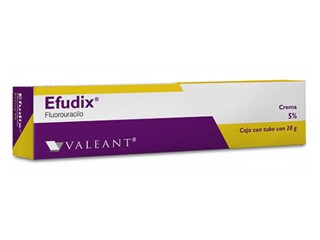
Efudex contains fluorouracil, a topical medicine used to treat certain skin conditions. This guide explains what Efudex is, how it works, how it is used, and what to expect during treatment. It is written in a patient-friendly way for people in the United Kingdom.
1. Basic product information
Efudex is a brand name for fluorouracil, a topical medicine used on the skin. It is commonly supplied as a cream and is used for targeted treatment of abnormal or pre-cancerous skin lesions under medical guidance.
| Feature | What it means |
|---|---|
| Active ingredient | Fluorouracil (5‑FU) |
| Medicine type | Topical antimetabolite (used on the skin) |
| Typical format | Cream/ointment depending on presentation |
| What it treats | Commonly used for actinic keratoses and selected superficial skin lesions (see indications) |
| How it works | Interferes with DNA/RNA production in rapidly dividing abnormal cells |
Efudex is intended for use on the skin area specified by your clinician. The appearance of treated skin changes during therapy and may be uncomfortable, which can be expected for this type of treatment. The best outcome depends on using it as directed and attending follow-up if advised.
2. Mechanism of action
Fluorouracil (5‑FU) is an antimetabolite. It works by disrupting essential building blocks needed for cell growth and division.
In simple terms, it interferes with the biochemical pathways that produce DNA and RNA. Abnormal cells—such as those found in pre-cancerous lesions—tend to divide more rapidly than healthy skin cells. As a result, Efudex aims to:
- Stop or slow replication of abnormal cells
- Reduce the lesion burden across the treated area
- Trigger a controlled local skin reaction that contributes to lesion clearance
Efudex acts locally in the skin. Most of the effects you notice are related to the local irritation and inflammatory response as the abnormal tissue is treated.
3. Pharmacokinetics (how the body handles it)
Topical fluorouracil is designed to act in the skin. A small amount may be absorbed through the skin, particularly if the skin barrier is compromised (for example, if there is broken skin, heavy inflammation, or extensive application).
Key points about pharmacokinetics are typically described in the following terms:
- Absorption: Usually limited when applied to intact skin, but absorption may increase with damaged skin or large treatment areas.
- Distribution: After absorption, it may circulate and be taken up by tissues, though topical use aims to keep systemic exposure low.
- Metabolism: Fluorouracil is metabolised in the body through normal pathways for nucleotide-like compounds.
- Elimination: Metabolites are eliminated primarily through renal (kidney) and other clearance routes.
Because individual absorption varies, following the recommended amount, frequency, and duration is important. Your clinician may adjust instructions if you develop severe local reactions.
4. Typical use and indications
Efudex is used for certain skin conditions, particularly those caused by sun damage (often called photo-damage). In the UK, one of the common uses is for:
- Actinic keratoses (also known as solar keratoses): pre-cancerous rough patches caused by long-term sun exposure.
- Selected superficial skin lesions where fluorouracil-based field therapy is appropriate (the exact suitability depends on the lesion type, size, location, and clinician assessment).
The term “field therapy” means treating an area that may contain multiple abnormal cells, even if not all are visible. This can be useful when there are several lesions in a sun-exposed region.
What you may notice during treatment
Many people experience visible changes in the treated skin. This can include redness, soreness, scaling, crusting, blistering, and peeling. These reactions often peak during treatment and gradually settle after stopping Efudex.
The reaction is a sign that the medicine is acting locally, but it must remain within safe limits. If the skin becomes severely painful, infected, or you develop signs of widespread rash or allergy, stop using it and seek medical advice promptly.
5. How to use Efudex (timing and dosing)
Always follow the instructions provided with your medicine and any direction from your healthcare professional. Instructions can differ depending on the condition being treated, the strength of the formulation, and how many areas are treated.
Typical dosing approach (general guidance)
Topical fluorouracil regimens commonly involve applying the cream to the affected area at a set frequency for a course of weeks. In many schedules, application is done once or twice daily, but exact instructions vary.
Because products and regimens vary, the safest approach is:
- Use the amount and frequency stated on your specific instructions.
- Apply a thin layer to the lesions/target area unless told otherwise.
- Wash hands before and after applying.
- Avoid eyes, lips, nostrils, and genitals unless specifically directed.
Timing
Many people prefer applying Efudex in the evening, as it may allow the medicine to stay in place overnight. If you’re applying twice daily, spacing doses can help reduce irritation.
Treatment duration
Treatment may last for several weeks. You may be asked to return for review to confirm response, check the skin reaction, and decide whether further care is needed.
What if you miss a dose?
If you miss an application, apply it when you remember unless it’s close to the next dose. Do not apply extra to make up for the missed dose. If you’re unsure, ask a pharmacist or follow the medicine instructions.
How to apply safely
- Clean and dry the area gently before applying.
- Apply a thin, even layer to the target skin.
- Wash your hands thoroughly after use.
- Avoid tight occlusive dressings unless directed, as this may increase irritation and absorption.
- If the treated area becomes extremely irritated, consult a clinician about whether to pause or adjust use.
When to stop and seek urgent advice
Stop using Efudex and seek urgent medical attention if you develop:
- Signs of serious allergic reaction (e.g., swelling of face/lips, difficulty breathing)
- Evidence of severe infection (increasing warmth, pus, fever, rapidly spreading redness)
- Severe blistering or skin breakdown with intense pain that doesn’t settle
- Extensive rash beyond the treated area
6. Food interactions
Efudex is a topical medicine. It is not generally expected to have direct interactions with food in the way that oral medicines may. However, general medication principles still apply:
- If you are taking other treatments for skin cancer or pre-cancer, tell your healthcare professional about your full list of medicines.
- Stay hydrated during treatment, especially if you are experiencing significant skin irritation.
There are no well-known major food–fluorouracil interactions for topical use, but your overall medical status may influence how your skin reacts.
7. Alcohol and medicine interactions
Alcohol
There is no specific, commonly established “alcohol interaction” for topical Efudex. That said, some people may find alcohol can worsen side effects indirectly, such as dehydration or overall well-being, which can affect comfort during inflammatory skin reactions.
If you have liver disease, are on multiple medications, or have concerns about safety, ask a pharmacist for advice tailored to your situation.
Other medicines (interaction considerations)
Systemic interactions are not usually a major issue with topical fluorouracil, but skin-related interactions can be important. Avoid combining Efudex with other products that may increase irritation unless your clinician advised it.
Be cautious with:
- Other topical irritants on the same area (for example, strong exfoliants, harsh antiseptics, or products containing certain acids or alcohol-based toners).
- Other anti-psoriatic or keratolytic creams unless advised, as this may amplify irritation.
- UV exposure (sun, sunbeds) during treatment—this can greatly increase inflammation and risk of burns.
Examples of medicines to mention to your healthcare professional
- Other skin therapies you are using (including prescription creams)
- Medicines that suppress immune function (if applicable)
- Chemotherapy or other cancer treatments (if applicable)
- Any medicines that increase photosensitivity (depending on your overall regimen)
If you are unsure whether another product or medicine is safe to use alongside Efudex, ask a pharmacist. It’s usually best not to apply additional creams to the treated area unless instructed.
8. Safety profile and side effects
Efudex can cause local skin reactions because it is designed to treat abnormal cells by affecting rapidly dividing tissue. Side effects vary by person and by how extensive the treatment area is.
Common side effects
- Redness (erythema)
- Burning or stinging
- Swelling or tenderness
- Scaling and crusting
- Ulceration or superficial skin breakdown (as part of the expected local reaction in some regimens)
- Blistering (more likely with stronger reactions or sensitive skin)
- Itching or discomfort
- Skin pigment changes (temporary or sometimes longer lasting)
- Dryness and peeling
Less common but important side effects
- Allergic or hypersensitivity reactions (rash beyond the treated area)
- Infection if skin barrier breaks (watch for increasing pain, heat, pus, fever)
- Severe local dermatitis that becomes unmanageable
Who should use caution?
Extra care is advised if any of the following apply:
- History of significant skin sensitivity or severe reactions to topical medicines
- Treatment over very large areas or areas with significant skin damage
- Current skin infection on the treatment site
- Pregnancy or breastfeeding (discuss suitability with a healthcare professional)
General precautions
- Keep away from eyes and mucous membranes.
- Do not apply to open wounds or areas not meant for treatment unless instructed.
- Use sun protection (SPF and protective clothing) as advised; avoid sunbeds.
- Use care to prevent accidental transfer to others (for example, by washing hands after application and keeping clothing/dressings clean).
Pregnancy and breastfeeding (high-level)
Because Efudex contains fluorouracil, it’s important to discuss use during pregnancy or breastfeeding with a healthcare professional. The clinician can weigh the benefits and risks for your specific situation and advise on safest options.
9. Practical use tips
Expect a reaction (and plan for it)
The treated area often changes dramatically before it improves. Consider scheduling treatment when you can tolerate potential redness and discomfort. It may help to have soft skincare products available (such as plain moisturisers) for non-treated surrounding skin, but avoid applying anything to the treatment area unless advised.
Protect the skin barrier
- Use gentle cleansing (avoid scrubbing).
- If dressing is needed, follow your clinician’s advice on type and frequency.
- Avoid picking at crusts or scabs; this can increase irritation and scarring risk.
Reduce friction and irritation
Friction can increase soreness. Wear loose, breathable clothing over the treated area. If the site is on the face or scalp, be careful with shaving or hair styling products.
Sun protection is essential
Treated skin is more vulnerable to damage. Use sun protection:
- Apply broad-spectrum SPF to surrounding skin not covered by medicine (unless your clinician says otherwise)
- Wear a hat or protective clothing
- Avoid direct sunlight where possible during the course
- Avoid sunbeds entirely
When to moisturise
Some clinicians recommend moisturisers for surrounding skin to reduce discomfort. Follow your clinician’s guidance. If you’re unsure, ask a pharmacist. Moisturisers applied directly on the treated lesion can alter how the product behaves depending on formulation.
Hygiene and preventing transfer
- Wash hands thoroughly after each application.
- Avoid touching the treated area and then touching your eyes.
- Keep bedding and clothing clean; use a dressing if recommended.
- Keep away from small children and pets until the area is fully dry and covered if necessary.
Practical pain control (ask first)
Discomfort during treatment is common. Your healthcare professional may recommend simple pain relief measures. Avoid taking additional medicines directly onto the area unless prescribed.
10. Alternative options
Depending on the skin condition, size, number of lesions, and your skin type, clinicians may consider other treatment options. Alternatives may include:
- Cryotherapy (freezing) for individual lesions
- Other topical field therapies (for example, immune-modulating or different chemotherapeutic creams, where appropriate)
- Photodynamic therapy (PDT) in some settings
- Surgical removal for selected lesions or when rapid clearance is needed
- Combination approaches (e.g., treating visible lesions and using topical therapy for surrounding field)
The “best” option depends on the diagnosis, distribution of lesions, tolerability, and cosmetic outcome goals. Efudex may be chosen for particular patterns of lesions and field involvement.
11. Market and legal context for the UK
In the United Kingdom, medicines are regulated to ensure safe use, appropriate supply, and accurate information. Availability of specific formulations may vary over time depending on supply arrangements and manufacturer marketing authorisations.
In an online pharmacy context, customers in the UK typically receive:
- Clear product information and strength/format details
- Guidance on safe storage and use
- Information about side effects and when to seek medical advice
- Support for delivery times and tracking
If you are shopping online, check that you receive the correct strength, formulation, and pack size for your treatment plan.
12. Recent guidance and monitoring (high level)
Clinical practice in the UK for actinic keratoses and selected superficial skin lesions generally emphasises:
- Accurate diagnosis (including biopsy when required)
- Appropriate selection of treatment based on lesion characteristics
- Field management—treating sun-damaged areas rather than only single visible lesions in suitable cases
- Follow-up to assess clearance and detect recurrence
- Strong prevention measures: sun protection and regular skin checks
During topical treatments, clinicians may schedule a review to evaluate the skin response and decide whether treatment should continue, pause, or stop based on tolerability and expected reaction.
13. Delivery and availability (UK)
Online pharmacies in the UK may offer home delivery of topical medicines subject to stock availability and regulatory requirements. Availability can depend on the specific product strength and pack size currently in circulation.
What to check before ordering
- Correct product: Confirm it is Efudex (fluorouracil) topical cream/appropriate presentation.
- Strength and form: Ensure the strength matches your treatment instructions.
- Pack size: Consider whether the pack duration aligns with your course length.
- Storage: Follow storage instructions on the label (often stored at controlled room temperature; keep out of heat and moisture).
Delivery options
Delivery schedules typically vary by courier and location in the UK. After dispatch, you may receive tracking details. Contact customer support if you need delivery by a specific date so they can advise the likelihood based on current logistics.
If you need a replacement
If your delivery is damaged or incomplete, notify the online pharmacy promptly with order details so a resolution can be arranged.
14. FAQ
How long does it take for Efudex to work?
Local skin changes can start within days, but visible clearance often takes the length of the treatment course and sometimes additional time after stopping. Your clinician will advise when to expect improvement and when to review response.
Is the redness and peeling normal?
A reaction is common with Efudex. Redness, scaling, and crusting are often part of the intended local effect. However, severe pain, spreading rash beyond the treated area, or signs of infection should be assessed by a clinician.
Can I cover the treated area with a dressing?
Sometimes clinicians recommend protective dressings, especially if the area rubs or is hard to keep clean. The type of dressing and whether it should be occlusive varies—follow your instructions and avoid heavy occlusion unless told.
Should I use moisturiser?
Often it’s helpful to moisturise the surrounding non-treated skin to reduce discomfort. Whether you can moisturise the treated area depends on your regimen. If unsure, ask a pharmacist or follow clinician advice.
Can I shave or use hair products on the area?
Avoid shaving over the treated skin while it is inflamed or broken. For scalp or facial treatment, be gentle with hair products and avoid irritating sprays, fragrances, or strong styling agents.
What if it gets too sore to continue?
Severe reactions can occur. Contact your healthcare professional for advice on whether to pause, adjust the frequency, or stop. Don’t simply continue if pain or skin breakdown becomes excessive.
Can I use Efudex on my face or scalp?
Efudex is sometimes used on sun-damaged areas of the face or scalp, depending on the condition and lesion pattern. Application near eyes requires extra caution to avoid contact with the eye surface.
Will Efudex cure skin cancer?
Efudex is used for pre-cancerous or selected superficial lesions where topical treatment is appropriate. It is not a substitute for proper diagnosis and may not be suitable for all types of skin cancer. Follow follow-up recommendations to confirm response.
Is it safe for children?
Efudex is not intended for routine use in children unless specifically directed by a clinician for an appropriate condition. Keep out of reach of children and follow safety guidance.
What should I do about sun exposure after treatment starts?
Avoid direct sunlight and sunbeds during the course. Treated skin is more sensitive and can burn more easily. Use protective clothing and SPF on surrounding skin (unless instructed otherwise).
Where can I find the latest information about my specific regimen?
The most accurate source is the written instructions you receive with the medicine and your clinician’s advice. If there’s anything unclear—such as how many times per day to apply—check with your pharmacist.