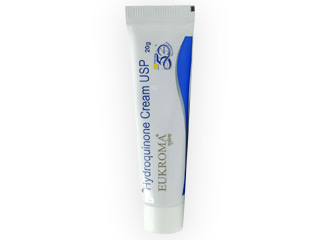
Hydroquinone: Patient-Friendly Guide (UK)
Hydroquinone is a skin-lightening ingredient used to treat certain types of dark patches (hyperpigmentation). It is commonly found in creams and gels and may be offered for different strengths depending on the product and intended use in the United Kingdom.
This guide explains how hydroquinone works, how to use it safely, what to expect, and important interactions and precautions. It is written for general information and does not replace advice from a healthcare professional or the instructions provided with your product.
Basic product information
| Category | Details |
|---|---|
| Common name | Hydroquinone |
| What it’s used for | Reducing unwanted pigmentation/spotty darkening |
| Typical forms | Topical creams, gels, and combination formulations |
| Where it’s applied | On the skin only (affected areas) |
| Strength | Varies by product; follow the label and local guidance |
| Who should avoid unless advised | People with significant skin irritation, certain skin conditions, or allergy history—seek advice |
How hydroquinone works (mechanism of action)
Hydroquinone works mainly by targeting the process that creates skin pigment (melanin).
- Reduces melanin formation: Hydroquinone helps slow steps involved in melanin production within melanocytes (pigment-producing cells).
- Limits oxidative changes: It acts as a tyrosinase inhibitor and influences related biochemical pathways, which can reduce the appearance of dark spots over time.
- Helps fade established marks: With consistent use (and strict sun protection), visible fading can occur gradually.
Important: The skin-darkening process is often driven by sunlight, inflammation, hormonal changes, and friction. Hydroquinone can help pigment become lighter, but it will not fully prevent new pigmentation unless triggers are controlled—especially sun/UV exposure.
Pharmacokinetics: what happens in the body
Hydroquinone is applied to the skin. In most people, only small amounts of the active ingredient are expected to enter the bloodstream. However, absorption can be higher under certain conditions.
- Skin absorption: Typically low when applied to intact skin in small amounts.
- Factors that may increase absorption: Broken/irritated skin, heavy application, large treated areas, occlusion (covering with airtight dressings), and prolonged use.
- Metabolism & excretion: Any absorbed hydroquinone is metabolised in the body and eliminated mainly through urine.
Because absorption can vary, it’s important to follow dosing instructions closely and stop if significant irritation occurs.
Typical indications: what hydroquinone is used for
Hydroquinone is used for hyperpigmentation conditions such as:
- Melasma (often facial patches that darken with sun exposure or hormonal influences)
- Post-inflammatory hyperpigmentation (PIH) (dark marks after acne, irritation, or minor skin injuries)
- Fading certain types of dark spots where pigment overproduction is the underlying issue
Note: Hydroquinone is not a general “tan remover” and may not work well for pigment caused by other issues. For persistent or unclear darkening, a clinician can help confirm the diagnosis (for example, whether it is melasma, PIH, or something else).
Typical dosing & timing (how to apply)
Always follow the exact instructions on your specific product label. Different strengths and formulations may have different directions.
General approach (commonly used)
- Start slowly: Apply a thin layer to clean, dry skin once daily at first (for example, in the evening), unless your product says otherwise.
- Then adjust if tolerated: If your skin tolerates the product well, some regimens progress to twice daily. Follow the label guidance.
- Target small areas: Apply to the dark patches rather than the whole face or body, unless your product instructions specifically suggest otherwise.
How long to use it
- Use in defined cycles: Many hydroquinone regimens are time-limited to reduce the risk of irritation and side effects.
- Expect gradual results: Fading is usually not immediate. Improvements may take several weeks, with more noticeable change over a few months.
- Stop if problems occur: If you experience significant redness, swelling, burning, blistering, or worsening pigmentation, stop and seek advice.
When to apply (practical timing)
- Best time: Many people apply hydroquinone at night to reduce daytime photosensitivity concerns and because it can be layered with other evening skincare.
- Sun protection is essential: Use a broad-spectrum sunscreen every morning. Without sunscreen, darkening often returns.
Food interactions
Because hydroquinone is typically used topically, it is not expected to have clinically relevant food interactions. However, if you absorb more due to large-area use or damaged skin, systemic interactions become a consideration.
- No specific food interactions are commonly reported for topical hydroquinone.
- Still: Follow your product label and avoid exceeding recommended usage.
Alcohol and medicine interactions
Alcohol: There are no well-established, direct interactions between topical hydroquinone and alcohol. However, avoid using hydroquinone on irritated or inflamed skin, and do not mix it with harsh skincare steps that could worsen irritation.
Other medicines and skincare interactions: Hydroquinone may irritate skin, and combination with other active ingredients can increase sensitivity. Consider caution when using alongside:
- Retinoids (e.g., tretinoin/adapalene) and other exfoliating products
- Strong acids (e.g., high-strength glycolic acid, salicylic acid, or peels)
- Other depigmenting agents (unless specifically directed in combination products)
- Products that are known to cause dryness (alcohol-based toners, strong scrubs, fragranced products)
If you use other actives, you may need a slower introduction and a consistent moisturiser to reduce irritation. If your product instructions mention a “do not combine with” list, follow that.
Safety profile: risks, side effects, and when to seek help
Most people tolerate hydroquinone when used correctly and for limited periods, but side effects can occur—especially if applied too frequently, over large areas, or on irritated skin.
Common side effects (usually mild)
- Skin irritation (redness, dryness, mild burning or stinging)
- Itching or mild discomfort
- Peeling or flaking
Less common but important reactions
- Severe dermatitis (intense redness, swelling, blistering)
- Allergic reaction (rash spreading beyond the application site, hives)
- Worsening hyperpigmentation in some people if irritation occurs or if used improperly
Stop and get advice urgently if
- You develop blistering, significant swelling, or a widespread rash
- You experience severe burning or pain
- Your pigmentation darkens rapidly
Safety considerations
- Do not use on broken skin or open wounds.
- Avoid eyes and lips: Apply carefully to prevent contact.
- Patch test: Consider testing on a small area (as directed by your product) before full use.
- Limit exposure to sunlight: Use sunscreen daily and physical shade when possible.
Pregnancy and breastfeeding: If you are pregnant or breastfeeding, discuss suitable options with a healthcare professional. Safety depends on the amount absorbed and product strength.
Practical use tips for better results
Hydroquinone works best when used as part of a consistent “pigment control routine.” The most important step is daily sun protection.
- Cleanse gently: Use a mild, non-stripping cleanser.
- Apply to dry skin: Wait until skin is fully dry before applying hydroquinone.
- Use a thin layer: More is not better; excess product can increase irritation.
- Moisturise: A bland moisturiser can help reduce dryness and improve tolerance.
- Wear sunscreen every morning: Choose broad-spectrum protection (UVA/UVB) and reapply if outdoors.
- Minimise triggers: Reduce friction (e.g., rubbing), avoid waxing/irritating treatments on pigmented areas during active treatment, and address acne inflammation early.
- Avoid tanning: Tanning increases pigment and undermines fading.
How to manage irritation: If you feel burning or see significant redness, pause treatment, focus on soothing moisturising, and restart less frequently only if symptoms settle (or seek advice).
Alternative options for hyperpigmentation
There are several alternatives to hydroquinone, depending on your skin type, cause of pigmentation, and tolerance. Options may include:
- Other topical pigment-lightening ingredients such as azelaic acid, niacinamide, vitamin C (ascorbic acid), and certain retinoids.
- Chemical exfoliation (gentle acids) for some types of PIH—done carefully to avoid irritation.
- Professional treatments where appropriate (e.g., chemical peels, laser/light-based therapies), guided by clinician assessment.
- Strict photoprotection and trigger management—often the most effective long-term measure, particularly for melasma.
Choosing an alternative: If hydroquinone causes irritation or isn’t suitable, a clinician or pharmacist can help determine the best option and a safe plan for your particular condition.
Market and legal context in the United Kingdom
Hydroquinone regulations in the UK can vary by product type, strength, and intended use. In general, topical hydroquinone is a regulated medicine ingredient, and availability may differ based on concentration and formulation.
For online purchases, availability and strength depend on current UK regulatory requirements and the product’s classification. Some hydroquinone products may be supplied through certain routes or limited to specific strengths for non-clinical supply.
Always: Use a reputable seller, ensure the product label clearly states the ingredient and concentration, and follow the instructions provided.
Recent guidance: Guidance can change over time, especially regarding maximum permitted concentrations in cosmetic or non-prescription contexts. Check the product page details and label for the latest manufacturer instructions and follow any regulatory updates reflected by the product listing.
Delivery and availability (online pharmacy)
Availability of hydroquinone products in the UK may vary by brand, strength, and formulation. When choosing an online pharmacy or retailer:
- Check the product strength and the intended area of use.
- Confirm delivery location (UK address required).
- Review packaging and expiry date where shown.
- Ensure clear instructions are included in the product pack.
Delivery times: Delivery schedules can depend on stock availability and courier service. Many pharmacies offer tracked delivery options, and delivery estimates should be displayed at checkout.
Storage: Keep the product according to label directions (commonly at room temperature, away from direct sunlight and moisture).
FAQ
How long does it take for hydroquinone to work?
Results are usually gradual. Many people notice some improvement after several weeks, with clearer fading over 8–12 weeks or longer, depending on the cause of pigmentation and consistent sun protection. If there is no improvement after the timeframe suggested on your product label, seek advice.
Can I use hydroquinone every day?
Often, once-daily or twice-daily schedules are used depending on the product strength and how well your skin tolerates it. Follow the label. Daily use for long periods may increase irritation risk, so many regimens are time-limited.
Should I use sunscreen with hydroquinone?
Yes. Sunscreen and sun avoidance are essential. Without photoprotection, new pigmentation can form and undo fading.
Will hydroquinone lighten my skin permanently?
Hydroquinone is intended to reduce visible hyperpigmentation. Results generally relate to the treated areas. However, incorrect use, excessive irritation, or lack of sun protection can lead to worsening marks or rebound pigmentation. Using hydroquinone as directed helps reduce these risks.
Can I combine hydroquinone with other skincare actives?
You may, but it can increase irritation. Many people prefer a cautious routine: moisturiser plus sunscreen in the daytime, and hydroquinone at night. If you use exfoliating acids or retinoids, consider spacing them out or using alternatives—especially during the first days/weeks of treatment.
What should I do if my skin becomes irritated?
Stop hydroquinone and switch to gentle cleansing and a bland moisturiser until irritation settles. Once resolved, you can restart only if it is safe to do so according to your product instructions. If irritation is severe or persists, seek advice.
Is hydroquinone safe for sensitive skin?
Some people with sensitive skin tolerate hydroquinone well when introduced slowly and used in a thin layer on small areas. Others experience significant irritation. A patch test and careful timing can help, but if you have a history of dermatitis, it’s best to seek guidance.
Can I use hydroquinone on my body?
Some products are marketed for specific areas. Follow the label about where it can be applied. Avoid large-area use and use only on skin that is intact and appropriate for treatment.
Is there any link between hydroquinone and tanning or UV exposure?
Yes. UV exposure increases melanin production and can worsen hyperpigmentation, particularly in melasma and PIH. Hydroquinone may help fade marks, but it will not prevent pigment from returning without strong sun protection.
What are good “starter steps” for using hydroquinone?
- Apply a thin layer to affected spots only.
- Start once daily (if label allows) and increase only if tolerated.
- Use daily sunscreen and minimise direct sun exposure.
- Use moisturiser to reduce dryness and improve comfort.
- Stop if irritation becomes significant.
Summary
Hydroquinone is a topical skin-lightening ingredient used to treat hyperpigmentation such as melasma and post-inflammatory dark marks. It works by reducing pathways involved in melanin formation. Because it can irritate skin and because sun exposure can quickly reactivate pigmentation, successful treatment depends on correct application, limited duration, and consistent photoprotection.
If you are unsure whether hydroquinone is suitable for your skin condition—or if you experience persistent irritation or worsening pigmentation—seek advice from a healthcare professional or pharmacist.