
Acamprosate (for alcohol dependence) – Patient Information (UK)
Acamprosate is a medicine used to help people maintain abstinence after they have stopped drinking alcohol. It is commonly prescribed in the UK as part of a wider support plan, such as counselling or behavioural therapy. This page explains how acamprosate works, how it is taken, what to expect, and important safety information.
Please note: Always follow the advice of your healthcare professional and the instructions on the medicine label. If you are unsure about your regimen, ask your pharmacist or prescriber for clarification.
Basic product information
| Item | Details |
|---|---|
| Medicine name | Acamprosate (commonly sold as acamprosate calcium) |
| Medicinal purpose | Helps maintain abstinence in alcohol dependence |
| How it is taken | Oral tablets (and depending on brand, other oral forms) |
| Typical dosing frequency | Usually three times daily (TDS), depending on kidney function |
| Common side effects | Diarrhoea, nausea, abdominal discomfort, headache, dizziness |
| Key safety concern | Kidney impairment may require dose adjustment or avoiding use |
Indications: what acamprosate is used for
In the UK, acamprosate is indicated to help maintain abstinence in adults with alcohol dependence. It is intended for people who have already stopped drinking (or have reached a stable period of abstinence) and want support to reduce the risk of relapse.
Important: Acamprosate is not a “detox” medicine for stopping alcohol withdrawal symptoms. If you are currently withdrawing or at risk of severe withdrawal, you should seek urgent medical advice. Withdrawal from alcohol can be dangerous without proper support.
How acamprosate works (mechanism of action)
Alcohol dependence affects brain signalling systems that help control motivation, reward, and stress responses. Over time, the brain adapts to the presence of alcohol. When alcohol use stops, these adaptations can contribute to cravings, anxiety-like symptoms, and relapse risk.
Acamprosate is thought to help restore balance in neurotransmission by influencing pathways related to:
- GABA (gamma-aminobutyric acid) – a calming neurotransmitter system
- Glutamate – an excitatory neurotransmitter system
In practical terms, acamprosate helps reduce the likelihood of relapse in abstinent individuals. It does not “block” alcohol effects like some other treatments; rather, it targets the underlying neurochemical imbalance associated with stopping alcohol.
Pharmacokinetics: how the body handles acamprosate
Understanding pharmacokinetics helps explain dosing and timing. Key points include:
- Absorption: Acamprosate is absorbed from the gut after oral dosing. It is generally not heavily affected by food.
- Distribution: It circulates in the body and reaches sites involved in neurotransmission.
- Metabolism: It is not extensively metabolised by the liver.
- Excretion: The medicine is eliminated largely unchanged, with a major route being the kidneys (renal clearance).
- Half-life: It has an elimination half-life that supports the need for dosing several times daily to maintain therapeutic exposure.
Clinical implication: Because kidney function is important, dose adjustments may be required for people with renal impairment. If your kidney function is reduced, your clinician will usually check creatinine clearance and tailor the dose accordingly.
Typical use in alcohol dependence
Acamprosate is used as maintenance therapy. Common goals include:
- Reducing cravings and relapse urges
- Supporting longer-term abstinence
- Acting as part of a comprehensive recovery plan
It is often started soon after alcohol cessation. While some individuals may notice benefit over time, the treatment plan usually aims for sustained abstinence rather than short-term effects.
Timing and how to take acamprosate
Acamprosate is usually taken three times daily (for example, morning, afternoon, and evening). Your exact schedule depends on the dose prescribed and your kidney function.
Tips for timing:
- Choose fixed times that fit your day (for example, after meals or with a morning/afternoon/evening routine).
- Try to take doses at consistent intervals to maintain steady levels.
- If you miss a dose, take it when you remember unless it is close to the time for the next dose. Do not double up.
With or without food? Acamprosate can generally be taken with or without food. See the food interaction section below for more detail.
Food interactions
Acamprosate has minimal clinically significant interactions with food. For many people, it is easiest to take with or after meals to reduce the chance of stomach upset.
Practical approach:
- If you experience nausea or stomach discomfort, consider taking it with food.
- If your stomach feels fine, you may take it without food if that suits your routine.
Always check your specific brand’s leaflet for any formulation-specific instructions.
Alcohol and medicine interactions
Because acamprosate is intended to support abstinence, the best outcome is achieved when you avoid alcohol.
Interactions with alcohol:
- Alcohol may worsen mood, sleep, and cravings, undermining treatment goals.
- Drinking alcohol while taking acamprosate can increase the risk of relapse and may affect other medications you take concurrently.
Interactions with other medicines: Acamprosate is not extensively metabolised, which often means it has a lower risk of drug–drug interactions compared with medicines that depend on the liver. However, you should still tell your pharmacist or prescriber about all medicines and supplements you use, including:
- Medicines for anxiety, depression, or sleep
- Opioid pain relief
- Medicines for epilepsy
- Thyroid treatments
- Herbal products (e.g., St John’s wort)
- Any over-the-counter remedies
Kidney-related caution: Because acamprosate is eliminated mainly by the kidneys, other medicines that affect kidney function (or increase risk of dehydration) may indirectly influence how safe or suitable acamprosate is for you. This is especially relevant if you are elderly or have chronic kidney disease.
Recommended dosing (and dose adjustments)
Always follow your healthcare professional’s instructions. The standard dosing approach for acamprosate is generally:
- Adults: often 333 mg three times daily (total daily dose typically 999 mg), depending on the formulation used and clinical factors.
- Renal impairment: dose adjustments are commonly needed. In moderate renal impairment, the dose may be reduced. In severe impairment, acamprosate may be contraindicated or avoided depending on the product’s licensed guidance.
- Liver impairment: acamprosate is usually less affected by liver function because it is not extensively metabolised in the liver.
Practical reminder: Your clinician will tailor dosing based on kidney function (often measured by creatinine clearance or eGFR) and your personal risk profile.
Missed dose advice:
- If you miss a dose, take it as soon as you remember.
- If it is nearly time for the next dose, skip the missed dose and continue as normal.
- Do not take two doses at once to make up for a missed dose.
Treatment duration: Many people continue therapy for months while maintaining abstinence. Your prescriber will review progress and decide how long to continue based on individual circumstances.
Safety profile: what to watch for
Common side effects
Side effects vary between individuals. The most commonly reported include:
- Diarrhoea (sometimes dose-related)
- Nausea or stomach discomfort
- Headache
- Dizziness
- Fatigue
What you can do: If you develop diarrhoea, focus on hydration and consider speaking to your pharmacist about symptomatic advice. Do not stop the medicine abruptly without medical guidance, especially if the treatment plan is important for relapse prevention.
Serious side effects (seek prompt medical advice)
Serious reactions are uncommon, but contact a healthcare professional urgently if you develop:
- Signs of an allergic reaction (e.g., swelling of the face/lips, rash, breathing difficulties)
- Severe or persistent diarrhoea, dehydration, or inability to keep fluids down
- Confusion or unusual severe dizziness
Who should take extra care?
Discuss suitability with a healthcare professional if you have:
- Kidney impairment (dose adjustment and monitoring may be needed)
- Any significant medical conditions affecting hydration or kidney function
- A history of medication intolerance or frequent side effects
- Current complex medication regimens
Practical use tips (to improve comfort and adherence)
- Use a reminder system: alarms, pill boxes, or smartphone reminders can help with three-times-daily dosing.
- Take consistently: try to keep the same schedule each day.
- Manage stomach upset: taking with food may help if you experience nausea or diarrhoea.
- Stay hydrated: especially if you experience diarrhoea.
- Support therapy matters: acamprosate is most effective as part of a plan that includes counselling, mutual support, and strategies to avoid relapse triggers.
- Track progress: many people find it helpful to note cravings, triggers, and coping strategies in a diary to reinforce positive change.
Alternative options for supporting abstinence (UK overview)
Depending on your history, severity of alcohol dependence, and clinical factors (including kidney and liver function), your healthcare professional may consider other evidence-based treatments and support strategies.
Other pharmacological options commonly discussed
- Naltrexone (for some people): can help reduce heavy drinking and cravings by blocking opioid receptors involved in reward pathways.
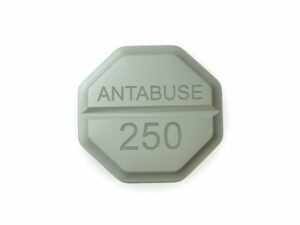
- Disulfiram: causes unpleasant effects if alcohol is consumed; typically used with careful supervision and strong motivation to avoid alcohol.
- Other support-focused approaches: in some cases, additional medication or targeted interventions may be recommended.
Choice of medicine is individual: availability, kidney/liver function, side effect tolerance, and adherence preferences all influence selection.
Non-medicine alternatives
- Alcohol use disorder counselling (e.g., structured talking therapies)
- Mutual support groups (such as Alcoholics Anonymous or local equivalents)
- Structured relapse-prevention plans (identifying triggers, coping strategies, emergency contacts)
- Community and specialist services (e.g., NHS alcohol treatment services)
Market and legal context for the UK
In the UK, medicines are regulated by the Medicines and Healthcare products Regulatory Agency (MHRA). Acamprosate products are authorised for use under UK medicines regulations. Availability may vary by brand and formulation.
For an online pharmacy listing, typical considerations include:
- Right product and correct strength: different brands may have different tablet strengths.
- Appropriate screening: kidney function and current medication history are important for safe suitability.
- Clear patient information: the UK requires patient information leaflets (PILs) and safe-use instructions.
Recent guidance and monitoring: Clinical management of alcohol dependence in the UK is supported by national guidance from bodies such as NICE (National Institute for Health and Care Excellence) and professional prescribing guidance. These emphasise combining medication with psychosocial support, assessing risk, and considering individual health factors (particularly kidney function for acamprosate).
Delivery and availability (UK online pharmacy)
Availability of acamprosate may depend on stock levels, formulation (e.g., strength and tablet type), and the specific product brand. Many online pharmacies operate distribution networks that deliver across the UK.
What you can typically expect:
- Packaging: medicines are supplied in tamper-evident packaging.
- Delivery timeframes: delivery options and dispatch times vary by provider and location.
- Tracking: some services provide dispatch and tracking notifications.
To ensure smooth delivery: keep your contact details up to date and check delivery instructions (e.g., safe place or signature requirements where applicable).
FAQ about acamprosate (UK)
1) Is acamprosate used to treat alcohol withdrawal?
No. Acamprosate is for supporting maintenance of abstinence after stopping drinking. Alcohol withdrawal requires separate medical management, especially if withdrawal symptoms are severe or complicated.
2) How soon will I feel an effect?
Many people notice benefits gradually as part of longer-term relapse prevention. Acamprosate is typically intended for sustained use rather than immediate “on the day” relief of cravings.
3) Can I drink alcohol while taking acamprosate?
Acamprosate is intended to help you stay abstinent. Drinking alcohol may undermine the treatment plan and increase relapse risk. If you are struggling to stay off alcohol, speak to a healthcare professional or local alcohol support service for immediate help.
4) Should I take it with food?
Food usually has minimal impact. Many people find it easier on the stomach to take with meals, particularly if they experience nausea or diarrhoea.
5) What if I miss a dose?
Take it as soon as you remember unless it is nearly time for the next dose. Do not take a double dose to make up for a missed tablet.
6) Who should not take acamprosate?
Suitability depends on individual factors, particularly kidney function. People with severe renal impairment may need to avoid it or use a different plan. Always check with a healthcare professional.
7) Are there important drug interactions?
Acamprosate has fewer interaction risks than some medicines because it is not extensively metabolised. However, you should still disclose all medicines and supplements to ensure safety, especially if you have kidney problems or take multiple medications.
8) What should I do if I get diarrhoea?
Occasional mild diarrhoea may settle. Stay hydrated and consider taking doses with food. If diarrhoea is severe, persistent, or leads to dehydration, seek medical advice promptly.
9) How long should I stay on acamprosate?
Duration varies. Your clinician will review your progress and decide when and whether to continue. It’s common for treatment to be assessed over months as part of a relapse-prevention strategy.
10) Can acamprosate be taken if I have liver disease?
Acamprosate is not heavily metabolised by the liver, so liver impairment alone is usually less of a concern than kidney impairment. Your clinician should still assess your overall health and suitability.
Summary
Acamprosate is a medicine designed to help people maintain abstinence after stopping alcohol. It works by supporting neurotransmitter balance linked to alcohol dependence. It is usually taken three times daily and is generally not significantly affected by food. The most important safety consideration is kidney function, which may require dose adjustment or avoidance in severe cases.
For best results, acamprosate should be used alongside structured support—such as counselling, relapse-prevention strategies, and community services—because long-term recovery is supported by both medication and practical day-to-day help.