
Disulfiram (Disulfiram) – Patient Information (UK)
Disulfiram is a medicine used in the management of alcohol dependence. It works by producing an unpleasant reaction when alcohol is taken, helping some people maintain abstinence. This page explains how Disulfiram works, how it should be taken, common interactions (especially with alcohol and some medicines), and practical tips for safe use in the United Kingdom.
Always follow the advice given by your healthcare professional and read the package information leaflet (PIL) supplied with your medicine.
Key Product Information
- Medicine name: Disulfiram
- What it is for: Support for people aiming to maintain alcohol abstinence in alcohol dependence
- How it works: Causes unpleasant effects when alcohol is consumed
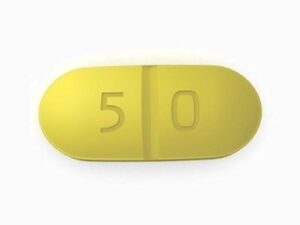
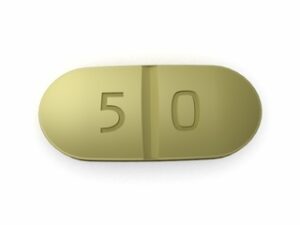
- Common formulation: Tablets (strength varies by product)
- Country availability: Available in the UK through prescribed routes and pharmacy supply
- Important safety note: Never take Disulfiram if you are currently drinking alcohol or might have alcohol in your system
How Disulfiram Works (Mechanism of Action)
Disulfiram inhibits aldehyde dehydrogenase, an enzyme responsible for breaking down acetaldehyde (a toxic substance produced when your body metabolises alcohol).
Normally, alcohol is broken down in steps:
- Alcohol → acetaldehyde (via alcohol dehydrogenase)
- Acetaldehyde → acetate (via aldehyde dehydrogenase)
When Disulfiram blocks aldehyde dehydrogenase, acetaldehyde accumulates. This leads to an intense unpleasant reaction after alcohol exposure, which may include:
- Flushing and warmth
- Nausea and vomiting
- Throbbing headache
- Breathing discomfort or chest tightness
- Low blood pressure (sometimes causing dizziness)
The goal is to deter alcohol consumption by making the experience distinctly uncomfortable.
Pharmacokinetics (How the Body Handles Disulfiram)
Pharmacokinetics describes what the body does to a medicine—how it is absorbed, distributed, metabolised, and eliminated. Individual results vary.
- Absorption: Disulfiram is absorbed after oral dosing, but absorption and effect can vary between individuals.
- Metabolism: Disulfiram is metabolised in the body into active metabolites that contribute to its effect on aldehyde dehydrogenase.
- Onset of effect: The ability to trigger a reaction can begin after a dose, but the “timing of protection” and sensitivity to alcohol may differ.
- Duration: Disulfiram’s effects can persist for a time after stopping, because active metabolites may remain in the body. This is why avoiding alcohol is important even when you miss or stop doses.
- Elimination: Metabolites are cleared mainly through metabolism and excretion pathways in the body.
Because of variability and the potential for delayed sensitivity, it’s important not to take any chance with alcohol exposure.
What Disulfiram Is Typically Used For
In the UK, Disulfiram is used as part of a broader alcohol dependence treatment plan to support abstinence. It is not a “cure” on its own; it is best understood as a deterrent used alongside counselling and support.
Disulfiram may be considered when:
- There is a clear intention to maintain alcohol abstinence
- The person understands and can follow alcohol-avoidance instructions
- There is an agreed plan for monitoring and support
Indications (When Disulfiram May Be Suitable)
Disulfiram is indicated for the support of alcohol abstinence in individuals with alcohol dependence where deterrent action is appropriate.
It should be used carefully and only when the risks are outweighed by benefits for that individual. Suitability depends on medical history and current health (for example, liver health and other risk factors).
Timing: How to Start and How It Fits Into Daily Life
A safe start is crucial. Many reactions occur when Disulfiram and alcohol overlap in the body.
- Before starting: Your clinician will usually advise you to be alcohol-free for a period beforehand. Do not start if you may still have alcohol in your system.
- First dose timing: Take Disulfiram exactly as directed. Avoid alcohol exposure during the first days and while treatment continues.
- Daily routine: Choose a consistent time of day to improve adherence. Consider setting a reminder.
- If you miss a dose: Do not try to “catch up” without advice. Because sensitivity may persist, continue to avoid alcohol and contact your healthcare professional for guidance.
If you’re unsure about when you can safely drink (for example, after stopping), speak with your clinician. Because effects may last, “wait until you feel fine” is not a reliable rule.
Dosing (General Guidance)
The exact dose and schedule should be determined by your healthcare professional and depend on your condition, response, and tolerability. The following is general information to help you understand typical prescribing patterns.
| Topic | General patient information |
|---|---|
| Typical form | Oral tablets (strength varies by product) |
| Starting dose | Often a lower initial dose, then adjusted if needed (follow your prescriber’s instructions) |
| Maintenance | Continued dosing may be required for ongoing support; periodic review is important |
| Duration of treatment | Varies widely; depends on your plan, progress, and safety monitoring |
Do not change the dose or stop Disulfiram suddenly without medical advice. Your clinician may want to review your health, especially liver function and overall risk.
Food Interactions (Can You Take It With Meals?)
Disulfiram can generally be taken with or without food. However, take it consistently as instructed by your healthcare professional.
- If it upsets your stomach: Taking with food may help.
- Avoid alcohol-containing foods and drinks: This includes some cooking products, sauces, and beverages that may contain alcohol.
Disulfiram’s key trigger is alcohol exposure, rather than a specific interaction with ordinary foods. Still, alcohol hidden in foods or “non-alcoholic” products can be an issue for some people.
Alcohol and Medicine Interactions (Very Important)
Alcohol: what to avoid
If you take Disulfiram and you drink alcohol (including small amounts), you may develop an unpleasant and sometimes medically significant reaction.
Avoid alcohol from all sources, including:
- Beer, wine, spirits, cider, alcopops
- Alcohol-containing “non-alcoholic” drinks that still contain measurable alcohol
- Cough syrups, cold remedies, mouthwashes, tonics, and some herbal products containing alcohol
- Aftershave/perfume products only matter if ingested, but keep away from children
- Cooking with alcohol (and products containing alcohol as an ingredient)
Medicines that may contain alcohol
Some medicines are formulated with alcohol (for example, certain liquid preparations, tinctures, and some combination products). Always check ingredients and discuss with a pharmacist if you are unsure.
Other medicine interactions
Disulfiram can interact with medicines that affect metabolism or liver function, and it can influence reactions due to its effect on enzymes. Tell your healthcare professional about all medicines you take, including:
- Prescription medicines
- Over-the-counter (OTC) products
- Herbal and complementary products
- Vitamins and supplements
Interaction risk may increase if you have liver disease or if you are taking multiple medicines that affect the liver.
What to do if you think you have taken alcohol
If you accidentally consume alcohol while taking Disulfiram and develop symptoms (flushing, nausea/vomiting, dizziness, breathing difficulty, chest symptoms), seek urgent medical advice.
For severe symptoms—such as collapse, severe shortness of breath, severe chest pain, or persistent vomiting—contact emergency services immediately.
Safety Profile: Side Effects and Warnings
Common side effects
Side effects can vary between individuals. Report any unwanted effects to your healthcare professional.
- Drowsiness or tiredness (in some people)
- Headache
- Skin reactions (less commonly)
- Gastrointestinal upset such as nausea
Serious risks (seek medical advice promptly)
Some reactions are potentially serious, particularly related to the effect of alcohol exposure or underlying health risks.
- Severe alcohol-disulfiram reaction after alcohol exposure
- Liver problems (monitoring may be needed). Contact your clinician if you notice yellowing of the skin/eyes (jaundice), dark urine, unusual fatigue, or upper abdominal pain.
- Neurological symptoms in rare cases (report new confusion, severe tremor, or unusual weakness promptly)
Who should be extra careful?
Your prescriber may adjust or avoid Disulfiram if you have certain conditions, for example:
- Liver disease or a history of significant liver problems
- Severe kidney impairment
- Neurological conditions or a history of certain psychiatric issues
- Situations where alcohol exposure cannot be reliably avoided
Practical Use Tips (How to Use Disulfiram Safely)
- Be “alcohol-free” beyond what you think: Check labels for alcohol-containing ingredients in medicines, tonics, and some “non-alcoholic” drinks.
- Show your safety information: Consider carrying a card or note that you take Disulfiram and what it means in case of emergency.
- Keep your pharmacist informed: When you buy OTC products, ask whether they contain alcohol.
- Plan for dental care and mouth products: Some mouthwashes and sprays contain alcohol. Choose alcohol-free alternatives when possible.
- Do not experiment: If you’re considering “just a sip” or testing products, do not—reactions can occur unexpectedly.
- Use reminders: A consistent routine helps you avoid missed doses and reduces confusion about timing.
- Attend follow-ups: Your clinician may monitor liver function and review benefits versus risks.
Alternative Options (Depending on Your Situation)
In alcohol dependence, treatment options can include:
- Psychological support (counselling, structured programmes, peer support)
- Medications such as:
- Naltrexone (helps reduce cravings for some people)
- Acamprosate (may help maintain abstinence in some cases)
- Others depending on local clinical practice and individual suitability
- Detox services if needed (especially if alcohol withdrawal risk is present)
The best option depends on your medical history, goals (abstinence versus reduction), co-existing conditions, and what you can safely manage regarding alcohol avoidance.
UK Market & Legal/Clinical Context
In the UK, Disulfiram is part of the range of medicines used in the treatment of alcohol dependence. Medicines for alcohol dependence are typically provided through appropriate clinical services, with decisions based on individual assessment of risks and benefits.
- Regulatory status: Disulfiram is a regulated medicine; supply is managed according to UK medicines legislation and pharmacy practice.
- Clinical monitoring: Healthcare professionals may assess liver health and overall safety during treatment.
- Safety emphasis: UK guidance generally stresses alcohol avoidance and careful review of medicines that may contain alcohol.
Recent Guidance and Practical Updates (General)
Guidance for alcohol dependence can evolve as evidence and best practice develop. While specific recommendations vary by service and patient circumstances, UK clinical practice commonly includes:
- Using medicines as part of a comprehensive care plan (not alone)
- Checking for liver and overall health before and during treatment
- Reinforcing avoidance of alcohol-containing products (including some OTC liquids and mouth products)
- Offering support for adherence and relapse prevention strategies
For the most up-to-date information, your prescriber and pharmacist can guide you based on current UK policies and your personal health.
Delivery and Availability (UK Online Pharmacy)
Availability can vary depending on stock, formulation strength, and pharmacy supply routes. When ordering online, your order may be fulfilled from local or regional supply chains.
- Typical availability: Check the product page for current stock status.
- Delivery times: Delivery estimates are shown at checkout and may vary by location.
- Packaging: Medicines are usually supplied in original packaging with patient information included.
- Storage: Store according to the label instructions (commonly at room temperature and away from moisture/heat).
If you have urgent questions about availability, substitution (different brand but same active ingredient), or delivery times, contact the pharmacy’s customer service.
FAQ: Disulfiram (UK)
1. Can I drink alcohol “sometimes” while taking Disulfiram?
No. Disulfiram is intended to support abstinence by causing unpleasant effects when alcohol is consumed. You should avoid alcohol completely while taking it and remain cautious even after stopping (effects may persist). If you accidentally drink alcohol and develop symptoms, seek medical advice.
2. What if I accidentally take a medicine that contains alcohol?
Stop and check the product ingredients, then contact your pharmacist or healthcare professional for advice. If you develop symptoms consistent with an alcohol-disulfiram reaction, seek urgent medical help.
3. Are there alcohol-free alternatives to mouthwash or cough medicines?
Often yes. Many brands offer alcohol-free versions. Ask your pharmacist to help you choose products without alcohol in the ingredient list.
4. How long does Disulfiram “stay in the body”?
Disulfiram and its active effects may persist for some time due to active metabolites. That’s why you should not rely on “feeling fine” and you must avoid alcohol exposure even around stopping dates. Ask your clinician for guidance specific to your dosing and timeline.
5. What should I do if I feel unwell after taking Disulfiram?
Some mild side effects can occur. However, if you experience severe symptoms—especially after any potential alcohol exposure—seek medical advice promptly. Contact urgent care or emergency services if symptoms are severe or rapidly worsening.
6. Can I take Disulfiram with other medications?
Many medicines can be used, but interactions may occur—particularly with medicines that affect liver function or may contain alcohol. Tell your healthcare professional about everything you take, including OTC and herbal products, before starting.
7. Will Disulfiram work if I don’t take it every day?
Consistency is important for deterrent effect and overall treatment plan success. If you miss doses, speak with your healthcare professional before continuing or adjusting your regimen.
8. Is Disulfiram the only option for alcohol dependence?
No. Other medications and support strategies may be suitable depending on your needs and health. Discuss the options with your healthcare professional.
9. What monitoring might I need?
Your clinician may monitor liver function and review your progress and side effects during treatment.
10. Where can I find reliable UK support for alcohol dependence?
Your GP, local alcohol treatment services, and NHS-supported counselling/rehabilitation programmes can provide tailored support. Your pharmacist can also advise on safe medication use and alcohol-containing ingredients.
Summary
Disulfiram is used to support alcohol abstinence in alcohol dependence by causing a reaction when alcohol is consumed. Its safety depends strongly on avoiding alcohol from all sources—drinks, medicines, and certain products with hidden alcohol ingredients. Because Disulfiram’s effects can persist and because liver and other health factors matter, it should be used under appropriate clinical guidance and with practical safety planning.
If you have questions about ingredients in a medicine you want to take, feel free to ask your pharmacist. For severe symptoms or suspected alcohol-disulfiram reactions, seek urgent medical help.