Acarbose (UK) — Patient-Friendly Medicine Information
Acarbose is a medicine used to help manage blood sugar levels, particularly after meals. It works in the gut to reduce the rise in glucose that occurs when carbohydrates are broken down and absorbed. This guide explains how acarbose works, how it is typically taken, what to watch for, and how it may interact with food and other medicines in the United Kingdom.
| Quick facts | |
|---|---|
| Active ingredient | Acarbose |
| Common use | Type 2 diabetes (especially post-meal glucose rises) |
| Where it acts | Inside the digestive tract (gut) |
| How it works | Slows carbohydrate digestion and glucose absorption |
| Common side effects | Gas, bloating, diarrhoea, abdominal discomfort |
| Important habit | Taken at the start of each meal that contains carbohydrates |
Basic product information
What is acarbose? Acarbose is an oral medicine belonging to the class of drugs known as alpha-glucosidase inhibitors. These medicines reduce the breakdown of complex carbohydrates in the small intestine, helping to lower the rise in blood glucose after eating.
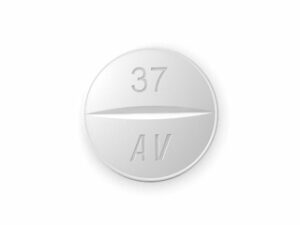
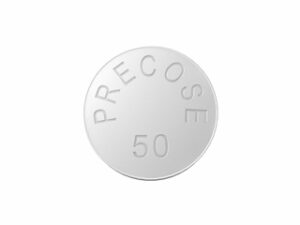
Strengths and formulations Acarbose is commonly supplied as tablets in different strengths (the exact strength depends on the brand or product available). Your local pharmacy listing will show the available strengths.
Who it is for Acarbose is used in adults with type 2 diabetes in some treatment plans—often as part of combination therapy. It may also be considered in situations where post-meal glucose control is a particular goal, as determined by UK clinicians and local prescribing practice.
How acarbose works (mechanism of action)
After you eat, carbohydrates in food are broken down into sugars that can be absorbed. Normally, enzymes in the small intestine help convert starches and other carbohydrates into absorbable glucose.
Acarbose blocks key intestinal enzymes (specifically enzymes involved in carbohydrate digestion, such as alpha-glucosidases). This leads to:
- Slower breakdown of carbohydrates
- Reduced and delayed glucose absorption from the gut
- Lower peaks in blood sugar after meals
Important note: Because acarbose works in the gut, its benefit is greatest for post-meal blood glucose rather than lowering fasting glucose alone.
Pharmacokinetics (how the body handles acarbose)
Pharmacokinetics describes how a medicine is absorbed, distributed, metabolised, and eliminated.
- Absorption: Only a small amount of acarbose is absorbed through the gastrointestinal tract. Much of its action remains local within the gut.
- Metabolism: In the gut and liver, acarbose is broken down into metabolites, including compounds that still contribute to the overall anti-diabetic effect.
- Distribution: Because most of the drug acts locally, systemic distribution is limited compared with many other diabetes medicines.
- Elimination: The majority of drug-related material is eliminated through the intestines. Some metabolites may also be eliminated via the kidneys.
Practical implication: Since acarbose acts largely in the gut and has minimal systemic absorption, many side effects are gastrointestinal in nature.
Typical uses in the UK
In the UK, acarbose is used for managing type 2 diabetes as advised by healthcare professionals. It is commonly considered when:
- There is a need to improve post-prandial (after-meal) glucose
- A combination approach is being used to target different aspects of blood glucose control
- There is a clinical rationale for using a gut-acting medication rather than (or alongside) other options
Choice of diabetes medicines is influenced by individual factors such as age, kidney function, cardiovascular risk, weight considerations, side-effect profile, and existing treatment.
When and how to take acarbose
Timing is essential for acarbose to work effectively.
Start-of-meal dosing
- Take acarbose at the beginning of a meal (or with the first bite), especially if the meal contains carbohydrates.
- If you skip a meal, you typically should not take acarbose for that meal.
Consistency
- Try to take the tablets the same way each day with meals to maintain predictable glucose control.
- Your pharmacist or prescriber will advise the exact dose schedule for your specific product and regimen.
Dosing — what is typical?
Dosing may vary based on your health status, the strength of tablets supplied, and how well you tolerate the medicine. Many regimens start with a lower dose and gradually increase to reduce gastrointestinal side effects.
General approach (titration)
In many treatment plans, acarbose dosing is started low and increased stepwise over weeks. This is designed to:
- Improve tolerance (gas, bloating, diarrhoea are common early)
- Achieve a therapeutic effect by the time you are at a stable dose
How to confirm your exact dose
Your local product information and the dosing instructions on your medication label will be the most accurate. If anything is unclear, check with your pharmacist.
Food interactions and dietary guidance
Acarbose works by interfering with carbohydrate digestion, so what you eat strongly affects both results and side effects.
Carbohydrates and gut symptoms
- Meals containing higher amounts of starches and complex carbohydrates may lead to more fermentation in the gut if digestion is slowed.
- This can contribute to gas, bloating, or looser stools.
Tip: spread carbohydrates across meals
Instead of very large carbohydrate portions at one sitting, consider portion control and spreading carbohydrates across meals. This can help with tolerance and with glucose patterns.
Important: avoid “sugar-only” emergency correction
If you experience low blood sugar (hypoglycaemia) while taking acarbose in combination with other glucose-lowering therapies, the usual approach is different:
- Acarbose slows carbohydrate breakdown, so table sugar (sucrose) may not correct low blood sugar quickly enough.
- Glucose (dextrose) is more suitable for rapid correction because it does not require the same digestive steps.
Talk to your diabetes team about what you should carry for hypoglycaemia and how to treat it.
Alcohol and medicine interactions
Alcohol can affect blood sugar in several ways. It may lower glucose levels and increase the risk of hypoglycaemia, particularly if you take other diabetes medicines or eat irregularly.
Practical guidance
- Moderation is advised. If you drink alcohol, consider eating at the same time and monitoring your glucose more often.
- Avoid binge drinking, especially if you have had episodes of low blood sugar.
- Be alert for symptoms that can be mistaken for intoxication (dizziness, sweating, confusion).
Interactions with other medicines
Acarbose has local gut effects, but it may still interact with other drugs through overall diabetes management and blood glucose control. Always check with a healthcare professional for personalised advice.
Medicine interactions (other medicines and key considerations)
Certain medicines can affect blood glucose, digestion, or liver metabolism. Some may also influence risk of side effects.
Potential interaction themes include:
- Other diabetes medicines: Combination therapy can increase or decrease risk of hypoglycaemia or change glucose patterns.
- Digestive enzyme preparations: Products containing digestive enzymes may counteract acarbose’s effect.
- Adsorbents or gut-active agents: Some gut medicines may alter absorption of other drugs (the overall impact can vary).
- Medicines affecting the gut microbiome or causing diarrhoea: They may worsen gastrointestinal side effects.
Always review your full medication list with a pharmacist, including over-the-counter products (such as antacids, digestive supplements, and weight-loss aids).
Indications — when acarbose is used
The main indication is for management of type 2 diabetes in adults, particularly to improve glucose control after meals. It is typically used when:
- diet and exercise alone are insufficient, and additional therapy is appropriate; and/or
- it is used as part of combination regimens to target post-meal glucose rises.
Your care team will decide if acarbose fits your specific profile and treatment goals.
Safety profile and common side effects
Most side effects relate to how carbohydrates are processed in the intestine.
Common side effects
- Flatulence (gas)
- Bloating
- Abdominal pain or discomfort
- Diarrhoea or loose stools
- Nausea in some people
Less common but important effects
While less frequent, some people may experience more significant gastrointestinal symptoms. In addition, liver-related abnormalities have been reported with some alpha-glucosidase inhibitors (monitoring is often considered when clinically appropriate).
When to seek medical advice promptly
- Severe, persistent diarrhoea or dehydration symptoms
- Severe abdominal pain
- Signs of liver problems (for example, yellowing of the skin/eyes, dark urine, unusual fatigue) — seek urgent advice
- Symptoms of significant hypo- or hyperglycaemia
Who needs extra caution
Extra caution may be needed if you have certain gastrointestinal conditions (such as bowel disorders affecting digestion), are prone to diarrhoea, or have liver problems. If you have any relevant conditions, discuss them with your healthcare professional.
Practical use tips for best results
- Take it with the meal: Timing matters. Taking acarbose away from meals can reduce effectiveness and increase gut side effects.
- Start low and go slow: If your dose is being increased gradually, follow the schedule to improve tolerance.
- Watch your carbohydrate portions: Large carbohydrate loads can worsen gas and diarrhoea. Portion control may help.
- Stay hydrated: If you get diarrhoea early on, fluid intake is important.
- Track your glucose: Check blood glucose patterns (especially after meals) to understand how the medicine affects you.
- Do not use sucrose for rapid low sugar treatment: Use glucose/dextrose as agreed with your diabetes team.
What to do if you miss a dose
If you forget a tablet:
- If you remember during the meal, you may take it as advised for that regimen.
- If it is after the meal, follow your prescriber or product instructions—often you should not take it late.
- Do not double up to make up for a missed dose.
When in doubt, ask your pharmacist for guidance tailored to your dosing schedule.
Alternative options for post-meal blood sugar control
If acarbose is not suitable or not well tolerated, there are other options. Alternatives depend on your overall health, kidney function, and current diabetes regimen.
Common alternatives your clinician may consider
- Other oral glucose-lowering medicines: For example, metformin, sulfonylureas, DPP-4 inhibitors, SGLT2 inhibitors, or others depending on your circumstances.
- GLP-1 receptor agonists or insulin: Often used in more complex cases or when targets are not met.
- Lifestyle approaches: Carbohydrate management, physical activity after meals, and dietary planning with a dietitian.
Note: Each option has a different benefit–risk profile. Your care team will choose the most appropriate therapy for you.
Market and legal context in the United Kingdom
In the UK, diabetes medicines are regulated by the Medicines and Healthcare products Regulatory Agency (MHRA) and authorised under the relevant legislation for quality, safety, and efficacy. Healthcare professionals follow national and local guidance for diabetes management and prescribing.
National guidance context: Diabetes care in the UK is commonly guided by bodies such as NICE (National Institute for Health and Care Excellence) and clinical best practices. Recommendations may evolve as new evidence becomes available.
Quality and supply: Medicines sold in the UK should be sourced through licensed supply chains. Online pharmacy listings should reflect current availability, and medicines are supplied in compliance with UK pharmaceutical regulations.
Recent UK guidance and evolving practice
While specific recommendations for acarbose use may vary by clinic and patient characteristics, UK diabetes management broadly emphasises:
- Individualised treatment targets and shared decision-making
- Consideration of cardiovascular and kidney outcomes where relevant
- Safety monitoring and review of tolerability
- Education on self-monitoring and avoiding hypoglycaemia
Because guidance can be updated, it’s worth discussing your current treatment plan with your diabetes team or using the latest locally available advice.
Availability, delivery, and how to get your medicine
Availability can depend on brand, tablet strength, and supply schedules. An online pharmacy will usually display:
- Whether the medicine is in stock or subject to lead times
- Delivery options and estimated delivery times
- Packaging and handling details to keep tablets protected
Delivery considerations:
- Medicines should be delivered in secure packaging and stored at appropriate temperatures as directed on the label.
- Check the delivery address details carefully to avoid delays.
- Some deliveries require availability for a signature or may have specific courier rules.
If you need help locating a specific tablet strength or brand, customer support can often assist with suitable alternatives or supply options (where permitted).
FAQ — Questions people often ask about acarbose
1) Does acarbose cause weight gain?
Acarbose is generally considered weight-neutral for many people. However, individual responses vary. If it reduces post-meal glucose peaks, this may indirectly support healthier energy balance alongside diet and activity.
2) Will I experience diarrhoea at the start?
Gas, bloating, and looser stools are among the most common early side effects, especially when starting or increasing dose. These often improve over time if titration is gradual and if carbohydrate intake is managed. If symptoms are severe or persistent, contact your pharmacist or clinician.
3) Can I take acarbose with any meal?
It works best at the start of a meal containing carbohydrates. If the meal contains no digestible carbohydrates, your clinician may advise whether or not to take it.
4) What should I do if my blood sugar goes low?
If you have a hypoglycaemic episode, use glucose (dextrose) for fast correction. Avoid relying on table sugar alone because acarbose can slow carbohydrate breakdown. Follow the advice your diabetes team has given you, including when to seek urgent help.
5) Can I drink alcohol while taking acarbose?
Alcohol may increase the risk of low blood sugar, particularly if meals are missed or if you take other glucose-lowering medicines. If you choose to drink, consider moderation, eat, and monitor your glucose more closely.
6) What if I have flatulence and bloating?
These are common. Dose titration, taking tablets exactly at the start of meals, and moderating carbohydrate portions often help. If symptoms are severe, discuss with a healthcare professional.
7) Is acarbose safe for everyone with diabetes?
Not necessarily. Suitability depends on your medical history, gastrointestinal health, liver function, and other medicines. Your pharmacist can check potential issues based on the information available, and your clinician can advise whether it’s appropriate for you.
8) How long does it take to notice benefits?
Some glucose improvements after meals may be noticed within days, but full effect and tolerability often develop as your dose is adjusted. Regular monitoring helps you and your team assess response.
9) Are there tablets that can replace acarbose?
Yes—depending on your individual situation there are other diabetes medicines and strategies. Your clinician can discuss options based on your glucose pattern, kidney function, and cardiovascular risk.
10) How should I store acarbose tablets?
Store tablets according to the instructions on the packaging (typically at room temperature, away from excessive moisture and heat). Keep out of sight and reach of children.
Final reminders
Acarbose can be a helpful option for type 2 diabetes, particularly for reducing after-meal blood sugar rises. Success with acarbose often comes down to timing with meals, gradual dose adjustments, and attention to carbohydrate intake. If you experience significant side effects or symptoms of abnormal blood glucose, seek timely advice from your healthcare team.
Disclaimer: This page is for general patient information. Always refer to the specific medicine packaging and speak to a pharmacist or healthcare professional for advice tailored to you.