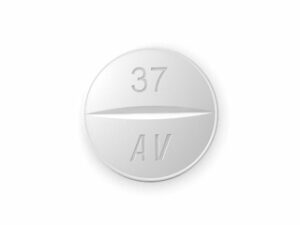
Actos (Pioglitazone) — Patient Guide (UK)
Actos is a prescription medicine containing pioglitazone. It is used to improve blood sugar control in adults with type 2 diabetes, often as part of a broader treatment plan that includes diet, physical activity, and (when needed) other medicines.
This page explains how Actos works, how it’s taken, what to expect, and important safety information—written in a clear, patient-friendly way for people in the United Kingdom.
Basic product information
| Item | Details |
|---|---|
| Medicine name | Actos |
| Active ingredient | Pioglitazone |
| Medicine type | Thiazolidinedione (TZD) oral antidiabetic |
| Who it’s for | Adults with type 2 diabetes (in specific clinical situations) |
| How it’s taken | Once daily by mouth (dose depends on individual circumstances) |
| Typical monitoring | HbA1c, glucose trends, weight, fluid retention, liver-related checks as advised |
How Actos works (mechanism of action)
Pioglitazone belongs to the thiazolidinediones class. It works mainly by improving how the body responds to insulin.
- Pioglitazone activates a cellular target called PPAR-γ (peroxisome proliferator-activated receptor gamma).
- This activation helps increase insulin sensitivity, particularly in fat and muscle tissues.
- It also reduces hepatic (liver) insulin resistance, which can lower blood sugar levels.
Over time, this can lower blood glucose and HbA1c (a measure of average blood sugar over about 2–3 months).
Pharmacokinetics (what the body does to the medicine)
Pharmacokinetics describes how pioglitazone is absorbed, distributed, metabolised, and eliminated.
- Absorption: After oral dosing, pioglitazone is absorbed through the digestive tract.
- Distribution: Pioglitazone is extensively bound to proteins in the blood.
- Metabolism: It is metabolised mainly in the liver to active metabolites (which also contribute to effect).
- Half-life: The parent medicine and active metabolites persist for long periods, supporting once-daily dosing.
- Elimination: Mostly through metabolism and excretion pathways; kidney impairment does not usually require major adjustment, but clinical decisions depend on the individual.
Because the medicine and its metabolites last a long time, effects build and stabilise gradually, and dose changes may take time to reflect fully in HbA1c.
Typical use in the UK
In the UK, Actos (pioglitazone) is used in adults with type 2 diabetes to improve glycaemic control, usually when:
- Metformin is not suitable or is insufficient, and/or
- It is needed as part of combination therapy with other glucose-lowering medicines.
Clinicians consider individual factors carefully, particularly the risk of fluid retention, heart failure, and concerns around bone fractures and weight gain.
How and when to take Actos (timing and administration)
Typical dosing schedule
Actos is usually taken at a time that fits your routine.
- Try to take it at roughly the same time each day.
- If you miss a dose, take it when you remember unless it’s close to the next dose—then skip the missed dose and continue as normal.
- Do not take double the dose to make up for a missed tablet.
With or without food
Actos can generally be taken with or without food. Food may not significantly change the overall effect for most patients, so choose what helps you remember.
Food interactions
There are no major “forbidden foods” specifically required for pioglitazone. However, good diabetes nutrition is still essential because Actos works by improving insulin sensitivity, not by eliminating the need for dietary care.
- Consistent meals: Regular eating patterns can help prevent fluctuations in blood glucose.
- Monitor overall carbohydrate intake: Particularly if Actos is used alongside other glucose-lowering medicines.
- Weight management: Actos can be associated with weight changes; dietary strategies may help minimise unwanted weight gain.
Alcohol and medicine interactions
Alcohol
Alcohol can affect blood sugar. Depending on the amount consumed and the foods eaten with it, you may experience either higher or lower glucose levels.
- Moderation is important.
- If you drink, consider checking your blood glucose more frequently during that day and the next.
- Avoid heavy drinking, especially if you also use other diabetes medicines.
Interactions with other medicines
Pioglitazone has potential interactions through effects on drug-metabolising enzymes and also through combined effects on glucose and side-effect risks.
- Other antidiabetic medicines: When combined with insulin or medicines that lower glucose, the risk of low blood sugar (hypoglycaemia) may increase. Although pioglitazone alone rarely causes hypoglycaemia, combination therapy can.
- Warfarin: Co-administration may affect clotting control (International Normalised Ratio, INR). Extra monitoring may be needed.
- Enzyme-inducing medicines: Some medicines may change pioglitazone levels. Your prescriber or pharmacist can advise based on your exact medicines list.
Always provide your full medicine list to a healthcare professional, including over-the-counter products and herbal supplements.
Indications (when Actos is used)
Actos (pioglitazone) is indicated for the treatment of type 2 diabetes mellitus in adults, as determined by your clinician. It is typically considered when:
- Used alone when other options aren’t suitable; or
- Used in combination with other glucose-lowering medicines (such as metformin, a sulfonylurea, or insulin), depending on your individual needs and risk profile.
Choice of therapy depends on your current HbA1c, other medical conditions (including heart and kidney status), weight, previous medicine responses, and personal preferences.
Dosing (typical starting and adjustment approach)
Dosing should be individualised. Your doctor will select an appropriate dose and may adjust it based on blood glucose control and tolerance.
General principles
- Start low: Many patients begin at a lower dose.
- Titrate gradually: Dose adjustments are often made after assessing glucose response over time.
- Monitor: HbA1c, weight, and potential side effects guide ongoing use.
Common dose strengths
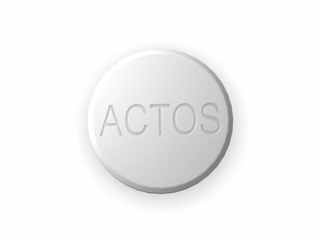
Actos tablets come in different strengths (commonly including 15 mg, 30 mg, and 45 mg). Your clinician will prescribe the strength that fits your regimen.
When combined with other medicines
If used alongside insulin or medicines that can cause hypoglycaemia, your prescriber may consider adjusting those doses to reduce risk of low blood sugar.
What to expect: effectiveness and timing of benefits
Pioglitazone usually takes time to show its full effect:
- Early changes: Some improvement in glucose control may be noticed in the first weeks, but
- Full effect: HbA1c reflects a longer period, so meaningful assessment often occurs after several months.
It’s normal for blood sugar improvements to build gradually. Don’t stop or change the dose on your own—speak to a healthcare professional if your readings are unexpectedly high or low.
Safety profile (important risks and how to manage them)
As with all medicines, Actos can cause side effects. Many people tolerate it well, but you should be aware of the key risks so you can seek help promptly if needed.
Common or notable side effects
- Weight gain: This may occur due to fluid retention and/or changes in body fat distribution.
- Fluid retention (oedema): Some people experience swelling, especially in the legs or ankles.
- Headache (reported by some patients).
- Upper respiratory infections or other mild infections (varies by patient).
- Changes in blood parameters (your clinician may monitor as appropriate).
Serious risks — seek medical advice urgently if…
-
Signs of heart failure or worsening fluid retention:
- Shortness of breath, especially when lying down
- Rapid weight gain over a short time (e.g., a few days)
- Swollen feet/ankles
- Unusual tiredness or reduced exercise tolerance
- Severe allergic reaction: swelling of face/lips, difficulty breathing, severe rash.
- New or worsening symptoms affecting vision: report promptly.
Fracture risk and bone health
Thiazolidinediones have been associated with an increased risk of fractures in some patients (particularly affecting certain groups). If you are at higher risk for osteoporosis or have a history of fractures, discuss this with your clinician.
Bladder concerns (ongoing monitoring)
Pioglitazone has been discussed in relation to possible bladder effects. If you notice blood in your urine, painful urination, or persistent urinary symptoms, seek medical advice promptly.
Liver monitoring
Liver function tests may be performed at baseline and during treatment according to local clinical practice and your health history.
Contact a healthcare professional if you develop symptoms that could indicate liver problems, such as unusual fatigue, nausea, abdominal pain, dark urine, or yellowing of the skin/eyes.
Practical use tips (getting the best results safely)
- Keep a blood sugar diary: If you measure glucose, record readings and note meals, exercise, and missed doses.
- Weigh yourself regularly: because weight gain and fluid retention can happen. Report rapid or unexpected increases.
- Check for swelling: swelling in ankles/legs can be an early sign of fluid retention.
- Stay active: even modest regular exercise can improve insulin sensitivity alongside medication.
- Attend review appointments: HbA1c and medication reviews help confirm the treatment is working and safe for you.
- Review your other medicines: ask your pharmacist to check for interactions when starting or stopping any medicine.
Alternative options (if Actos isn’t suitable)
Diabetes treatment is personalised. If Actos is not appropriate due to side effects, risk factors, or inadequate glucose control, your clinician may consider other options. Common categories include:
Other glucose-lowering medicine classes
- Metformin (often first-line when suitable)
- Sulfonylureas (may cause hypoglycaemia risk)
- DPP-4 inhibitors
- SGLT2 inhibitors
- GLP-1 receptor agonists
- Insulin (especially when glucose control is not adequate)
- Other TZDs (the class includes other medicines, though availability and suitability vary)
The “best” alternative depends on your kidney function, heart and fluid status, weight goals, risk of hypoglycaemia, and other health conditions.
Market and legal context in the United Kingdom
Actos (pioglitazone) is a well-established medicine in the UK diabetes landscape. Like all medicines in the UK, it is regulated by the Medicines and Healthcare products Regulatory Agency (MHRA). It is used in line with national and local diabetes guidance and safety updates.
UK prescribing and guidance approach
Diabetes care in the UK is commonly aligned with guidance from bodies such as:
- National Institute for Health and Care Excellence (NICE)
- Joint British Diabetes Societies (JBDS)
- Local NHS formularies
Treatment selection typically reflects individualised assessment, including cardiovascular risk and risk of treatment-related adverse effects.
Recent guidance and important safety updates (UK context)
Guidance and safety recommendations for diabetes medicines can evolve as new evidence emerges. In recent years, UK clinical practice has placed increasing emphasis on:
- Assessing cardiovascular and heart-failure risk when choosing glucose-lowering therapy.
- Monitoring for fluid retention and recognising early symptoms of heart failure.
- Reviewing fracture risk in patients at higher risk of osteoporosis.
- Ongoing awareness of urinary/bladder symptoms in patients taking pioglitazone.
Your prescriber can advise on how these considerations apply to your personal situation and whether alternative medicines may be preferable.
Delivery and availability (UK online pharmacy information)
Availability of Actos can vary depending on stock levels and tablet strength. When ordering from a UK online pharmacy, you can generally expect:
- Packaging: Original medicine packaging supplied for safety and traceability.
- Delivery times: Typically depend on your location and the pharmacy’s dispatch schedule.
- Stock variations: If your usual strength is temporarily unavailable, the pharmacy may contact you about alternatives or restocking times.
- Cold-chain: Pioglitazone tablets do not normally require special cold-chain storage.
Please follow the storage instructions on the pack (commonly: store at controlled room temperature, keep tablets in their original packaging, and keep out of sight of children).
Frequently asked questions (FAQ)
1) What is Actos (pioglitazone) used for?
Actos is used to treat type 2 diabetes to improve blood sugar control by reducing insulin resistance. It is used as a standalone treatment in some circumstances or alongside other diabetes medicines in others.
2) How quickly does Actos work?
Some changes in glucose may be seen within weeks, but full benefit is typically assessed over a longer period using HbA1c (usually measured after about 2–3 months, depending on your clinic schedule).
3) Can I take Actos with food?
Yes. Actos can generally be taken with or without food. Choose the option that helps you remember to take it consistently.
4) Does Actos cause hypos (low blood sugar)?
Actos alone has a relatively low risk of causing hypoglycaemia. However, the risk can increase when Actos is used in combination with insulin or certain other glucose-lowering medicines.
5) Will I gain weight?
Weight gain can occur. Some of this may be due to fluid retention. Monitoring your weight and reporting rapid changes can help your clinician manage this risk.
6) What should I do if I miss a dose?
Take it when you remember unless it is close to the next scheduled dose. If it’s nearly time for the next dose, skip the missed dose and continue as normal. Do not double up.
7) Are there any medicines I must avoid with Actos?
Many medicines can be taken with Actos, but some combinations may require extra monitoring or dose adjustments. Always provide your complete medicine list (including OTC medicines and supplements) to your pharmacist or clinician.
8) Can I drink alcohol while taking Actos?
You can usually drink in moderation, but alcohol can affect blood sugar. It’s best to monitor your glucose more closely and avoid heavy drinking, particularly if you also use other diabetes medicines.
9) What warning signs mean I should seek urgent medical advice?
Seek urgent advice if you develop signs of heart failure or significant fluid retention (such as worsening shortness of breath, rapid weight gain, or swollen ankles), or symptoms of a serious allergic reaction.
10) What if I have heart problems?
Pioglitazone can cause or worsen fluid retention. Your clinician will consider your heart status and may avoid Actos in certain heart conditions. If you have a history of heart failure, tell your healthcare team before starting or changing treatment.
Important: This information is for education and support. For personal advice, safety checks, and monitoring plans, speak to your pharmacist or clinician. If you experience any concerning symptoms, contact a healthcare professional promptly.