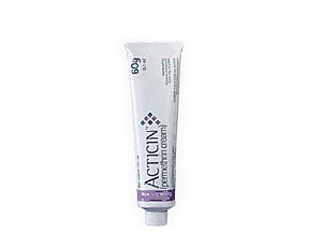
Acticin (Permethrin) – Patient Information (UK)
Acticin contains permethrin, an insecticide used to treat common skin infestations. It is widely used in the United Kingdom for conditions such as scabies and head lice (depending on the product strength/formulation available). This guide explains how Acticin works, how to use it safely and effectively, and what to expect.
Please note: Always follow the instructions provided with your specific Acticin product (there are different strengths and formulations). If you are unsure which condition it is intended for, speak to a pharmacist.
1) Basic product information
| Information | Details |
|---|---|
| Medicine | Acticin |
| Active ingredient | Permethrin |
| Type | Pyrethroid insecticide/acaricide |
| Common uses | Scabies (mites) and head lice (in some formulations) |
| How it’s used | Applied to the skin (scabies) or hair/scalp (head lice) as directed |
| Availability (UK) | May be supplied via pharmacies and online retailers depending on formulation |
2) How Acticin works (mechanism of action)
Permethrin is a pyrethroid insecticide. It works by affecting the nervous system of the parasite:
- Targets nerve cell function in lice or mites.
- Causes abnormal nerve impulses.
- Leads to paralysis and death of the insect/mites.
It has low absorption through the skin for many people when used as directed, which helps limit systemic effects.
3) Pharmacokinetics (what happens in the body)
Pharmacokinetics describes how the medicine is absorbed, processed, and eliminated.
- Absorption: Permethrin is generally absorbed only to a small extent through intact skin. Absorption may be higher if applied to large areas, under occlusion, or if the skin is irritated.
- Distribution: It may be present in the body at low levels after topical use.
- Metabolism: Permethrin is metabolised, mainly in the body.
- Elimination: Metabolites are cleared primarily through normal body processes (including the urine).
For most people using Acticin appropriately, systemic exposure is limited.
4) Typical uses and indications (UK)
Acticin is used for treating skin infestations caused by parasites. The exact indication depends on the product formulation and strength.
- Scabies (mites): Used to kill scabies mites and reduce spread.
- Head lice (in some Acticin products): Used to kill lice on the scalp.
If you have symptoms such as persistent itching, a rash in typical areas, or visible lice/nits, confirm the diagnosis with a clinician or pharmacist—misdiagnosis can lead to treatments that don’t work.
5) Timing and how long to leave it on
Timing is critical. Acticin must remain on the skin/scalp for long enough to work, but not longer than recommended for your specific product.
- Scabies: Common guidance is to apply and leave for a set period, then rinse as directed (follow your specific pack instructions).
- Head lice: Typically applied for a defined duration before rinsing (follow your specific pack instructions).
Repeat dosing: Many scabies and lice treatment regimens include a second application after a delay to address newly hatched parasites. Again, follow the instructions provided with your exact Acticin product or advice from a pharmacist/GP.
If you’re using it for the first time, read the leaflet carefully. If the timing differs from what you were told previously, the pack instructions should be followed.
6) Dosing – general guidance (follow your pack)
Because different Acticin strengths and formulations may exist, dosing must be based on the specific product label and leaflet.
Scabies – typical approach
- Adults and children: Apply to the areas of skin specified in the leaflet (commonly including trunk, limbs, and often certain areas like hands, wrists, and between fingers). Coverage matters.
- Rinsing: Wash off at the recommended time.
- Household/close contacts: Guidance often recommends treating close contacts at the same time to prevent re-infestation. Ask a pharmacist for the most appropriate advice for your situation.
Head lice – typical approach (if applicable to your product)
- Scalp and hair: Apply to the scalp and hair as directed.
- Combing: Many regimens include wet combing with a fine-toothed lice comb to remove lice and nits. This can be as important as the medication itself.
- Repeat: A repeat treatment schedule is often recommended (commonly around a week, but follow your exact pack instructions).
Important: Do not use more product than stated or apply more frequently than advised. If symptoms continue after treatment, consult a healthcare professional—possible reasons include incorrect application, reinfestation, or resistance patterns (more common in lice than mites).
7) Food interactions
Acticin (permethrin) is applied to the skin or scalp and is not taken by mouth. As a result, food interactions are not expected.
- There is typically no need to change your diet.
- If you accidentally ingest some (rare), seek medical advice promptly.
8) Alcohol and medicine interactions
Alcohol interactions: Because Acticin is a topical medicine with limited systemic absorption when used correctly, no direct alcohol interaction is expected.
Interactions with other medicines: Systemic interactions are unlikely. However, consider the following:
- Avoid applying Acticin on top of other strong topical treatments unless advised.
- If you are using steroid creams, emollients, or other lotions, check with a pharmacist about order and timing (for example, whether to apply Acticin on dry skin and when to resume moisturisers).
- If you have allergic skin conditions or are treating multiple conditions at the same time, get tailored advice.
9) Safety profile – who should be cautious
Most people can use permethrin safely when used correctly. Still, it’s important to recognise potential side effects and when to seek advice.
Common side effects
- Mild skin irritation (redness, itching, or a warm sensation)
- Dryness or mild burning at application sites
- Slight skin sensitivity, especially if the skin is already inflamed
Less common or serious reactions
Seek medical advice urgently if you develop:
- Severe allergic reaction (swelling of face/lips, breathing difficulties)
- Widespread rash or blistering
- Persistent severe irritation that doesn’t improve
Special groups
- Pregnancy and breastfeeding: Topical permethrin is generally considered a treatment option when necessary; confirm suitability with a pharmacist or GP, particularly if treating large areas or very small infants.
- Children: Use only the age-appropriate formulation and follow dosing instructions carefully.
- Broken or very inflamed skin: Absorption may increase; seek advice if extensive skin damage is present.
Important: Scabies itching may continue for some time after successful treatment. This can be expected even when mites are gone. If symptoms worsen significantly or persist beyond what is expected, seek further advice.
10) Practical use tips (for best results)
The success of Acticin often depends on proper application and preventing reinfestation.
For scabies
- Apply thoroughly: Don’t miss areas such as between fingers, around wrists, under nails, and other sites specified in the leaflet.
- Treat close contacts: Reinfection is common if household members are not treated at the same time.
- Launder clothing and bedding: Wash items used recently (as advised in the leaflet). Items that can’t be washed may require bagging/isolating as per guidance.
- Maintain hygiene: Keep nails trimmed and avoid scratching to reduce skin injury.
For head lice
- Combing is key: Use a fine-tooth lice comb systematically. Comb in good light and repeat the process as directed.
- Repeat treatment on schedule: This reduces the chance of lice that survive the initial dose reproducing.
- Check contacts: Lice spread easily. Examine family members and close contacts, then treat if needed.
- Wash and treat items: Follow leaflet guidance for pillowcases, bedding, and recently used clothing. Lice survival away from the scalp is limited, but basic precautions help.
General tips
- Use on dry skin/hair unless your leaflet says otherwise.
- Wear gloves if recommended, especially for scabies application.
- Avoid eyes and mucous membranes. If it gets in the eyes, rinse thoroughly with water and seek advice if irritation persists.
- Keep the treated area away from children/pets until dry or rinsed, depending on your regimen.
11) What to expect after treatment
After treatment, symptoms may not disappear immediately.
- Scabies: Itching can continue for days to weeks due to skin inflammation and immune response.
- Head lice: You should see fewer live lice after the treatment period, but eggs/nits may remain attached to hair. Continued combing helps remove them.
If you still see live lice/mites after the recommended repeat schedule, or if the condition worsens, consult a healthcare professional for reassessment and possible alternative treatments.
12) Alternative options
Depending on the condition (scabies vs head lice) and local resistance patterns, alternatives may include:
- Other anti-scabies treatments (commonly different active ingredients than permethrin)
- Other head lice treatments (including non-pyrethroid options) and manual removal methods
- Adjunctive care for itch and inflammation, such as moisturisers and soothing measures (ask a pharmacist what’s appropriate)
Resistance is more frequently discussed with head lice. If treatment appears unsuccessful, it may be due to re-infestation, incorrect technique, or resistance—your pharmacist can help select an alternative regimen.
13) UK market and legal context
In the UK, antiparasitic treatments are regulated by medicines authorities. Availability can vary by:
- Product type (scabies vs head lice formulations)
- Strength and age suitability
- Whether it is classified for sale in community pharmacy or other channels
When choosing an online medicine, ensure you purchase from a reputable UK-licensed seller and that the product matches the condition you are treating. Only use the active ingredient and dosage schedule intended for that condition.
14) Recent guidance (high-level)
For scabies and head lice in the UK, updated public health and clinical advice typically emphasises:
- Correct diagnosis and correct application.
- Timely repeat treatment where recommended to target newly hatched parasites.
- Simultaneous treatment of close contacts for scabies to reduce recurrence.
- Reducing reinfestation through laundering and careful home checks (head lice and scabies).
- Escalation to alternative options if the first-line treatment does not work.
Your pharmacy team can help you align your approach with current local advice.
15) Delivery and availability in the UK
Acticin may be available through UK pharmacies and approved online retailers. Delivery options vary by supplier, but commonly include:
- Standard delivery (often 2–5 working days, depending on location)
- Express delivery (time varies by provider)
- Order cut-off times for dispatch on the next business day
Storage: Keep the product according to the label instructions (typically at room temperature). Store out of sight and reach of children.
If you cannot find the correct Acticin formulation for your intended use, speak to a pharmacist—they can help you choose the most appropriate product.
16) Frequently Asked Questions (FAQ)
Is Acticin safe to use for scabies?
Acticin (permethrin) is commonly used for scabies and is generally well tolerated when used exactly as directed in the product leaflet. Mild irritation can occur. If you have a history of allergy to permethrin/pyrethroids, or you experience a severe reaction, seek advice immediately.
Will itching stop straight away after treatment?
No. With scabies, itch can continue for days to weeks even after successful mite killing due to ongoing skin inflammation. If symptoms significantly worsen, new lesions appear rapidly, or you’re unsure whether treatment worked, contact a healthcare professional.
Do I need to treat everyone in the household for scabies?
Often, treating close contacts at the same time is recommended to prevent reinfestation. The exact guidance can depend on your household situation and symptoms. A pharmacist can advise on who should be treated and when.
For head lice, do I still need combing after using Acticin?
Yes. Combing with a fine-tooth lice comb is an important part of many head lice regimens. It helps remove lice and nits and improves overall success.
What if I miss a step or leave it on for too long?
Follow the leaflet instructions as closely as possible. If you significantly missed the recommended timing, contact a pharmacist for advice. Do not apply extra amounts to “make up” for a mistake without guidance.
Can I use Acticin with other creams or lotions?
You should generally avoid applying multiple strong topical treatments at the same time unless advised. Moisturising or soothing products may be used, but confirm timing (for example, whether to moisturise before or after Acticin). Ask a pharmacist for the safest sequence.
Are there any interactions with alcohol or medicines I take by mouth?
Direct interactions with alcohol are not expected for a topical permethrin product. Systemic medicine interactions are unlikely, but tell your pharmacist about all treatments you’re using—especially other topical products or if you have medical conditions.
Can I wash my skin/hair after Acticin?
You should rinse off at the time specified in the leaflet. Washing earlier or later than recommended may reduce effectiveness or increase irritation.
What should I do if it doesn’t work?
First, check that you used the correct product for the condition, applied it thoroughly, and followed the timing and repeat schedule. Then consider reinfestation. If live parasites remain after the recommended repeat dose, consult a pharmacist/GP for alternatives and reassessment.
17) When to seek urgent medical advice
Contact medical services urgently if you experience signs of a serious allergic reaction, including difficulty breathing, facial swelling, or widespread blistering. Otherwise, if irritation is severe or persistent, or symptoms rapidly worsen, seek professional advice.
Last reminder: Acticin (permethrin) works best when used exactly as the leaflet instructs for your specific formulation and when reinfestation is prevented. If you’re unsure about dosing, timing, or whether the diagnosis is correct, ask a pharmacist for guidance.