
Actigall (Ursodeoxycholic acid) — Patient-Friendly Guide
Actigall is a medicine containing ursodeoxycholic acid (UDCA). It is used to treat certain liver and bile-duct conditions where improving bile flow and reducing bile-related injury can help. This guide explains what Actigall is, how it works, how to take it, and important safety information for people in the United Kingdom.
1) Basic product information
- Active ingredient: Ursodeoxycholic acid (UDCA)
- Brand name: Actigall
- Medicinal category: Bile acid / hepatobiliary medicine
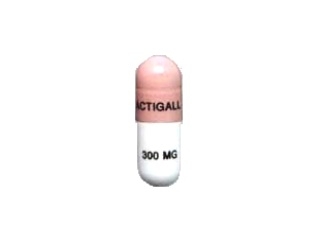
- Common forms: Oral capsules or tablets (strengths vary by product availability)
- Who it is used for: Adults and, in some cases, children under specialist guidance
Note: Always check the label or package for the specific strength and dosing instructions provided with your product.
2) How Actigall works (mechanism of action)
Bile is produced by the liver and released into the small intestine to help digest fats. In some conditions, bile composition becomes unbalanced, and this can lead to inflammation, damage, or bile-duct blockage.
Ursodeoxycholic acid is a natural bile acid found in small amounts in the human body. When taken as medicine, it helps in several ways:
- Improves bile composition: UDCA can replace more harmful bile acids, making bile less irritating to the bile-duct lining.
- Promotes bile flow (choleresis): It may increase the flow of bile, which can reduce “bile stasis” (slow movement of bile).
- Protects liver and bile-duct cells: UDCA is thought to stabilise cell membranes and reduce inflammation caused by toxic bile acids.
- Helps dissolve certain cholesterol gallstones: By reducing cholesterol saturation in bile and encouraging mobilisation of cholesterol from stones, it can gradually shrink some types of gallstones.
3) Pharmacokinetics (how the body handles UDCA)
Pharmacokinetics describes what the body does to a medicine—how it is absorbed, distributed, metabolised, and eliminated.
- Absorption: UDCA is absorbed from the small intestine.
- Distribution: It circulates in bile and bloodstream; it concentrates in bile where it can exert its effects.
- Metabolism: A portion is metabolised in the gut and liver through normal bile acid processing.
- Elimination: It is mainly eliminated via bile into the intestine, with some loss through faeces. Enterohepatic recycling (re-use) occurs, meaning it can persist in the body’s bile circulation.
Practical takeaway: Because UDCA works through bile and may need time to change bile composition, benefits are often gradual rather than immediate.
4) Typical uses in the UK
Actigall is prescribed for specific hepatobiliary conditions. The exact suitability depends on diagnosis, test results, and imaging findings.
Common indications include:
- Primary biliary cholangitis (PBC): A condition where bile ducts inside the liver become inflamed and damaged. UDCA is widely used to improve liver test results and slow disease progression.
- Dissolution of cholesterol gallstones: For certain gallstones where surgery is not immediately suitable. Stones must meet criteria such as being cholesterol-rich and visible only on ultrasound (often radiolucent), and the gallbladder should function.
- Other cholestatic conditions: UDCA may be used in selected cases as advised by specialist clinicians.
Important: UDCA does not work for all gallstones (for example, calcified or pigment stones may not dissolve). Your clinician will determine whether your stones or bile condition are likely to respond.
5) When to take Actigall (timing and routine)
Actigall is taken by mouth. Many UDCA regimens are taken once or divided during the day depending on the total daily dose and your prescribed instructions.
- Consistency matters: Try to take doses at the same times each day.
- With food: Taking with food can be helpful if it reduces stomach upset, and may support bile-related processes.
- Swallowing: Swallow capsules/tablets whole with water unless your product instructions advise otherwise.
How quickly will it work? For gallstones, treatment is usually prolonged (often many months). For PBC and cholestatic conditions, improvements in blood tests may take several months, with ongoing monitoring to assess response.
6) Food interactions and dietary considerations
UDCA is a bile acid, so meals and bile flow can influence how your digestive system responds. Food interactions with UDCA are generally not as dramatic as with some other medicines, but these practical points can help:
- Eat regularly: Skipping meals may worsen digestion and can make some side effects more noticeable in sensitive individuals.
- Fat intake: Since bile helps digest fat, a balanced diet is beneficial. Sudden changes to a very low-fat or high-fat diet should be discussed with your clinician, especially if you have gallbladder or liver disease.
- Grapefruit and herbal “bile” products: There is limited specific evidence. If you take herbal supplements marketed for “liver detox” or bile support, discuss them with a healthcare professional because they can complicate overall management.
7) Alcohol interactions and medicine interactions
Alcohol
Alcohol can worsen liver health and interfere with recovery in people with liver disease. Even though UDCA is specifically used for certain bile/liver conditions, the safest approach is to:
- Avoid or minimise alcohol, particularly if you have PBC or other liver-related diagnoses.
- Ask your clinician what amount (if any) is safe for your specific condition.
Medicines that may affect UDCA effectiveness
Certain medicines can bind bile acids in the gut or reduce UDCA’s absorption:
- Bile acid sequestrants (e.g., cholestyramine, colestipol): These can reduce absorption of UDCA.
- Medicines that strongly affect bile acid transport: The interaction may vary depending on the product.
General advice: If you take any bile acid–binding medicines, you may need a time gap from UDCA. Your pharmacist or clinician can advise the correct spacing.
Other common medicines
Always provide a full list of medicines (including over-the-counter products and supplements) when discussing your treatment. While many people take UDCA alongside other therapies safely, interactions depend on your other drugs and your liver status.
8) Indications (who Actigall is for)
Below is a patient-friendly overview of typical indications. Suitability depends on diagnostic criteria and response history.
| Condition | What UDCA aims to do | What to expect |
|---|---|---|
| Primary biliary cholangitis (PBC) | Improve bile flow and reduce bile-duct injury, helping normalise blood tests in many patients. | Gradual improvement over months; regular liver monitoring. |
| Dissolution of cholesterol gallstones (selected cases) | Slowly reduce cholesterol in bile and dissolve suitable stones. | Treatment is long-term; not all stone types respond. |
| Other cholestatic disorders (specialist use) | Reduce toxicity from abnormal bile acid composition and support bile movement. | Specialist-directed monitoring of symptoms and blood results. |
9) Dosing (how much to take)
Because dosing depends on the condition being treated, you should follow the dose on your label and the plan agreed with your clinician.
Important: Do not change your dose without advice. If you miss a dose, see the FAQ for guidance.
Typical adult dosing patterns (general guidance)
- PBC: Often given as a daily dose adjusted to body weight and clinical response. Many patients receive an evidence-based total daily amount taken once daily or in divided doses.
- Gallstone dissolution: Usually taken once daily in the evening or sometimes in divided doses to optimise bile conditions, depending on regimen and product guidance.
Children: Dosing in paediatrics is weight-based and must be directed by a specialist.
10) Practical use tips for getting the best results
- Stay consistent: Use a daily routine and consider phone reminders.
- Keep follow-up appointments: UDCA works over time; blood tests and imaging (for gallstones) help check whether treatment is effective.
- Monitor symptoms: If itching, fatigue, right upper abdominal discomfort, or jaundice change noticeably, let your clinician know.
- Keep medication lists up to date: Include all prescription medicines, pharmacy products, and supplements.
- Storage: Store as directed on the pack (typically at room temperature, away from moisture and heat).
Missed dose tip: If you forget a dose, take it when you remember unless it is close to the next dose. Do not take a double dose to make up for a missed one.
11) Safety profile and side effects
Most people tolerate Actigall well. However, like all medicines, it can cause side effects.
Common or mild side effects
- Gastrointestinal discomfort (e.g., nausea, indigestion)
- Diarrhoea or loose stools
- Abdominal discomfort
Less common effects
- Skin reactions (e.g., rash)
- Changes in liver blood tests during treatment may occur and are monitored clinically
Seek urgent medical advice if you experience
- Signs of allergy such as swelling of the face/lips, severe rash, wheezing, or trouble breathing
- Severe or persistent worsening of symptoms (e.g., severe abdominal pain, persistent vomiting, fever) especially if you are being treated for gallstones
Who needs extra caution?
- People with advanced liver disease: monitoring is essential.
- Pregnancy and breastfeeding: discuss risks and benefits with a healthcare professional.
- Children: specialist supervision is important.
12) Alcohol and liver monitoring: what to know in practice
For people taking Actigall for liver or bile-duct conditions, maintaining liver health is particularly important. In addition to avoiding or minimising alcohol, it may help to:
- Follow a healthy diet and avoid crash dieting.
- Keep vaccinations up to date where appropriate (especially if you have chronic liver disease).
- Discuss any new medications (including supplements) before starting.
- Attend regular blood tests as advised.
13) Alternative options
Alternative treatments depend on the underlying condition. Some examples include:
- For PBC: Other medicines may be considered if UDCA is not fully effective or not tolerated. Treatment plans are specialist-led and guided by response markers and liver tests.
- For gallstones: Options can include surgery (e.g., gallbladder removal) or procedures depending on stone type, symptoms, and overall health.
- Supportive care: Managing symptoms such as itching may require additional medications.
If you are considering an alternative, it is best to discuss it with your clinician, because the “right” option depends on your diagnosis and severity.
14) Market and legal context for the United Kingdom
In the UK, medicines are regulated under the Medicines and Healthcare products Regulatory Agency (MHRA). Actigall (ursodeoxycholic acid) is an authorised medicine for specific indications and is dispensed through authorised pharmacy supply chains in accordance with UK medicines legislation.
Pharmacy online considerations: Availability may depend on current stock, strength, and supply from manufacturers/distributors. A compliant pharmacy site will display:
- Product strength and form
- Manufacturer information
- Batch/expiry details on the pack
- Clear patient information and how to use the medicine safely
Where relevant, UK regulations also influence how medicines are supplied, including any eligibility checks required to ensure safe use.
15) Recent guidance and monitoring (what patients should know)
Clinical practice for PBC and gallstone disease evolves as new evidence emerges. In the UK, hepatology and gastroenterology care commonly involves:
- Ongoing liver blood tests to assess response and guide whether UDCA continues to be effective.
- Regular specialist review to interpret trends in liver markers, symptoms, and overall risk.
- Imaging when relevant (particularly for gallstones) to check whether stones are shrinking.
If you have a long-term plan, you may receive periodic information about targets for response and next steps if treatment does not produce the expected improvement.
16) Delivery, availability, and packaging
Online pharmacy availability depends on supply and demand. Typical factors that may affect delivery include stock levels, strength, and whether packs are regularly held by the distributor.
What you can expect
- Packaging: Medicines are delivered in appropriate secure packaging to protect capsules/tablets from damage.
- Expiry information: You should receive a product with a clear expiry date on the original pack.
- Delivery times: Delivery speed varies by service level and your location within the UK.
Tip: Plan ahead. Long-term conditions often require continuous treatment, so avoid running out before new supplies arrive.
17) FAQ — Actigall (Ursodeoxycholic acid)
1. What is Actigall used for?
Actigall contains ursodeoxycholic acid. It is used for certain liver/bile-duct conditions such as primary biliary cholangitis (PBC) and, in selected cases, to dissolve cholesterol gallstones that meet specific criteria.
2. How long does Actigall take to work?
Results are usually gradual. For PBC, improvement in liver blood tests can take months, and ongoing treatment is often needed. For gallstones, dissolution may take many months and may not work for all stone types.
3. When should I take Actigall?
Follow the dosing instructions on your pack or label. Many people take it once daily or split into doses during the day. Taking it at the same time(s) each day helps.
4. Can I take Actigall with food?
Many patients can take Actigall with or after food to reduce stomach discomfort. If your prescribed regimen specifies timing (e.g., evening dosing for gallstones), follow that advice.
5. Are there foods I should avoid?
There are no universal food restrictions, but maintaining a balanced diet and avoiding sudden extreme dietary changes is sensible. If you have coexisting digestive conditions, ask your pharmacist or clinician for personalised advice.
6. Can I drink alcohol while taking Actigall?
Alcohol can be harmful to the liver, particularly if you have liver disease. It is usually best to avoid or minimise alcohol and discuss a safe approach with your clinician.
7. What medicines might interact with Actigall?
Medicines that bind bile acids (such as certain sequestrants) may reduce UDCA absorption. If you take other medicines regularly, check with your pharmacist about potential spacing or interactions.
8. What side effects should I watch for?
Common side effects include gastrointestinal symptoms such as diarrhoea or indigestion. Seek urgent advice for signs of allergy (e.g., swelling, severe rash, breathing difficulty) or for severe/persistent worsening symptoms.
9. What if I miss a dose?
Take it when you remember unless it is close to your next dose. Do not take a double dose to compensate for a missed one.
10. Is Actigall safe in pregnancy or breastfeeding?
Safety depends on your individual situation and condition. Discuss with a healthcare professional to weigh benefits and risks.
11. Can Actigall dissolve all gallstones?
No. UDCA is most effective for certain cholesterol gallstones and in selected situations. Your imaging results determine whether dissolution is likely.
12. Where can I get Actigall in the UK?
Actigall is supplied through UK pharmacy channels. Availability online depends on stock and the specific product strength and form.
Remember: This information is intended to help you understand Actigall and support safe use. Always read the patient information leaflet supplied with your medicine and follow the instructions on your pack.