Spiriva (Tiotropium Bromide) – Patient Information Guide (UK)
Spiriva is a long-acting inhaled medicine used to help people with chronic breathing problems breathe more comfortably. It contains tiotropium bromide, a medicine that relaxes the airways by blocking specific nerve signals in the lungs. Spiriva is commonly prescribed for people with chronic obstructive pulmonary disease (COPD) and, in some product forms, for asthma as an add-on treatment.
This guide explains how Spiriva works, how it is used, what to expect, and key safety information. If you have any questions about your specific inhaler device or your condition, speak to a qualified healthcare professional.
Basic product information
| Feature | Details (general) |
|---|---|
| Medicine | Spiriva (tiotropium bromide) |
| Type | Inhaled long-acting antimuscarinic / bronchodilator |
| Common conditions | COPD; certain strengths/devices may also be used in asthma as add-on therapy |
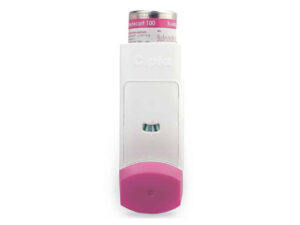
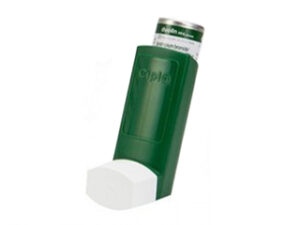
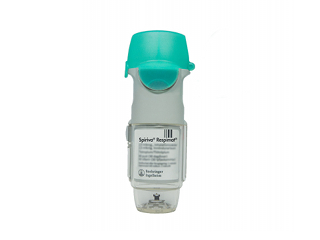
| How it is taken | Inhalation using a Spiriva inhaler device (device type depends on the product you have) |
| Typical dosing frequency | Often once daily for maintenance treatment (varies by product form) |
| Onset | Bronchodilator effect can start within hours; benefit is greatest with regular use |
Important: Spiriva comes in different inhaler formats (and strengths). Always follow the instructions provided with your device, and use only the dosing instructions your healthcare team has given for your product.
How Spiriva works (mechanism of action)
Spiriva contains tiotropium bromide, which belongs to a group of medicines called antimuscarinics (also known as anticholinergics).
- In the airways, a chemical messenger (acetylcholine) helps tighten the breathing tubes.
- Tiotropium blocks muscarinic receptors in the lungs.
- By blocking these receptors, it relaxes airway smooth muscle, helping to keep the airways open.
- This leads to improved airflow and fewer symptoms such as breathlessness.
Because it has a long duration of action, Spiriva is designed for once-daily maintenance therapy rather than for quick relief.
Pharmacokinetics (how the body handles it)
Inhaled tiotropium is delivered to the lungs and produces a local effect in the airways. Some of the dose is also swallowed and then processed through the gut and kidneys.
- Absorption: After inhalation, the medicine is absorbed from the lungs into the bloodstream, though much of its intended action is local.
- Distribution: Tiotropium distributes into tissues and has low penetration into the brain (it acts mainly in the lungs).
- Metabolism: Tiotropium is minimally metabolised.
- Elimination: It is mainly excreted unchanged by the kidneys.
- Duration: The long-lasting receptor binding is a key reason it supports once-daily use for maintenance.
Kidney function matters: Because tiotropium is eliminated largely through the kidneys, people with significant kidney impairment may need extra caution and monitoring. Your clinician will advise on suitability for your specific health circumstances.
What Spiriva is used for (indications)
In the UK, Spiriva is used to treat:
- COPD (chronic obstructive pulmonary disease), including chronic bronchitis and emphysema, to help improve symptoms and reduce the risk of flare-ups in appropriate patients.
- Asthma in selected patients as an add-on maintenance therapy (depending on the specific Spiriva product and local guidance).
Spiriva helps with long-term control of breathing symptoms. It is not intended to provide immediate relief of sudden breathlessness (for which you would typically use a fast-acting “reliever” inhaler, as advised by your healthcare team).
Typical timing and how to use it
Spiriva is usually taken as one inhalation once daily, aiming for consistent everyday timing. Many people choose a routine such as:
- Morning (e.g., after breakfast), or
- Evening (e.g., before bed),
Choose a time that is easy to remember. If you miss a dose, follow the instructions in the patient information leaflet for your specific product. In general, you should not take extra doses to make up for a missed one without advice.
Practical use tips for correct inhalation
Correct inhaler technique helps ensure the medicine reaches the lungs. While the exact steps vary by device, these general tips apply:
- Check your device type: Ensure you are using the correct Spiriva inhaler for your medicine (e.g., different inhaler models exist).
- Do not shake unless instructed: Some devices require specific preparation steps; follow the leaflet.
- Exhale gently first: Breathe out away from the device to start with an empty breath.
- Seal lips around the mouthpiece: Make a good seal to reduce leakage.
- Inhale at the right speed: Use the inhalation rate recommended for your specific device.
- Hold breath briefly: If you can, hold your breath for about 5–10 seconds after inhalation (or as advised) to allow the medicine to deposit in the lungs.
- Rinse if instructed: Some inhaled medicines (especially inhaled corticosteroids) require rinsing; tiotropium alone usually does not require mouth rinsing, but follow your overall regimen advice.
If your symptoms worsen or you suspect poor technique, ask a pharmacist or nurse to watch you use the inhaler. Small changes can make a big difference.
Food interactions
Because Spiriva is an inhaled medicine, it typically has no major interaction with food. The main clinical consideration is lung deposition and inhalation technique rather than meal timing.
That said, if you swallow a small portion of the inhaled medicine, it may pass through the digestive tract. There is usually no need to avoid food groups or drinks.
Practical advice: You can generally take Spiriva with or without food. Follow your usual routine and focus on consistent daily inhalation.
Alcohol interactions
There is typically no direct interaction between tiotropium and alcohol. However, alcohol may worsen breathlessness in some people by affecting coordination, sleep quality, or respiratory drive.
- If you notice that alcohol makes your symptoms worse, consider reducing intake and discuss this with a clinician.
- Be cautious if you also take medicines that can cause drowsiness or dizziness.
Medicine interactions (including common combinations)
Spiriva can usually be used alongside other respiratory medicines. Still, it’s important to consider interaction possibilities.
Other inhaled antimuscarinics
- Avoid combining Spiriva with another antimuscarinic inhaler (unless specifically directed) because this may increase the risk of side effects.
- Examples include certain treatments with similar “anticholinergic” mechanisms.
Potential additive effects
- Some medicines with anticholinergic activity (in different forms, not only inhaled) may increase the likelihood of side effects such as dry mouth, constipation, blurred vision, or urinary symptoms.
- Inform your pharmacist or clinician about all medicines you take, including over-the-counter products.
Kidney-related considerations
- Because tiotropium is cleared by the kidneys, people with kidney impairment should be cautious with medicines that may affect kidney function or be cleared similarly. Your clinician can advise the safest combinations.
Always check your medication list with a healthcare professional, especially if you are taking multiple inhalers, tablet medicines for bladder symptoms, or other long-term treatments.
Dosing information (general guidance)
Dosing depends on the specific Spiriva product and device model. In many cases for COPD, Spiriva is taken as once daily inhalations as maintenance.
- Typical maintenance dosing: Often 1 dose once daily.
- Do not exceed the prescribed dose: More is not necessarily better and may increase side effects.
- Use regularly: Spiriva works best as a daily maintenance medicine, not just when symptoms flare.
What to do if you miss a dose: Refer to the patient information leaflet for your exact product. As a general approach, you should not take double doses unless instructed. If you are unsure, ask your pharmacist.
Safety profile and important precautions
Most people tolerate Spiriva well, but like all medicines it can cause side effects. Some side effects may be more likely in certain individuals.
Common side effects
- Dry mouth
- Sore throat or throat irritation
- Cough
- Constipation or changes in bowel habits
- Bladder or urinary symptoms in susceptible people
Less common but important side effects
- Allergic reactions (e.g., rash, swelling, or trouble breathing)
- Eye symptoms if the medicine accidentally gets into the eyes, such as blurred vision or eye pain (this is uncommon but important)
- Worsening breathing immediately after inhalation (could indicate bronchospasm or inhaler technique issues)
- Heart rhythm symptoms are not typical for tiotropium but any significant new symptoms should be assessed promptly
When to seek urgent medical help
- If you develop signs of a severe allergic reaction (swelling of face/lips, severe rash, or difficulty breathing)
- If you experience sudden severe worsening of breathing that does not improve with your reliever medication
- If you develop severe eye pain, sudden blurred vision, or halos around lights after inhaling
Special precautions
- Allergy to atropine or related medicines: Tell your healthcare professional if you have previously reacted to anticholinergic medicines.
- Urinary retention or enlarged prostate: Antimuscarinics may worsen symptoms in some cases.
- Glaucoma: Be cautious about accidental eye exposure; seek advice if you have narrow-angle glaucoma.
- Kidney impairment: Because elimination is largely through the kidneys, your clinician may monitor you more closely or consider alternatives.
- Children and adolescents: Use in asthma (if applicable) should follow age-appropriate guidance and specialist advice.
Practical use tips for the best experience
- Keep your inhaler accessible: Using Spiriva at the same time each day helps adherence.
- Check expiry dates: Use within the expiry date on the packaging (or as advised for your device).
- Understand your device: If you are not sure how to load a dose or operate the inhaler, ask for instruction.
- Clean the mouthpiece as instructed: Follow your leaflet/device instructions for cleaning to prevent blockages or contamination.
- Do not “double up” to treat sudden attacks: Spiriva is maintenance therapy. For sudden breathlessness, use your reliever inhaler as directed.
- Monitor symptom changes: If you notice increasing breathlessness, more frequent rescue inhaler use, or worsening exercise tolerance, talk to your clinician—your treatment plan may need adjustment.
Alternative options (if Spiriva isn’t suitable)
There may be alternative long-acting bronchodilator options depending on whether you have COPD, asthma, and your individual response. Alternatives can include:
- Other long-acting inhalers: For example, long-acting beta-2 agonists (LABAs) or combinations of bronchodilators.
- Other antimuscarinic options: Different long-acting antimuscarinic medicines may be available, with variations in device and dosing.
- In COPD: Treatment plans often include inhaled combinations such as LABA/LAMA or triple therapy in selected patients (including an inhaled corticosteroid), guided by symptoms and exacerbation history.
- In asthma: Add-on treatments may include LABA-containing inhalers and/or inhaled corticosteroids, depending on control and severity.
Your healthcare professional can recommend alternatives based on your lung function, symptom control, exacerbations, comorbidities, and inhaler technique.
UK market and legal context (high-level)
In the United Kingdom, inhaled medicines like Spiriva are regulated medicines. Availability and supply are guided by UK healthcare systems and medicines legislation. In day-to-day use, these medicines are typically provided under NHS prescribing for eligible patients, or obtained via private healthcare.
What this means for you:
- Medicines safety and quality are ensured through UK regulatory processes.
- Pharmacists and healthcare providers may require information about your medical history and current medicines to help with safe use and to support correct device handling.
Note: In practice, your ability to obtain a product and the requirements for purchase or supply may depend on its classification and your local circumstances. Always follow the requirements shown by the pharmacy and the product packaging/patient leaflet.
Recent guidance and clinical context (UK)
While specific treatment recommendations can change over time, COPD and asthma management in the UK is commonly guided by national clinical standards such as NICE recommendations and professional respiratory guidance.
- COPD: Long-acting bronchodilators (including antimuscarinics like tiotropium) are a cornerstone for improving symptoms and reducing flare-ups.
- Asthma: Tiotropium (where indicated) may be considered as an add-on option for certain patients with persistent symptoms despite standard inhaled therapy.
What to do: If you’ve recently started Spiriva or your symptoms aren’t improving as expected, request a medication review. This can include inhaler technique checks and alignment with current care pathways.
Delivery and availability (online pharmacy)
Online pharmacies in the UK commonly offer:
- Home delivery (availability and times vary by provider and location)
- Secure packaging to help protect inhaler devices and packaging
- Tracking where offered
Availability can vary: Spiriva products come in different device forms and strengths. If one option is temporarily unavailable, an alternative form may be suggested only when appropriate. For the safest match, always confirm the product name and device type.
FAQ
1) Is Spiriva a reliever inhaler?
No. Spiriva is a maintenance inhaler designed for long-term control, typically taken once daily. For sudden breathlessness, use your fast-acting reliever inhaler as advised by your healthcare professional.
2) How long does it take to work?
Many people notice improvement within hours, but the full benefit is usually seen with regular daily use. If your breathing is not improving after starting, or you are getting worse, speak to a clinician rather than stopping the medicine.
3) What if I forget a dose?
Check the patient leaflet for your exact Spiriva product. In general, do not take a double dose to make up for a missed inhalation unless instructed. If you’re unsure, ask your pharmacist.
4) Can I use Spiriva with my other inhalers?
Often yes, but it depends on what other inhalers you use. Some combinations may increase side effects, particularly with other antimuscarinic medicines. Always review your full inhaler list with your healthcare professional or pharmacist.
5) Will Spiriva affect my kidney function?
Spiriva is cleared mainly by the kidneys, so kidney impairment can increase exposure. This does not mean everyone with kidney problems cannot use it, but it may require extra caution and monitoring—seek personalised advice if you have kidney disease.
6) Are there food or drink restrictions?
There are usually no major food restrictions. Alcohol does not usually interact directly, though it may worsen symptoms in some people. If alcohol affects your breathing, consider reducing intake and discuss with your clinician.
7) What should I do if I get dry mouth?
Dry mouth is a known antimuscarinic effect. Sip water, maintain good oral hygiene, and discuss persistent or troublesome symptoms with your pharmacist or clinician. Do not stop Spiriva without advice.
8) I think my inhaler technique might be wrong—what should I do?
Ask your pharmacist, nurse, or respiratory team to observe your technique. Correct inhalation method improves medicine delivery and can reduce side effects.
9) Can Spiriva cause eye problems?
Accidental exposure of the medicine to the eyes can rarely cause symptoms such as blurred vision or eye pain. If this happens, seek urgent medical advice—especially if you have glaucoma.
10) What are the main side effects to watch for?
Common effects include dry mouth and throat irritation. Seek urgent advice for severe allergic reactions, sudden severe worsening of breathing, or significant eye pain/blurred vision after inhaling.
Summary
Spiriva (tiotropium bromide) is a long-acting inhaled antimuscarinic medicine used to support long-term breathing control, most commonly in COPD and sometimes as add-on therapy in asthma for selected patients. It relaxes airway muscles by blocking muscarinic receptors, helping to improve airflow and reduce symptoms when used regularly once daily.
To get the best results, use your inhaler consistently at the same time each day, practise correct inhalation technique, and follow guidance on what to do if you miss a dose. If you experience worsening symptoms or side effects, consult a healthcare professional promptly.