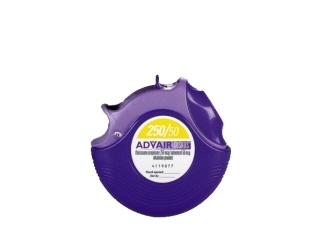
Advair Diskus (Salmeterol + Fluticasone) – Patient-Friendly Guide (UK)
Advair Diskus is an inhaled medicine used to help control long-term breathing problems such as asthma and chronic obstructive pulmonary disease (COPD). It combines two medicines in one inhaler: a long-acting bronchodilator (salmeterol) and an inhaled corticosteroid (fluticasone).
This page explains how Advair Diskus works, when and how it’s taken, what to expect, and important safety information for people in the United Kingdom.
Basic product information
- Brand: Advair Diskus
- Active ingredients: Salmeterol + Fluticasone
- Medicine type: Inhaled combination therapy (long-acting beta2-agonist + inhaled steroid)
- Inhaler type: Dry powder inhaler (Diskus)
- Typical purpose: Long-term control and prevention of symptoms/flare-ups
Advair Diskus is supplied in different strength combinations (for example, 25/50, 25/125, 25/250 micrograms of salmeterol/fluticasone per inhalation depending on the product). Your exact strength and dosing schedule should follow the instructions provided with your inhaler and clinician guidance.
How Advair Diskus works (mechanism of action)
Advair Diskus contains two medicines that work together in the lungs:
Salmeterol (long-acting bronchodilator)
- Relaxes airway muscles, helping keep airways open.
- Acts as a long-acting beta2-agonist (LABA).
- Helps reduce breathlessness and wheeze and improves airflow over time.
Fluticasone (inhaled corticosteroid)
- Reduces inflammation in the airways.
- Helps decrease swelling and mucus production.
- Improves asthma control and helps reduce risk of flare-ups.
Because this is a combination medicine, the inhaled steroid targets underlying airway inflammation while the LABA improves airflow. This can make symptoms more stable and reduce exacerbations when used regularly.
Pharmacokinetics (how the body handles the medicine)
Understanding general absorption and metabolism can help you know what to expect. Note that with inhaled medicines, most of the drug is intended to act in the lungs.
Absorption
- Inhaled delivery to lungs: A portion reaches the airways and alveoli; some may be swallowed.
- Systemic absorption: Both components can be absorbed into the bloodstream, but at relatively low levels compared with oral medicines.
Distribution
- Both salmeterol and fluticasone distribute into tissues to varying degrees.
Metabolism
- Fluticasone is extensively metabolised, mainly by the liver enzyme CYP3A4.
- Salmeterol also undergoes metabolic processing, and overall systemic exposure is influenced by liver enzyme activity.
Elimination
- Metabolites are removed mostly via the liver and bile, with some elimination through urine.
Important: Drug interactions that inhibit CYP3A4 can increase fluticasone levels, potentially raising the risk of steroid-related side effects. This is why guidance about interacting medicines (e.g., certain antifungals or antivirals) matters.
Typical use in the UK
Advair Diskus is used for long-term management of:
- Asthma: to help control symptoms and reduce the risk of flare-ups in people who need combination inhaler therapy.
- COPD: to improve lung function and reduce exacerbations in appropriate patients.
It is generally used as a maintenance controller medicine. It is not intended as a “quick relief” inhaler for sudden breathlessness. For sudden symptoms, a fast-acting reliever inhaler is usually recommended, depending on your asthma/COPD plan.
Reminder: If you develop sudden severe symptoms, follow your personal action plan or seek urgent medical help.
Indications and when Advair Diskus is commonly prescribed
In clinical practice in the United Kingdom, Advair Diskus may be considered when:
- Asthma is not adequately controlled on a single inhaler (for example, an inhaled steroid alone), or a clinician decides combination therapy is appropriate.
- COPD is associated with symptoms and/or exacerbations, particularly where an inhaled corticosteroid is indicated based on your history.
The exact suitability depends on your diagnosis, symptom pattern, lung function (where relevant), past exacerbations, and other individual factors. Your healthcare professional will also consider the balance of benefits and risks.
How to take Advair Diskus (timing and practical technique)
Typical dosing schedule
Advair Diskus is usually taken , with doses typically spaced about 12 hours apart. Follow the schedule given to you with your inhaler.
What “twice daily” means in everyday terms
- Example: take one dose in the morning and one in the evening.
- Try to keep a consistent routine, e.g., after brushing your teeth.
Step-by-step: using the Diskus device
The Diskus is a dry powder inhaler. You do not press a canister—breathing properly pulls the powder into your lungs. Different brands have slightly different steps, so follow your specific device instructions.
- Prepare: Hold the Diskus in an upright position.
- Open: Slide the lever until the mouthpiece clicks into place (the dose is loaded).
- Exhale away from the device: Breathe out gently but fully (do not blow into the mouthpiece).
- Inhale: Seal your lips around the mouthpiece and breathe in
- Hold your breath: Hold for about 10 seconds (or as long as comfortable).
- Close: Slide the lever back to close the Diskus, if your device instructions indicate this.
- Rinse: If your strength includes an inhaled steroid (it does), consider rinsing your mouth and spitting after each dose to reduce the risk of oral thrush.
If you’re not sure you’re using the inhaler correctly, ask a pharmacist or nurse to watch your technique. Correct inhalation helps ensure you receive the intended dose.
Food and drink interactions (timing with meals)
There are generally no specific food restrictions required for Advair Diskus. However, practical timing can help you stay consistent:
- You can take it with or without food.
- If you experience indigestion or reflux, using the inhaler after a meal or at a time that suits you may help comfort.
- To reduce the risk of steroid-related mouth problems, rinse your mouth after inhaling.
Alcohol considerations
Moderate alcohol intake is not typically associated with a direct interaction with Advair Diskus. That said, alcohol may worsen symptoms for some people (e.g., by affecting sleep, coughing patterns, or respiratory status).
If you have frequent exacerbations or your breathing is unstable, it may be best to keep alcohol modest and avoid triggers.
Medicine interactions (including key warnings)
Interactions depend on what else you take. Some medicines can affect how fluticasone or salmeterol behave in the body. Always inform a healthcare professional or pharmacist about all medicines you use, including:
- Prescribed medicines
- Over-the-counter products (including cold/flu remedies)
- Herbal supplements
Medicines that can increase steroid exposure (CYP3A4 inhibitors)
Fluticasone is broken down mainly by CYP3A4. Strong inhibitors can increase fluticasone levels and may raise the risk of systemic steroid effects (for example, effects on adrenal function).
- Examples often discussed: certain antifungal medicines (e.g., ketoconazole, itraconazole) and some antivirals used for HIV/HCV.
- Some antibiotics and other medicines may also affect CYP3A4 depending on your situation.
Your pharmacist can check specific medicines for you.
Other inhaled medicines and “step-up”/“step-down” therapy
Advair Diskus is typically part of a structured regimen. If you start needing extra reliever inhalations frequently, that can be a sign asthma/COPD is not well controlled and you should seek advice.
- Do not stop controller inhalers suddenly without guidance.
- Do not take additional LABA medicines alongside without clinician advice.
Beta-blocker medicines
Beta-blockers (for example, some medicines used for heart conditions) may reduce the effect of salmeterol. If you take beta-blockers, it’s important to discuss with your doctor/pharmacist.
Diuretics and potassium-lowering medicines
LABA medicines can sometimes influence potassium levels, particularly if combined with medicines that lower potassium. Your clinician will consider this if you have risk factors.
Dosing: what’s typical and what varies
The correct dose of Advair Diskus depends on your diagnosis (asthma vs COPD), severity, and your clinical response. Always use the strength and number of inhalations prescribed for you.
General principles
- Do not change your strength or increase the number of doses unless advised.
- Use twice daily unless your clinician tells you otherwise.
- If you miss a dose, take it as soon as you remember unless it is close to the next dose—then skip the missed dose.
Example dosing pattern (illustrative)
Many patients are prescribed one inhalation twice daily for their particular strength combination. Your prescribed strength may be different from someone else’s.
Safety profile: common effects and important warnings
Like all medicines, Advair Diskus can cause side effects. Most are manageable, and many people tolerate the medicine well when used correctly. Risk can vary based on your dose, other health conditions, and how long you use it.
Common side effects
- Hoarseness or voice changes
- Throat irritation
- Oral thrush (candidiasis)—reduced by rinsing your mouth after use
- Headache
- Tremor or mild shakiness (more related to salmeterol in some people)
- Palpitations or a faster heartbeat in some people
- Muscle cramps (less common)
Less common but serious risks
- Asthma-related risks: the risk of severe asthma flare-ups can increase if inhalers are used incorrectly or if symptoms are not monitored properly. Follow your asthma action plan.
- Infection risk: Inhaled corticosteroids can increase susceptibility to some infections like oral thrush.
- Adrenal suppression (rare): systemic steroid effects are uncommon at typical inhaled doses, but risk may increase with higher doses or interacting medicines that raise fluticasone levels.
- Cardiovascular effects: palpitations, fast heartbeat, or abnormal rhythm may occur rarely, particularly in susceptible individuals.
- Bone health effects: long-term steroid exposure (including at inhaled doses in some cases) may contribute to bone thinning, particularly if combined with other steroid use.
Seek urgent medical help if you experience severe breathing difficulty, signs of an allergic reaction (e.g., swelling of face/lips, sudden rash), or chest pain with worrying symptoms.
When to contact a clinician promptly
- If you need your reliever inhaler much more often than usual
- If you experience persistent hoarseness, mouth pain, or white patches in the mouth
- If your symptoms do not improve after starting or adjusting therapy
- If you notice significant side effects such as persistent tremor, marked palpitations, or unusual fatigue
Practical use tips for best results
- Rinse and spit after each dose: helps reduce thrush risk.
- Check your technique: incorrect inhalation is a common reason for poor control.
- Use it every day: it’s a controller medicine intended for long-term control, not just symptom relief.
- Monitor your symptoms: track breathlessness, night-time waking, and reliever use.
- Keep your inhalers up to date: many inhalers have dose counters or expiration dates—don’t wait until the device runs out.
- Store properly: keep dry and follow instructions on the pack.
Using Advair Diskus with your action plan
If you have asthma, many people use a personalised written action plan describing what to do when symptoms worsen. If you notice worsening despite regular use, contact your healthcare team promptly rather than doubling the dose on your own.
Alternative options
Depending on your diagnosis and needs, other treatment options may be considered. Alternatives can include:
Other inhaled combination inhalers
- Different LABA + inhaled corticosteroid combinations (with varying strengths)
- Devices such as pressurised metered-dose inhalers (pMDIs) or other dry powder inhalers
Asthma alternatives (depending on severity)
- Inhaled corticosteroid alone (for milder asthma)
- Other add-on options chosen by specialists (for example, additional controller therapies in selected cases)
- Biologic medicines for certain severe asthma phenotypes (specialist-led)
COPD alternatives
- Different inhaler combinations, including triple therapy for some patients
- Long-acting bronchodilator monotherapy or dual therapy depending on symptoms/exacerbation history
If you’re considering alternatives due to side effects, technique difficulties, or cost, speak to a pharmacist or clinician. Switching may require monitoring and adjustment.
UK market and legal context (availability and prescribing approach)
In the UK, respiratory controller medicines such as LABA/inhaled corticosteroid combinations are widely used and supported by national clinical guidance. Availability can depend on local stock, device type, and recommended strengths.
Advair Diskus is supplied as a branded product with specific strengths and packaging for the UK market. Pharmacy supply may also be affected by temporary distribution issues, so it’s helpful to check stock before ordering.
Recent guidance (high-level)
UK practice commonly follows evidence-based guidance for asthma and COPD management, emphasising:
- Regular review: symptom control, inhaler technique, adherence, and side effects.
- Using the right device: to improve correct inhalation and therapeutic effect.
- Stepping therapy: adjusting treatment based on control and exacerbation risk, not on symptoms alone.
- Monitoring steroid safety: using the lowest effective inhaled dose where appropriate.
If you have asthma, it’s also important to follow your personalised action plan and attend scheduled reviews.
Delivery and availability
Availability depends on the specific strength and pack size. Online pharmacies in the UK may supply Advair Diskus with delivery options such as:
- Standard delivery: typically 2–5 working days (varies by provider)
- Express delivery: where offered, often 1–2 working days
- Order cut-off times: can apply for same/next-day dispatch
Stock updates can vary throughout the day. If your preferred strength is out of stock, the website may offer alternatives or suggest checking a different strength or pack size.
Always keep medicines in their original packaging and check expiry dates when the order arrives.
FAQ: Advair Diskus
1) Is Advair Diskus used for sudden attacks?
No. Advair Diskus is a controller inhaler used for long-term control and prevention of symptoms and flare-ups. It is not designed as a reliever for sudden breathlessness. Use your fast-acting reliever inhaler as directed in your action plan.
2) How long does it take to work?
Some people notice improvement in breathing within days, but full benefit—especially for inflammation control—can take longer. If symptoms are not improving, discuss with your healthcare professional rather than changing the dose yourself.
3) What should I do if I miss a dose?
Take it when you remember unless it is almost time for the next dose. If it is near the next scheduled dose, skip the missed dose. Do not take extra inhalations to make up for the missed one.
4) Will I get thrush or a sore mouth?
Inhaled corticosteroids can increase the risk of oral thrush. You can lower the risk by rinsing your mouth with water after each dose and spitting it out. Report persistent pain, mouth ulcers, or white patches to a healthcare professional.
5) Can I take Advair Diskus with food?
Yes. There are generally no specific food interactions, so you can take it with or without meals. The main practical step is rinsing your mouth after inhalation.
6) Is it safe to drink alcohol?
Moderate alcohol is usually not a direct interaction with Advair Diskus. However, alcohol may worsen breathing symptoms or sleep for some people. If you notice a pattern, consider limiting alcohol and discussing concerns with your clinician.
7) Are there important medicine interactions I should know about?
Yes. Medicines that inhibit CYP3A4 can increase fluticasone exposure and raise the risk of steroid-related side effects. Tell your pharmacist or clinician about all medicines you take, especially certain antifungals and antivirals.
8) What happens if my symptoms get worse while using it?
If you require your reliever inhaler more often, wake at night due to symptoms, or experience worsening breathlessness, seek medical advice promptly. Worsening symptoms may mean your condition is not controlled or that the plan needs adjustment.
9) How should I store my Diskus inhaler?
Keep it dry and store it according to the manufacturer’s instructions on the pack. Avoid exposing it to excessive moisture.
10) Can I switch to a different device or strength?
Switching is sometimes possible, but the correct choice depends on your control and technique. Different devices deliver medication differently. Do not switch without advice from a healthcare professional.
Summary
Advair Diskus (salmeterol + fluticasone) is a twice-daily inhaler used in the UK to help control asthma or COPD by combining airway-relaxing bronchodilation with anti-inflammatory treatment. For best results, use it consistently, inhale correctly from the dry powder device, and rinse your mouth after each dose. If you have questions about interactions, side effects, or whether your symptoms indicate you need help adjusting treatment, speak to a pharmacist or clinician.