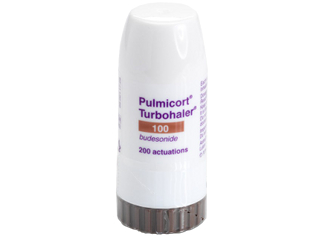
Pulmicort (Budesonide) – Patient Information (UK)
Pulmicort is a brand of budesonide, a medicine that belongs to the group known as corticosteroids (often called “steroids”). Budesonide reduces inflammation in the airways and can help control symptoms in conditions such as asthma and certain chronic lung diseases.
This patient-friendly guide explains what Pulmicort is used for, how it works, how it is taken, key safety points, and what to expect in day-to-day life in the United Kingdom.
Basic product information
- Active ingredient: Budesonide
- Brand: Pulmicort
- Medicine type: Inhaled corticosteroid (ICS) (most commonly used for the lungs)
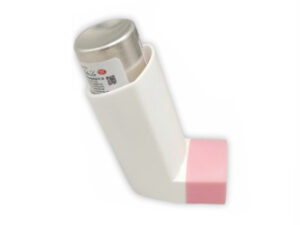
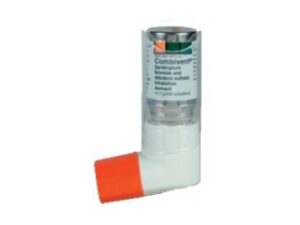
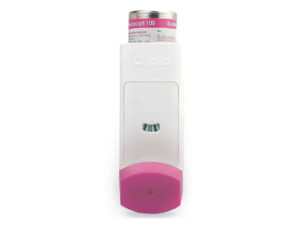
- Common formulations: Inhalation suspension / nebuliser treatments and inhaler products (availability varies by UK pharmacy and product strength)
- How it works: Reduces inflammation in the airways
Note: Different Pulmicort products may have different strengths and devices. Always check your specific pack for the exact instructions and dose.
How Pulmicort works (mechanism of action)
Budesonide is a glucocorticoid that acts locally in the lungs. After inhalation, it binds to corticosteroid receptors in airway cells, leading to changes in the expression of inflammatory proteins. This helps:
- Lower airway inflammation, including swelling and mucus production
- Reduce airway hyper-responsiveness (overreactivity to triggers)
- Improve airflow over time
- Reduce frequency and severity of flare-ups (exacerbations)
Because it is an anti-inflammatory medicine, it is not designed to stop a sudden asthma attack instantly. For that, many people use a fast-acting “reliever” inhaler.
Pharmacokinetics (absorption, distribution, metabolism, elimination)
Inhaled budesonide mainly works where it’s needed: the airways. Some portion may be swallowed (from inhalation or after use), then is absorbed through the gut.
- Absorption: Inhaled budesonide is absorbed through lung tissue. Some amount may be swallowed and absorbed from the gastrointestinal tract.
- Distribution: It distributes into tissues; plasma protein binding occurs.
- Metabolism: Budesonide is extensively metabolised in the liver (notably via CYP3A4) to less active metabolites.
- Elimination: Metabolites are mainly excreted through the kidneys and/or bile.
Why CYP3A4 matters: Medicines that strongly affect CYP3A4 can change blood levels of budesonide, potentially increasing side effects.
What Pulmicort is used for (indications)
Pulmicort is used for conditions where controlling inflammation in the lungs is important. In the UK, budesonide inhaled products are commonly used in:
- Asthma: as controller therapy to reduce symptoms and prevent flare-ups
- Croup (in some settings): certain budesonide nebuliser regimens may be used for symptom relief in acute croup (product and local protocol dependent)
- Chronic inflammatory airway disease: in some cases where an inhaled corticosteroid is part of long-term management (depending on product and clinician assessment)
Important: Indications and suitability can vary by product type (nebuliser vs inhaler), strength, and age group. Always follow the instructions on your specific pack and any advice from your healthcare team.
When to take Pulmicort (timing and routine)
Pulmicort is usually taken as part of a regular daily routine. Many people notice symptom improvement over days, but the full anti-inflammatory benefit may take longer.
- Consistency is key: Use it regularly even when you feel well.
- Best timing: Follow your prescribed schedule (for example, once or twice daily depending on the product).
- Rinse after inhalation: If using an inhaler or inhalation suspension via a device, mouth rinsing helps reduce risk of mouth/throat side effects.
Missing a dose: Take it when you remember unless it’s close to the next dose. Don’t double up to compensate.
Food interactions
In most patients, food does not significantly affect the anti-inflammatory effect of inhaled budesonide, because delivery to the lungs is the main route.
- If budesonide is partially swallowed, absorption may occur after passing through the gut. However, taking it with or without food is generally acceptable.
- Do not rely on food to “balance” side effects.
If you have a sensitive stomach or experience unwanted effects, you can ask a pharmacist about whether taking your dose with food could help—though this is usually not necessary for inhaled medicines.
Alcohol interactions
There is no common, direct “dangerous” interaction between alcohol and inhaled budesonide in typical patient use. However:
- Alcohol may worsen asthma control in some people (through dehydration, sleep disruption, reflux, or effects on breathing patterns).
- Heavy alcohol intake can affect immunity and overall health, which may influence susceptibility to infections.
Practical advice: If you drink alcohol, aim for moderation and monitor how you feel in relation to your symptoms.
Medicine interactions (important)
Budesonide is metabolised mainly by CYP3A4 in the liver. Therefore, medicines that inhibit or induce CYP3A4 can alter budesonide levels.
Medicines that may increase budesonide levels
- Strong CYP3A4 inhibitors can increase systemic exposure to budesonide, potentially raising risk of side effects (e.g., Cushing-like effects, adrenal suppression, or infections in susceptible individuals).
- Examples commonly discussed include some antifungals (e.g., ketoconazole/itraconazole) and certain antibiotics (e.g., clarithromycin) depending on the patient’s regimen.
Medicines that may reduce budesonide levels
- CYP3A4 inducers may reduce budesonide effectiveness by lowering its blood levels.
- Examples can include rifampicin and some anti-epileptic medicines (such as carbamazepine, phenytoin, phenobarbital), depending on the specific product and patient situation.
Other inhaled medicines
- Using a reliever inhaler (such as salbutamol) alongside Pulmicort is common in asthma.
- Many people use Pulmicort as controller therapy and a reliever as needed.
Always check: If you start or stop any medicines (including herbal products), inform a pharmacist or your healthcare team, especially if you’re taking medicines that affect the liver enzyme system.
Dosing – typical regimens
Dosing depends on the specific Pulmicort product (inhaler vs nebuliser), strength, age, and the condition being treated. Below are general examples of typical dosing patterns used in practice; your exact dose should always follow the instructions on your pack or healthcare advice.
General approach for asthma (controller therapy)
- Adults and adolescents: Often prescribed once or twice daily depending on symptom control and prior treatment.
- Children: Dosing is age-dependent and tailored to asthma severity and device capability.
Acute croup (where applicable)
For certain budesonide nebuliser regimens used in croup, dosing is typically given as a short course under clinical assessment. The exact regimen varies by protocol and product presentation.
Do not self-adjust dose: Inhaled steroids can cause side effects if the dose is too high for too long, but under-dosing can lead to poor asthma control. If symptoms worsen, seek appropriate medical advice.
Safety profile – what to watch for
Inhaled budesonide is generally well tolerated. Because it acts mainly in the lungs, systemic effects are lower than with oral steroids, but they can still occur, especially at higher doses or in vulnerable patients.
Common side effects
- Hoarseness or voice changes
- Sore throat or irritation
- Oral thrush (candidiasis)
- Cough or mild breathing discomfort after inhalation
Less common but important risks
- Systemic corticosteroid effects (risk increases with higher doses and long-term use):
- Adrenal suppression (rare but important)
- Effects on growth in children
- Bone thinning risk with prolonged high exposure
- Infections: inhaled steroids can modestly increase risk of certain infections (including thrush).
When to seek urgent advice
Get urgent medical help if you have signs of severe allergic reaction (such as swelling of the face/lips, difficulty breathing, or widespread rash), or if your breathing rapidly deteriorates and you need immediate relief.
Practical use tips (how to get the best results)
Using Pulmicort correctly improves benefit and reduces side effects.
1) Use the right technique
- Follow the device instructions specific to your product (nebuliser vs inhaler).
- If you’re unsure about your inhaler technique, ask a pharmacist to demonstrate or check it with you.
2) Rinse your mouth after use
- After using inhaled budesonide, rinse your mouth with water and spit it out.
- This helps reduce the risk of thrush and throat irritation.
3) Keep track of control
- Monitor symptoms (night-time waking, wheeze, need for reliever).
- If you notice increasing symptoms, don’t stop Pulmicort abruptly—get advice about adjusting your plan.
4) Storage and care
- Store according to the pack instructions (temperature, light protection, device cleanliness).
- If using a nebuliser, keep equipment clean and replace parts as recommended.
Alternative options
If Pulmicort is not suitable, there are other controller medicines for inflammatory airway disease. Options may include other inhaled corticosteroids or combinations depending on your condition and symptom severity.
Possible alternatives (discuss with a pharmacist/clinician)
- Other inhaled corticosteroids (different brands of budesonide or other ICS molecules)
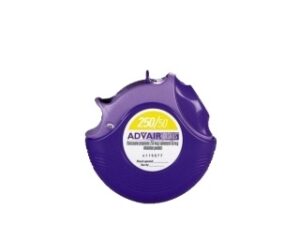
- ICS/LABA combination inhalers (for some asthma patients who need both anti-inflammatory and long-acting bronchodilation)
- Leukotriene receptor antagonists (in selected cases)
- Biologic therapies (for severe asthma under specialist care)
The most appropriate alternative depends on your diagnosis, age, severity, inhaler technique, and how well your symptoms are controlled.
UK market and legal context (what to expect)
In the UK, inhaled budesonide products are widely available through pharmacies and healthcare providers. Supply and eligibility can vary by product type, strength, and patient category.
- Medicines regulation: In the UK, medicines are regulated under the Medicines and Healthcare products Regulatory Agency (MHRA) and must have an appropriate authorisation for sale and use.
- Pharmacy responsibilities: Pharmacists may provide guidance on correct use, storage, and interaction checks.
- Device and technique: NHS and UK clinical practice emphasise correct inhaler technique and regular review of asthma control.
Important: Availability of specific strengths and formulations may change over time due to commercial supply and local stock.
Recent guidance in the UK (high-level)
UK asthma management commonly aligns with national and international guidance principles, including:
- Use inhaled corticosteroids regularly for controller treatment in appropriate patients
- Reliever medicines are used for rapid symptom relief
- Stepwise approach: treatment is reviewed and adjusted based on control (not automatically increased without assessment)
- Check technique and adherence before escalating treatment
Guidance may also emphasise reducing preventable side effects such as thrush through mouth rinsing and correct technique. Always follow advice from your healthcare team.
Delivery and availability in the UK
Pulmicort availability depends on the specific product and strength. Many online pharmacies in the UK offer:
- Standard delivery within a stated number of business days
- Tracked delivery options (where available)
- Dispatch times depending on stock levels and order cut-off times
What to check before ordering:
- The exact product name (Pulmicort)
- The formulation (inhaler vs nebuliser suspension)
- The strength and number of doses/vials
- Expiry date and storage requirements
If stock is temporarily unavailable, some services may offer substitution only where permitted and appropriate, subject to safety and matching your needs.
FAQ – Pulmicort (budesonide)
1) Is Pulmicort a reliever inhaler?
No. Pulmicort is an anti-inflammatory controller. It helps prevent symptoms and flare-ups but usually does not act fast enough to relieve a sudden attack. Use your reliever medication for immediate relief as directed.
2) How quickly will Pulmicort work?
Some improvement may be noticed within days, but the full benefit often takes longer as inflammation settles. Continue using it regularly as directed.
3) Can I stop Pulmicort when I feel better?
Do not stop suddenly without advice. Stopping can lead to loss of control and increased risk of flare-ups. If you think you can reduce or stop, discuss it with your healthcare team.
4) Will it cause thrush?
Inhaled steroids can increase the risk of thrush. Rinsing your mouth and using correct technique reduces risk. If you get white patches in the mouth, persistent sore throat, or unusual taste, seek advice promptly.
5) Do I need to avoid food or drinks?
Typically, you can take Pulmicort without special dietary restrictions. Food generally doesn’t meaningfully interfere with inhaled budesonide.
6) Are there alcohol restrictions?
There is usually no direct alcohol-budesonide interaction. However, alcohol may worsen asthma control for some people. Keep intake moderate and monitor your symptoms.
7) Can Pulmicort interact with other medicines?
Yes. Because budesonide is metabolised by CYP3A4, certain medicines (especially strong inhibitors or inducers) can affect its levels. Always check with a pharmacist if you are taking medicines such as some antifungals or antibiotics.
8) Is it safe for children?
Many children use inhaled budesonide. Dosing is age- and severity-dependent. Growth and side effects should be monitored as part of regular asthma reviews.
9) What should I do if I miss a dose?
Take it when you remember unless it is close to the next dose. Don’t double up. If you frequently miss doses, discuss with a pharmacist to improve routine or check technique.
10) How should I store Pulmicort?
Store according to the pack instructions (temperature, light, and device care). For nebuliser components, keep them clean and replace according to guidance provided with your device.
Summary
Pulmicort (budesonide) is an inhaled corticosteroid used as a long-term controller to reduce inflammation in the airways, improving asthma control and helping prevent flare-ups. It works best when used consistently, with correct inhalation technique and mouth rinsing to reduce the risk of thrush.
If you have questions about which Pulmicort product is appropriate for you, how to use your device correctly, or concerns about interactions or side effects, your pharmacist can help.