Aldara (Imiquimod) – Patient Information (UK)
Aldara contains the active substance imiquimod. It is used to treat certain skin conditions, including some caused by the human papillomavirus (HPV) and certain early skin cancers. This guide explains how Aldara works, how it is used, key safety information, and practical tips to help you get the most benefit while reducing irritation.
This information is designed to be patient-friendly and UK-focused. Always follow the instructions provided with your product and any clinical advice you have received.
1) Basic product information
- Medicine: Aldara (imiquimod)
- Active ingredient: Imiquimod
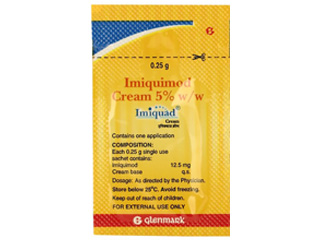
- Form: Cream
- Strength: Commonly available as 5% cream in the UK.
- How it is used: Applied to the skin at specific times and in specific amounts, usually by a doctor’s-directed regimen.
- Category: Immunomodulator (topical)
Important: Aldara is applied to affected skin only. Do not apply to eyes, inside the nose, inside the mouth, or to any broken/irritated skin unless specifically instructed.
2) How Aldara works (mechanism of action)
Imiquimod is an immune-modulating medicine. When applied to the skin, it stimulates local immune responses. Although it is applied topically, its effects are largely through the skin’s immune signalling pathways.
Main actions include:
- Activates immune signalling in the skin by binding to receptors that trigger production of immune mediators.
- Induces interferon and other cytokines (immune messengers), which help the body recognise and respond to abnormal or virus-infected cells.
- Helps clear certain HPV-related lesions by enhancing local immune activity.
- Supports treatment of some superficial skin cancers by prompting immune-mediated control of abnormal cells.
Because it works by boosting the local immune response, redness and irritation can occur—especially as treatment progresses.
3) Pharmacokinetics (how the body handles it)
With topical use, only a small amount of imiquimod is expected to be absorbed through the skin, particularly when applied to intact skin in the recommended way.
- Absorption: Limited systemic absorption occurs after application. Skin condition, amount used, and frequency of application can influence absorption.
- Distribution: Any absorbed drug is processed by the body similarly to other small molecules.
- Metabolism: Imiquimod is metabolised mainly in the body.
- Elimination: Metabolites are removed from the body primarily via the kidneys.
Clinical implication: Because systemic exposure is usually low, many people experience mainly local skin effects rather than whole-body side effects.
4) Typical uses and indications
In the UK, Aldara is used to treat specific conditions depending on lesion location and diagnosis. It is typically used for:
- External genital warts (condyloma acuminata) in adults
- Superficial basal cell carcinoma (sBCC) when appropriate for topical therapy
- Actinic keratosis (AK) (also called solar keratosis), where topical treatment is suitable
Note: Aldara is not for every skin problem. Correct diagnosis matters. Some lesions may look similar but need different treatment.
5) When to apply Aldara (timing and routine)
Timing depends on the condition being treated and the regimen your clinician provides. Many common regimens involve night-time application.
General practical timing principles
- Apply in the evening or at night to allow the cream to remain on the skin for a specified period.
- Leave on for the recommended duration (often around 8 hours in many regimens).
- Wash it off afterwards using mild soap and water.
- Use a consistent schedule to maintain treatment effectiveness.
Hands and contact precautions: After applying, wash your hands unless the hands are the treated area.
6) Dosing and how much to use
Dosing varies by indication and treatment area size. The correct amount is important both for effectiveness and to reduce irritation.
Typical dosing approach (general):
- A thin layer is applied to the affected skin only.
- Use the amount specified for the size of the treatment area (some regimens use “single-use” sachets to guide dosing).
- Do not cover with occlusive dressings unless specifically instructed.
- Do not apply more frequently than directed to “speed up” results.
What to expect: Treatment may continue for several weeks, and local skin reactions may occur. Stopping early because irritation feels uncomfortable can reduce effectiveness.
If you miss a dose: Follow your regimen instructions. In general, do not double the next dose. If you are unsure, seek advice from your pharmacist.
7) Food interactions
Aldara is a topical cream. Food interactions are not generally expected because systemic absorption is typically limited.
However, as with any medicine, if you have concerns about interactions (for example, if you take other drugs that affect the immune system), ask a healthcare professional.
8) Alcohol interactions
No specific interaction between Aldara and alcohol is commonly expected for topical use.
Practical consideration: If Aldara causes skin inflammation or you feel unwell during treatment, alcohol may worsen dehydration or discomfort. Use discretion and monitor how you feel.
9) Interactions with other medicines
Because the medicine is applied to the skin and systemic absorption is generally low, clinically important interactions are less common than with oral medicines. Still, interactions can occur in some situations.
Be cautious and seek advice if you use:
- Other topical products on the same area (especially strong antiseptics, exfoliants, or other irritants)
- Immunosuppressive medicines (for example, some long-term treatments that reduce immune activity) since they may reduce the effect of imiquimod
- Medicines that affect the immune system or you have a condition affecting immunity
Skin compatibility: Avoid applying Aldara over moisturisers or occlusive products unless advised, as this may affect irritation and effectiveness.
10) Safety profile and side effects
Most side effects with Aldara are local skin reactions. These can include redness, swelling, itching, burning, or scabbing. In many people, these effects increase during treatment.
Common local effects
- Redness (erythema)
- Swelling
- Itching or irritation
- Burning or tenderness
- Dryness and flaking
- Crusting or scabbing
- Skin erosion (more intense irritation)
Other possible effects
- Headache or dizziness (less common)
- Flu-like symptoms (rare, but can occur due to immune stimulation)
- Increased sensitivity in the treated area
Serious side effects – get urgent medical advice if
- Severe swelling or intense pain in the treatment area
- Signs of infection (increasing warmth, pus, fever, spreading redness)
- Allergic reaction (wheezing, facial swelling, widespread hives)
- Eye involvement or severe irritation of surrounding skin
Who should take extra care?
- If you have immune system disorders or take immunosuppressive medicines
- If you have a history of severe skin reactions
- If you are treating very sensitive skin areas (for example, genital skin)
- During pregnancy or breastfeeding—discuss with a healthcare professional before use
11) Practical tips for using Aldara
Good technique can improve comfort and reduce unnecessary irritation.
Step-by-step application tips
- Wash and dry the skin before application.
- Use a thin layer on the affected area only.
- Do not rub aggressively; gentle spreading is enough.
- Avoid contact with eyes, lips, and inside mucous membranes.
- Wash your hands after applying (unless hands are treated).
- Leave on for the specified duration (commonly around 8 hours).
- Afterwards, wash off with mild soap and water.
Managing irritation
- Some redness and discomfort are expected. Mild irritation can be part of treatment.
- If irritation becomes very uncomfortable, talk to a pharmacist or clinician promptly.
- Avoid other irritants (perfumed soaps, alcohol-containing products) on the treated area.
- If your regimen allows, consider using a bland emollient on surrounding non-treated skin—but avoid covering the treated area unless advised.
Sexual health guidance (for genital warts)
If Aldara is used for genital warts, it’s important to reduce risk of transmitting HPV to sexual partners.
- Use of condoms may reduce spread, though it does not eliminate risk completely.
- Local irritation can increase discomfort during sex—avoid activity if the treated area is painful or ulcerated.
- Discuss contraception and sexual health guidance with a clinician if needed.
Important: Aldara may affect the integrity of latex products in some situations. If you use condoms or diaphragms, ask a healthcare professional for advice on timing during treatment.
12) Alternative options
Alternative treatments depend on the condition being treated (HPV warts, actinic keratosis, or superficial basal cell carcinoma). Your healthcare team will choose the best option based on location, size, number of lesions, skin type, and previous treatment history.
Common alternatives (examples):
- Cryotherapy (freezing) for some lesions
- Other topical medicines for actinic keratosis or superficial lesions (your clinician will advise suitability)
- Surgical treatments such as excision or curettage for certain skin cancers
- Laser or other procedural approaches for selected cases of warts
If you are considering changing treatment due to side effects or effectiveness, ask your pharmacist or clinician before stopping abruptly.
13) UK market and legal/regulatory context (overview)
In the UK, Aldara is an established medicine with regulatory approval for specific indications. Availability, form strength, and pack sizes may vary.
Quality and safety standards: Medicines sold in the UK are subject to regulatory oversight, including manufacturing standards and product information requirements.
Clinical practice: Treatment choice is influenced by local guidance for HPV-related disease, actinic keratosis management, and superficial skin cancer management.
Recent guidance (general themes):
- Emphasis on accurate diagnosis and appropriate lesion selection for topical therapy.
- Encouraging patients to manage expected local reactions safely and to seek review if symptoms worsen or signs of infection occur.
- Ongoing focus on patient education regarding correct application technique and adherence to dosing schedules.
Note: For the latest official guidance, refer to NHS and relevant professional recommendations. Your clinician can also tailor treatment to your case.
14) Delivery and availability (online pharmacy UK)
Availability can vary by supplier and stock levels. Many online UK pharmacies offer Aldara for home delivery where permitted. Delivery times typically depend on:
- Stock availability
- Your delivery address (UK mainland vs. non-mainland areas)
- Order processing times
What to expect when ordering online:
- Packaging to protect the cream from light and temperature extremes
- Product information leaflets included or available digitally
- Tracking details in many cases
Storage: Store according to the product label instructions (generally in a cool, dry place). Keep away from children.
15) Frequently Asked Questions (FAQ)
Q1: How long does Aldara take to work?
It depends on the condition being treated. Local reactions and visible changes often occur over the course of weeks. Even when lesions appear to reduce, treatment schedules typically need to be completed as advised to improve results.
Q2: Is irritation normal?
Yes, mild to moderate local irritation (redness, itching, burning, dryness, and scabbing) is commonly expected. However, if you develop severe pain, rapidly worsening redness, blistering, or signs of infection, seek advice promptly.
Q3: Can I use Aldara on broken or open skin?
Do not apply to open wounds or heavily inflamed skin unless you have been specifically instructed to do so. Applying to broken skin may increase absorption and irritation.
Q4: Can I shower or wash normally?
Wash hands before and after application. After the cream has been on the skin for the recommended period, wash it off with mild soap and water. Avoid harsh scrubbing or perfumed products on treated areas.
Q5: Can I use moisturiser?
Use caution. If moisturiser is needed, apply it to surrounding unaffected skin unless your clinician/pharmacist advises otherwise. Avoid mixing products directly with the cream unless told.
Q6: Should I cover the area with a dressing?
Generally, occlusive dressings are not used unless advised. Keeping the area dry and allowing the cream to remain uncovered for the recommended time is commonly part of the regimen.
Q7: What if I miss an application?
Follow the instructions supplied with your treatment plan. In general, if you forget a dose, do not apply extra cream to “catch up”. Ask your pharmacist if you are unsure.
Q8: Can I drink alcohol during treatment?
No specific alcohol interaction is expected with topical imiquimod. If you find your skin is more irritated or you feel unwell, avoid alcohol and maintain hydration.
Q9: Does Aldara affect condoms or other latex products?
It may affect latex products in some circumstances. If you’re using Aldara for genital warts or plan sexual activity, ask a healthcare professional for advice on safe contraception and barrier use during treatment.
Q10: Are there alternatives if it doesn’t suit me?
Yes. Alternatives vary by diagnosis: some people may use other topical therapies, procedures (such as cryotherapy), or surgical options depending on the number, size, and location of lesions.
16) Summary table – key points at a glance
| Topic | What to know |
|---|---|
| Active ingredient | Imiquimod |
| Medicine type | Topical immunomodulator |
| How it works | Stimulates local immune responses in the skin (including interferon and other cytokines) |
| Where to apply | Only to affected skin as directed; avoid eyes, mouth, and mucous membranes |
| Timing | Often applied at night and washed off after the recommended duration |
| Common side effects | Local redness, itching, burning, dryness, scabbing; usually expected to some extent |
| Food interactions | Not generally expected for topical use |
| Alcohol interactions | No specific interaction expected; use discretion if you feel unwell |
| When to get help | Severe swelling/pain, signs of infection, allergic reactions, or eye involvement |
Need advice? If you have questions about how to apply Aldara, managing irritation, or what to do if your skin reaction is stronger than expected, speak to a pharmacist or clinician. Correct use and timely support can make treatment more comfortable and more effective.