Aciclovir (Acyclovir) – Patient-Friendly Guide
Aciclovir (also spelled acyclovir) is an antiviral medicine used to treat infections caused by certain viruses, most notably herpes simplex (HSV) and varicella-zoster (VZV, the virus that causes chickenpox and shingles). This guide explains what aciclovir is, how it works, how it is taken, and what to expect in terms of safety and practical use.
This information is designed for customers in the United Kingdom. If you have any questions about the best option for you, speak with a qualified healthcare professional or a pharmacist.
1. Basic product information
| Topic | Details |
|---|---|
| Generic name | Aciclovir (acyclovir) |
| Medicine type | Antiviral (nucleoside analogue) |
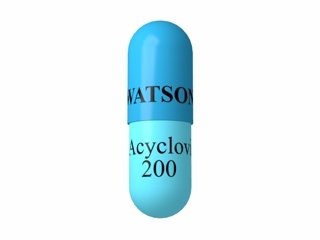
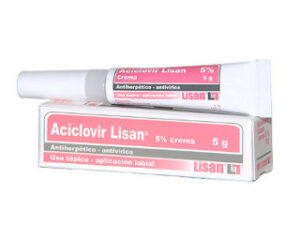
| Common forms | Tablets/capsules, cream/ointment, eye ointment (depending on product) |
| Typical viruses treated | Herpes simplex (HSV), varicella-zoster (VZV) |
| Where it’s used | Cold sores, genital herpes, shingles, chickenpox (in specific situations) |
2. How aciclovir works (mechanism of action)
Aciclovir targets virus replication. It is taken up by infected cells and then converted into an active form that disrupts viral DNA synthesis. In simple terms:
- When herpes viruses infect cells, they produce viral enzymes required to build new viral DNA.
- Aciclovir is activated inside infected cells, particularly through viral enzymes.
- The active form blocks the viral DNA-building process, preventing the virus from multiplying effectively.
- This reduces the duration and severity of outbreaks and can help limit complications, especially when started early.
Aciclovir does not “cure” herpes infections permanently. The viruses can remain inactive in the body and reactivate later. Treatment helps control active episodes.
3. Pharmacokinetics (how the body handles it)
Pharmacokinetics describes absorption, distribution, metabolism, and elimination. Key points for aciclovir include:
- Absorption: Oral aciclovir is absorbed through the gut, but absorption can be affected by individual factors and the specific formulation.
- Distribution: It distributes into body tissues and fluids, reaching sites where viral activity occurs.
- Metabolism: Aciclovir is only partly metabolised.
- Elimination: It is mainly removed by the kidneys through urine (renal clearance).
- Renal function matters: Because elimination is largely renal, dose adjustments may be needed in people with reduced kidney function.
If you have kidney disease, are elderly, are dehydrated, or take medicines that affect kidney function, it is particularly important to use aciclovir as advised and to maintain adequate fluid intake (unless you’ve been told to restrict fluids).
4. Typical use in the UK
In the UK, aciclovir is used for a range of herpes-related conditions depending on the product form and strength. Common uses include:
- Cold sores (herpes labialis): Often treated with topical aciclovir cream/ointment, especially when started early.
- Genital herpes (HSV): Typically treated with oral aciclovir tablets for episodes, and sometimes with longer-term regimens for prevention of recurrent attacks in some patients.
- Shingles (herpes zoster, VZV): Treated with oral aciclovir, best started early to reduce complications.
- Chickenpox (VZV): In certain higher-risk situations, oral antivirals may be recommended by healthcare professionals.
- Eye conditions (where appropriate): An aciclovir eye ointment may be used for certain herpes-related eye infections. Eye involvement requires prompt medical assessment.
5. Timing: when to start and how long to take
Timing is crucial with antiviral medicines. For best outcomes:
- Start early: Aciclovir tends to work best when begun as soon as possible after symptoms start.
- For shingles: Treatment is usually most effective when started within a short time window after the rash appears.
- For cold sores: Topical treatment works better when applied at the earliest stage (for example, tingling or itching), before blisters fully develop.
- Complete the course: Even if you feel better, finish the recommended duration unless advised otherwise.
Your exact timing and duration depend on the condition and the specific product/strength you are using. Always follow the directions provided with your medicine.
6. Indications (what aciclovir is used to treat)
Aciclovir is indicated for infections by herpes viruses, including:
- Herpes simplex virus (HSV): cold sores (herpes labialis), genital herpes
- Varicella-zoster virus (VZV): shingles (herpes zoster) and, in selected cases, chickenpox
- Herpes-related eye infections: certain cases where an aciclovir eye ointment is appropriate
Indications can vary slightly by formulation and local guidance. If you are unsure whether your symptoms fit a herpes-related condition, get professional advice promptly—especially for eye symptoms or widespread rash.
7. Dosing information (general UK guidance)
Dosing depends on the specific condition, age, kidney function, and the formulation. Below is general information (not a substitute for the instructions provided with your particular product).
Oral aciclovir (tablets/capsules)
- Cold sores (HSV-1): Oral antiviral treatment is used in some cases, but topical treatment may be sufficient for many mild episodes.
- Genital herpes: Oral regimens are commonly used for treatment of episodes and may be prescribed for prevention of recurrences in selected people.
- Shingles: Oral antiviral treatment is typically started early and taken for several days, with exact duration depending on the situation.
Oral aciclovir regimens commonly involve multiple doses per day for a set number of days. It’s important to keep dosing intervals evenly spaced.
Topical aciclovir (cream/ointment)
- Apply to the affected area as directed.
- Wash hands before and after application.
- Avoid eyes, inside the mouth, and genital areas unless specifically instructed for that indication.
Kidney function considerations
Because aciclovir is eliminated through the kidneys, dosing may need adjustment if you have kidney impairment. This is especially important for older adults or anyone with dehydration.
Practical reminder: If you miss a dose, take it when you remember unless it’s nearly time for the next dose. Do not take a double dose to make up for a missed one.
8. Food interactions
Food can influence how quickly aciclovir is absorbed when taken by mouth. In general:
- Most oral courses: Aciclovir can often be taken with or without food, but follow the specific instructions for your product.
- If you notice stomach upset: Taking doses with a small snack may help some people.
- Consistency helps: Try to take each dose in a similar way day to day (for example, consistently with food or consistently without).
Always check the patient information leaflet that comes with your medicine, as product-specific instructions apply.
9. Alcohol and medicine interactions
There is not usually a direct, specific interaction between aciclovir and alcohol in standard references, but there are practical reasons to be cautious:
- Dehydration risk: Alcohol can contribute to dehydration. Since aciclovir is cleared by the kidneys, maintaining hydration supports safe medicine handling.
- Side effects: Both alcohol and medicines can potentially affect the stomach and cause dizziness or drowsiness in some people.
- Immune and illness factors: During active infection, alcohol may worsen how you feel and slow recovery.
If you plan to drink, consider limiting alcohol and drink water alongside it. If you have kidney problems, are elderly, pregnant, or you feel unwell, it may be safest to avoid alcohol during treatment.
10. Safety profile: common and serious side effects
Like all medicines, aciclovir can cause side effects. Many people experience none or only mild effects. The likelihood of side effects may be higher at higher doses or in people with kidney impairment.
Common side effects (may occur)
- Headache
- Nausea or mild gastrointestinal discomfort
- Dizziness (uncommon for some people but possible)
- Skin reactions with topical products (such as mild burning or irritation at the application site)
Less common but important effects
- Kidney-related effects: Rarely, kidney function changes can occur—risk may increase with dehydration or high doses.
- Blood count changes (rare)
- Allergic reactions (rare but potentially serious)
Seek urgent medical advice if you get
- Signs of a severe allergic reaction: swelling of the face/lips, difficulty breathing, widespread rash, or collapse.
- Reduced urination, severe back/flank pain, or sudden swelling (possible kidney problems).
- Severe or persistent vomiting, confusion, or marked drowsiness.
- For eye treatments: worsening eye pain, reduced vision, increasing redness, or sensitivity to light.
Who should take extra care?
- People with kidney impairment
- Elderly adults
- People taking other medicines that may affect the kidneys
- People with a history of allergic reactions to antivirals
- Pregnant or breastfeeding people should discuss suitability with a healthcare professional
11. Practical use tips (getting the best results)
A few simple steps can improve comfort and reduce the chance of spread.
For cold sores (topical aciclovir)
- Apply as soon as you notice symptoms like tingling, itching or burning.
- Use a clean cotton bud or washed hands to apply thinly to affected areas.
- Avoid touching eyes and do not share towels or lip products.
- Keep the area clean and dry; follow the leaflet for dressings or coverings if relevant.
For genital herpes (oral or topical, depending on product)
- Keep the area clean and avoid friction where possible.
- Consider using condoms or other safer-sex practices to reduce transmission during outbreaks, as antivirals can reduce viral shedding but may not eliminate it entirely.
- If you have new or worsening symptoms, or you are unsure whether it is herpes, seek advice quickly.
For shingles (oral aciclovir)
- Start treatment early after rash begins.
- Keep the rash clean; cover if it rubs on clothing (avoid tight friction).
- Pain control matters—antivirals work alongside symptomatic measures such as pain relief.
- Avoid contact with people who are at higher risk (for example, pregnant people who have not had chickenpox and immunocompromised individuals) until the rash is fully healed.
General tips
- Hydration: Drink fluids regularly unless you’ve been told to restrict fluids.
- Adherence: Take doses at the right times and space them as advised.
- Skin care: Don’t pick crusts; it can slow healing and increase risk of secondary infection.
- Hygiene: Wash hands after application to reduce spread.
12. Alternative options to consider
Depending on the condition, severity, location, and your medical history, healthcare professionals may consider other antiviral strategies. Alternatives may include:
- Topical antivirals for cold sores (in some cases).
- Other oral antivirals used for herpes infections (for example, valaciclovir or famciclovir) where appropriate.
- Supportive treatment for symptoms (pain relief, moisturisers for skin comfort, and avoiding irritants).
- Long-term prevention strategies for recurrent genital herpes in selected patients, sometimes involving daily antiviral therapy or treatment at outbreak onset.
The best option for you depends on factors such as kidney function, frequency of episodes, pregnancy status, and whether you are treating a first episode versus recurrent disease.
13. UK market and legal context (how it fits the system)
In the United Kingdom, medicine availability is governed by UK regulatory and pharmacy frameworks, including the classification of medicines by supply category and the Medicines and Healthcare products Regulatory Agency (MHRA) oversight for medicines.
Aciclovir products may be supplied via community pharmacies and may differ in availability depending on:
- Formulation (oral vs topical vs eye preparations)
- Strength and pack size
- Your age and the condition being treated
- Local pharmacy assessment requirements
For online pharmacy services, medicines are supplied in line with UK pharmacy regulations and manufacturer information. A pharmacist may ask screening questions to ensure safe use.
14. Recent guidance and clinical practice notes (UK)
Antiviral treatment for herpes infections is widely supported in clinical practice, with a consistent emphasis on:
- Early initiation to improve outcomes (especially for shingles).
- Risk-based decisions for systemic antiviral therapy in chickenpox and complicated cases.
- Appropriate dosing in renal impairment.
- Assessment of complications and alternative diagnoses when symptoms are atypical.
While specific advice can evolve, the principles above remain central in UK-based care pathways. If you are treating shingles, severe genital symptoms, eye involvement, or frequent recurrences, it is wise to seek prompt professional guidance.
15. Delivery and availability (what customers can expect)
Availability of aciclovir can vary by formulation and pack size. Typically, tablets/capsules and topical creams/ointments may be stocked at different levels.
- Dispatch times: Delivery times depend on stock status and the delivery option selected.
- Tracking: Many deliveries include tracking updates.
- Packaging: Medicines are supplied in secure packaging suitable for safe transit.
- Cold sores and shingles: Because timing matters, if treatment is needed urgently, choose the fastest delivery option available.
If you need aciclovir quickly, check the estimated delivery window at checkout. For conditions affecting the eye or severe symptoms, seek urgent medical assessment rather than relying solely on delivery times.
16. FAQ about aciclovir (UK)
Is aciclovir the same as acyclovir?
Yes. Aciclovir and acyclovir refer to the same active ingredient. The spelling difference is common across UK and international brands.
How fast will aciclovir work?
Many people notice symptom improvement within a few days, especially when treatment is started early. For shingles, early antiviral therapy is particularly associated with better outcomes.
Can I use aciclovir for a cold sore if I’ve had it before?
Topical aciclovir may help cold sores, especially when applied early. However, if symptoms are unusual, severe, or you’re unsure it’s herpes, get advice. Cold sore appearance can sometimes resemble other conditions.
Can I use aciclovir during pregnancy or while breastfeeding?
Some antiviral treatments may be considered in pregnancy or breastfeeding, but suitability depends on the individual situation. Speak to a healthcare professional or pharmacist for personalised advice.
Do I need to avoid sex while using aciclovir?
During active genital herpes outbreaks, avoid sex until symptoms have fully resolved. Antivirals can reduce viral shedding, but transmission can still occur. Safer-sex practices should be discussed with a clinician or pharmacist.
Can I catch shingles from someone who has cold sores?
Shingles is caused by the varicella-zoster virus. A person with shingles can transmit the virus to someone who has not had chickenpox, potentially causing chickenpox rather than shingles. The risk is highest when the shingles rash is not covered and during the active stage. Covering the rash reduces risk.
What if I miss a dose?
Take it as soon as you remember unless it’s close to the time for the next dose. Do not take two doses together. If you miss several doses, ask a pharmacist for advice.
Can I drive or operate machinery?
Aciclovir is not typically associated with severe impairment for most people, but some may feel dizzy or unwell. If you experience dizziness, avoid driving or operating machinery.
Are there interactions with other medicines?
Aciclovir is mainly cleared by the kidneys. Some medicines can affect kidney function or compete for renal clearance, which may increase risk of side effects. Always inform a pharmacist about all other medicines, including over-the-counter products.
Do I need extra precautions if I have kidney problems?
Yes. Kidney impairment can affect how aciclovir is cleared. Dose adjustments may be needed, and you should keep well hydrated unless told otherwise. Discuss your kidney function with a healthcare professional.
When should I stop and get medical help?
Stop using the product and seek urgent medical advice if you develop signs of a serious allergic reaction, severe kidney-related symptoms, or worsening eye symptoms (if using an eye preparation).
17. Key takeaways
- Aciclovir is an antiviral used for HSV and VZV infections (cold sores, genital herpes, shingles).
- Start early for best results, especially for shingles.
- Follow timing and dose instructions closely and keep dosing intervals even.
- Hydration matters, particularly if you have kidney issues or you’re feeling unwell.
- Seek prompt medical advice for eye involvement, severe symptoms, or atypical rashes.
If you would like, tell us which aciclovir product form you’re considering (tablets, cream, or eye ointment) and which condition you’re treating, and we can help you understand how it’s commonly used and what to watch for.