
Alesse (Levonorgestrel / Ethinyl estradiol) — Patient-Friendly Guide
Alesse is a combined oral contraceptive (COC) containing levonorgestrel and ethinyl estradiol. It is used mainly to prevent pregnancy and can also help with some menstrual-related symptoms for suitable users.
This page explains how Alesse works, how to take it safely, what to expect, and important interactions and safety information. It is written for people in the United Kingdom.
1) Basic product information
| Feature | Details |
|---|---|
| Medicine name | Alesse (levonorgestrel / ethinyl estradiol) |
| Type | Combined oral contraceptive (COC) |
| Active ingredients | Levonorgestrel (progestogen) + Ethinyl estradiol (oestrogen) |
| Typical pack | 21 active tablets followed by a break or placebo phase depending on pack format |
| Primary uses | Contraception; may help with cycle control and some period-related symptoms |
| Key cautions | Increased risk of blood clots in certain situations; not for everyone |
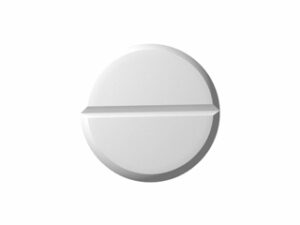
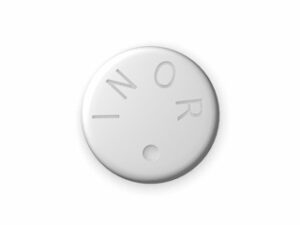
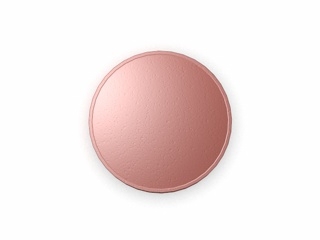
Brand presentations can vary by pack. Always check the tablet colours/strengths and the instructions on your specific pack.
2) How Alesse works (mechanism of action)
Alesse prevents pregnancy mainly by using the combined effects of two hormones:
- Prevents ovulation: Oestrogen and progestogen suppress the normal hormonal signals that trigger release of an egg.
- Thickens cervical mucus: This makes it harder for sperm to enter the uterus.
- Changes endometrial stability: The lining of the uterus becomes less suitable for implantation.
Because it works through several pathways, correct daily use is important for the best contraceptive reliability.
3) Pharmacokinetics (how the body processes it)
Pharmacokinetics describes what happens after taking the tablet: absorption, distribution, metabolism, and elimination. While individual responses vary, the general patterns are:
- Absorption: Ethinyl estradiol and levonorgestrel are absorbed from the gastrointestinal tract. After oral administration, blood levels typically rise over hours.
- Metabolism: Both hormones are metabolised mainly in the liver. Ethinyl estradiol undergoes metabolism including intestinal and hepatic pathways.
- Distribution and binding: Hormones bind to plasma proteins, which influences their measured levels and effects.
- Elimination: Metabolites are cleared from the body via bile and urine. Levels decline gradually between doses.
The key practical takeaway: consistent daily dosing helps maintain steady hormone levels to support reliable contraception.
4) Typical use and timing
What it is used for
Alesse is indicated for:
- Contraception (to prevent pregnancy)
- Sometimes used for cycle control and to help with certain menstrual symptoms in suitable people
When to start
The safest start method depends on when your period started and whether you have recently used another hormonal method. Common approaches include:
- Start on day 1 of your period: contraception protection begins immediately.
- Start within the first 5 days of your period: contraception is typically effective after 7 days of correct taking (follow pack guidance).
- Switching from another contraceptive: timing depends on the previous method; you may need backup contraception for a period.
How to take it
- Take one tablet every day, at about the same time.
- Follow the order of tablets in the pack.
- Complete the active phase, then follow the pack instructions for any break/placebo days (if included).
If you miss a tablet
Guidance depends on how many tablets were missed and which week of the pack you are in. In general, missed pills can reduce contraceptive protection, particularly if missing occurs early in the pack. Always refer to the specific “missed pill” instructions in the patient information leaflet for your exact pack.
If you are unsure, consider using condoms as additional protection and seek advice promptly.
5) Food interactions
Food generally does not meaningfully affect the contraceptive effectiveness of combined oral contraceptives. You may take Alesse with or without food.
However, certain situations can indirectly affect absorption:
- Vomiting or severe diarrhoea shortly after taking a tablet may reduce absorption.
- If vomiting occurs, follow the patient leaflet instructions—often this is treated like a missed tablet.
6) Alcohol and medicine interactions
Alcohol
Moderate alcohol consumption is not expected to directly reduce the contraceptive effect of Alesse. That said, heavy alcohol use may indirectly increase risk of missed tablets. If you vomit after drinking, tablet absorption may be affected.
Medicines that may reduce effectiveness
Some medicines can reduce Alesse effectiveness by increasing metabolism (for example, via liver enzyme induction). This may lead to breakthrough bleeding and pregnancy risk.
- Enzyme-inducing medicines, such as some medicines used for epilepsy (e.g., certain barbiturates, carbamazepine, phenytoin) and some treatments for tuberculosis (e.g., rifampicin, rifabutin).
- Some HIV treatments and other infectious disease medicines may affect hormone levels.
- St John’s wort (Hypericum perforatum) can reduce hormone levels.
Medicines that can affect side effects or safety
Alesse can interact with other medicines in ways that may require caution or monitoring. Examples of medicines where interaction checks are important include:
- Anticoagulants (blood-thinners): dose and bleeding risk may change.
- Other hormonal medicines: combining hormonal therapies should be discussed with a clinician or pharmacist.
- Some antifungals and antibiotics may interact in specific circumstances (interaction varies by drug).
Tip: Before starting any new medicine, including over-the-counter products and herbal remedies, check interactions with a pharmacist or by referring to the patient information leaflet.
7) Indications, benefits, and what to expect
Primary indication: contraception
Alesse helps prevent pregnancy by combining oestrogen and progestogen in a daily regimen. Effectiveness is highest when tablets are taken consistently without missed doses.
Possible non-contraceptive benefits
Many combined pills can provide additional benefits, such as:
- More regular bleeding patterns
- Reduced menstrual pain for some people
- Lower risk of certain hormonal-related conditions (benefits vary between individuals and do not replace medical advice)
Breakthrough bleeding and spotting
In the first months, some people experience spotting or irregular bleeding. This can be more common if doses are missed or taken late.
If bleeding is heavy, persistent, or accompanied by severe symptoms, seek medical advice.
8) Dosing information (how much and when)
Alesse is taken by mouth. The dosing schedule depends on the pack format (commonly a 21-active-tablet pattern with a break or placebo phase).
- Usual dose: one tablet daily.
- Route: oral.
- Timing: aim for the same time each day.
Starting with the next pack
After completing the active tablets and any prescribed break/placebo days, start the next pack according to the pack instructions. Do not delay starting the next pack, even if bleeding has not finished.
9) Safety profile and key risks
Like all combined hormonal contraceptives, Alesse has benefits and risks. The most important safety issue is the increased risk of blood clots (venous thromboembolism) in some situations.
When to avoid Alesse (general cautions)
Alesse may not be suitable if you have certain medical conditions or risk factors. These include (not exhaustive):
- A current or previous history of blood clots (e.g., DVT/PE)
- Some types of migraine, particularly migraine with aura
- Severe liver disease
- Known breast cancer or suspected hormone-sensitive cancer
- Unexplained vaginal bleeding that has not been assessed
- Major surgery or prolonged immobility (see “practical tips” below)
If any of these apply, discuss contraceptive options with a healthcare professional.
Signs of serious side effects — seek urgent help
Stop taking Alesse and get urgent medical attention if you experience symptoms that could indicate a clot or stroke, such as:
- Chest pain, sudden shortness of breath, coughing blood
- Severe pain/swelling in one leg
- Sudden weakness or numbness on one side, trouble speaking, or sudden vision changes
These symptoms are uncommon, but they are important to recognise.
Other possible side effects
Side effects can include:
- Nausea, breast tenderness
- Headache
- Mood changes
- Changes in bleeding pattern (spotting/irregular bleeding especially early on)
- Fluid retention
Many side effects improve after the first few months. If symptoms are severe or persistent, seek advice.
Pregnancy and breastfeeding considerations
- If pregnancy occurs while taking Alesse, contact a healthcare professional promptly for advice. Do not continue the medicine if pregnancy is suspected.
- In breastfeeding, contraceptive choice depends on timing postpartum and individual factors. Some methods may be preferred over combined pills early after delivery.
10) Practical use tips for best effectiveness
- Choose a reliable daily time (e.g., after breakfast or before bed) and keep it consistent.
- Use a reminder: phone alarms, calendar alerts, or a medication app.
- Pack organisation: start with the correct day marked in your pack and keep tablets in order.
- What to do for vomiting/diarrhoea: if you vomit soon after taking a tablet or have severe diarrhoea, treat it as a possible missed dose—follow leaflet guidance and use backup contraception if recommended.
- Back-up contraception: if tablets are missed or interacting medicines are used, consider condoms until protection is confirmed.
- Before long travel or surgery: discuss with a clinician if you will be immobilised for long periods. Combined pills may need to be stopped temporarily in some circumstances (follow medical guidance).
- Do not skip packs: delaying or skipping can increase risk of unintended pregnancy.
11) Alternative contraceptive options
If Alesse is not suitable or you experience bothersome side effects, there are many alternative options in the UK. Alternatives include:
Other combined pills
- Other brands with different progestogens or oestrogen doses may suit some people better.
Progestogen-only methods
- Progestogen-only pill (POP)
- Contraceptive implant
- Depo injection
- Hormonal IUS (coil)
- Non-hormonal IUD (copper coil)
Barrier methods
- Condoms (also help reduce sexually transmitted infection risk)
The best choice depends on personal health history, preferences, and lifestyle. A pharmacist or clinician can help compare options.
12) United Kingdom market and legal context (overview)
In the UK, combined oral contraceptives are regulated medicines and are supplied through licensed channels. Availability may differ depending on local pharmacy services, prescribing arrangements, and supply policies.
For online pharmacies, products should be supplied in accordance with UK medicines regulations and packaging requirements. Always ensure you receive medicines from a legitimate source and check the authenticity and integrity of packaging.
Pharmacist support: Many pharmacies offer counselling on how to start, take, and what to do if a tablet is missed, as well as interaction checks with existing medicines.
13) Recent guidance and practice points
Contraceptive guidance in the UK is regularly updated by professional organisations and public health bodies. While the exact wording may vary by update cycle, current best practice typically emphasises:
- Clear screening for contraindications and clot risk factors before using combined pills.
- Individualised advice regarding smoking status, migraines, and other risk factors.
- Prompt management of missed pills with practical backup contraception guidance.
- Interaction awareness, particularly for enzyme-inducing medicines and herbal products such as St John’s wort.
For up-to-date information, your local pharmacy team can confirm current UK recommendations and ensure your method remains appropriate.
14) Delivery and availability
Availability of Alesse online may depend on stock levels and pack format. When ordering through an online pharmacy, typical steps include:
- Ordering the correct Alesse presentation shown on the website.
- Payment and order confirmation.
- Packaging and dispatch from the pharmacy according to their fulfilment schedule.
- Delivery tracking may be provided depending on service level.
Delivery times vary by provider and location within the UK. Some pharmacies offer standard and express options. Check the product listing for estimated dispatch and delivery windows.
Storage at home: Keep tablets in the original packaging, protected from excess moisture and heat, and store them out of reach of children.
15) FAQ
How effective is Alesse?
When taken correctly every day, combined pills like Alesse are highly effective. Effectiveness decreases if tablets are missed, taken late, or affected by vomiting/diarrhoea. If you miss pills, use backup contraception and follow missed-pill guidance.
Can I take Alesse if I smoke?
Smoking increases the risk of cardiovascular and clot-related complications with combined pills. If you smoke (especially if you are older), suitability needs careful assessment by a clinician or pharmacist.
What if I start bleeding while taking Alesse?
Spotting or bleeding between scheduled breaks can happen, particularly in the first few months or if tablets are missed. If bleeding is heavy, persists, or is unusual for you, seek advice.
Does Alesse protect against sexually transmitted infections (STIs)?
No. Alesse protects against pregnancy, not STIs. Condoms can help reduce STI risk.
Can I take antibiotics with Alesse?
Many antibiotics do not reduce effectiveness, but some medicines can interact. If you are prescribed an antibiotic (or any new medicine), ask a pharmacist to check interactions.
Does alcohol affect Alesse?
Moderate alcohol is not expected to directly affect contraceptive protection. However, heavy drinking may lead to missed tablets and vomiting, which can reduce absorption.
What should I do if I miss a tablet?
Follow the missed-tablet instructions in your patient information leaflet. Guidance depends on: how many tablets were missed and where you are in the pack. If unsure, use condoms and seek timely advice from a pharmacist.
Can I switch to Alesse from another pill?
Yes, switching is possible. The safest timing depends on the previous method and how consistently you used it. A pharmacist can help plan an appropriate switch and whether you need backup contraception.
Will Alesse make me gain weight?
Weight changes can occur with hormonal contraception, but many people do not experience significant changes. If you notice concerning changes, discuss them with a clinician—there may be other contributing factors.
Are there alternatives if Alesse doesn’t suit me?
Yes. There are multiple options in the UK, including other combined pills and progestogen-only methods, as well as coils and implants. The best alternative depends on your health history and preferences.
Important: This information is general. Always read the patient information leaflet supplied with your medicine and seek advice if you are unsure whether Alesse is suitable for you or if you have side effects or interactions.