
Plan B (Levonorgestrel) Emergency Contraceptive Pill — UK Guide
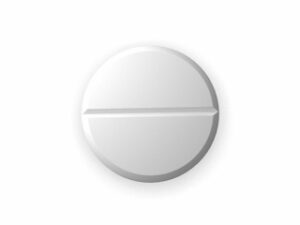
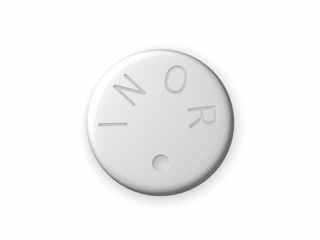
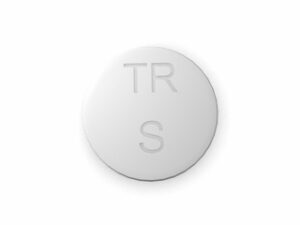
Plan B is a well-known emergency contraceptive medicine containing levonorgestrel. It is used to help reduce the risk of pregnancy after unprotected sex or after contraceptive failure (for example, a condom split). This guide explains how Plan B works, when to take it, what to expect, and how to use it safely.
In the UK, emergency contraception is widely available and can be obtained through pharmacies and other services. If you are unsure what to choose or you have questions about timing, side effects, or interactions, speak to a pharmacist or healthcare professional.
Basic product information
| Feature | Details |
|---|---|
| Active ingredient | Levonorgestrel (a progestogen) |
| Common form | Single-dose emergency contraceptive tablet |
| Typical strength | Usually 1.5 mg per tablet (check your product packaging) |
| When to use | As soon as possible after unprotected sex or contraceptive failure |
| Time window | Most effective up to 24 hours; may still help up to 72 hours (3 days). Some guidance and product information allow use up to 96 hours, but effectiveness declines. |
| Purpose | To help prevent pregnancy by delaying or preventing ovulation |
How Plan B works (mechanism of action)
Levonorgestrel is a synthetic hormone related to progesterone. In emergency contraception, it works mainly by delaying ovulation—the release of an egg from the ovary.
- If ovulation has not yet occurred, Plan B can help prevent pregnancy by reducing the chance that an egg will be released at the expected time.
- If ovulation has already occurred, levonorgestrel may be less effective because there is no egg-release delay to create a protective window.
- It does not act as an abortion medicine and is not intended to end an established pregnancy.
Pharmacokinetics (how the body handles levonorgestrel)
After taking the tablet by mouth, levonorgestrel is absorbed into the bloodstream and begins to act on hormonal pathways that influence ovulation timing. In general:
- Absorption: Levonorgestrel is absorbed from the gastrointestinal tract; peak blood levels typically occur within a few hours after dosing.
- Distribution: It binds to blood proteins and circulates throughout the body.
- Metabolism: It is metabolised primarily in the liver.
- Elimination: The medicine and its metabolites are cleared mainly through urine and bile/feces.
Emergency contraception is single-dose, so the clinical focus is on rapid action and effectiveness related to time since unprotected sex.
Typical use and indications
Plan B is indicated for use as emergency contraception to reduce the likelihood of pregnancy after:
- Unprotected sex (no contraception used)
- Condom breakage, slipping, or use failure
- Missing or delayed contraceptive pills (including progestogen-only pills depending on timing)
- Incorrect use of a barrier method
- Sex where the contraceptive method is suspected to have failed
It can be used by most people, but suitability depends on your individual situation (for example, timing in relation to ovulation, other medicines you take, and whether you have certain medical conditions).
Timing: when to take Plan B
Timing is one of the most important factors for effectiveness. Plan B works best when taken as soon as possible after unprotected sex.
- Best: take within 24 hours
- Still useful: within 72 hours (3 days)
- Later: effectiveness generally decreases as time passes; some product guidance may allow use up to 96 hours (4 days), but you should not delay
If you are unsure how long it has been since unprotected sex, choose the earliest possible time and take the tablet immediately. If you have used emergency contraception before this cycle, speak to a pharmacist for advice on what to do next.
Dose and how to take it
Plan B is usually taken as a single oral dose.
- Typical dose: 1.5 mg levonorgestrel as one tablet (check your pack for the exact strength).
- How to take: swallow the tablet with water. You can take it with or without food.
- If vomiting occurs: if you vomit soon after taking it (commonly within 3 hours), you may need another dose. Seek advice from a pharmacist as soon as possible.
Emergency contraception does not replace ongoing contraception. After using Plan B, you should consider starting or resuming a reliable regular contraceptive method and using condoms in the short term.
Food interactions
Food does not usually prevent levonorgestrel from working. You may take Plan B with or without food.
- If you feel nauseated, taking it with a light meal may help some people.
- Avoid delaying the dose—take it as soon as possible.
Alcohol and medicine interactions
Alcohol
There is no specific alcohol “interaction” that is known to make levonorgestrel unsafe, but alcohol may increase the chance of vomiting or make it easier to miss your dose. To get the best benefit from emergency contraception, try to take Plan B before drinking heavily, or avoid drinking to the point where you might vomit soon after.
Other medicines (important)
Some medicines can reduce how well levonorgestrel works by lowering hormone levels. These include medicines that affect liver enzymes (commonly called enzyme inducers).
If you take any regular medication—especially the examples below—ask a pharmacist for advice about which emergency contraception is most effective.
- Medicines for epilepsy (some enzyme-inducing anti-epileptics)
- Rifampicin or rifabutin (some antibiotics used for infections such as tuberculosis)
- Some treatments for HIV (certain antiretroviral regimens)
- Some medicines for tuberculosis or other serious infections (depending on active ingredient)
- St John’s wort (Hypericum perforatum) (herbal product)
If you have taken enzyme-inducing medicines, you may be advised that another type of emergency contraception could be more effective (for example, a copper intrauterine device).
Not all medicines interact in the same way, so it’s best to check with a pharmacist using the exact product names you take.
Safety profile and possible side effects
Plan B is generally well tolerated and designed for emergency, short-term use. Side effects are usually mild and resolve without treatment.
Common side effects
- Nausea
- Stomach cramps
- Fatigue
- Headache
- Dizziness
- Breast tenderness
- Vomiting (can occur, especially if taken on a very upset stomach)
- Changes to bleeding, such as spotting or a different period
Changes to your next period
It is normal for your next period to come:
- Earlier or later than expected
- More or less heavy than usual
- Associated with spotting in between
If your period is more than 7 days late, or if you have unusual symptoms, take a pregnancy test and seek advice.
When to get urgent help
Emergency contraception can reduce the risk of pregnancy but does not eliminate all risk. Seek urgent medical care if you might be pregnant and have symptoms such as:
- Severe lower abdominal pain (especially on one side)
- Fainting, dizziness, or shoulder-tip pain
- Heavy or persistent bleeding
These can be warning signs of conditions that require prompt assessment, including ectopic pregnancy.
Contraindications
In general, levonorgestrel emergency contraception is used when there is concern about pregnancy risk. It is not intended to be used if you are already known to be pregnant.
If you have had an allergic reaction to any ingredient in the product before, do not take it—check with a pharmacist for an alternative.
Practical use tips (to get the best benefit)
- Take it immediately: the earlier the better.
- Don’t wait for symptoms: emergency contraception can be taken even if you feel fine.
- Check the dose on the packaging: different products may have different strengths.
- If you vomit soon after taking it: contact a pharmacist for advice on repeating the dose.
- Use condoms for the rest of the cycle: emergency contraception is not ongoing contraception.
- Start or resume reliable contraception: consider discussing options for long-term protection.
- Plan a pregnancy test: if your period is late or you have symptoms, test at the appropriate time (see FAQ).
Alternative emergency contraception options (UK)
Plan B (levonorgestrel) is one emergency contraception option. Depending on timing, body weight, and medicine interactions, other options may be more effective.
1) Ulipristal acetate (another emergency contraceptive tablet)
Ulipristal acetate is a different oral emergency contraception medicine. It may be more effective than levonorgestrel closer to the end of the 72-hour window for some people, and it can have different interaction considerations. A pharmacist can advise which is best for your situation.
2) Copper intrauterine device (IUD)
A copper IUD is an emergency method and can provide the highest effectiveness when placed by a clinician within the recommended time frame. It can also provide ongoing contraception after placement.
Choosing between options
Factors that may influence choice include:
- How many hours/days have passed since unprotected sex
- Whether you have taken enzyme-inducing medicines
- Whether you are near ovulation (based on cycle timing)
- Body weight/BMI considerations (effectiveness may differ between methods)
- Access to services and feasibility
Market and legal context in the UK
In the UK, emergency contraception is available through:
- Community pharmacies
- Sexual health clinics
- Some GP services (depending on local arrangements)
Availability may differ by location and by product. Some emergency contraception can be supplied via pharmacy consultation pathways where trained clinicians provide appropriate advice. This helps ensure correct usage, assessment of timing, and guidance on follow-up.
If you want emergency contraception discreetly, many pharmacies can help. You can also contact local sexual health services for advice on the most suitable option and timing.
Recent and current guidance (overview)
UK clinical guidance commonly emphasises:
- Take emergency contraception as soon as possible after unprotected sex.
- Levornorgestrel is generally used up to 72 hours (3 days), with effectiveness decreasing as time passes. Some products may reference later use windows, but earlier remains better.
- Ulipristal acetate and copper IUD may be more effective in certain scenarios (for example, later in the window or if interactions are suspected).
- Follow-up: perform a pregnancy test if the period is delayed and seek medical advice if there are warning signs of ectopic pregnancy.
- Consider medicine interactions: enzyme-inducing drugs can reduce effectiveness of hormonal emergency contraception.
Local services may also provide advice on continuing contraception after emergency contraception is taken.
Delivery and availability (online pharmacy)
Plan B is often available through online pharmacy services in the UK, subject to product availability and eligibility checks. Delivery times can vary depending on the courier and your location.
- Order processing: orders are typically processed promptly during opening hours.
- Dispatch: dispatch time depends on stock and cut-off times.
- Delivery window: check the specific delivery option shown at checkout.
To avoid delays, place your order as soon as possible after unprotected sex. If you need it urgently and delivery is not fast enough, consider contacting a local pharmacy or sexual health service.
Please always follow the instructions on the packaging and the guidance provided at the time of purchase.
FAQ — Plan B (Levonorgestrel)
1) How soon can I take Plan B?
You can take Plan B as soon as possible after unprotected sex or contraceptive failure. It works best within 24 hours and is typically used up to 72 hours (3 days). The later you take it, the more effectiveness can decline.
2) Can I take it more than once in the same cycle?
It is generally possible to use emergency contraception more than once, but it is not a replacement for ongoing contraception. Repeated use may be less helpful, and your next steps for regular contraception are important. If this is not the first time you’ve needed emergency contraception this cycle, speak to a pharmacist or clinician for tailored advice.
3) Will Plan B work if I already ovulated?
Plan B primarily works by delaying ovulation. If ovulation has already occurred, the ability to prevent pregnancy is reduced. Because timing of ovulation can be hard to predict, taking Plan B as soon as possible is still recommended when you need emergency contraception.
4) What if I vomit after taking Plan B?
If you vomit within a short time after taking the tablet (commonly within 3 hours), you may not have absorbed the full dose. Contact a pharmacist for advice on whether you need another dose.
5) What should happen to my next period?
Your next period may be earlier or later than expected. Spotting can occur. If your period is more than 7 days late, take a pregnancy test and seek advice.
6) Can Plan B affect pregnancy tests?
Plan B is not intended to harm an existing pregnancy, but it may change your bleeding pattern. Pregnancy tests may still be affected only in the sense that your period timing may shift. Test if your period is late or if you have symptoms, and follow the test instructions.
7) Are there long-term effects from emergency contraception?
Emergency contraception is used on an occasional basis. A single course of levonorgestrel is not expected to cause long-term harm. Your fertility should not be permanently affected.
8) Does Plan B work with regular birth control?
It does not replace regular contraception. You can usually restart or continue your ongoing contraception after taking Plan B, but the exact approach depends on the method you use. A pharmacist can help you avoid gaps and advise about using condoms for a short period.
9) What medicines can make Plan B less effective?
Medicines that induce liver enzymes can reduce effectiveness, including some anti-epileptics, rifampicin/rifabutin, some HIV medicines, and St John’s wort. If you take regular medication, check with a pharmacist using the exact names to get the safest, most effective advice.
10) Is it safe to take if I have used it before?
Using emergency contraception before does not automatically make it unsafe to take again. However, frequent reliance can indicate a need for more reliable ongoing contraception. Seek advice if you have repeated incidents or if your cycle is irregular.
11) Can I drink alcohol after taking it?
Light/moderate alcohol is unlikely to directly interfere, but avoid heavy drinking that could cause vomiting or make you miss follow-up steps. If you vomit soon after taking Plan B, contact a pharmacist for guidance.
Summary
Plan B (levonorgestrel) is an emergency contraceptive pill designed to reduce the chance of pregnancy after unprotected sex or contraceptive failure. It works mainly by delaying ovulation and is most effective when taken as soon as possible.
If you’re taking it later in the time window, have certain medicine interactions, or you have missed a period, seek advice from a pharmacist or clinician. A pregnancy test may be needed if your period is late, and urgent help should be sought for severe symptoms that could indicate ectopic pregnancy.