
Alfacip (Alfacalcidol) — Patient Guide (UK)
Alfacip contains alfacalcidol, a vitamin D–related medicine used to help correct problems with calcium and bone metabolism. It is commonly used in conditions where the body’s ability to handle vitamin D and calcium is impaired, helping to support healthy bones and muscles.
This guide explains how Alfacip works, what it’s used for, how to take it safely, and what to consider with food, alcohol, and other medicines. It also includes practical tips, alternatives, and frequently asked questions.
1. Basic product information
| Item | Details |
|---|---|
| Active ingredient | Alfacalcidol |
| Medicine type | Vitamin D analogue / active vitamin D therapy |
| Common uses | Bone and mineral disorders related to abnormal vitamin D metabolism; hypocalcaemia prevention/treatment in specific conditions |
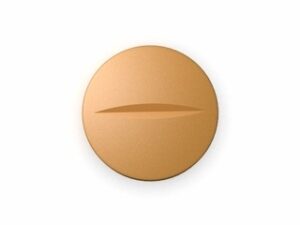
| Typical presentation | Oral capsules or tablets (strengths vary by product presentation) |
| How it is taken | By mouth, usually once daily or as directed |
| Important monitoring | Calcium, phosphate, kidney function, and vitamin D status (as advised by your clinician) |
Note: Strengths and dosing instructions can vary by condition and patient factors. Always follow the directions provided with your supply.
2. How Alfacip works (mechanism of action)
Alfacalcidol is a synthetic form of vitamin D. It is converted in the body to the active form of vitamin D (calcitriol). This active hormone-like form helps regulate:
- Calcium absorption from the gut
- Phosphate balance in the body
- Bone mineralisation (supporting formation and strengthening of bone)
- Parathyroid hormone (PTH) activity, helping reduce secondary hyperparathyroidism in some conditions
In simple terms, Alfacip helps ensure your body has enough usable vitamin D activity to maintain proper calcium and bone health—particularly when your natural vitamin D metabolism is impaired.
3. Pharmacokinetics (how the body handles it)
Understanding pharmacokinetics can help explain why monitoring is important and why dosing may be adjusted.
- Absorption: Alfacalcidol is absorbed after oral administration.
- Conversion: It is metabolised in the body to the active vitamin D form.
- Onset: Effects on calcium and related markers typically develop over days, though monitoring may reveal changes sooner or later depending on the person and condition.
- Distribution and action: Active vitamin D influences intestinal absorption and bone/mineral turnover.
- Elimination: Like other vitamin D metabolites, it is processed through normal metabolic pathways and excretion. Because vitamin D–related compounds can persist, careful dosing is essential to avoid excessive calcium.
Why this matters: Over-treatment can raise calcium levels (hypercalcaemia), so dose adjustments are usually based on blood tests.
4. Typical indications (what Alfacip is used for in the UK)
Alfacalcidol is used for disorders where active vitamin D is needed to manage calcium and bone metabolism. Typical clinical indications include:
- Renal osteodystrophy and other bone disorders associated with chronic kidney disease (CKD), particularly when impaired vitamin D activation contributes to abnormal mineral metabolism
- Hypocalcaemia (low blood calcium) in conditions where vitamin D–dependent mechanisms are affected
- Secondary hyperparathyroidism related to vitamin D deficiency or CKD, where appropriate
- Other vitamin D–responsive bone and mineral disorders as determined by a clinician
Important: The exact use can vary by patient and specialist guidance. Your healthcare professional will decide whether Alfacip is appropriate based on your diagnosis and blood test results.
5. Dosing guidance (general information)
Dose regimens differ depending on the condition, the severity of the disorder, baseline calcium levels, kidney function, and other treatments. A common approach is:
- Start low and adjust based on blood tests (especially calcium).
- Maintenance aims to keep calcium and related markers in the target range.
- Regular monitoring is often needed, particularly after starting or changing the dose.
Timing: Alfacip is often taken once daily, but follow the specific instructions for your product. If you miss a dose, do not double up; seek advice for your dosing schedule.
Practical tip: If your dose is adjusted, keep track of the date and strength so blood test trends can be interpreted accurately.
6. When to take Alfacip (timing & routine)
For many patients, Alfacip can be taken at a consistent time each day. Consistency helps you avoid missed doses and supports steadier management of calcium levels.
- Choose a time you can maintain (e.g., after breakfast or in the evening).
- Same time daily is often recommended.
- Do not change the dose without clinician advice, even if you feel well.
Monitoring schedule: Your clinician may request blood tests at intervals such as within the first few weeks after starting, then periodically. This may include serum calcium, phosphate, kidney function, and sometimes vitamin D metabolites.
7. Food interactions (what to know)
There is no single “must avoid” food list for alfacalcidol in most patients. However, calcium balance can be influenced indirectly by diet and supplements.
- Calcium supplements and high-calcium diets: Taking calcium supplements at the same time may increase the risk of high calcium levels. Do not change supplements without professional guidance.
- Vitamin D–containing supplements: Avoid doubling up on vitamin D products unless advised, as this can raise total vitamin D activity.
- General consistency: Keeping your usual diet and supplement routine helps interpret blood results and dose adjustments.
Takeaway: You don’t typically need to take Alfacip strictly with or without meals, but maintain consistent dietary/supplement habits and follow your healthcare plan.
8. Alcohol interactions
There is no universal direct “absolute” alcohol restriction with alfacalcidol, but alcohol can indirectly affect health conditions linked to bone and calcium metabolism (for example, nutrition, liver function, fall risk, and adherence to medication).
- Moderation is sensible for overall safety.
- Avoid heavy drinking if you are at risk of dehydration or nutritional deficiencies.
- Focus on adherence: alcohol may make it easier to miss doses.
If you have liver disease or significant alcohol use, discuss your situation with a clinician, as vitamin D metabolism and safety monitoring may be more complex.
9. Medicine interactions (important)
Alfacalcidol can interact with other medicines that affect calcium, phosphate, or vitamin D metabolism. Always review your full list of medicines and supplements.
Medicines that may affect calcium balance
- Calcium supplements or high-dose calcium-containing preparations: may increase risk of hypercalcaemia.
- Other vitamin D analogues (e.g., cholecalciferol, calcifediol, calcitriol): combined use can increase vitamin D effect.
Medicines that influence bone or mineral disorders
- Thiazide diuretics (e.g., hydrochlorothiazide): may increase calcium levels.
- Cardiac glycosides (e.g., digoxin): high calcium can increase the risk of digoxin toxicity; close monitoring may be needed.
- Anticonvulsants (certain enzyme-inducing drugs): may reduce vitamin D activity and affect dosing needs.
- Some phosphate binders or CKD-related therapies: may be coordinated to maintain phosphate and calcium balance.
General approach
- Tell your healthcare professional about all medicines, including over-the-counter products and supplements.
- If you start a new medicine, check whether it affects calcium/vitamin D levels.
- Keep up with blood tests after starting, stopping, or changing dose.
Emergency note: If you develop symptoms that could indicate very high calcium (such as severe thirst, confusion, persistent vomiting, or severe constipation), seek urgent medical advice.
10. Safety profile (side effects and when to seek help)
As with all medicines, Alfacip can cause side effects. The most important risk with active vitamin D analogues is raised calcium levels, which can be harmful.
Common or notable side effects
- Constipation
- Nausea or stomach discomfort
- Dry mouth or increased thirst
- Headache
- Weakness or fatigue (may occur in some calcium imbalance states)
Serious symptoms (possible hypercalcaemia)
Seek medical advice promptly if you experience:
- Severe or persistent constipation
- Excessive thirst and passing more urine than usual
- Confusion, drowsiness, or unusual behaviour
- Persistent vomiting or marked loss of appetite
- Severe muscle weakness or abnormal heart rhythm symptoms
Who needs extra caution?
- People with kidney disease or reduced kidney function
- People with a history of kidney stones or calcium-related complications
- People taking medicines that affect calcium (e.g., thiazide diuretics or digoxin)
- People who also use calcium and vitamin D supplements
Pregnancy and breastfeeding
Vitamin D preparations may be used during pregnancy or breastfeeding when clearly indicated, but dosing should be carefully managed. Discuss your treatment with a clinician if you are pregnant, trying to conceive, or breastfeeding.
Children: Use in children should be under specialist supervision, with dosing guided by age, weight, and blood results.
11. Practical use tips for everyday life
- Stick to your schedule: take the dose at the same time each day to reduce missed doses.
- Don’t stack vitamin D products: avoid extra vitamin D supplements unless your clinician advises it.
- Keep track of blood tests: bring results to appointments or note calcium trends if you’re adjusting doses.
- Watch hydration: dehydration can worsen some symptoms that overlap with high calcium states. Drink fluids as advised.
- Be alert to constipation: constipation can be an early sign of calcium imbalance in some people.
- Inform other clinicians: kidney specialists, GPs, dentists, and pharmacists should all know you take Alfacip.
12. Alternative options (what else may be used)
Alternative treatments depend on the underlying condition, kidney function, and blood test results. Options may include:
- Other vitamin D preparations such as:
- Cholecalciferol (vitamin D3)
- Calcifediol (where available/appropriate)
- Calcitriol (active vitamin D)
- Calcium supplementation (if dietary calcium is insufficient), usually coordinated with vitamin D therapy
- Phosphate-lowering strategies (often relevant in CKD-related mineral disorders), such as dietary phosphate management and phosphate binders
- Other bone-mineral medicines when indicated by the cause of bone disease
Choosing an alternative: active vitamin D analogues like alfacalcidol may be selected when conversion of vitamin D is impaired. Your clinician may choose different preparations depending on response and monitoring results.
13. Market and legal context in the UK
Medicines containing alfacalcidol are regulated in the United Kingdom under the medicines framework administered through the Medicines and Healthcare products Regulatory Agency (MHRA). Product availability and branding can vary over time due to manufacturing, supply, or prescribing practices.
Online pharmacies operating in the UK typically follow legal requirements for:
- Verification steps to ensure medicines are supplied appropriately
- Clear product information and patient safety guidance
- Secure delivery processes and reliable stock management
- Where applicable, appropriate handling of professional oversight requirements
Supply may change: If you need a specific strength or pack size, it’s helpful to check availability before ordering.
14. Recent guidance (what patients should know)
Recent clinical practice continues to emphasise:
- Individualised dosing based on calcium, phosphate, and vitamin D status
- Regular monitoring, especially for patients with chronic kidney disease or at higher risk of hypercalcaemia
- Clear medication reconciliation to prevent unintentional duplication of vitamin D or calcium
- Patient education about symptoms of high calcium and the importance of follow-up blood tests
Local NHS pathways may differ by region and specialty, but the overall safety principles remain the same: appropriate selection, dose adjustment, and monitoring.
15. Delivery and availability (UK)
Availability of Alfacip can vary by strength and pack size. When ordering from a UK online pharmacy, you may expect:
- Standard delivery options to UK addresses (timings vary by supplier and courier)
- Tracked delivery in many cases for added security
- Stock checks before dispatch to reduce delays
Delivery tips:
- Ensure your address details are accurate.
- If delivery requires a signature, keep an eye on tracking notifications.
- If you’re running low, consider ordering early to avoid interruptions.
Packaging: Medicines are typically supplied in manufacturer packaging with clear labelling and patient information included.
16. Alfacip FAQ
1) What is Alfacip used for?
Alfacip is used to manage bone and mineral disorders related to vitamin D and calcium metabolism. It is commonly used in specific conditions such as renal osteodystrophy, hypocalcaemia, or secondary hyperparathyroidism where active vitamin D therapy is appropriate.
2) How quickly will it work?
You may not feel immediate changes. Blood tests are usually used to monitor effect. Improvements in calcium balance can develop over days to weeks depending on your condition and starting levels.
3) Should I take Alfacip with food?
In most cases, it can be taken as part of your usual routine, with or without food. The most important thing is consistency and following your individual dosing instructions.
4) Can I take calcium or vitamin D supplements at the same time?
You should only add or change supplements with clinician advice. Combining Alfacip with calcium supplements or other vitamin D products can increase the risk of high calcium levels.
5) What happens if I miss a dose?
If you miss a dose, do not take a double dose to make up for it. Take the next dose at the usual time and seek advice from your pharmacist or clinician about what to do next.
6) What are the warning signs of too much calcium?
Signs can include excess thirst, passing more urine, constipation, nausea/vomiting, confusion, weakness, or unusual tiredness. If symptoms are severe or worsening, seek prompt medical advice.
7) Are there any lifestyle changes that help?
Maintaining a consistent diet and supplement routine helps. Stay hydrated, take your medicine reliably, attend blood test appointments, and avoid unnecessary duplication of vitamin D products.
8) Can I drink alcohol?
Moderate alcohol intake is not always directly prohibited, but alcohol can affect health and medication routine. If you have liver disease, kidney problems, or frequent heavy drinking, discuss your situation with a clinician.
9) What if I’m taking other medicines?
Tell your pharmacist or clinician about all medicines, including over-the-counter items. Particular attention is needed for drugs that affect calcium (e.g., thiazide diuretics), heart rhythm medicines (e.g., digoxin), enzyme-inducing anticonvulsants, and any vitamin D or calcium products.
10) Is Alfacip suitable for everyone?
No single medicine is suitable for all patients. Suitability depends on your diagnosis, blood test results, kidney function, and other risk factors. Your clinician should guide choice and dosing.
Disclaimer: This information is intended to help you understand Alfacip and support safe use. It does not replace professional medical advice. If you have concerns about side effects, interactions, or your suitability for treatment, speak to a qualified healthcare professional.