

Anaprox (Naproxen) — Patient Information (UK)
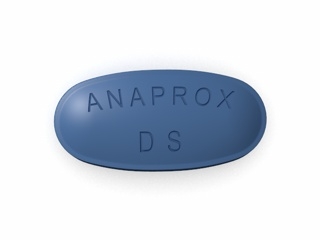
Anaprox contains naproxen, a medicine from the group known as non-steroidal anti-inflammatory drugs (NSAIDs). It is used to relieve pain and inflammation and, in some cases, to reduce fever. This guide explains how Anaprox works, when and how it is usually taken, what to watch for, and practical tips to use it safely.
Please read the patient information leaflet that comes with your medicine and follow the advice of your healthcare professional. Information below is designed to be patient-friendly and general; individual dosing may vary.
1) Basic product information
| Feature | What to know |
|---|---|
| Medicine name | Anaprox (naproxen) |
| Medicine type | NSAID (pain-relieving, anti-inflammatory) |
| How it helps | Pain relief; reduces inflammation; may reduce fever |
| Common dosage forms | Tablets (strengths vary by product; check your pack) |
| Typical availability | Availability varies by strength/formulation and local regulations |
| Who may need extra caution | People with stomach ulcers/bleeding risk, kidney disease, heart disease, or on interacting medicines |
2) How Anaprox works (mechanism of action)
Naproxen works by reducing the production of substances called prostaglandins, which are involved in pain, inflammation, and fever. It does this mainly by inhibiting the cyclo-oxygenase (COX) enzymes (COX-1 and COX-2).
- Pain relief: lowers prostaglandins that contribute to pain signals.
- Anti-inflammatory effect: reduces swelling and inflammatory responses.
- Reduced fever: can lower fever in some conditions.
Like other NSAIDs, naproxen may increase the risk of stomach irritation and—less commonly—stomach bleeding. It can also affect kidneys and may influence cardiovascular risk in some people.
3) Pharmacokinetics (how the body handles naproxen)
Pharmacokinetics describes the journey of a medicine through the body: absorption, distribution, metabolism, and elimination.
- Absorption: Naproxen is absorbed after taking a tablet. Food can reduce the rate of absorption, though overall exposure is generally not dramatically reduced for many people.
- Distribution: It binds to proteins in the blood (including albumin), which affects how it distributes through the body.
- Metabolism: Naproxen is metabolised primarily in the liver.
- Elimination: It is eliminated mainly through the kidneys, partly as metabolites. Because of this, kidney function matters for safe use.
- Duration of effect: Naproxen is generally considered to have a relatively sustained action compared with some shorter-acting NSAIDs.
If you have reduced kidney or liver function, you may need extra monitoring and careful dosing.
4) Typical uses and indications
Anaprox (naproxen) is commonly used for conditions where pain and inflammation are involved. Typical indications may include:
- Musculoskeletal pain (such as strains and sprains)
- Back pain and other inflammatory joint pains
- Osteoarthritis
- Rheumatoid arthritis (where appropriate)
- Other inflammatory conditions as advised by a clinician
- Period pain (dysmenorrhoea) for selected age groups and situations (depending on product strength and guidance)
If symptoms are severe, persistent, or worsening—or if you have new neurological symptoms (e.g., weakness, numbness)—seek medical advice promptly.
5) When and how to take Anaprox (timing)
The timing of doses depends on your condition, the specific strength you have, and your age. Always follow the schedule on your pack or the instructions provided with your medicine.
In general:
- Take with food or milk if you get indigestion or stomach discomfort.
- Space doses evenly through the day if you are taking more than one dose.
- Use the lowest effective dose for the shortest possible time to control symptoms. This is a widely recommended approach with NSAIDs.
- Stop and get advice if you develop signs of stomach bleeding (such as black/tarry stools, vomiting blood, or unexplained anaemia symptoms).
6) Dosing guidance (general information)
Dosing for NSAIDs varies by product strength and individual factors. Below is general educational guidance. Check your specific product packaging for exact dosing instructions.
Adults
- Many NSAID regimens use twice-daily dosing for naproxen, but dosing can differ by formulation and indication.
- Your healthcare professional may adjust the dose to balance symptom control with side-effect risk.
Older adults
- Older people may be more prone to side effects, especially stomach problems and reduced kidney function. A lower starting dose is often considered.
Children and adolescents
- Use in children/adolescents depends on age, condition, and product licensing. Always check the product leaflet for age limits.
Missed dose
- If you miss a dose, take it when you remember unless it is close to your next dose.
- Do not take a double dose to make up for a missed tablet.
Do not exceed the recommended maximum
Taking more than the recommended dose increases risk of serious side effects. Avoid combining with other NSAIDs (such as ibuprofen, diclofenac, or high-dose aspirin) unless advised by a healthcare professional.
7) Food interactions and what to eat
Food can affect how quickly naproxen starts to work:
- Taking with food or milk may help reduce stomach irritation and nausea.
- Taking on an empty stomach may lead to earlier absorption but can increase the chance of indigestion.
- If you have a history of gastritis or ulcers, taking with food (and following medical advice about stomach protection if prescribed) is particularly important.
While there is no single “forbidden food”, your overall stomach and bleeding risk may be increased if you drink alcohol (see below) or take certain medicines that raise bleeding risk.
8) Alcohol and medicine interactions
Alcohol
Drinking alcohol while taking NSAIDs can increase the risk of stomach irritation and gastrointestinal bleeding. For safer use, consider limiting or avoiding alcohol, particularly if you have a sensitive stomach or a history of ulcers.
Important medicine interactions
Naproxen can interact with other medicines. Tell your pharmacist or clinician about all medicines you take, including over-the-counter products and herbal supplements.
- Other NSAIDs (ibuprofen, diclofenac, indometacin, etc.): increased risk of stomach bleeding and kidney problems. Avoid combining unless specifically advised.
- Aspirin (including low-dose aspirin): the combination may increase bleeding risk. Do not stop prescribed aspirin without medical advice.
- Anticoagulants (e.g., warfarin) and antiplatelets (e.g., clopidogrel): increased risk of bleeding.
- Selective serotonin reuptake inhibitors (SSRIs) (e.g., sertraline, citalopram, fluoxetine): may increase bleeding risk when combined with NSAIDs.
- Blood pressure medicines (ACE inhibitors, ARBs) and diuretics (water tablets): NSAIDs can reduce kidney function and affect blood pressure control in some people.
- Lithium: NSAIDs may increase lithium levels, potentially leading to toxicity.
- Methotrexate: NSAIDs can increase methotrexate levels and toxicity risk.
- Some diabetes medicines (e.g., sulfonylureas): may alter blood glucose control (monitoring may be needed).
- Probenecid (gout medicine): can affect naproxen levels.
- Oral corticosteroids (tablets): can increase stomach ulcer/bleeding risk when combined with NSAIDs.
- Digoxin: NSAIDs may increase digoxin levels in some cases.
If you are unsure whether a medicine you take could interact with naproxen, ask your pharmacist before using Anaprox.
9) Safety profile: common and serious side effects
Most people tolerate naproxen well when used correctly, but NSAIDs can cause side effects—some serious. Below is a practical summary of what to watch for.
Common side effects
- Indigestion, heartburn, stomach discomfort
- Nausea
- Mild abdominal pain
- Headache or dizziness (occasionally)
Seek urgent medical help if you notice any of the following
- Signs of stomach or bowel bleeding: black/tarry stools, vomiting blood, coughing/vomiting blood
- Allergic reaction: swelling of face/lips, wheezing, severe rash, trouble breathing
- Serious skin reactions: blistering rash, peeling skin
- Chest pain, sudden breathlessness, weakness on one side, or speech problems (possible cardiovascular event)
- Reduced urine output, swelling of ankles/feet, severe fatigue (possible kidney issues)
- Severe or persistent headache with visual changes
Who should use extra caution (or avoid naproxen)
Extra caution is needed if you have any of the following (or have had them in the past):
- A current or previous stomach ulcer or gastrointestinal bleeding
- Kidney disease or dehydration
- Heart disease, history of stroke, or significant cardiovascular risk
- Uncontrolled high blood pressure
- Asthma that worsens with aspirin/NSAIDs
- Severe liver disease
- Being pregnant—especially later in pregnancy (NSAIDs are generally avoided in the later stages)
If you fall into any of these groups, discuss your options with a pharmacist or clinician before taking Anaprox.
10) Practical tips for safe use
- Use the lowest effective dose and try not to exceed the recommended duration.
- Take with food if you get indigestion.
- Avoid combining NSAIDs: do not take ibuprofen, diclofenac, or other NSAIDs at the same time unless advised.
- Check label directions carefully for your exact product strength and schedule.
- Stay hydrated, especially if you are older, unwell, or at risk of dehydration (vomiting/diarrhoea).
- Do not take extra “just in case” if pain persists—consider safer alternatives and seek advice.
- If you use a stomach-protecting medicine (if prescribed), take it as directed.
11) Alternative options (pain relief choices)
Depending on your symptoms and medical history, other options may be suitable:
Non-NSAID pain relief
- Paracetamol (acetaminophen): can help pain and fever; does not have the same NSAID stomach/bleeding profile.
Topical treatments
- Topical NSAIDs (e.g., gels/creams): may be helpful for localised aches with potentially lower systemic exposure.
Other NSAIDs
- There are other NSAID medicines available; choice depends on your risk factors, symptom type, and dosing schedule.
Non-medicine approaches
- Gentle movement and stretching for certain musculoskeletal problems
- Heat or cold packs
- Physiotherapy/exercise programmes for back and joint conditions
If you need regular pain relief, it’s a good idea to discuss the best long-term plan with a clinician. Frequent NSAID use may not be suitable for everyone.
12) United Kingdom market and legal context
In the UK, availability and classification of NSAIDs can vary by formulation and strength. Some NSAIDs are available without a prescription, while other strengths or indications may be restricted depending on regulatory requirements and local pharmacy processes.
Pharmacies in the UK must follow relevant medicines regulations, including requirements around suitability checks, patient counselling, and referral to appropriate healthcare services when needed.
Recent guidance (general themes)
UK safety guidance and public health messaging for NSAIDs commonly emphasise:
- Lowest effective dose for the shortest duration
- Avoiding NSAIDs in people with higher gastrointestinal or kidney risk when alternatives are safer
- Careful assessment for interactions with anticoagulants, antiplatelets, antihypertensives, and corticosteroids
- Extra caution in older adults and those with existing cardiovascular or renal disease
Always review your personal risk factors with a pharmacist, especially if using naproxen regularly.
13) Delivery and availability (UK)
Anaprox availability may depend on the specific strength and pack size. Online pharmacies typically provide:
- Clear product details including strength, pack size, and dosing instructions
- Ordering checks to confirm suitability and reduce the risk of harmful interactions
- Delivery options across the UK, often with tracking and scheduled timeframes at checkout
Delivery times vary by provider and stock status. When you place an order, you’ll normally see an estimated dispatch and delivery window before payment. If an item is temporarily unavailable, some pharmacies may offer alternatives or notify you when stock returns.
14) Frequently Asked Questions (FAQ)
How quickly does Anaprox work?
Many people notice pain relief within a short time after taking a dose. The exact timing varies by the product formulation and whether you take it with food.
Should I take Anaprox with food?
It is often recommended to take naproxen with food or milk to reduce the chance of stomach irritation. If your stomach is sensitive, this can make a noticeable difference.
Can I take Anaprox with paracetamol?
In many situations, paracetamol can be taken alongside NSAIDs like naproxen for pain control. However, check your total daily paracetamol intake and follow the instructions on the pack. If you are unsure, ask a pharmacist.
Can I take it with ibuprofen or diclofenac?
Generally, you should not combine NSAIDs (such as ibuprofen, diclofenac, or aspirin for pain) with naproxen unless a clinician has specifically advised it. Combining increases the risk of stomach bleeding and kidney problems.
Is naproxen safe for long-term use?
Long-term NSAID use may be appropriate for some chronic inflammatory conditions under medical supervision, but it carries ongoing risks (stomach, kidney, and cardiovascular). If you need naproxen regularly, discuss a long-term plan and whether gastroprotection or safer alternatives are needed.
What should I do if I get heartburn or stomach pain?
Stop and seek advice if symptoms are severe or persistent. For mild indigestion, taking the dose with food may help, but persistent discomfort could indicate irritation or ulcer risk.
Can I drink alcohol while using Anaprox?
Alcohol can increase the risk of stomach irritation and bleeding. For safer use, limit or avoid alcohol, particularly if you have a history of ulcers or take medicines that increase bleeding risk.
Who should avoid naproxen?
People with certain conditions—including active stomach ulcers or previous bleeding, significant kidney impairment, NSAID-sensitive asthma, and those in later pregnancy—should avoid naproxen or use it only with professional advice.
What signs mean I should seek urgent help?
Get urgent medical help if you notice black/tarry stools, vomiting blood, severe allergic symptoms (e.g., swelling or breathing difficulty), unexplained weakness, chest pain, severe breathlessness, or signs of kidney problems such as reduced urine output and swelling.
What are safer storage and handling tips?
Keep tablets in their original packaging, store at room temperature away from moisture and heat, and keep out of reach of children. Do not use after the expiry date on the pack.
15) Summary
Anaprox (naproxen) is an NSAID used to relieve pain and inflammation in a range of musculoskeletal and inflammatory conditions. It works by reducing prostaglandins in the body. While it can be effective, it may cause stomach, kidney, and cardiovascular side effects in some people—especially with higher doses, longer use, or in those with underlying risk factors. For safer use, take it with food when possible, avoid combining with other NSAIDs, limit alcohol, and seek advice promptly if you experience worrying symptoms.