
Arcoxia (Etoricoxib) – Patient Information (UK)
Arcoxia is the brand name of etoricoxib, a medicine used to relieve pain and inflammation in certain conditions. It belongs to a group of medicines called COX-2 selective non-steroidal anti-inflammatory drugs (NSAIDs). For many people, it can help reduce discomfort and improve mobility.
This page explains how Arcoxia works, how it is taken, key safety information, interactions, and practical tips—written to be clear and patient-friendly for the UK.
Basic Product Information
- Active ingredient: Etoricoxib
- Brand: Arcoxia
- Medicine type: Selective COX-2 inhibitor (an NSAID)
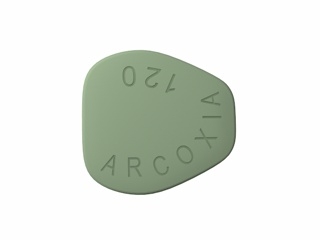
- Common strengths (UK): 30 mg, 60 mg, 90 mg, 120 mg (availability may vary)
- How it is taken: Usually as tablets by mouth
- Typical effect: Pain relief and reduced inflammation
Note: Always follow the instructions given with your product pack and any advice from your healthcare professional.
How Arcoxia Works (Mechanism of Action)
Inflammation and pain are partly mediated by substances called prostaglandins. These are produced by enzymes known as COX-1 and COX-2. Etoricoxib selectively inhibits COX-2.
- Reduced prostaglandins in inflamed tissues
- Less pain and inflammation
- Potentially fewer stomach side effects than some non-selective NSAIDs, though risk is not eliminated
Pharmacokinetics (What Happens to the Medicine in the Body)
Pharmacokinetics describes how the body absorbs, distributes, metabolises, and eliminates a medicine.
- Absorption: Etoricoxib is absorbed after oral dosing.
- Time to peak levels: Peak blood concentrations typically occur within a few hours after taking a dose.
- Distribution: It distributes through the body and binds to plasma proteins.
- Metabolism: Mainly processed by the liver.
- Excretion: Mostly eliminated via the kidneys and partly via other routes.
- Half-life: It has a relatively long duration of action, allowing once-daily regimens for many indications.
Clinical takeaway: Because it acts over about a day for many people, dosing schedules are often once daily depending on the condition and strength used.
What Arcoxia Is Used For (Indications in the UK)
Arcoxia is used to treat pain and inflammation associated with conditions such as:
- Osteoarthritis (degenerative joint disease)
- Rheumatoid arthritis
- Ankylosing spondylitis
- Acute gout (in some circumstances, depending on clinical judgement and product guidance)
- Dental pain following certain dental procedures (short-term use may be considered)
Important: The exact suitability and dosing depend on your diagnosis, age, medical history (especially heart, blood pressure, stomach, kidney, and liver status), and other medicines you take.
How to Take Arcoxia (Timing and Dosing)
Always take Arcoxia exactly as directed for you. The information below provides general guidance and common dosing patterns used in clinical practice.
Typical dosing approach (general)
Dose selection often depends on the condition and severity of symptoms. Many regimens are once daily, using the lowest effective dose for the shortest possible duration.
| Condition (examples) | Common once-daily dose ranges | Typical intent |
|---|---|---|
| Osteoarthritis | Often 30 mg or 60 mg daily | Ongoing symptom control |
| Rheumatoid arthritis | Often 60 mg daily | Reduce pain and inflammation |
| Ankylosing spondylitis | Often 60 mg daily | Long-term symptom management |
| Acute gout / flares | Short-term dosing may be higher than baseline plans | Short-term flare reduction |
| Dental pain (short-term) | Single-dose/short courses may be used | Temporary pain relief |
Do not exceed the recommended maximum daily dose on your product instructions.
When during the day?
- You may take Arcoxia at any time of day.
- For once-daily dosing, choosing a consistent time can help you remember.
- If your doctor advised daily use, continuing daily during active symptoms may be recommended rather than “as needed,” depending on the condition.
If you forget a dose
- Take it when you remember if it’s still close to the scheduled time.
- If it’s nearly time for your next dose, skip the missed dose.
- Do not take a double dose to make up for the missed one.
Food Interactions (Can I Take It With Food?)
Etoricoxib can generally be taken with or without food.
- Food effect: Food does not usually require special timing adjustments for absorption.
- However: If you notice stomach discomfort, taking it with food may improve tolerability for some people.
Key message: Take Arcoxia the same way each day (with or without food) unless your clinician advises changes.
Alcohol and Arcoxia: Safety Considerations
Combining alcohol with NSAIDs may increase the risk of stomach irritation and gastrointestinal bleeding, even with COX-2 selective medicines. Alcohol can also add strain to the body’s stress systems and may worsen certain conditions such as gastritis.
- Moderation is advised.
- Avoid heavy drinking while taking Arcoxia.
- If you have a history of stomach ulcers or bleeding, extra caution is needed—speak with a healthcare professional for personalised advice.
Medicine Interactions (Including Common UK Medicines)
Some combinations can raise the risk of side effects or change how medicines work. Below are key interactions to be aware of.
Interactions to consider seriously
- Other NSAIDs (e.g., ibuprofen, naproxen, diclofenac, aspirin for pain): using together increases GI and kidney risks.
- Low-dose aspirin (for heart protection) may be used in some patients—do not stop without medical advice.
- Anticoagulants (e.g., warfarin): may increase bleeding risk.
- Antiplatelet medicines (e.g., clopidogrel): may increase bleeding risk.
- SSRI/SNRI antidepressants (e.g., sertraline, fluoxetine, venlafaxine): can increase bleeding risk when combined with NSAIDs.
- Corticosteroids (e.g., prednisolone): may increase ulcer/bleeding risk.
- Diuretics (“water tablets” such as furosemide): may increase kidney risk and reduce blood-pressure control.
- ACE inhibitors / ARBs (e.g., lisinopril, ramipril, losartan, valsartan): the combination with NSAIDs can affect kidney function.
- Lithium: etoricoxib may raise lithium levels.
- Methotrexate (used in some inflammatory conditions): may increase methotrexate-related effects.
- Cyclosporine or tacrolimus: may increase kidney-related risk.
- Digoxin: possible interaction affecting levels in some circumstances.
Herbal and supplement interactions
- Some supplements (e.g., high-dose fish oil, garlic extracts, ginkgo) may influence bleeding risk—ask for advice if you use supplements regularly.
Practical tip: Before starting Arcoxia, review all your medicines and supplements (including over-the-counter pain relief). If you’re unsure, consult a healthcare professional or pharmacist.
Safety Profile (Who Should Be Extra Careful?)
Like other NSAIDs, Arcoxia has potential side effects. Some risks may be dose-related and may increase with higher strength or longer use.
Common side effects
- Headache
- Dizziness
- Indigestion, heartburn, stomach discomfort
- Swelling of the ankles/feet (fluid retention) in some people
- Nausea
Serious side effects – seek urgent medical help
Stop taking Arcoxia and seek urgent advice if you develop signs of serious reactions, such as:
- Allergic reaction: facial swelling, wheezing, severe rash, or difficulty breathing
- Stomach or bowel bleeding: black/tarry stools, vomiting blood, or severe abdominal pain
- Heart or stroke warning signs: chest pain, sudden weakness on one side, trouble speaking, shortness of breath
- Severe skin reactions: blistering rash or peeling skin
- Kidney problems: reduced urination, unusual swelling, or persistent fatigue
- Liver problems: yellowing of eyes/skin, dark urine, or persistent upper abdominal pain
Important risk factors (UK clinical relevance)
Your prescriber may be more cautious if you have:
- A history of heart disease, stroke, or uncontrolled high blood pressure
- A history of stomach ulcers or GI bleeding
- Existing kidney disease
- Existing liver disease
- Asthma that worsens with painkillers
- Age-related frailty, dehydration, or conditions that increase kidney strain
Blood pressure and fluid retention
NSAIDs can lead to fluid retention and may worsen blood pressure in some people. If you have hypertension or heart failure, careful monitoring is especially important.
Duration and the “lowest effective dose” principle
- Use the lowest dose that controls symptoms.
- Use for the shortest time that achieves treatment goals.
- Do not change your dose without appropriate advice.
Practical Use Tips
- Track symptom relief: if pain improves, continue as advised; if not, seek review rather than escalating on your own.
- Stay hydrated: dehydration can increase kidney risk with NSAIDs.
- Avoid doubling up: don’t combine with other NSAIDs unless instructed.
- Watch for blood pressure changes: if you have high blood pressure, monitor as recommended.
- Protect your stomach: if you’ve had ulcers before, ask about stomach protection strategies appropriate for you.
- Use non-medicine measures: gentle movement, physiotherapy guidance, and weight management (where relevant) can improve outcomes for arthritis-related pain.
Alternative Options (If Arcoxia Isn’t Suitable)
Your healthcare professional may suggest alternatives depending on your diagnosis, severity, and risk profile.
Other pain and inflammation approaches
- Paracetamol (acetaminophen): may help pain, though it doesn’t strongly reduce inflammation.
- Non-selective NSAIDs (e.g., ibuprofen, naproxen, diclofenac): effective for inflammation, but may carry higher GI risk for some people.
- Topical NSAIDs (e.g., diclofenac gel): helpful for localised osteoarthritis with generally lower systemic exposure.
- Physiotherapy and exercise therapy: often key for osteoarthritis and ankylosing spondylitis.
- Joint-support strategies: heat/cold therapy, braces, or orthotics where appropriate.
- Disease-modifying treatments for inflammatory arthritis (e.g., DMARDs) when indicated by diagnosis.
Important: If switching medicines, it’s crucial to follow medical advice because of overlapping risks and dosing differences.
UK Market and Legal Context (General Information)
In the United Kingdom, availability of medicines depends on classification and regulation by the Medicines and Healthcare products Regulatory Agency (MHRA) and wider UK healthcare rules. NSAIDs such as etoricoxib are regulated and typically require appropriate assessment to ensure suitability and safe use based on medical history and concomitant medicines.
- Medicines are supplied in accordance with UK pharmacy and prescribing frameworks.
- Healthcare professionals consider cardiovascular risk, GI risk, kidney function, and liver function when recommending NSAIDs.
- Always use only the quantity and strength that matches your approved treatment plan.
Recent Guidance and Safety Monitoring (What to Expect)
Across the UK and internationally, safety communications for COX-2 inhibitors and NSAIDs typically emphasise:
- Cardiovascular risk awareness, particularly for people with existing cardiovascular disease or risk factors
- Gastrointestinal risk monitoring, especially with past ulcers/bleeding
- Kidney safety in dehydration, older age, and when combined with diuretics/ACE inhibitors/ARBs
- Use the lowest effective dose and review ongoing need
Your prescriber or pharmacist may advise monitoring blood pressure and symptoms, and in some cases may recommend blood tests (such as kidney/liver function) if you use NSAIDs for longer periods or if you have relevant health conditions.
Delivery, Availability, and What You Can Expect From Online Pharmacies (UK)
Availability and delivery times can vary depending on stock levels and the specific strength/pack size. When buying through a UK online pharmacy, you can generally expect:
- Clear product details (strength, tablet count, manufacturer).
- Packaging and labelling for safe storage and identification.
- Tracked delivery options in many cases.
- Customer support if you need help confirming suitability or understanding dosing instructions.
Important: Do not use expired medicines. Store tablets in the original packaging and keep out of reach of children.
Storage Information
- Store at room temperature, away from excess heat and moisture.
- Keep tablets in their original packaging.
- Do not use after the expiry date on the carton.
FAQ – Arcoxia (Etoricoxib)
1. Is Arcoxia a painkiller or an anti-inflammatory?
Arcoxia helps both pain and inflammation. It is a COX-2 selective NSAID, so it reduces inflammatory prostaglandins that contribute to pain.
2. How fast does Arcoxia work?
Many people notice symptom relief within hours of taking a dose. The exact timing varies by condition, dose, and individual response.
3. Can I take Arcoxia with food?
Yes. Arcoxia can usually be taken with or without food. If you feel any stomach upset, consider taking it with food (unless your clinician advised otherwise).
4. Can I drink alcohol while taking Arcoxia?
It’s best to keep alcohol intake moderate. Alcohol may increase the risk of stomach irritation and bleeding when combined with NSAIDs.
5. What should I avoid taking Arcoxia with?
Avoid combining with other NSAIDs (such as ibuprofen or naproxen) unless advised. Also be cautious with anticoagulants, certain antidepressants, steroids, and some blood pressure medicines—interaction risk varies by person.
6. Does Arcoxia affect my blood pressure?
It may. NSAIDs can increase fluid retention and can raise blood pressure in some people. If you have hypertension or heart problems, monitoring is important.
7. Is Arcoxia safe for everyone?
No. People with certain conditions—such as significant heart disease, prior ulcer/bleeding, kidney disease, or certain asthma—may be at higher risk. A healthcare professional should assess your suitability.
8. What are the signs of serious side effects?
Seek urgent help for symptoms such as chest pain, sudden weakness or speech problems, black stools or vomiting blood, severe allergic reactions, severe skin reactions, or signs of liver/kidney problems.
9. How long can I take Arcoxia?
Use the shortest effective duration. The right length of treatment depends on the condition. Longer use may require closer monitoring.
10. Are there alternatives to Arcoxia?
Yes. Alternatives may include paracetamol, other NSAIDs, topical treatments, and non-medicine strategies. The best option depends on your diagnosis and personal risk factors.
Summary
Arcoxia (etoricoxib) is a COX-2 selective NSAID used for conditions such as osteoarthritis, rheumatoid arthritis, and ankylosing spondylitis, and it may be used for certain types of short-term acute pain or flares. It works by reducing inflammation-related prostaglandins. While it can be effective, it has important safety considerations—particularly regarding cardiovascular risk, stomach bleeding, and kidney function—so the lowest effective dose for the shortest possible time is recommended.
If you have any doubts about suitability, interactions, or side effects, speak to a pharmacist or healthcare professional for tailored advice.