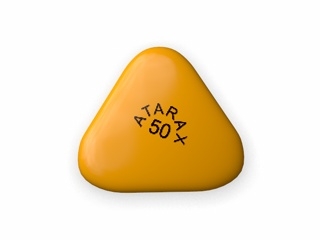
Atarax (Hydroxyzine) — Patient Information (UK)
Atarax is a brand of hydroxyzine, an antihistamine medicine used to help relieve symptoms such as itching and to manage certain anxiety-related symptoms in some situations. It works by affecting specific receptors in the body, which can reduce allergic symptoms and may also have a calming effect.
This page explains how Atarax works, what it is used for, typical dosing approaches, how to take it safely, important interactions, and practical tips to help you use it properly in the United Kingdom.
Quick overview
- Active ingredient: Hydroxyzine
- Medicine type: Antihistamine (H1 receptor antagonist)
- Common uses: Itching due to allergy/skin reactions; anxiety symptoms where appropriate
- Possible effects: May cause drowsiness; can help reduce itch; may be calming
- Availability (UK): Atarax products may be supplied through pharmacies in line with UK medicines regulations
Basic product information
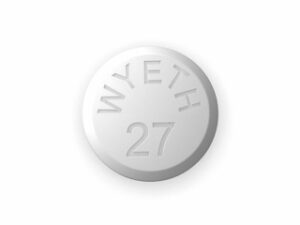
Hydroxyzine is an established antihistamine medicine. Depending on the strength and formulation, Atarax may be available as tablets and/or other forms as listed by UK suppliers. Your exact product strength and instructions may differ, so always check your specific pack.
| Category | Details |
|---|---|
| Brand name | Atarax |
| Generic name | Hydroxyzine |
| Drug class | First-generation antihistamine (H1 antagonist) |
| Typical side effect to expect | Drowsiness, dry mouth (varies by person) |
| UK access | Availability depends on product strength/form and current UK medicines supply routes |
How Atarax works (mechanism of action)
Hydroxyzine is an antihistamine that blocks H1 histamine receptors. Histamine is a chemical released in the body during allergic reactions and can contribute to symptoms such as:
- Itching (pruritus)
- Redness and irritation of the skin
- Other allergy-related discomfort
Hydroxyzine also affects other receptors in the brain and nervous system. This can explain why it may feel sedating or calming in many people, which is why it is sometimes used for certain anxiety-related symptoms in appropriate circumstances.
Pharmacokinetics (how the body handles hydroxyzine)
“Pharmacokinetics” describes what happens to a medicine after you take it: absorption, distribution, metabolism, and elimination.
Absorption
Hydroxyzine is absorbed from the gut after oral dosing. The exact time to feel effects can vary by formulation, the dose, and the individual.
Distribution
It is distributed throughout the body, including the central nervous system, which is one reason it can cause drowsiness in many people.
Metabolism
Hydroxyzine is metabolised in the liver. A key metabolite is cetirizine-related activity, contributing to the overall antihistamine effect.
Elimination
Hydroxyzine and its metabolites are eliminated primarily through the kidneys. In people with reduced kidney function, clearance may be slower, which can increase exposure and side-effect risk.
If you have liver or kidney problems, you may need closer advice on safe use, dose timing, and maximum daily totals.
Typical uses of Atarax in the UK
Atarax (hydroxyzine) may be used for:
- Allergic itching (pruritus), such as from eczema, urticaria (hives), or other allergic skin reactions
- Symptom relief in anxiety where calming support is appropriate (often used for short periods in specific situations)
- Pre-procedure or short-term symptom control in some clinical settings, depending on local practice
The right choice depends on your symptoms, medical history, and the risk of side effects such as sleepiness and interactions.
When to take Atarax (timing and how long it takes to work)
Timing depends on why you’re taking it (itching vs anxiety symptoms), your dose, and your sensitivity to sedation.
For itching
Many people notice relief within hours. If itch disrupts sleep, a dose in the evening may be helpful—only if it suits your safety needs (for example, if you can’t afford to be drowsy).
For anxiety-related symptoms
Because hydroxyzine can feel calming and sedating, it may be taken at a time when you can rest comfortably. Avoid activities that require alertness until you know how it affects you.
Dose scheduling
- Try to take it consistently at the times recommended on your pack or as advised.
- If you miss a dose, do not take extra to “catch up” unless your pack instructions or clinician advice says so.
- Use caution when combining with other medicines that cause drowsiness.
Food interactions
Hydroxyzine can generally be taken with or without food. However, food may affect how quickly you feel effects. If you find the medicine upsets your stomach, taking it with a meal may help.
- Take with food if it upsets your stomach.
- Avoid alcohol (see interactions below) because combining can increase sedation.
- If you are elderly or sensitive to sedatives, consider taking it when you do not need to drive or operate machinery.
Alcohol and medicine interactions
Alcohol
Do not drink alcohol while taking hydroxyzine unless a healthcare professional specifically advises it. Alcohol can increase drowsiness and impair coordination, judgement, and breathing.
Medicines that can increase drowsiness
Caution is needed if Atarax is combined with other medicines that affect the brain or cause sedation, such as:
- Sleeping tablets
- Opioid pain medicines
- Some antidepressants
- Other antihistamines (including “night-time” cold and allergy products)
- Some anti-anxiety medicines
- Antipsychotics
Combining sedating medicines increases the risk of severe drowsiness, falls, and impaired breathing in vulnerable individuals.
QT prolongation risk (heart rhythm concerns)
Hydroxyzine may be associated with QT prolongation in some people, which can, rarely, increase the risk of abnormal heart rhythms. The risk is higher when hydroxyzine is combined with other medicines that also prolong the QT interval or in people with existing risk factors.
Examples of medicines that may increase QT-related risk include:
- Some antibiotics (e.g., macrolides)
- Some antifungals
- Some antipsychotics
- Certain antidepressants
- Anti-arrhythmia medicines
If you have a history of heart rhythm problems, fainting, or known QT prolongation, or you’re taking relevant medicines, seek advice promptly before using Atarax.
Other important interaction considerations
- Anticholinergic burden: Hydroxyzine can cause dry mouth and constipation. Combining with other anticholinergic medicines can increase these effects.
- Kidney or liver impairment: Reduced clearance may raise the chance of side effects. Dose adjustments may be needed.
- Age: Older adults may be more sensitive to sedation and falls.
Indications (what conditions Atarax is used to treat)
In the UK, hydroxyzine-containing products are indicated for conditions where antihistamine or short-term calming benefits are helpful, especially:
- Itching related to allergic conditions (such as urticaria, allergic skin reactions)
- Anxiety symptoms in appropriate circumstances (supportive use rather than long-term first-line anxiety treatment)
Always confirm the intended use by checking your specific product’s packaging information. Different formulations may have different directions.
Dosing (typical adult and child dosing principles)
Doses vary depending on age, the condition being treated (itching vs anxiety symptoms), formulation strength, and individual risk factors (for example, kidney function). Follow the instructions on your packaging and the advice provided with your medicine.
Important: Do not exceed the maximum daily dose stated on the pack.
Adults (general guidance principles)
- Dosing may be split into multiple doses per day depending on symptoms and sedation needs.
- Because drowsiness is common, many people take a portion of their daily dose in the evening.
- Clinicians may use the lowest effective dose for the shortest necessary period.
Children and adolescents
Hydroxyzine use in children should be strictly guided by the relevant licensed product information and age-based dosing. Because sedation and safety considerations differ by age, dosing must not be guessed or adjusted without proper instructions.
How to take your dose safely
- Take with water.
- Avoid driving or cycling until you know how Atarax affects you.
- If you feel overly sleepy, do not increase your dose—seek advice on safer options.
Safety profile: side effects and warnings
Common side effects
- Drowsiness or feeling “sleepy”
- Dry mouth
- Headache or dizziness
- Constipation
- Blurred vision (in some people)
- Feeling tired or reduced alertness
Less common but serious risks
Stop taking Atarax and seek urgent medical advice if you experience signs of a serious reaction. Examples include:
- Allergic reaction (swelling of face/lips, difficulty breathing)
- Severe palpitations, fainting, or symptoms of abnormal heart rhythm
- Severe confusion or unusual agitation
- Breathing problems, particularly if combined with alcohol or other sedatives
Who should take extra care
- Older adults (higher risk of falls and confusion)
- People with kidney or liver impairment
- People with glaucoma or urinary retention risk
- People with heart rhythm issues or electrolyte imbalance
- People taking medicines that can prolong QT or cause sedation
Pregnancy and breastfeeding
If you are pregnant, trying to conceive, or breastfeeding, discuss the risks and benefits with a healthcare professional. Sedating medicines may have implications for both the parent and the baby.
Practical use tips (getting the best benefit safely)
- Test how it affects you: On the first day, avoid activities requiring full concentration (driving, machinery) until you know your response.
- Plan around sleepiness: If it makes you drowsy, consider taking it at a time that fits your routine and reduces fall risk.
- Hydrate for dry mouth: Sip water regularly and consider sugar-free sweets or gum if suitable.
- Manage constipation risk: Increase fibre/fluids and stay active where possible.
- Keep a simple symptom diary: Note itch severity, sleep quality, and any side effects to help decide whether it’s working for you.
- Don’t double up on “night” products: Avoid other sedating antihistamines used for colds/allergies at the same time.
Alternative options to consider
Depending on the reason you’re considering Atarax (itching vs anxiety), alternatives may include other treatments. The best choice depends on your symptoms, age, medical history, and the presence of interaction risks.
Alternatives for itching/allergy
- Second-generation antihistamines (often less sedating, such as cetirizine or loratadine depending on availability)
- Topical anti-itch treatments for skin symptoms (e.g., soothing creams, corticosteroid creams for eczema where appropriate)
- Non-medicine strategies such as moisturising routines, gentle skincare, and avoiding known triggers
Alternatives for anxiety-related symptoms
- Psychological approaches such as cognitive behavioural therapy (CBT)
- Other medications used for anxiety (choice depends on your diagnosis and risk profile)
- Sleep and stress routines to support symptoms without medication
If Atarax doesn’t suit you due to drowsiness or interaction risk, a pharmacist or clinician can help you find a safer option.
Market and legal context (United Kingdom)
In the UK, medicines are supplied in accordance with UK medicines regulation. Access to hydroxyzine-containing products depends on the specific product, strength, and classification. Online pharmacies in the UK operate within the relevant legal frameworks and safety standards, including appropriate customer checks, quality controls, and secure delivery processes.
If you are unsure whether a particular Atarax product is suitable for your situation, contact a qualified professional before using it.
Recent guidance and safety updates (general themes)
Over recent years, regulatory and safety communications across Europe and the UK have highlighted:
- QT prolongation awareness for hydroxyzine and the importance of avoiding unnecessary combined risk factors
- Use of the lowest effective dose and appropriate limits, particularly in older adults and those with higher risk
- Care with sedating medicines to reduce falls and impaired breathing risk
Always rely on the latest information included with your product pack and the advice given when purchasing or counselling.
Delivery, availability, and ordering (UK online pharmacy)
Atarax (hydroxyzine) availability may vary by formulation and strength. Many UK online pharmacies display current stock status and delivery timeframes at checkout.
- Delivery options: Typically standard and tracked delivery may be offered, depending on the provider.
- Packaging: Medicines are usually delivered in secure packaging to protect contents and maintain privacy.
- Age and eligibility checks: Online providers may require eligibility checks consistent with UK medicines supply rules.
- Out of stock: If unavailable, some pharmacies may offer alternatives or notify you when it returns.
For the most accurate delivery estimate, check the listing on the pharmacy site you are using.
FAQ about Atarax (Hydroxyzine)
1) Will Atarax make me sleepy?
Many people experience drowsiness or reduced alertness. The effect varies by individual and dose. Until you know how it affects you, avoid driving, cycling, and tasks requiring full concentration.
2) Can I take Atarax during the day?
It may be possible, but due to sedation risk, many people prefer evening dosing—especially if they have to stay alert during the day. If you must take it in daytime, start cautiously and assess how you feel.
3) Can I drink alcohol while using Atarax?
It is strongly recommended to avoid alcohol because alcohol can increase sedation and impair coordination. It may also increase risk of breathing problems when combined with other sedating medicines.
4) What if I miss a dose?
Follow the instructions on your pack. In general, if you miss a dose you usually should not take an extra dose to compensate. If you’re unsure, contact a pharmacist for advice.
5) How quickly should it work for itching?
Itching relief may begin within hours. If there is no improvement or symptoms worsen, speak to a healthcare professional, particularly if you have signs of infection or a severe allergic reaction.
6) Are there any foods I should avoid?
There are no universal strict food prohibitions. However, taking it with food may reduce stomach upset for some people. The main avoidance is alcohol.
7) Who should be extra careful with hydroxyzine?
Extra care is needed in older adults, people with kidney or liver impairment, those with heart rhythm risk (including QT prolongation risk), and anyone taking other medicines that increase sedation or QT risk.
8) Can I combine Atarax with other allergy medicines?
Be cautious. Avoid combining with other antihistamines unless advised. Many over-the-counter “cold and allergy” products also contain antihistamines that can add to sedation and side effects.
9) What should I do if I feel very unwell after taking Atarax?
Seek medical advice urgently if you develop severe dizziness, fainting, breathing difficulty, chest palpitations, or signs of an allergic reaction such as facial swelling or rash with breathing problems.
10) What are safer “alternative” choices if drowsiness is a problem?
For itching, non-sedating or less-sedating antihistamines may be options depending on your symptoms. For anxiety symptoms, other management approaches may be preferable. A pharmacist can help you compare options safely.
Reminder: Always read the patient information leaflet provided with your Atarax product and follow the instructions on the pack. If you have questions about suitability, interactions, or side effects, speak to a pharmacist.