
Atomoxetine: Patient-Friendly Guide (UK)
Atomoxetine is a medicine used to treat attention deficit hyperactivity disorder (ADHD). This page explains how it works, how it’s taken, what to expect, important safety information, and practical tips. Information is written for users in the United Kingdom.
Quick Facts
- Medicine name: Atomoxetine
- What it’s used for: ADHD symptoms in children, adolescents and adults
- How it works: Increases brain chemical (noradrenaline) signalling by selective reuptake inhibition
- When it starts working: Improvements may begin within 1–2 weeks; full benefit may take longer
- Common form: Capsules (strengths vary by product)
- Key considerations: Monitor blood pressure/heart rate, mood changes, and liver-related symptoms
Basic Product Information
| Category | Details |
|---|---|
| Generic name | Atomoxetine |
| Common brand examples | Brand names vary by manufacturer; your local pharmacy will confirm the exact product |
| Drug type | Selective noradrenaline reuptake inhibitor (SNRI-like mechanism, but used for ADHD) |
| Availability (UK) | Medicines regulations apply; availability depends on prescriber/dispensing pathways and stock levels |
| Typical administration | Once daily or divided doses depending on age, dose, and side effects |
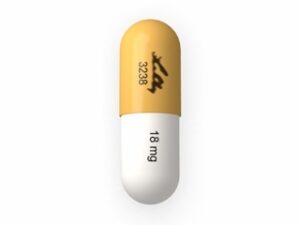
Atomoxetine products may come in different strengths. Always check the label for your specific capsule strength and dosing schedule.
How Atomoxetine Works (Mechanism of Action)
Atomoxetine works primarily by blocking the reuptake of noradrenaline (also called norepinephrine) in the brain. Noradrenaline is involved in attention, impulse control, and activity regulation.
- Selective action: Atomoxetine is a selective inhibitor of the noradrenaline transporter.
- Not a stimulant: It does not act like typical stimulant ADHD medicines.
- Steady effect: Many people experience gradual improvement rather than a “sudden” onset.
Atomoxetine may help reduce inattention, hyperactivity, and impulsivity. Response varies between individuals, so monitoring and dose adjustments are important.
Pharmacokinetics (What the Body Does to the Medicine)
“Pharmacokinetics” describes how the body absorbs, distributes, metabolises, and eliminates atomoxetine. Key points help explain timing and interactions.
- Absorption: Atomoxetine is absorbed after oral dosing; food can influence absorption rate.
- Peak levels: Blood levels typically peak a few hours after a dose.
- Metabolism: Mostly metabolised in the liver, largely by the enzyme CYP2D6.
- Genetic variation: People differ in CYP2D6 activity. Some have “slow” metabolism, which can raise blood levels.
- Elimination: Metabolites are cleared mainly via the kidneys.
- Half-life: The time taken for blood levels to reduce by half is variable between individuals (often longer in CYP2D6 “slow metabolisers”).
Because atomoxetine is processed in the liver, certain medicines (and some health conditions) can change its effect. That’s why it’s important to discuss all medicines and supplements you use.
Typical Uses and Indications (UK)
In the UK, atomoxetine is used for the treatment of ADHD:
- Children and adolescents: When ADHD symptoms cause significant impairment and other approaches may be insufficient.
- Adults: For ongoing ADHD where appropriate management is required.
Atomoxetine is intended as part of a broader ADHD management plan, which may include behavioural strategies and educational support. Clinical decisions depend on your overall health and symptom pattern.
Dosing: How Atomoxetine Is Usually Started and Adjusted
Dosing depends on age, body weight (in children/adolescents), response, and tolerability. Always follow the schedule on your medicine label and pharmacist instructions.
General dosing principles
- Start low, go slow: Atomoxetine is commonly initiated at a lower dose and increased gradually.
- Once daily vs split dosing: Many people take it once daily; some may take it in two doses to reduce side effects.
- Target dose: Clinicians aim for the dose that gives symptom control with manageable side effects.
- Regular review: Ongoing assessment helps confirm benefits and safety.
Timing with regard to your routine
- Morning dosing: If it causes restlessness or insomnia, a morning dose may be preferred.
- Evening dosing (only if advised): Some people find it easier to tolerate in the evening; however, sleep side effects can occur.
If you are unsure about your dose schedule, check with your pharmacist before making changes.
When Atomoxetine Starts Working (Timing Expectations)
Many people do not feel an immediate effect. A gradual pattern is common:
- Early changes: Some notice improvements within 1–2 weeks.
- Further benefit: Symptom control often continues to improve over several weeks.
- Full assessment: Clinicians typically evaluate effectiveness after an adequate trial period.
If you don’t notice benefit quickly, it doesn’t always mean atomoxetine won’t work for you—dose and timing adjustments may be needed. However, if side effects become difficult, seek advice promptly.
Food Interactions and Taking Atomoxetine with Meals
Atomoxetine can generally be taken with or without food. Food may slightly change absorption rate in some people.
- Consistency helps: Take it the same way each day (either always with food or always without food), unless your pharmacist advises otherwise.
- Stomach upset: If you experience nausea, taking with food may help.
- Swallowing: Follow the product instructions for swallowing capsules whole.
If you also take other medicines at the same time, your pharmacist can help you space them appropriately.
Alcohol and Medicine Interactions
Alcohol
There is no “safe amount” of alcohol universally recommended while taking atomoxetine. Because alcohol can affect the brain and may worsen dizziness, drowsiness, or mood changes, it’s wise to:
- Limit or avoid alcohol until you know how atomoxetine affects you.
- If you drink, do so cautiously and avoid driving if you feel impaired.
If you notice worsening side effects (e.g., agitation, sleep disturbance, or mood changes) after alcohol, stop and seek advice.
Medicine interactions (important)
Atomoxetine is metabolised mainly by CYP2D6. Medicines that affect this enzyme can increase or decrease atomoxetine levels.
Tell your pharmacist if you take any of the following (not exhaustive):
- Strong CYP2D6 inhibitors can raise atomoxetine exposure and side effects.
- Some antidepressants and other mental health medicines may interact.
- Medicines affecting heart rhythm or blood pressure may add to cardiovascular effects.
- Other medicines for ADHD (stimulants) should be coordinated carefully.
Always provide a full list of prescriptions, over-the-counter medicines, and supplements (including herbal products). Even “natural” products can affect liver enzymes.
Safety Profile: Common, Less Common, and Serious Side Effects
Like all medicines, atomoxetine can cause side effects. Many are mild and improve as your body adjusts. Some are important and require prompt medical attention.
Common side effects
- Nausea, stomach discomfort
- Reduced appetite and sometimes weight loss in children/adolescents
- Dry mouth
- Sleep problems (insomnia) or sometimes sleepiness
- Headache
- Increased heart rate and/or changes in blood pressure
- Dizziness
- Mood changes in some people
Less common but important side effects
- Urinary retention (difficulty passing urine)
- Sexual side effects (varies by individual)
- Skin reactions such as rash
Serious warnings—seek urgent advice
Contact urgent care services or seek immediate medical help if you experience:
- Signs of liver problems such as yellowing of the skin/eyes (jaundice), dark urine, or severe abdominal pain
- Allergic reactions such as swelling of the face/lips, trouble breathing, or widespread rash with fever
- Severe mood symptoms such as intense agitation, new or worsening depression, or thoughts of self-harm
- Significant chest pain, fainting, or severe palpitations
- Unexplained bruising or bleeding (requires medical assessment)
If you feel unsafe or symptoms are severe, do not wait for symptoms to pass.
Practical Use Tips (Getting the Most Out of Atomoxetine)
1) Stick to a consistent daily routine
- Take it at the same time each day.
- Choose a time that aligns with your sleep patterns and side effects.
2) Monitor appetite and weight (especially in younger users)
- Track meals and weight changes.
- If appetite is reduced, consider nutrient-dense foods and regular meal times.
3) Keep an eye on sleep
- If insomnia occurs, taking the dose earlier in the day may help.
- Good sleep hygiene can reduce restlessness.
4) Be alert to mood changes
- Family members and carers can help by observing changes in mood, anxiety, irritability, or unusual behaviour.
- If mood symptoms are concerning, seek clinical advice promptly.
5) Attend reviews and monitoring
- Regular follow-up is important to check benefits, growth/weight, and cardiovascular measurements.
- Clinicians may also review blood pressure and pulse.
6) Don’t stop suddenly without advice
If you plan to change or stop atomoxetine, discuss it with your healthcare professional. Abrupt changes may affect symptom control and side effects.
Missed Dose: What to Do
If you miss a dose, follow the guidance from your healthcare professional or the patient information leaflet provided with your medicine. In general:
- Don’t take a double dose to make up for a missed capsule unless advised.
- Take the next dose at the usual time.
Because individual schedules vary (once daily vs divided doses), confirm the approach that fits your specific plan.
Alternative Options for ADHD (UK Context)
ADHD treatment in the UK can include multiple approaches. Options may depend on age, symptom severity, comorbidities (such as anxiety or tics), and personal tolerance.
Medication alternatives
- Stimulant medicines (often used when appropriate, with careful monitoring)
- Other non-stimulant options (depending on availability and clinical suitability)
Non-medicine support
- Behavioural strategies for daily routines and impulse management
- Educational support and classroom adjustments
- Coaching for planning, organisation, and coping skills
- Psychological therapies where appropriate
If atomoxetine isn’t effective or causes unacceptable side effects, discuss alternatives with your clinician.
Market and Legal Context in the United Kingdom
In the UK, ADHD medicines are subject to medicines regulations and clinical governance. Atomoxetine is dispensed through approved pharmacy channels and is used under NHS and private care pathways depending on the situation.
- Controlled prescribing and dispensing: Medicines must be supplied according to UK regulatory requirements.
- Clinical monitoring: Ongoing reviews help ensure effectiveness and safety.
- Quality and authenticity: Online pharmacies should provide medicines that are legally sourced and dispensed according to UK law.
Always choose a reputable UK pharmacy website. If you have questions about authenticity, availability, or supply routes, contact the pharmacy’s customer service.
Recent Guidance and Ongoing Monitoring (General Overview)
ADHD treatment recommendations in the UK emphasise:
- Assessment of impairment and comorbid conditions
- Individualised treatment plans
- Regular follow-up to assess response and side effects
- Monitoring growth/weight in children and adolescents where relevant
- Cardiovascular checks before and during treatment
- Mental health vigilance (particularly mood changes)
Guidance can evolve. Your healthcare team will apply the most up-to-date recommendations when reviewing your treatment.
Delivery and Availability (UK Online Pharmacy)
Availability of atomoxetine capsules may vary by manufacturer and strength. For online purchasing, delivery options typically depend on stock status and dispatch times.
What to expect
- Stock-dependent dispatch: Orders may dispatch quickly if the exact strength is available.
- Delivery times: UK delivery schedules vary by service; you’ll usually receive tracking details if offered.
- Packaging: Medicines are supplied in secure, tamper-evident packaging.
- Storage: Store capsules as directed on the label and packaging.
If a particular strength is temporarily unavailable, customer service may advise on alternative pack sizes or restock timing.
Tip: Check the expiry date on the outer pack when you receive it, and keep it in a safe place away from children.
FAQ
1) Is atomoxetine a stimulant?
No. Atomoxetine is not a stimulant. It works by increasing noradrenaline signalling and typically has a gradual onset.
2) How long does it take to work?
Some people notice changes within 1–2 weeks, while full benefits can take several weeks. It varies by individual and dose.
3) Can I take atomoxetine with food?
Yes. You can generally take it with or without food. Many people choose the option that reduces nausea or stomach discomfort and take it consistently.
4) Will I need regular monitoring?
Usually yes. Monitoring often includes review of symptom response, side effects, and cardiovascular measurements (blood pressure and pulse). In younger users, appetite and growth/weight may be monitored.
5) What if I drink alcohol while taking atomoxetine?
It’s best to limit or avoid alcohol until you know how atomoxetine affects you. Alcohol may worsen sleep, dizziness, or mood changes.
6) Are there medicines I must avoid?
Atomoxetine may interact with other medicines, particularly those affecting liver enzymes like CYP2D6, and medicines affecting heart rhythm or blood pressure. Always tell your pharmacist about your full medication list.
7) What should I do if I miss a dose?
Follow the advice on your patient information leaflet or given by your healthcare professional. Typically, you should not double the dose—take your next capsule at the usual time.
8) Can atomoxetine cause weight loss?
Reduced appetite can occur, which may lead to weight changes. This is especially important to monitor in children and adolescents.
9) When should I stop and seek urgent help?
Seek urgent medical advice if you develop signs of allergic reaction, severe mood deterioration, or possible liver problems (such as jaundice or dark urine), or if you experience severe chest pain/fainting or significant palpitations.
10) Are there alternatives if atomoxetine doesn’t suit me?
Yes. Other ADHD medications and non-medicine strategies may be considered based on your symptoms, age, and health profile. Discuss options with your clinician.
Important Safety Note
This page provides general information about atomoxetine for educational purposes. Individual advice may differ based on your medical history, age, and other treatments. If you have questions about side effects, interactions, or suitability, speak to a qualified healthcare professional.