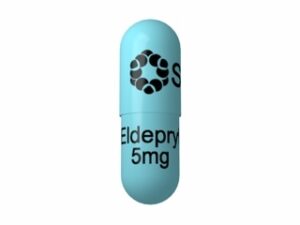
Strattera (Atomoxetine) – Patient Guide (UK)
Strattera is the brand name of atomoxetine, a medicine used to treat Attention-Deficit/Hyperactivity Disorder (ADHD) in children, adolescents and adults. If you’re considering Strattera—or have already been prescribed it—this guide explains how it works, how it’s usually taken, what to expect, and important safety information. It is written for patients in the United Kingdom.
Important: Always follow the advice given by your clinician and read the information in the patient leaflet supplied with your medicine.
Quick product information
| Category | Details |
|---|---|
| Medicine | Strattera (atomoxetine) |
| What it’s used for | ADHD symptoms (in children, adolescents, and adults) |
| How it works | Selective noradrenaline (norepinephrine) reuptake inhibitor |
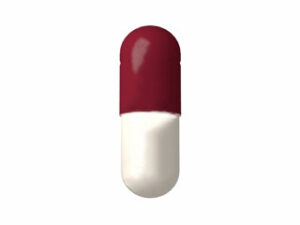
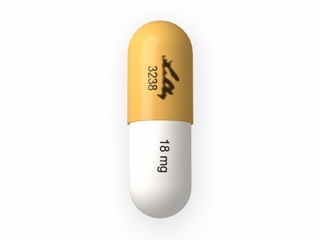
| Form | Capsules (strengths vary) |
| When it starts working | Some improvement may be seen within days; full effect often takes several weeks |
| Typical dosing approach | Individualised, usually with gradual titration |
What is ADHD, and why might Strattera be chosen?
ADHD is a neurodevelopmental condition that can affect attention, impulsivity, and activity levels. Symptoms can change across a person’s life and may interfere with school, work, relationships, and day-to-day functioning.
Strattera is often considered when a non-stimulant option is preferred or when a clinician and patient decide that a longer, steadier effect (without the “on/off” pattern of some stimulant medicines) may suit the individual.
Mechanism of action (how Strattera works)
Atomoxetine increases levels of noradrenaline in the brain by acting as a selective inhibitor of its reuptake (a “reuptake” process removes noradrenaline after it signals). By reducing reuptake, atomoxetine helps strengthen noradrenergic signalling in relevant brain pathways.
This can help improve core ADHD symptoms, including:
- Inattention (e.g., difficulty sustaining focus)
- Impulsivity (e.g., acting without thinking)
- Hyperactivity (e.g., restlessness)
Unlike some other ADHD medicines, atomoxetine is not a stimulant and does not rely on dopaminergic pathways in the same way.
Pharmacokinetics (how the body processes atomoxetine)
Pharmacokinetics describes what happens to the medicine in the body—absorption, distribution, metabolism and elimination.
- Absorption: Atomoxetine is absorbed from the gut after oral dosing.
- Peak levels: Blood levels typically reach a peak within a few hours (commonly around 1–2 hours, though this can vary).
- Metabolism: Atomoxetine is mainly metabolised in the liver by an enzyme called CYP2D6.
- Half-life: The elimination half-life can be substantially different between people, often leading to either a shorter or longer duration of effect.
- Excretion: Metabolites are excreted mainly through the kidneys.
Why CYP2D6 matters: Some people are “poor metabolisers” or “ultra-rapid metabolisers” due to genetic differences in CYP2D6 activity. This can affect blood levels and the likelihood of side effects.
Typical use and eligibility
In the UK, Strattera is commonly used to treat ADHD symptoms in:
- Children and adolescents
- Adults
Your prescriber may also consider Strattera in situations where:
- A non-stimulant approach is preferred
- There are concerns about certain stimulant-related effects
- Symptoms require consistent symptom coverage across the day
- Stimulants have not been effective or were not tolerated
Before starting, clinicians usually assess overall health, mental health history, and (where appropriate) baseline blood pressure and pulse.
Indications (what it is used for)
Strattera is indicated for the treatment of ADHD. The exact age groups and dosing strategy should be confirmed with your clinician and the latest product information in your leaflet.
How to take Strattera: timing and dosing
Important: Doses are individualised. Follow the schedule provided for you. The information below is general and intended to help you understand typical practice.
Starting and titration
Many people begin with a lower dose and then increase gradually over time. This approach can help reduce side effects and allows your clinician to find the most suitable dose.
When to take it
- Strattera is typically taken or , depending on the prescribed regimen and how you respond.
- For once-daily dosing, it’s often taken in the morning (or as advised) to support daytime symptom control and reduce the chance of sleep disruption.
- If taken , clinicians commonly split doses across the day (e.g., morning and late afternoon/evening), but the exact timing depends on your plan.
How long until it helps?
Atomoxetine is not an instant “quick fix.” Some people notice changes within the first couple of weeks, but full benefit often takes several weeks (sometimes longer). If you feel little improvement early on, this does not necessarily mean the medicine will not work—however, you should still report how you’re feeling to your clinician.
How to take the capsules
- Swallow the capsule whole with water.
- You can generally take it with or without food (see food interactions below).
- Try to take it at the same time each day to maintain steadier levels.
Food interactions (and what to eat)
Atomoxetine can generally be taken with or without food. Food may influence how quickly the medicine is absorbed for some people, but it does not usually prevent absorption.
To reduce potential stomach upset:
- Consider taking it if you experience nausea or an upset stomach.
- Stay well hydrated.
- If you get appetite changes, your clinician may suggest strategies to maintain healthy intake.
Grapefruit and similar products: There is no widely recommended avoidance of specific foods for atomoxetine in general patient guidance. However, because atomoxetine metabolism involves liver enzymes (CYP2D6), interactions with certain medicines are more important than diet. If you have doubts about a particular product, ask a pharmacist.
Alcohol interactions
There is no specific “absolute” rule that every person must avoid alcohol completely while taking atomoxetine, but it’s sensible to approach alcohol cautiously:
- Alcohol may worsen side effects such as dizziness, tiredness, or impaired concentration.
- Using alcohol heavily can also affect mood, sleep and blood pressure.
- If you experience nausea or light-headedness on Strattera, alcohol may intensify these effects.
Practical advice: If you drink alcohol, consider keeping it moderate and avoid binge drinking. If you notice a clear worsening of symptoms or side effects after alcohol, discuss it with your clinician.
Medicine interactions (important)
Atomoxetine’s metabolism by CYP2D6 means that some medicines can increase or decrease its levels. This can affect both effectiveness and side effects.
Medicines that may increase atomoxetine levels
Some medicines can inhibit CYP2D6, leading to higher atomoxetine exposure. Higher levels may increase the chance of side effects such as:
- nausea, stomach upset
- sleep disturbances
- increased heart rate or blood pressure changes
- feeling agitated
Examples (not exhaustive) may include certain antidepressants and other medicines known to affect CYP2D6. Always tell your pharmacist or clinician about all medicines you take, including over-the-counter products and herbal remedies.
Medicines that may lower atomoxetine levels
Some enzyme effects or co-medications could reduce atomoxetine levels, potentially making it less effective.
Other ADHD medicines and stimulants
Atomoxetine can be used in combination with other ADHD therapies in certain circumstances, but the risk/benefit must be considered carefully. Do not combine medicines unless your clinician advises it.
Tell your healthcare team about
- Any antidepressants, antipsychotics, or migraine medicines
- Blood pressure medicines (as atomoxetine can affect pulse and blood pressure)
- Medicines for heart rhythm problems
- Any history of liver disease or yellowing of the eyes/skin
- Any known drug allergies
Tip: Keep a written list of your medicines (with doses) and bring it to appointments.
Safety profile and side effects
Like all medicines, Strattera can cause side effects. Many are mild to moderate and may improve over time, especially after dose adjustments.
Common side effects
These vary between people. Examples include:
- Nausea or stomach discomfort
- Decreased appetite
- Dry mouth
- Dizziness
- Sleep problems (such as insomnia) or tiredness
- Headache
- Changes in mood (e.g., irritability)
Blood pressure and heart rate effects
Atomoxetine may increase heart rate and blood pressure in some people. Your clinician may monitor:
- Blood pressure
- Pulse
- Symptoms such as palpitations or chest discomfort
Serious but uncommon risks
Seek urgent medical advice if you develop symptoms such as:
- Signs of liver problems (e.g., yellow skin/eyes, dark urine, severe fatigue)
- Severe allergic reactions (e.g., swelling of face/lips, breathing difficulties)
- Fainting or severe chest pain
- Mania-like symptoms (e.g., unusually high energy, reduced need for sleep, risky behaviour)
- Concerning mood changes (including suicidal thoughts)—especially in children and adolescents, where close monitoring is essential
Note on mood and behaviour: Any new or worsening depression, agitation, or suicidal thoughts should be reported promptly to a healthcare professional.
Impact on growth in children
In children and adolescents, appetite changes may influence growth or weight gain. Clinicians usually monitor growth parameters during treatment.
Practical tips for using Strattera
- Be consistent with timing: Taking it at the same time each day helps maintain stable levels.
- Manage nausea: If nausea occurs, try taking with food (if appropriate) and stay hydrated.
- Support appetite: Consider earlier meals or nutrient-dense snacks if appetite is reduced.
- Track sleep: If insomnia happens, discuss timing changes with your clinician or pharmacist.
- Monitor mood: Keep an eye on changes in anxiety, irritability, or mood.
- Check blood pressure/pulse: Attend follow-up visits and report symptoms like palpitations or dizziness.
- Do not stop suddenly: If you want to change treatment, talk to your clinician first.
Missed dose
If you miss a dose, follow the guidance in your leaflet or the instructions provided by your clinician or pharmacist. In general, avoid taking extra doses to “catch up.” If you’re unsure, consult a pharmacist for advice based on your schedule.
Alternative options for ADHD
ADHD treatment can include medication, psychological therapies, educational support, and behaviour strategies. The best option depends on your symptoms, health history, age, and personal preference.
Medication alternatives
- Stimulants (e.g., methylphenidate or lisdexamfetamine-based medicines, depending on what is suitable)
- Other non-stimulants (depending on availability and individual patient factors)
Non-medication approaches
- Behavioural strategies (for home and school)
- Parent training or coaching for children and families
- School support (structured routines, accommodations)
- Cognitive and practical skills training for organisational difficulties
Your clinician can help you compare benefits and risks of each approach.
United Kingdom: market and legal context
In the UK, ADHD medicines are regulated under UK medicines law and must be supplied in line with prescribing and dispensing rules. Patient safety monitoring and healthcare governance are important, particularly for medicines that can influence mood, heart rate and blood pressure.
Clinical guidance in the UK has emphasised a stepped approach: assessment of symptoms, careful consideration of comorbidities (such as anxiety, depression, sleep problems, or learning difficulties), and then an appropriate treatment plan that may include medication, structured behavioural interventions, and monitoring.
Recent emphasis in practice: Ongoing review of effectiveness and side effects, attention to cardiovascular monitoring, and clear safety monitoring for mood-related symptoms—particularly in younger people.
Recent guidance and monitoring (what to expect)
While specific recommendations evolve, UK clinical practice typically includes:
- Baseline checks such as blood pressure and pulse
- Monitoring after dose changes (to evaluate response and tolerability)
- Regular follow-ups to review symptom control, school/work functioning, and side effects
- Weight and growth monitoring in children and adolescents
- Mood monitoring, especially for new or worsening anxiety, depression, or suicidal thoughts
If you’re unsure when your next review is due, contact your GP practice or the clinician managing your ADHD care.
Delivery and availability in the UK (online pharmacy guidance)
Availability can vary by supplier and stock level. When ordering online, you may be asked to confirm key details to ensure safe supply. Some medicines may have limitations depending on local arrangements and required documentation.
Delivery expectations:
- Orders are typically processed during working days.
- Delivery times vary by courier and location in the UK.
- Keep an eye on tracking updates if provided.
- Check the package on arrival and ensure the medicine name and strength match your order.
If a product is temporarily out of stock, your pharmacy may offer alternatives or an estimated restock date.
FAQ: Strattera (Atomoxetine)
1) How soon will I notice an improvement?
Some people notice changes within days to a couple of weeks, but full benefit often takes several weeks. It’s common for clinicians to review progress after an initial titration period.
2) Is Strattera a stimulant?
No. Strattera (atomoxetine) is a non-stimulant medication.
3) Can I take it with food?
Yes, Strattera can generally be taken with or without food. If you experience nausea, taking it with food may help.
4) Will alcohol affect it?
Alcohol may worsen side effects such as dizziness, tiredness, and concentration difficulties. Keep alcohol moderate and seek advice if you notice worsening symptoms.
5) What should I do if I miss a dose?
Follow the guidance in your leaflet or ask your pharmacist. Do not take extra capsules to “catch up” unless instructed.
6) Are there any risks for children and teenagers?
Children and adolescents may experience appetite changes and sleep disturbances. Clinicians typically monitor growth/weight and also monitor mood. Contact healthcare services promptly if serious concerns arise.
7) How is atomoxetine different from other ADHD medicines?
Atomoxetine increases noradrenaline signalling. Some other ADHD medicines work through different pathways (including stimulant medicines). Choice depends on effectiveness, side effects, health history, and preferences.
8) What if I’m taking other medicines?
Tell your pharmacist/clinician about all medicines, including over-the-counter products and herbal supplements. Interactions—especially those affecting CYP2D6—may change how Strattera works for you.
9) Can it affect blood pressure or heart rate?
Yes. Atomoxetine can increase pulse and blood pressure in some people, so monitoring may be recommended.
10) When should I seek urgent help?
Seek urgent medical attention for signs of serious allergic reaction, severe chest pain, fainting, or symptoms suggesting liver problems (yellowing of eyes/skin, dark urine). Also seek prompt help for severe mood changes or suicidal thoughts.
Need personalised advice? If you have questions about how Strattera might suit your situation, speak to your pharmacist or clinician. Always use the patient leaflet supplied with your medication for the most accurate, up-to-date information.