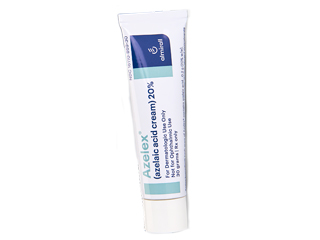
Azelex (Azelaic Acid) — Patient-Friendly Guide (UK)
Azelex contains azelaic acid, a topical medicine used to treat certain skin conditions such as acne and rosacea, and it is also used for improving the appearance of dark patches caused by hyperpigmentation (often referred to as post-inflammatory hyperpigmentation). This guide explains how Azelex works, how to use it effectively, what to expect, and important safety information for people in the United Kingdom.
Quick product information
| Category | Details |
|---|---|
| Medicine | Azelex (azelaic acid) topical product |
| Active ingredient | Azelaic acid |
| How it’s used | Applied to the skin (usually twice daily) |
| Common uses | Acne; rosacea; hyperpigmentation (dark marks) |
| Typical benefits | Helps reduce inflammation, blocked pores, and uneven pigmentation |
| Where to apply | Areas affected on the face or other recommended skin areas |
How Azelex works (mechanism of action)
Azelaic acid is a multi-action topical ingredient. It helps in several ways:
- Anti-inflammatory activity: It can reduce redness and irritation, which is especially relevant for rosacea and inflamed acne lesions.
- Helps reduce acne-causing processes: It interferes with the formation of comedones (blocked pores) and may reduce the growth/activities of organisms linked to acne.
- Reduces bacterial burden: Azelaic acid can help limit the growth of certain skin bacteria involved in acne.
- Normalises keratinisation: It supports more normal shedding of skin cells, helping pores stay clearer.
- Targets pigmentation: For dark patches, azelaic acid helps reduce the overproduction and transfer of pigment within the skin.
Important: Azelex often takes time to show visible effects. Improvements typically become noticeable gradually over several weeks.
Pharmacokinetics (what happens to azelaic acid)
When applied to skin, azelaic acid is absorbed to a limited extent. Key points include:
- Local action predominates: Most of the medicine acts within the upper layers of the skin where it’s applied.
- Limited systemic absorption: Only small amounts reach the bloodstream.
- Metabolism and elimination: Any absorbed azelaic acid is metabolised and eliminated mainly via the kidneys.
Because systemic absorption is generally low, side effects are usually local to the skin.
What Azelex is used for (indications)
Azelex is commonly used for the following skin conditions:
- Acne: Including inflammatory acne (red bumps) and comedonal acne (blocked pores/blackheads), particularly when a topical anti-acne agent is suitable.
- Rosacea: Especially when there is redness and inflammatory lesions.
- Hyperpigmentation: Such as dark marks that develop after acne inflammation (post-inflammatory hyperpigmentation) and some other pigment-related unevenness, depending on clinical suitability.
Availability and specific “labelled” indications can vary by product strength and local supply. Your pharmacist or prescriber can confirm the most appropriate use for your condition.
Typical dosing and how to apply
General dosing approach
Many azelaic acid regimens for Azelex are based on twice-daily application. In practice, the exact schedule should follow the instructions provided with your specific product pack and any healthcare advice you’ve received.
How to use Azelex step-by-step
- Wash: Cleanse the affected area gently and pat dry (don’t rub).
- Apply a thin layer: Use a small amount to cover the affected skin. Avoid getting it into the eyes, lips, inside the nose, or on broken skin.
- Massage lightly: Rub in gently until the layer is even.
- Wash hands after application: This helps prevent accidental contact with eyes.
- Moisturise if needed: A bland moisturiser can reduce dryness and irritation.
When to start seeing results
- Early changes: Some people notice less redness or fewer inflamed spots within the first few weeks.
- Best results: Full benefit often takes several weeks to months with regular use, especially for pigmentation and acne control.
Adjusting for sensitivity
If you’re prone to sensitive skin, consider starting with once daily for the first week, then moving to twice daily if tolerated. If irritation is significant, speak to a healthcare professional for advice on pacing or alternatives.
Timing: when to apply during the day
A common regimen is:
- Morning: After cleansing and before sunscreen/makeup (if daytime).
- Evening: After cleansing at night.
Sunscreen matters: If you’re using Azelex for dark marks, using a suitable SPF daily can greatly improve and protect your results by reducing new pigmentation.
Avoid applying right before bed without cleansing: Clean the skin first, then apply a thin layer so the product stays in contact as intended.
Food interactions
Because Azelex is applied to the skin and systemic absorption is limited, food interactions are not typically relevant. You can generally take your meals as usual.
Alcohol and medicine interactions
Alcohol
There is generally no direct interaction between topical azelaic acid and alcohol. However, alcohol can sometimes worsen skin flushing or irritation in people with rosacea. If you notice flare-ups after drinking, consider reducing alcohol intake and monitor your skin response.
Interactions with other medicines/skin products
While azelaic acid has limited systemic interactions, combining topical products can increase irritation. Use caution when applying Azelex with:
- Other strong acne treatments (e.g., benzoyl peroxide, strong retinoids)
- Exfoliating acids (e.g., glycolic acid, salicylic acid) or scrubs
- Alcohol-containing or heavily fragranced skincare
Practical approach: If you are using other actives, consider alternating products on different nights or using them at different times of day to reduce irritation.
If you’re using medicines on the skin for infection or severe inflammation, ask a pharmacist for a safe plan.
Safety profile: side effects and what to expect
Most side effects are mild to moderate and usually occur early in treatment as your skin adjusts.
Common side effects
- Skin irritation (stinging/burning)
- Redness
- Dryness or flaking
- Itching
- Peeling
Less common concerns
- Worsening of irritation if used too frequently or applied too heavily
- Contact dermatitis (in sensitive individuals)
When to seek urgent advice
Stop using Azelex and seek medical advice urgently if you experience:
- Severe swelling of the face, lips, or eyelids
- Difficulty breathing
- Widespread rash or signs of a serious allergic reaction
- Severe burning/pain or blistering
Managing mild irritation
- Apply a thin layer
- Use it once daily temporarily
- Use a gentle moisturiser (ideally fragrance-free)
- Avoid other potentially irritating products during the adjustment phase
Practical use tips for best results
- Be consistent: Use regularly as directed. Irregular use can reduce effectiveness.
- Don’t over-apply: More product doesn’t necessarily work faster and may worsen irritation.
- Start slowly if you’re sensitive: Gradually build up to twice daily if needed.
- Choose gentle skincare: Cleanser and moisturiser should be mild and fragrance-free where possible.
- Wear sunscreen daily: Especially if treating dark marks or uneven pigmentation.
- Avoid sunburn: Sun exposure can increase irritation and pigmentation.
- Keep it away from eyes and corners of the nose: Rinse immediately with water if contact occurs.
- Allow time between actives: If you use other treatments, separate application times to reduce irritation.
Alternative options (UK)
Depending on your skin condition, your healthcare professional may recommend alternatives to azelaic acid. Options can include:
For acne
- Benzoyl peroxide (anti-bacterial and anti-inflammatory)
- Topical retinoids (help prevent clogged pores)
- Salicylic acid (chemical exfoliant for pore clearance)
- Oral therapies for moderate to severe acne under specialist guidance
For rosacea
- Metronidazole (topical anti-inflammatory)
- Ivermectin cream (for certain rosacea types)
- Other targeted topical options based on symptoms and severity
- Laser/other treatments may be considered for persistent redness in some cases
For hyperpigmentation (dark marks)
- Other skin-lightening agents (choice depends on skin tone and cause)
- Professional treatments (e.g., chemical peels, lasers) for selected cases
- Strict sun protection is often essential alongside topical products
Your best alternative depends on your diagnosis, skin type, and how sensitive your skin is to actives.
Market and legal context in the United Kingdom
In the UK, topical medicines such as azelaic acid may be supplied via different routes depending on product presentation, strength, and clinical guidance. Some topical dermatology medicines may be available from pharmacies or under clinician direction, and availability can vary by formulation and current regulatory and supply status.
UK regulatory considerations:
- Medicines in the UK are regulated to ensure quality, safety, and effectiveness.
- Product names and strengths can differ between brands and formulations.
- Pharmacy supply policies may change; always check the product packaging and the information provided by the supplier.
Recent guidance (general)
Dermatology care in the UK increasingly emphasises:
- Stepwise treatment: starting with topical options and adding further therapies if needed.
- Skin barrier protection: gentle cleansing and moisturising to minimise irritation.
- Sun protection: especially when treating pigmentation and redness.
- Realistic expectations: slow improvement over weeks rather than days.
Local clinical advice may vary. If symptoms worsen or do not improve after a reasonable period, it’s appropriate to seek further assessment.
Delivery and availability (UK online pharmacy)
Availability depends on stock levels and the specific Azelex/azelaic acid product strength supplied. When ordering online in the UK, you can expect:
- Standard and express delivery options (availability varies by supplier)
- Secure packaging to help protect the product during transit
- Tracking information where offered
Cold weather storage: Store at room temperature unless your product instructions state otherwise. Keep away from heat and direct sunlight.
How long to use Azelex
For many people, Azelex is used as a longer-term topical therapy rather than a short course—particularly for acne maintenance or rosacea symptom control.
- Acne: Continue regularly even after improvement to reduce relapse.
- Rosacea: Use consistently to help prevent flare-ups.
- Hyperpigmentation: Improvement may be gradual; continued use with sun protection often provides the best outcomes.
If you plan to stop, consider discussing with a pharmacist or clinician—some conditions benefit from tapering or maintenance schedules.
FAQ — Azelex (Azelaic acid)
1) Is Azelex suitable for sensitive skin?
Many people tolerate azelaic acid well, but it can cause initial stinging or dryness. If you have sensitive skin, start with a thin layer once daily for a week, then increase to twice daily if comfortable.
2) How long before I see results?
Some improvement may appear within a few weeks. For acne control and pigmentation, noticeable results often take several weeks to months, depending on severity and consistency.
3) Can I use Azelex with moisturiser?
Yes. Using a gentle moisturiser can reduce dryness and improve comfort. Many people apply moisturiser after Azelex once their skin is tolerating it.
4) Should I use sunscreen while using Azelex?
Yes, especially if treating dark marks or uneven pigmentation. Daily sun protection helps prevent further pigmentation and supports clearer skin.
5) Can I apply makeup after using Azelex?
Often you can after the product has absorbed and your skin feels comfortable. If makeup irritates your skin, switch to non-comedogenic, fragrance-free options.
6) What if my skin burns or gets very red?
Stop if irritation is severe. For mild irritation, reduce frequency (e.g., once daily), apply a thinner layer, and avoid other irritating products temporarily. Seek advice if symptoms persist.
7) Can I combine Azelex with other acne treatments?
It may be possible, but combining active skincare can increase irritation. Consider alternating products on different days or using one active at a time initially. A pharmacist can help you build a routine safely.
8) Is it safe to use during the day?
Yes. Many people apply Azelex in the morning and evening. If you’re outdoors, remember sunscreen for best results and comfort.
9) Are there food interactions?
No meaningful food interactions are expected with topical azelaic acid.
10) Does alcohol affect Azelex?
There is no direct interaction, but alcohol can trigger flushing in some people with rosacea. If you notice flare-ups, consider reducing alcohol and monitor your response.
Important reminders
- Follow the instructions provided with your Azelex product and any healthcare guidance you receive.
- Avoid contact with eyes, eyelids, lips, and inside the nose.
- If you develop severe irritation or signs of allergy, stop and seek medical advice.
- For persistent symptoms or concerns about correct use, consult a pharmacist or clinician.
Disclaimer: This information is intended to help you use Azelex safely and effectively. It does not replace advice from a healthcare professional.