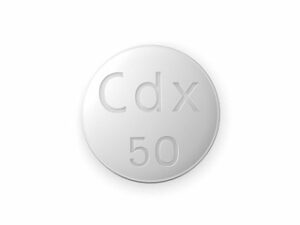
Bicalutamide (United Kingdom) – Patient Information
Bicalutamide is a medicine used to treat certain forms of prostate cancer. It belongs to a group of drugs that reduce the effect of testosterone on cancer cells. Many people know it by its brand names (depending on the manufacturer), but the active ingredient is bicalutamide.
This guide is written to help you understand what bicalutamide does, how it’s used, what to expect, and important safety considerations. If anything in this information doesn’t seem to fit your situation, check with your healthcare professional.
Basic product information
| Category | Details |
|---|---|
| Active ingredient | Bicalutamide |
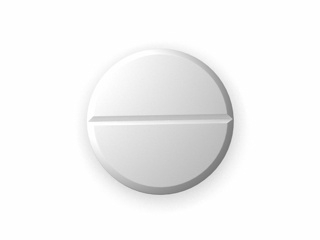
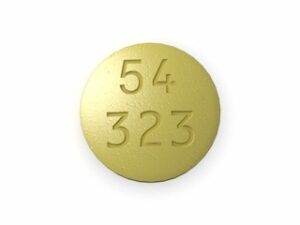
| Common strength | Typically 50 mg tablets (product presentation may vary) |
| Drug type | Anti-androgen (androgen receptor inhibitor) |
| How it works | Blocks androgen (testosterone) from stimulating prostate cancer growth |
| How it’s taken | Usually by mouth, once daily (dose schedule depends on the regimen) |
What bicalutamide is used for
Bicalutamide is used in the treatment of prostate cancer. It works by interfering with androgen signalling, which prostate cancer often relies on for growth.
Typical clinical uses include:
- Advanced prostate cancer (often as part of broader hormonal therapy).
- Locally advanced disease, in selected cases, sometimes combined with other treatments.
- Metastatic hormone-sensitive disease strategies may include androgen receptor–targeting approaches depending on the overall treatment plan.
The exact reason you’ve been offered bicalutamide may depend on cancer stage, previous treatment, and your overall health. Your care team will advise the most appropriate regimen.
Mechanism of action (how it works)
Prostate cancer cells often have androgen receptors. Androgens such as testosterone bind to these receptors and promote growth.
Bicalutamide is an anti-androgen. It binds to androgen receptors in prostate tissue. By occupying these receptors, it prevents testosterone and related hormones from activating the receptors. This can help:
- Slow down tumour growth
- Reduce prostate cancer activity
- Improve disease control, especially when used alongside other treatments
It is important to note that bicalutamide does not “lower” testosterone directly like some other hormonal treatments. Instead, it blocks how the body’s androgens act on prostate cancer cells.
Pharmacokinetics (how the body handles bicalutamide)
Pharmacokinetics describes absorption, distribution, metabolism, and elimination—how the body processes a medicine.
- Absorption: Bicalutamide is absorbed after oral dosing. Peak levels generally occur a few hours after a dose.
- Distribution: It distributes throughout the body, including prostate tissue.
- Metabolism: Bicalutamide is mainly metabolised in the liver (primarily via CYP pathways, including CYP3A4 and CYP2C9).
- Elimination: The medicine is cleared mainly via metabolic routes. Bicalutamide and its metabolites have a long duration of action, so effects can last between doses.
Because of its long effect, missed doses may not cause an immediate loss of benefit, but it’s still important to follow the dosing schedule recommended for you.
Typical timing and how to take bicalutamide
Many bicalutamide regimens involve once-daily dosing. Taking it at the same time each day can help you remember.
Practical timing tips
- Choose a consistent time (e.g., morning or evening).
- Swallow with water; swallow tablets whole unless your leaflet specifically advises otherwise.
- If you forget a dose, take it as soon as you remember on the same day. If it’s nearly time for the next dose, skip the missed dose—do not take a double dose.
- Continue regularly: hormonal treatments often require sustained use.
If you have a special dosing schedule (for example, different tablet strengths or combination therapy), follow your personalised instructions from your healthcare team.
Food interactions
In general, bicalutamide can be taken with or without food. Food is not known to substantially alter its overall effect for most people.
However, real-life factors such as nausea, appetite changes, and stomach sensitivity can influence comfort. If you find your dose upsets your stomach, taking it with a light meal may help.
If you have liver disease or take medicines that strongly affect liver enzymes, dietary supplements and grapefruit-containing products should be discussed with your healthcare professional.
Alcohol interactions
Alcohol is not typically listed as a direct interaction with bicalutamide, but it can still be relevant for safety—especially because:
- Bicalutamide is processed by the liver, and alcohol can also affect liver function.
- Alcohol may worsen fatigue, dizziness, or nausea in some people.
If you drink alcohol, consider keeping intake moderate and discuss your drinking habits with your clinician, particularly if you have any liver concerns.
Medicine interactions (important)
Bicalutamide is metabolised by liver enzyme systems. Some medicines can change its levels in your body, which may affect side effects or effectiveness.
Potential interaction themes
- Enzyme inhibitors or inducers: medicines that affect CYP enzymes may alter bicalutamide concentrations.
- Anticoagulants (blood thinners): warfarin and similar medicines may require closer monitoring when taken with many hormonal therapies. Your healthcare team may check blood clotting tests more frequently.
- Other hormone therapies: combinations may increase the overall hormone-related side effects.
What to do
- Keep an up-to-date list of all medicines you take, including over-the-counter products and herbal supplements.
- Ask your pharmacist to check interactions before starting any new medicine.
- If you take warfarin, ensure you follow any monitoring plan and do not change your dose without advice.
This is not a complete list of interactions. For individual advice, speak to a pharmacist or prescriber and provide their details of your medicine list.
Indications (when bicalutamide is appropriate)
“Indication” means the condition a medicine is intended to treat. In the UK, bicalutamide is indicated for prostate cancer in specific clinical settings.
Your doctor may recommend bicalutamide:
- As part of a hormonal strategy for prostate cancer
- In combination with other treatments where androgen signalling needs to be blocked
- For patients where a particular hormonal approach fits their circumstances
The exact choice and duration depend on cancer stage and treatment goal (for example, controlling disease for longer periods).
Dosing (general information)
Doses can vary depending on the cancer stage and the overall regimen. Always follow the dose and schedule provided for you.
Typical adult dosing patterns (general)
- Once daily regimens are common.
- Dose strength may be 50 mg once daily in many treatment protocols.
- In some settings, different dosing may be used as part of combination therapy—your clinician will specify the correct regimen.
If you receive combination therapy (for example with other medicines affecting hormone levels), side effects can overlap, and monitoring may be more frequent.
Missed dose guidance
- Remember soon: take the missed tablet when you remember on the same day.
- Almost time: if it’s close to the next dose, skip the missed dose.
- Do not double: do not take two doses together to make up for the missed one.
Safety profile (side effects and when to seek help)
Like all medicines, bicalutamide can cause side effects. Not everyone experiences them, and severity can vary.
Common side effects
- Hot flushes
- Breast tenderness or breast enlargement (gynecomastia)
- Reduced libido and erectile dysfunction
- Fatigue
- Nausea or mild gastrointestinal upset
Less common but important effects
- Liver changes: abnormal liver function tests may occur. Seek advice if you notice signs such as:
- Yellowing of the skin or eyes (jaundice)
- Dark urine
- Severe or persistent nausea/vomiting
- Right-sided upper abdominal pain
- Unusual tiredness with other symptoms
- Blood and metabolism changes: your clinician may monitor routine blood tests.
- Breathing or fluid-related symptoms may require review if they occur.
Seek urgent medical advice if
- You develop signs of an allergic reaction (swelling of face/lips, difficulty breathing, widespread rash)
- You experience severe illness symptoms or rapidly worsening symptoms
- You notice strong indicators of liver problems as described above
If you’re unsure whether symptoms are related, it’s safer to contact your pharmacist or clinician for guidance.
Practical use tips
The following tips can make treatment easier and help you stay on track.
- Track side effects: keep a simple note of hot flushes, fatigue, mood changes, and any breast discomfort. This helps your care team adjust support.
- Stay hydrated and active: gentle exercise can help with fatigue and overall wellbeing.
- Skin and temperature comfort: hot flushes can be managed by wearing light clothing, using fans, and avoiding overheating.
- Breast tenderness: supportive garments and discussing pain relief options with your pharmacist may help.
- Liver monitoring: follow any blood test schedule your clinician advises.
- Medication list: carry an up-to-date list of medicines, including bicalutamide, for every appointment.
Alternatives to bicalutamide
Depending on your specific situation, there may be other medicines or approaches available for prostate cancer. These can include:
- Other androgen receptor–targeting therapies (different agents that also interfere with androgen signalling)
- Medicines that reduce testosterone production (hormonal therapies that lower androgen levels)
- Surgery or radiotherapy in appropriate cases, sometimes combined with hormonal therapy
- Newer systemic treatments for particular disease stages or risk groups, as guided by oncology specialists
The “best” option depends on cancer characteristics, previous treatment, side effect preferences, and overall health. If you’re considering changes, discuss options with your healthcare team—never stop bicalutamide abruptly without advice.
Market and legal context in the United Kingdom
In the UK, bicalutamide is an established medicine for prostate cancer and is commonly supplied through NHS services or private routes via community pharmacies. Medicines are regulated by the Medicines and Healthcare products Regulatory Agency (MHRA) and must meet UK safety and quality requirements.
Availability may vary by formulation, pack size, and supply chain conditions. For the most current information on product availability and regulations, your pharmacy can advise based on the specific item you’re interested in.
Recent guidance (high-level)
Prostate cancer management in the UK continues to evolve as new research emerges. In general, clinicians follow evidence-based pathways that consider cancer stage, risk, and patient-specific factors. For hormonal therapies, this typically includes:
- Using androgen deprivation or androgen receptor blockade as appropriate for the disease stage
- Monitoring treatment response (often including PSA levels) and side effects
- Considering heart/metabolic health, liver function, and overall tolerability
- Reviewing treatment duration and combination strategies in line with current oncology practice
Your clinician can explain how these general principles apply to your regimen.
Delivery and availability (online pharmacy guidance)
Online pharmacies in the UK typically provide medicines in authorised packaging with appropriate labelling and instructions. Availability can depend on:
- Current stock levels at the dispensing facility
- Whether the product is supplied directly or through wholesalers
- Delivery options and cut-off times
When ordering online, check:
- Product strength and form (e.g., tablet strength, brand/manufacturer)
- Quantity (pack size)
- Delivery timeframe shown at checkout
- Return policy for medicines (often limited for safety reasons)
If you need the medicine urgently or have concerns about stock, contact the pharmacy’s customer support for an estimated delivery date.
FAQ – Bicalutamide
1) How quickly does bicalutamide start working?
Hormonal effects can begin within days, but meaningful changes in symptoms or blood test results (such as PSA) may take several weeks. Your clinician will monitor response over time.
2) Will bicalutamide cure prostate cancer?
For many people, bicalutamide is used to control the disease, slow progression, and reduce cancer activity. Whether it can “cure” depends on the stage and combination of treatments used in your case.
3) Can I take bicalutamide with food?
Yes. It can usually be taken with or without food. If it upsets your stomach, taking it with a light meal may improve comfort.
4) What should I do if I drink alcohol while taking bicalutamide?
Moderate alcohol is not usually a direct interaction issue, but because of liver metabolism and possible additive fatigue or nausea, it’s sensible to keep intake moderate and discuss any regular or heavy drinking with your healthcare team.
5) Are there any foods I must avoid?
There are no specific foods universally required to avoid. However, if you use herbal supplements or grapefruit products, ask your pharmacist—some products can affect liver enzymes.
6) What liver symptoms should I watch for?
Seek advice promptly if you notice jaundice (yellow skin/eyes), dark urine, severe nausea/vomiting, pain in the upper abdomen, or marked unexplained tiredness with other symptoms.
7) Does bicalutamide affect driving or machinery?
Most people do not have severe impairment. However, fatigue can occur. If you feel tired, dizzy, or unwell, avoid driving or operating machinery until you feel normal again.
8) What happens if I stop taking bicalutamide?
Stopping can allow androgen signalling to resume, potentially reducing disease control. Do not stop unless your clinician tells you to. If you’re experiencing troublesome side effects, contact your healthcare team to discuss options.
9) What if I miss a dose?
Take it when you remember on the same day. If it’s close to the next dose, skip the missed dose and continue your usual schedule. Do not take a double dose.
10) Are there alternatives if I can’t tolerate bicalutamide?
Yes. Depending on your cancer stage and overall plan, there are other hormonal or anti-androgen options. A clinician can help you find the most suitable approach based on benefits and side effect profile.
Important: This information is general and may not cover every individual situation. Always read the medicine’s packaging information and consult a healthcare professional or pharmacist for advice tailored to you.