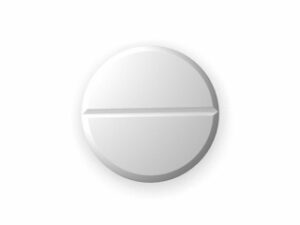
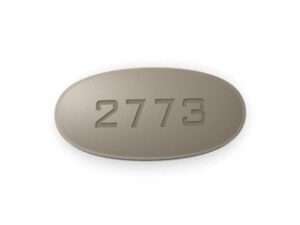

Bystolic (Nebivolol) – Patient-Friendly Guide (UK)
Bystolic is the brand name for nebivolol, a medicine used to treat high blood pressure and certain types of heart-related conditions. This guide explains what nebivolol does, how it works in the body, how to take it safely, and what to expect. It is written for people in the United Kingdom and is designed to be easy to read.
1) Basic product information
| Item | Details |
|---|---|
| Medicine | Nebivolol |
| Brand | Bystolic |
| Drug type | Beta-blocker (selective), with additional nitric-oxide–related effects |
| Common uses | High blood pressure; and some heart failure-related indications (depending on clinical context) |
| Typical dosing frequency | Once daily (often at the same time each day) |
Note: Brand names and tablet strengths available may vary by supplier. Your pharmacy listing will show the exact strength(s) and pack sizes available.
2) How nebivolol works (mechanism of action)
Nebivolol belongs to the group of medicines called beta-blockers. In general, beta-blockers reduce the workload on the heart and help control blood pressure.
Nebivolol has two main effects:
- Selective beta-1 blockade: It blocks certain receptors (beta-1 receptors) in the heart. This can lower heart rate and reduce the force of contraction, which helps reduce blood pressure and improve heart efficiency.
- Improves blood vessel function: Nebivolol also supports the release of nitric oxide, which helps blood vessels relax (vasodilation). This contributes to lowering blood pressure.
As a result, nebivolol may help:
- Reduce high blood pressure over time
- Lower heart rate
- Improve symptoms in some heart conditions (as advised by a clinician)
3) Pharmacokinetics (how the body handles nebivolol)
Understanding pharmacokinetics can help explain why dosing is usually once daily and why timing can matter.
- Absorption: Nebivolol is absorbed from the gut. Taking it with food may influence how quickly it reaches peak levels for some people, though many people can take it either with or without food as advised on the label.
- Peak effect: Blood levels rise after dosing, reaching peak concentration typically within a few hours.
- Metabolism: Nebivolol is metabolised by the liver. People vary in how quickly they metabolise it, which can affect how strongly it feels or how quickly it works.
- Elimination: The medicine is cleared primarily via metabolism and excretion of metabolites.
- Duration: Nebivolol is designed for once-daily dosing, because its active effects persist long enough to maintain blood pressure control across the day for many patients.
Practical takeaway: Keep taking nebivolol at a consistent time each day. If your clinician changes dose or timing, it may take days to weeks to see the full effect.
4) Typical uses (indications) in the UK
Nebivolol is used for:
- Hypertension (high blood pressure): Helps reduce blood pressure to lower the risk of stroke, heart attack, and other complications.
- Chronic heart failure (certain patients): In some settings, nebivolol may be used as part of a treatment plan for stable chronic heart failure when appropriate.
Whether nebivolol is suitable for you depends on your medical history, other medicines, and how your condition responds.
5) Timing and how to take Bystolic (nebivolol)
General timing: Nebivolol is usually taken . Taking it at the same time each day can help you remember and keeps blood levels steadier.
- Choose a consistent time: Morning or evening is often acceptable; follow the instructions on your product label or advice from your healthcare professional.
- Swallow whole with water: Do not crush or chew unless specifically advised for your formulation.
- Do not stop suddenly: Stopping beta-blockers abruptly can cause a rebound effect, such as increased heart rate, raised blood pressure, or worsening angina.
If you miss a dose:
- Take it when you remember on the same day.
- If it is close to the next scheduled dose, skip the missed dose and continue normally.
- Do not take a double dose to make up for a missed one.
6) Food interactions and dietary considerations
Nebivolol is taken by mouth and may be taken with or without food. In many people, the overall effect on blood pressure does not require strict timing around meals.
Food-related tips:
- If you notice stomach upset, try taking it with food (or at another consistent time) and inform your clinician/pharmacist if problems continue.
- Keep your routine consistent so your medicine timing is predictable.
Important: Do not rely on dietary changes alone for blood pressure control. Continue taking nebivolol as directed.
7) Alcohol and medicine interactions
Alcohol: Alcohol may increase dizziness or light-headedness caused by blood pressure lowering, especially when you first start nebivolol or after dose increases. It may also worsen fatigue in some people.
- If you drink alcohol, do so cautiously and consider limiting intake.
- Avoid drinking if you feel unwell, dizzy, or faint.
- Seek advice if you have concerns about alcohol use with your health conditions (e.g., heart failure or liver disease).
General medicine interaction considerations: Nebivolol interacts with other medicines that affect heart rate, blood pressure, or liver metabolism.
Common interaction themes to discuss with your pharmacist/clinician:
- Other heart-rate–lowering medicines (e.g., some calcium channel blockers such as verapamil/diltiazem; or other beta-blockers): may increase risk of slow heart rate, low blood pressure, or conduction problems.
- Antiarrhythmics: may affect heart rhythm and require close monitoring.
- Medicines that reduce blood pressure: additive effects can increase risk of dizziness or fainting.
- Medicines affecting liver enzymes used to metabolise nebivolol: can change how strong the effect is.
- Some medicines for mood/sleep (varies): may influence sedation or blood pressure in combination.
- Non-steroidal anti-inflammatory drugs (NSAIDs) (e.g., ibuprofen, naproxen): in some people, NSAIDs can reduce effectiveness of blood pressure medicines and affect kidney function, especially if dehydrated or with kidney disease.
Always check: Tell your pharmacist about all medicines and supplements you use, including over-the-counter products.
8) Dosing guidance (typical adult regimens)
Dosing must be individualised. Below are general dosing ranges commonly used; your exact dose should follow your label instructions and clinician advice.
Hypertension (high blood pressure)
- Starting dose: Often 5 mg once daily.
- Typical adjustments: Dose may be adjusted based on blood pressure response. Some people may be advised to increase if control is not adequate.
- Maximum dose: Commonly 10 mg once daily in many regimens for hypertension, depending on product guidance and individual factors.
Chronic heart failure (stable patients)
- Approach: Heart failure dosing is usually started low and titrated slowly to reduce side effects.
- Starting dose: Often 1.25 mg once daily (depending on available strengths).
- Titration: Dose is increased gradually at intervals (commonly every 1–2 weeks) depending on tolerability, heart rate, and blood pressure.
- Target dose: Often 10 mg once daily (in suitable patients), but this varies by clinical context.
Special situations:
- Older adults: Dosing may start at the lower end and be adjusted carefully.
- Kidney or liver impairment: Dose adjustments and extra monitoring may be necessary.
- Conduction problems or very slow pulse: Nebivolol may require caution or may not be suitable depending on severity.
Monitoring: Your clinician may check blood pressure, heart rate, and sometimes blood tests. If you have symptoms (e.g., dizziness or fainting), contact medical advice promptly.
9) Safety profile and possible side effects
Like all medicines, nebivolol can cause side effects. Many people tolerate it well, especially when starting at a low dose and increasing gradually.
Seek urgent medical help if you have
- Severe dizziness or fainting
- Chest pain that is new or worsening
- Signs of a serious allergic reaction (swelling of face/lips, trouble breathing, widespread rash)
- Severe shortness of breath or sudden worsening of breathing
Common or notable side effects
- Slow heart rate (bradycardia) or feeling unusually tired
- Dizziness, especially when standing up
- Headache or light-headedness
- Fatigue
- Cold hands and feet
- Stomach upset (less commonly)
Less common but important effects
- Worsening of heart failure symptoms early in treatment if dose is too high or titration is too fast (requires medical review)
- Breathing difficulties in people with certain lung conditions (beta-blockers can affect the airways in some individuals)
- Sleep disturbance or vivid dreams (varies)
- Sexual dysfunction (reported with beta-blockers, though individual experiences differ)
Special cautions
- Diabetes: Beta-blockers can sometimes mask warning signs of low blood sugar (e.g., fast heartbeat). You may still notice sweating or shakiness, but monitoring is important.
- Thyroid disease: Beta-blockers can mask symptoms of overactive thyroid.
- Peripheral circulation problems: Cold extremities may worsen.
- Asthma/COPD: Nebivolol is relatively beta-1 selective, but caution is still advised, particularly at higher doses.
10) Practical use tips for best results
- Check your pulse: If you feel faint or unusually tired, consider checking your pulse and blood pressure if you have equipment. Report very slow heart rate to your pharmacist or clinician.
- Rise slowly: If dizziness happens, sit up slowly from lying/sitting positions.
- Keep a short log: Record morning/evening blood pressure readings (and symptoms). This helps your clinician adjust therapy accurately.
- Stay consistent with timing: Once-daily medicines work best when taken at similar times each day.
- Do not stop suddenly: Tapering is often recommended. Stopping abruptly may cause rebound effects.
- Use a medication reminder: Pill boxes, mobile reminders, or pharmacy blister packs can help.
- Watch for interactions: If you start a new medicine (including cold/flu products), double-check for blood pressure or heart-rate effects.
11) Alternative options (if nebivolol isn’t suitable)
If nebivolol does not achieve your goals or causes side effects, other treatments may be considered. The best alternative depends on why you’re taking it (high blood pressure vs. heart failure) and your medical history.
Common alternative medicine groups include:
- Other beta-blockers: e.g., bisoprolol, metoprolol, atenolol (choice depends on individual factors).
- Calcium-channel blockers: such as amlodipine or (in some contexts) diltiazem/verapamil.
- ACE inhibitors: e.g., lisinopril, enalapril.
- ARBs: e.g., losartan, candesartan.
- Diuretics: e.g., indapamide or bendroflumethiazide (often used in blood pressure strategies).
- Other heart failure agents: depending on severity and current guideline-directed therapy.
Non-medicine options that support blood pressure control: salt reduction, regular physical activity (as advised), maintaining a healthy weight, limiting alcohol, and stopping smoking. Always discuss changes to lifestyle and exercise with your healthcare professional, particularly if you have heart failure.
12) Market and legal context in the United Kingdom
In the UK, medicines are regulated and safety information is provided through official channels. Nebivolol is an established medicine and forms part of standard cardiovascular treatment options.
- Regulation: Medicines are authorised and monitored under UK medicines regulations.
- Safety updates: The UK system encourages reporting of suspected side effects via healthcare professionals and patients.
- Guidance use: Prescribing and treatment strategies are influenced by national clinical guidance for hypertension and heart failure, plus product information from the medicine’s licence.
Recent guidance and updates (general): Over recent years, UK clinical practice has continued to emphasise structured treatment targets, careful titration of heart failure therapies, and monitoring of kidney function, electrolytes, and cardiovascular symptoms as appropriate. Recommendations may evolve as new evidence and safety reviews become available.
13) Delivery, availability, and what to expect when ordering online (UK)
Availability of Bystolic and nebivolol strengths may vary by supplier and stock levels. When purchasing from an online pharmacy, you can usually expect:
- Clear product details: strength (mg), pack size, and whether tablets are for once-daily use.
- Dispatch times: shown at checkout or on the product page.
- Tracking and delivery updates: commonly provided by courier services.
- Packaging: supplied in manufacturer or pharmacy packaging designed for safe transit.
Delivery tips: If you take nebivolol daily, order in advance to avoid running out—especially if you are titrating dose or have limited flexibility in timing.
Cold weather or travel: Store tablets according to label instructions (usually at room temperature, away from moisture and direct sunlight).
14) Frequently asked questions (FAQ)
1) What is Bystolic used for?
Bystolic (nebivolol) is commonly used to treat high blood pressure. It may also be used in selected patients with stable chronic heart failure as part of a broader treatment plan.
2) When will it start working?
You may notice some effects such as reduced heart rate or dizziness early on. Blood pressure improvements typically build over several days to weeks, depending on your starting dose and how your body responds.
3) Should I take nebivolol in the morning or at night?
Many people take it once daily at a consistent time. If dizziness occurs, some people find switching the time helps, but you should discuss any timing changes with your pharmacist or clinician. Follow the instructions on your label.
4) Can I take nebivolol with food?
Often yes. If the product leaflet indicates it can be taken with or without food, you can choose what suits you best. Keeping a consistent routine can help.
5) What should I do if I miss a dose?
Take it when you remember unless it’s near your next dose. If close to the next dose, skip the missed tablet and continue as normal. Do not double up.
6) Can I drink alcohol while taking nebivolol?
It’s best to be cautious. Alcohol can worsen dizziness and fatigue. If you plan to drink, do so moderately and avoid alcohol if you feel light-headed.
7) What medicines should I avoid or be careful with?
Be cautious with medicines that affect heart rate or blood pressure, such as other beta-blockers, some calcium-channel blockers, and certain antiarrhythmics. NSAIDs and some medicines metabolised in the liver may also affect outcomes. Always check with a pharmacist when starting or stopping other medicines.
8) Are there risks for people with asthma or COPD?
Nebivolol is relatively beta-1 selective, but it can still affect breathing in susceptible individuals, particularly at higher doses. If you have asthma/COPD, discuss risks and monitoring with your healthcare professional.
9) Can nebivolol affect diabetes symptoms?
Beta-blockers can mask some warning signs of low blood sugar, particularly fast heartbeat. You may still notice other symptoms (such as sweating). Monitor your blood sugar as advised.
10) Is it safe to stop suddenly?
No—stopping abruptly can lead to rebound effects such as increased heart rate or worsening symptoms. Dose changes should be planned with your healthcare professional.
11) What if I feel too dizzy or my pulse becomes very slow?
Stop what you’re doing and seek medical advice promptly if symptoms are severe or you faint. Contact your pharmacist or clinician urgently if you notice persistent dizziness, fainting, or a significantly slow pulse.
12) What are suitable alternatives if I cannot tolerate nebivolol?
Alternatives may include other beta-blockers or different classes of blood pressure and heart failure medicines (such as ACE inhibitors, ARBs, calcium-channel blockers, or diuretics). The right option depends on your condition and side effects.
15) Summary
Bystolic (nebivolol) is a once-daily beta-blocker medicine used for high blood pressure and in some cases stable chronic heart failure. It works by lowering heart rate and supporting blood vessel relaxation. Effects develop gradually, so consistent daily use is important. If you experience dizziness, slow heart rate, breathing problems, or worsening symptoms, seek medical advice promptly. Always review potential interactions with your pharmacist, and avoid sudden stopping.