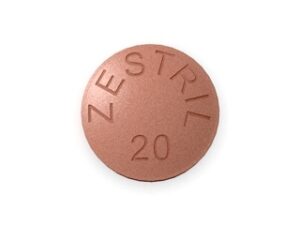



Calan (Verapamil) – Patient Information
Calan contains verapamil, a medicine used to treat certain heart and circulation conditions, and sometimes to prevent migraines. This guide explains how it works, how to take it safely, what to expect, and what to discuss with a healthcare professional.
This information is for general guidance. Your prescriber’s instructions and the patient information leaflet (PIL) supplied with your medicine are the most important reference for your personal care.
1. Basic product information
- Medicine name: Calan
- Active ingredient: Verapamil
- Group: Calcium channel blocker (non-dihydropyridine)
- Common forms (may vary by brand/product): Immediate-release and sustained/modified-release formulations
- Availability: Prescription-only in the UK for most uses (availability varies by formulation and indication)
Important: Different verapamil formulations are not always interchangeable. Always check that you have the correct strength and release type.
2. How Calan works (mechanism of action)
Verapamil works mainly by blocking calcium (Ca²⁺) entry into certain cells in the heart and blood vessels. This leads to several beneficial effects:
- Slows the heart rate by affecting electrical signalling in the heart’s conduction system.
- Reduces the heart’s workload by relaxing blood vessels and lowering resistance to blood flow.
- Helps prevent abnormal heart rhythms that depend on calcium pathways (for example, certain supraventricular tachycardias).
- May reduce the frequency of migraine attacks by influencing vascular and nerve pathways involved in migraine.
Because of its effects on heart rhythm and contraction strength, dose changes and medicine interactions should be handled carefully.
3. Pharmacokinetics (how the body handles verapamil)
Pharmacokinetics describes what the body does to the medicine. Key points include:
- Absorption: Verapamil is absorbed after swallowing, but the extent and speed depend on the formulation (immediate-release vs modified-release) and food.
- First-pass metabolism: Verapamil is extensively processed in the liver before reaching the bloodstream, meaning blood levels can vary between individuals.
- Distribution: It distributes throughout the body and binds to plasma proteins.
- Metabolism: Mainly by liver enzymes (notably CYP3A4 pathways).
- Elimination: Mainly as metabolites, and to a lesser extent unchanged drug, through the body.
- Half-life: The time taken for blood levels to reduce varies by formulation and individual factors; modified-release products generally provide steadier levels over the day.
Why this matters: The timing of doses, consistency in taking the same formulation, and avoiding interacting medicines can strongly influence effectiveness and safety.
4. Typical uses (indications)
In the UK, verapamil is used for several cardiovascular and related conditions. Typical indications include:
- Angina (stable angina): to reduce frequency of chest pain episodes in some patients.
- Hypertension (high blood pressure): to lower blood pressure in selected patients.
- Heart rhythm disorders (depending on diagnosis): such as certain supraventricular tachyarrhythmias (fast rhythms originating above the ventricles).
- Rate control in some rhythm conditions as advised by a clinician.
- Prevention of migraine: used as a preventive medicine for some adults and, in certain cases, adolescents (age and suitability depend on local guidance and patient factors).
Note: Exact suitability depends on the condition, formulation, and patient history (including heart function and other medications).
5. When and how to take Calan (timing and administration)
General timing
- Follow your dosing schedule exactly. If you take Calan once daily or twice daily, keep the same routine every day.
- Modified-release products: are designed to release medicine slowly. They usually need to be swallowed whole (or taken as directed) and not crushed or chewed unless the product specifically allows it.
- Immediate-release products: may be taken more than once per day based on your dose plan.
With or without food?
Food can influence verapamil absorption—especially for certain formulations. To keep levels steady:
- Take consistently: either with food each time or without food each time, unless your clinician/pharmacist advises otherwise.
- If you have been told a specific instruction (for example “with meals”), follow that guidance.
Missed dose
- If you miss a dose, take it when you remember unless it is close to your next dose.
- Do not double up to make up for the missed dose unless your clinician has instructed you to do so.
Stopping Calan
Do not stop verapamil suddenly without medical advice. In some conditions, stopping abruptly may worsen symptoms or rhythm control. Your clinician will advise a safe plan for discontinuation if needed.
6. Food interactions
Calan (verapamil) may interact with certain foods and drinks mainly by affecting absorption or blood levels. Common considerations in daily life include:
- Grapefruit and grapefruit juice: can increase verapamil levels in some people due to effects on liver enzymes and transporters. It is generally advisable to avoid grapefruit products unless your clinician says otherwise.
- Alcohol-containing mixers or drinks: may worsen side effects such as dizziness or low blood pressure.
- High-fat meals: may alter absorption timing for some formulations. Keep your routine steady to reduce variability.
If you are unsure about a specific diet change, speak to your pharmacist.
7. Alcohol and medicine interactions
Combining verapamil with alcohol can increase the risk of:
- Dizziness or light-headedness
- Low blood pressure
- Fainting (in severe cases)
- Sleepiness
Practical advice: If you drink alcohol, keep it modest and see how you respond after starting or changing your dose. Avoid binge drinking.
Medicines that can interact with verapamil include:
- Other heart medicines: beta-blockers, digoxin, antiarrhythmics—may increase risk of slow heart rate or conduction problems.
- Medicines that affect heart rhythm: some drugs that prolong the QT interval may increase risk of rhythm disturbances when combined (follow your clinician’s advice).
- Certain antibiotics/antifungals and antivirals: can raise verapamil blood levels (for example, macrolide antibiotics, some azoles, HIV antivirals).
- Medicines for seizures: some antiepileptics can reduce verapamil levels.
- Immunosuppressants: some can be affected by enzyme interactions.
- Statins: some types may be affected, increasing muscle-related risk—your clinician may adjust dose.
- Other blood pressure medicines: additive blood-pressure lowering can lead to dizziness.
- Nitrates: together can lower blood pressure more.
- Diuretics: can contribute to low blood pressure in combination.
Always tell a pharmacist or clinician about every medicine you take, including over-the-counter products and herbal remedies (for example, St John’s wort can affect metabolism).
8. Dosing: what to expect
Dose is individual and depends on your diagnosis, age, kidney/liver function, heart rhythm, and formulation. Therefore, the exact dose you receive may differ from the general ranges below.
| Condition (typical use) | How dosing is often approached | Key practical points |
|---|---|---|
| Angina | Starting dose is usually lower, then adjusted based on response and side effects. | Monitor for chest pain improvement and for side effects such as slower pulse or dizziness. |
| Hypertension | Dose may be adjusted gradually to reach a blood pressure target. | Check blood pressure at home if advised; report significant dizziness. |
| Supraventricular arrhythmias / rate control | Dose is tailored to achieve rhythm control and safe heart rate. | Because of effects on conduction, healthcare monitoring may be needed especially during initiation or changes. |
| Migraine prevention | Usually started with a lower dose and increased slowly if needed. | Benefit may take weeks; consistency is important. |
Important: Do not change your dose or switch between immediate-release and modified-release products without medical advice.
9. Safety profile: side effects and warning signs
Common side effects
Some people experience side effects, especially when starting treatment or increasing the dose. Commonly reported effects include:
- Dizziness or light-headedness
- Headache
- Flushing
- Constipation (a known effect of verapamil)
- Swelling of the ankles/feet (peripheral oedema)
- Feeling tired or weak
- Nausea
Serious side effects (seek urgent help)
Get urgent medical attention if you experience:
- Fainting, severe dizziness, or inability to stay awake
- Very slow heartbeat or symptoms of significant low heart rate (for example, marked weakness, breathlessness)
- Chest pain or worsening symptoms
- Severe shortness of breath or signs of fluid build-up (for example, rapidly worsening swelling)
- Allergic reaction: swelling of face/lips, rash with breathing difficulty
Constipation management tip
Constipation is common with verapamil. Practical measures may include:
- Increase fluid intake
- Include fibre (fruit, vegetables, whole grains)
- Consider an appropriate stool-softener or laxative option if suitable—ask a pharmacist, especially if you have other conditions or are taking other medicines
Who needs extra caution?
Tell your clinician/pharmacist if you have any of the following, as they may affect suitability or dosing:
- Known heart block or problems with heart conduction
- History of very slow heart rate
- Heart failure or reduced heart pumping function
- Low blood pressure (especially symptomatic)
- Liver disease (verapamil is metabolised in the liver)
- Use of multiple medicines that affect heart rate or rhythm
10. Practical use tips
- Know your formulation: Immediate-release vs modified-release products can have different schedules and instructions.
- Track your pulse and symptoms: if you feel unusually tired, dizzy, or faint, check your pulse if you can (and record symptoms to discuss).
- Stand up slowly: dizziness can occur, particularly at the start of treatment.
- Maintain regular dosing times: consistency helps steady blood levels.
- Stay hydrated and eat regularly: helps reduce light-headedness in some people.
- Keep an eye on constipation: address early rather than waiting for it to become severe.
- Carry an up-to-date medication list: useful during emergencies or hospital visits.
11. Alternative options (if verapamil isn’t suitable)
If verapamil is not effective, causes troublesome side effects, or is unsuitable due to interactions or heart rhythm issues, alternatives may include:
- Other calcium channel blockers: such as diltiazem or, in some hypertension/angina contexts, dihydropyridines (your clinician will decide based on the condition).
- Beta-blockers: for certain angina and rhythm situations.
- Other antiarrhythmics: depending on the type of rhythm problem.
- Hypertension treatments from different drug classes: ACE inhibitors, ARBs, thiazide-type diuretics, depending on your individual profile.
- Migraine preventive medicines: options may include beta-blockers, topiramate, amitriptyline, CGRP-related treatments, and other tailored therapies.
Important: Alternatives should be discussed individually—switching depends on diagnosis, comorbidities, and interactions.
12. UK market and legal context (what applies in the United Kingdom)
In the UK, verapamil-containing medicines are generally regulated and may be subject to prescribing requirements depending on the specific product and indication. Medicines are supplied via regulated pharmacy channels, and healthcare professionals may need to assess suitability—especially because verapamil can significantly affect heart rate and conduction.
Patient safety note: The UK has medicines regulation under the Medicines and Healthcare products Regulatory Agency (MHRA) and guidance from healthcare bodies. Product information (including strength, formulation, and directions) is provided in the medicine’s PIL and Summary of Product Characteristics (SmPC) for professionals.
Supply and pharmacy processes follow applicable UK legal and professional standards to ensure the correct medicine and dosing instructions are provided.
13. Recent guidance and monitoring considerations (high-level)
Clinical approaches can evolve as new evidence emerges. For verapamil, ongoing themes in current practice typically include:
- Careful assessment of heart rate and conduction before and after dose changes.
- Attention to drug–drug interactions, especially medicines that can raise verapamil levels.
- Formulation-specific instructions for modified-release products.
- Individualised migraine prevention plans, including evaluating effectiveness after an adequate trial period.
Your local healthcare team can advise what monitoring is appropriate for you.
14. Delivery and availability (online pharmacy information)
Online pharmacies in the UK typically provide convenient ordering and home delivery subject to availability, eligibility checks, and regulatory requirements. Availability may vary by:
- Strength and formulation (immediate-release vs modified-release)
- Stock levels at supplier pharmacies or wholesalers
- Safety/eligibility screening requirements
Delivery times: These vary by provider and location. At checkout, you should see expected dispatch and delivery estimates.
Packaging: Medicines are typically supplied in tamper-evident packaging with clear labelling and patient information.
Storage: Keep verapamil as directed on the packaging (often at room temperature, protected from excessive heat and moisture). Store out of sight and reach of children.
15. FAQ about Calan (verapamil)
1) How long does it take for Calan to work?
It depends on the reason you take it. For some heart-related symptoms, improvement may be noticed within days to weeks. For migraine prevention, it often takes several weeks to judge effectiveness, and benefits may build over time.
2) Can I stop taking Calan if I feel better?
Generally, no—do not stop without medical advice. Stopping suddenly can be unsafe for some conditions. If you have side effects or feel it’s not helping, speak to a pharmacist or clinician before making changes.
3) What should I do if I miss a dose?
Take it as soon as you remember if it is not close to the next dose. Otherwise, skip the missed dose and take the next one at the usual time. Do not take a double dose.
4) Can I drink alcohol while taking verapamil?
It’s best to keep alcohol to a minimum. Alcohol can increase dizziness and the risk of low blood pressure. If you drink, do so cautiously and avoid heavy drinking.
5) Are there foods I should avoid?
Grapefruit and grapefruit juice may increase verapamil blood levels in some people. Many people are advised to avoid grapefruit while taking verapamil. Take food consistently (with or without meals) to reduce variability.
6) Does Calan cause constipation?
Yes. Constipation is one of the more common side effects. Increasing fluids and fibre can help; consider speaking to a pharmacist about suitable options if it becomes troublesome.
7) Can I take it with other heart medicines?
Some combinations may be appropriate, but others can increase risk of slow heart rate or conduction problems. Tell your pharmacist about all medicines you take so they can check interactions.
8) What side effects mean I should seek urgent help?
Seek urgent medical attention for fainting, severe dizziness, chest pain, severe shortness of breath, or signs of a serious allergic reaction.
9) Is verapamil safe for everyone?
Not always. People with certain heart conduction problems, very slow pulse, significant low blood pressure, or significant liver impairment may need extra caution or a different treatment plan.
10) What should I do if I experience dizziness?
Sit or lie down, avoid driving or hazardous activities if you feel unsteady, and check your symptoms. If dizziness is severe or persistent, contact a healthcare professional for advice.
Final note: For the safest use of Calan (verapamil), keep a consistent routine, watch for key side effects (especially constipation and dizziness), and ensure your pharmacist and clinician know about all medicines and supplements you take.