Cefixime (Oral) – Patient-Friendly Guide (UK)
Cefixime is an oral antibiotic medicine used to treat certain bacterial infections. This guide explains what cefixime is, how it works, how the body handles it, what it’s used for, typical dosing approaches, practical tips for taking it, and important safety and interaction information for people in the United Kingdom.
Always follow the instructions provided with your medicine. If you are unsure whether cefixime is right for your specific infection, speak to a healthcare professional.
1) Basic product information
- Medicine name: Cefixime
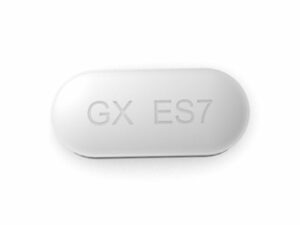
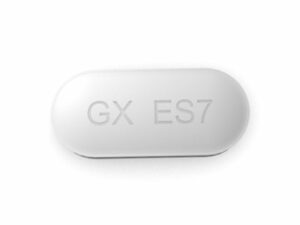
- Form: Tablets and/or oral suspension (depending on brand and strength)
- Antibiotic type: Cephalosporin (3rd generation)
- How it’s taken: By mouth
- Common strengths: Varies by product (e.g., 200 mg or 400 mg tablets; suspension strengths vary)
| Topic | What to know |
|---|---|
| Available formats in the UK | Oral tablets and oral suspension (brand-dependent) |
| Typical dosing frequency | Often 1–2 times daily depending on indication and product instructions |
| Antibiotic target | Bacterial infections (not viral infections like colds or flu) |
| Main precautions | Allergy history (especially cephalosporins/penicillins), kidney function, diarrhoea symptoms |
2) How cefixime works (mechanism of action)
Cefixime belongs to the cephalosporin class of antibiotics. It works by interfering with the way bacteria build and maintain their cell walls.
- Cell wall inhibition: Cefixime blocks bacterial enzymes (penicillin-binding proteins) involved in cell wall synthesis.
- Result: Without a properly formed cell wall, susceptible bacteria can’t survive and multiply, allowing your immune system to clear the infection.
Cefixime is effective against certain gram-negative bacteria and some gram-positive bacteria, depending on local resistance patterns. It is not a treatment for infections caused by viruses.
3) Pharmacokinetics (how your body processes cefixime)
Pharmacokinetics describes what the body does to a medicine—how it is absorbed, distributed, metabolised, and eliminated.
Absorption
Cefixime is absorbed from the gut after oral dosing. Absorption may be affected by food, although in many cases it remains sufficient for treatment.
Distribution
After absorption, cefixime distributes into body fluids and tissues in varying degrees. The medicine’s activity depends on achieving adequate concentrations at the site of infection.
Metabolism
Cefixime is not extensively metabolised in the body.
Elimination
Cefixime is primarily eliminated via the kidneys. This is why kidney function can be important for dosing decisions.
Half-life (general concept)
The medicine’s elimination half-life helps determine dosing intervals. Follow your product instructions and healthcare guidance.
4) Typical use in the UK (indications)
Cefixime is used for certain bacterial infections where it is considered appropriate by clinical guidelines and local resistance patterns. Indications can vary by product licence and individual patient factors.
Common infection types that may be considered for treatment with cefixime include:
- Uncomplicated infections of the urinary tract in situations where cefixime is suitable
- Respiratory tract infections caused by susceptible bacteria (e.g., some cases of bronchitis or other bacterial lower respiratory infections)
- Ear, nose, and throat (ENT) infections in selected bacterial cases
- Other bacterial infections where susceptibility and clinical assessment support the use of cefixime
Antibiotic selection should be based on the likely bacteria, patient history, severity, and susceptibility/resistance patterns. Do not use cefixime for viral illnesses.
5) When to take cefixime (timing and missed doses)
Taking cefixime at the right times helps maintain effective levels in the body.
Typical timing
- If prescribed once daily: take it at the same time each day.
- If prescribed twice daily: aim for roughly 12 hours between doses.
Missed dose
- If you remember soon after you should take it as soon as possible.
- If it’s nearly time for the next dose, skip the missed dose and take the next one at the usual time.
- Do not double up to make up for a missed dose.
Stopping early
Completing the recommended course helps reduce the risk of infection returning and helps limit the development of antibiotic resistance.
6) Food interactions and absorption
Cefixime can generally be taken with or without food, depending on the product. Food may slightly affect absorption, but it usually does not eliminate the effectiveness of the treatment.
- If your stomach is sensitive: taking cefixime with food may reduce nausea or stomach upset.
- Keep consistent: try to take it the same way each day (with or without food) to maintain routine.
If you are using an oral suspension, shake well and follow the instructions for measuring doses accurately.
7) Alcohol and medicine interactions
Alcohol
There is no universally required “no alcohol” rule for cefixime in standard references, but alcohol can worsen side effects such as stomach upset, dizziness, or diarrhoea.
- Best practice: limit or avoid alcohol during treatment, especially if you have gastrointestinal symptoms.
Interactions with other medicines
Several medicine interactions can be clinically relevant. Tell your healthcare professional or pharmacist about all medicines you take, including over-the-counter products, herbal supplements, and vitamins.
- Anticoagulants (blood thinners) such as warfarin: antibiotic treatment may increase the risk of bleeding in some people. Monitoring may be needed.
- Probenecid: may reduce renal clearance of some antibiotics and could affect cefixime levels.
- Other medicines that affect kidney function: since cefixime is cleared by the kidneys, kidney-related considerations may matter.
- Live bacterial vaccines: antibiotics can sometimes reduce effectiveness of certain live vaccines. Timing may need adjustment.
Important: This list is not exhaustive. If you have complex medication regimens or kidney disease, seek individual advice.
8) Dosing (adults and children) – general guidance
Dosing depends on the infection being treated, severity, age, and kidney function. Product licence recommendations can differ, so it is essential to follow the specific instructions for your medicine and your clinical situation.
General principles
- Strength matters: tablet and suspension strengths vary.
- Kidney function matters: if you have reduced kidney function, your prescriber/pharmacist may reduce the dose or adjust the interval.
- Body weight matters for children: paediatric dosing often uses weight-based calculations.
Typical dosing schedules (illustrative, not a substitute for instructions)
In many UK product instructions, cefixime regimens may be set as daily dosing (often once or twice daily), with maximum daily doses depending on the indication.
| Population | Typical approach (general) | Key points |
|---|---|---|
| Adults | Often once or twice daily | Exact dose depends on infection type and severity |
| Children | Often weight-based dosing, frequently once daily or split dosing | Use measured doses for suspensions; confirm strength |
| Kidney impairment | Dose adjustment may be needed | Discuss kidney function history with a healthcare professional |
Tip: If you’re using a suspension, ensure you measure correctly with the provided oral syringe or measuring device. Don’t estimate by household spoons.
9) Safety profile and when to seek help
Like all antibiotics, cefixime can cause side effects. Many are mild and improve as your body adjusts. However, some symptoms require prompt medical advice.
Common side effects
- Diarrhoea
- Nausea or stomach discomfort
- Headache
- Rash
- Vaginal yeast infection symptoms (in some people)
Serious or urgent symptoms (seek medical advice promptly)
- Signs of allergic reaction: swelling of face/lips, wheezing, severe rash, or difficulty breathing
- Severe or persistent diarrhoea, especially if watery or bloody (may indicate antibiotic-associated colitis)
- Yellowing of the skin/eyes (jaundice) or severe fatigue with abnormal liver symptoms
- Severe skin reactions: blistering, peeling, or widespread rash
If symptoms are severe or rapidly worsening, urgent assessment is recommended.
Allergy considerations
Cefixime is a cephalosporin. People with a history of allergy to cephalosporin antibiotics, or severe reactions to beta-lactam antibiotics, should be cautious. Cross-reactions with penicillins can occur in some individuals.
Pregnancy and breastfeeding
The use of cefixime during pregnancy or while breastfeeding depends on clinical circumstances. Speak to a healthcare professional for individual advice. If you are pregnant, trying to conceive, or breastfeeding, make sure your clinician knows.
10) Practical use tips (making treatment easier)
- Set reminders: use phone alarms to maintain consistent dosing times.
- Stay hydrated: especially if you experience diarrhoea or reduced appetite.
- Protect your stomach: taking with food can help reduce nausea.
- For suspensions: shake well before use, measure accurately, and follow storage instructions on the label.
- Don’t share medicine: antibiotics are selected for a specific infection and person.
- Monitor symptoms: you may start feeling better within a few days, but the course should still be completed.
If you don’t start to improve after a few days, or if symptoms worsen, seek clinical advice—your infection may not be sensitive to cefixime or may need different management.
11) When cefixime may not be suitable
Cefixime may be less suitable or require special caution in certain situations:
- Known allergy to cefixime or other cephalosporins
- History of severe allergic reactions to beta-lactam antibiotics (penicillins/cephalosporins)
- Significant kidney impairment without dose adjustment
- Active severe gastrointestinal conditions (discuss with a clinician)
- Infections likely to be viral (antibiotics will not help and may cause avoidable side effects)
12) Alternative options (discuss with a clinician)
Alternative antibiotics may be considered depending on the infection, suspected bacteria, local resistance patterns, and patient factors (including allergy history and kidney function). Alternatives can include different classes such as:
- Other cephalosporins
- Penicillin-based antibiotics (if appropriate and if not contraindicated)
- Macrolides or other classes (for certain infections or resistant bacteria)
The best choice depends on the individual case. If cefixime was ineffective or poorly tolerated, a healthcare professional can advise whether an alternative is more suitable.
13) Market and legal context in the United Kingdom
In the UK, antibiotics are regulated medicines. Healthcare professionals and pharmacy services follow national and local antimicrobial stewardship approaches designed to reduce inappropriate antibiotic use and help combat antibiotic resistance.
Cefixime availability online may depend on the product licence, stock status, and legal requirements for pharmacy supply. You may also be asked screening questions to ensure safe use, especially regarding allergy history, kidney function, and other medicines.
Recent UK guidance (overview)
UK antibiotic use is guided by evidence-based clinical recommendations and antimicrobial stewardship. Current practice emphasises:
- Using antibiotics only when they are likely to be beneficial
- Choosing the narrowest appropriate antibiotic whenever possible
- Considering local resistance patterns
- Reassessing treatment if there’s no improvement
For up-to-date advice, clinicians commonly refer to national guidance such as those issued by professional bodies and health services, as well as local antimicrobial formularies.
14) Delivery and availability (online pharmacy)
Availability can vary based on brand, formulation (tablets vs suspension), strength, and current demand.
- Dispatch times: may vary depending on whether items are in stock.
- Delivery options: standard and/or tracked delivery may be offered.
- Packaging: medicines should arrive in tamper-evident packaging where applicable.
- Storage: keep tablets/suspensions as directed on the product label (temperature, light protection, and for suspensions, any refrigeration requirements if specified).
If you need a specific formulation (for example, suspension for children), confirm the strength and dosing device included before ordering.
15) FAQ – Frequently asked questions
Is cefixime effective for all infections?
No. Cefixime works against bacterial infections caused by susceptible organisms. It does not treat viral infections such as colds, flu, or most sore throats caused by viruses.
How long does it take to start working?
Many people start to feel improvement within a few days. If your symptoms do not improve, worsen, or you develop new symptoms, seek medical advice.
Can I take cefixime with food?
Generally, yes. Food may affect absorption slightly, but cefixime is usually taken with or without food depending on what suits your stomach best. Follow the instructions on your product label.
What if I miss a dose?
Take it when you remember if it’s not close to the next dose. If the next dose is near, skip the missed dose. Do not take a double dose.
What should I do if I get diarrhoea?
Mild diarrhoea can occur with antibiotics. Drink fluids and monitor symptoms. However, seek urgent advice if diarrhoea is severe, persistent, watery, bloody, or associated with fever or significant abdominal pain.
Can I drink alcohol while taking cefixime?
It’s best to limit or avoid alcohol during treatment, especially if you have stomach upset or diarrhoea. Alcohol may make side effects worse.
Are there any medicine interactions I should know about?
Possible interactions include anticoagulants such as warfarin and medicines such as probenecid. Always inform your pharmacist or healthcare professional about all medicines and supplements you use.
What if I have kidney disease?
Because cefixime is eliminated by the kidneys, kidney disease may require dose adjustment. Tell your healthcare professional/pharmacist about your kidney function and any history of renal impairment.
Can cefixime be used in children?
Cefixime dosing in children is usually based on age and weight and depends on the specific product formulation. Use the correct strength and measure suspension doses accurately.
What happens if I stop early?
Stopping early can lead to symptoms returning and can increase the chance of treatment failure. Unless advised otherwise, complete the course as directed.
16) Summary
Cefixime is an oral cephalosporin antibiotic used for certain bacterial infections. It works by stopping bacteria from forming their cell walls. It is absorbed after oral dosing, largely cleared by the kidneys, and may be taken with or without food. Like all medicines, it can cause side effects and can interact with other drugs. If you experience signs of allergy or severe diarrhoea, seek prompt medical advice.
If you have questions about whether cefixime is appropriate for your symptoms, the correct dose for your age/weight, or safe use with other medicines, speak to a healthcare professional or pharmacist.