

Celebrex (Celecoxib) – Patient-Friendly Guide (UK)
Celebrex contains celecoxib, a medicine in the group known as NSAIDs (non-steroidal anti-inflammatory drugs). It is used to reduce pain and inflammation, and may help relieve symptoms of several long-term conditions and some short-term painful problems.
This guide explains how Celebrex works, how it is taken, what to expect, and key safety information for people in the United Kingdom. Always read the Patient Information Leaflet provided with your medicine and follow advice from a healthcare professional.
1) Basic product information
- Active ingredient: Celecoxib
- Brand name: Celebrex
- Medicine type: NSAID (COX-2 selective)
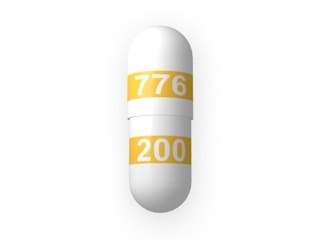
- Forms: Typically available as capsules in different strengths (e.g., 100 mg, 200 mg). Availability may vary by supplier.
- How it is supplied: Usually supplied in blister packs or bottles.
- Common uses in adults: Osteoarthritis, rheumatoid arthritis, ankylosing spondylitis, and acute pain/inflammation in selected indications.
Note: Strength, dosing frequency, and suitable uses depend on the condition being treated and your personal medical history.
2) How Celebrex works (mechanism of action)
Inflammation and pain often involve chemicals called prostaglandins, which are produced by enzymes known as COX enzymes (cyclo-oxygenase). There are two main forms: COX-1 and COX-2.
Celecoxib is a selective COX-2 inhibitor. By blocking COX-2 activity, it can reduce the formation of prostaglandins that contribute to pain, swelling, and inflammation.
Because it targets COX-2 more than COX-1, Celebrex may have a different side-effect profile than non-selective NSAIDs. However, it still carries NSAID-related risks, especially for the stomach, kidneys, and the cardiovascular system.
3) Pharmacokinetics (how your body handles it)
Pharmacokinetics describes how the body absorbs, distributes, metabolises, and eliminates a medicine. For celecoxib, the key points include:
- Absorption: Celecoxib is absorbed after taking it by mouth, and peak blood levels generally occur after a few hours.
- Distribution: It distributes into body tissues and binds to plasma proteins.
- Metabolism: It is mainly metabolised by the liver (primarily via CYP2C9).
- Elimination: Metabolites are cleared mainly through the liver and kidneys.
- Half-life: The medicine has a duration long enough to support once- or twice-daily regimens, depending on indication.
Your liver function, kidney function, age, and other medicines can all affect how Celebrex behaves in your body. Dose adjustments may be needed for some people.
4) Typical uses and indications (what it treats)
In the United Kingdom, celecoxib is commonly used for:
- Osteoarthritis (OA): Pain and inflammation in joints affected by wear-and-tear.
- Rheumatoid arthritis (RA): Inflammatory joint disease.
- Ankylosing spondylitis (AS): An inflammatory condition affecting the spine and large joints.
- Short-term acute pain/inflammation: Depending on product licensing and clinical assessment, it may be used for selected acute painful conditions.
The best choice of NSAID depends on your risks (heart, stomach, kidneys), existing conditions, and current medicines.
5) Timing: when to take Celebrex and how long it takes to work
How to take it
- Take Celebrex at the times recommended for your condition.
- Swallow capsules with water. Try to take doses at regular intervals.
- Do not take more capsules than advised.
When you may feel benefits
For many people, pain relief may begin within the first day, while longer-term benefits—especially for arthritis—may become clearer over days to a few weeks.
Missed dose
If you miss a dose, take it when you remember unless it is close to the next dose. Do not take a double dose to make up for a missed one.
6) Food interactions: taking it with meals
Celecoxib can generally be taken with or without food. Taking it with food may help some people reduce stomach discomfort.
- If you get indigestion: consider taking it with a meal or after food (unless your healthcare professional advises otherwise).
- Avoid overcompensation: do not take extra doses to “catch up.”
- Alcohol may worsen stomach irritation (see below).
Specific dietary restrictions are usually not required, but you should maintain good hydration, especially if you are taking a diuretic or have kidney risk factors.
7) Alcohol and medicine interactions
Alcohol
It is best to limit alcohol while taking NSAIDs, including Celebrex. Alcohol can increase the risk of stomach irritation and bleeding and may worsen some side effects.
Practical advice
- Avoid heavy drinking.
- If you have a history of stomach ulcers, bleeding, or gastritis, keep alcohol to a minimum and seek medical advice.
Medicine interactions (important)
Celecoxib can interact with several medicines. The following are common interaction categories—always check your medication list with a healthcare professional or pharmacist:
| Medicine / category | Potential interaction | What to consider |
|---|---|---|
| Other NSAIDs (e.g., ibuprofen, naproxen) | Higher risk of stomach, kidney, and bleeding complications | Avoid combining unless specifically advised |
| Low-dose aspirin | May increase bleeding risk; aspirin may be needed for heart protection | Do not stop aspirin without medical advice |
| Anticoagulants (e.g., warfarin) | Increased bleeding risk | May require closer monitoring |
| Antiplatelets (e.g., clopidogrel) | May increase bleeding risk | Discuss risk before starting |
| SSRIs/SNRIs (e.g., sertraline, venlafaxine) | Increased bleeding risk in some people | Seek advice if you notice unusual bruising/bleeding |
| Diuretics (e.g., furosemide, hydrochlorothiazide) | Kidney strain risk, especially if dehydrated | Maintain hydration; monitor kidney function if needed |
| ACE inhibitors / ARBs (e.g., lisinopril, losartan) | Possible reduced kidney function risk | May require dose adjustment and monitoring |
| Corticosteroids (e.g., prednisolone) | Increased risk of stomach ulcer/bleeding | Discuss gastroprotection options if relevant |
| Digoxin | Possible changes in digoxin levels | May require monitoring |
| Lithium | Possible increased lithium levels | May require blood level checks |
| Methotrexate | Possible increased methotrexate toxicity | Close monitoring is often needed |
| Cytochrome P450 interactions (notably CYP2C9) | Can raise or lower celecoxib levels | Examples include some antifungals and certain antibiotics—check with a pharmacist |
| Potassium-sparing diuretics | Risk of high potassium | May require monitoring |
If you are taking multiple medicines, it helps to keep an up-to-date list and review it with a pharmacist, especially before starting celecoxib or changing dose.
8) Dosing: typical adult regimens and key principles
Dosing depends on the condition, severity of symptoms, risk factors, and kidney/liver function. Always follow the dosing information on the label and the advice provided with your medicine.
General principles include:
- Use the lowest effective dose for the shortest duration needed to control symptoms.
- Do not exceed the maximum daily dose specified for your particular product and indication.
- Older adults or people with certain risk factors may require lower starting doses.
Common dosing patterns (examples)
The precise regimen is product- and indication-dependent. Typical patterns in adult practice often include:
- Osteoarthritis: often taken once or twice daily depending on strength and local guidance.
- Rheumatoid arthritis: often taken in divided doses (once or twice daily) based on response.
- Ankylosing spondylitis: often taken in divided doses based on response.
Your prescriber/pharmacist may adjust dosing. If you are unsure, check the label or ask a pharmacist.
Important: Celecoxib may not be suitable for everyone. People with certain cardiovascular risks, history of stomach bleeding, significant kidney problems, or certain liver issues may require alternative treatment or extra caution.
9) Safety profile: who should be cautious and warning signs
Like all NSAIDs, Celebrex can cause side effects. Many people tolerate it well, but serious adverse effects can occur, particularly in higher doses or long-term use. The information below is designed to help you recognise risks early.
Common side effects
- Indigestion, heartburn, abdominal discomfort
- Nausea
- Headache
- Swelling (fluid retention), especially in people sensitive to fluid balance changes
- Raised blood pressure in some individuals
Serious warning signs – seek urgent medical help
Contact urgent care or emergency services if you develop:
- Signs of stomach or gut bleeding such as black/tarry stools, vomiting blood, or severe persistent stomach pain
- Allergic reactions such as facial swelling, wheezing, severe rash, or trouble breathing
- Chest pain, sudden breathlessness, or weakness on one side (possible cardiovascular event or stroke)
- Sudden severe skin reactions (e.g., blistering or widespread rash)
- Signs of kidney problems such as decreased urine output, unusual swelling, or persistent fatigue
- Yellowing of eyes/skin or dark urine (possible liver issues)
People who may be at higher risk
- Those with a history of stomach ulcers or GI bleeding
- People with heart disease, prior stroke, or significant cardiovascular risk factors
- Those with kidney impairment, dehydration, or conditions affecting kidney blood flow
- People taking medicines that increase bleeding risk (anticoagulants, antiplatelets, certain antidepressants)
- Older adults (risk often increases with age)
- People with significant liver impairment
If you have any of the above risk factors, discuss your suitability with a clinician and ensure you understand monitoring needs.
10) Practical use tips (getting the best and safest results)
- Use the lowest effective dose: If symptoms improve, ask whether dose reduction is appropriate.
- Stay hydrated: especially if you’re older or taking diuretics.
- Watch for stomach symptoms: indigestion is common, but severe pain, black stools, or vomiting blood are not.
- Avoid “stacking” NSAIDs: do not take ibuprofen/naproxen alongside Celebrex unless advised.
- Keep blood pressure in mind: NSAIDs may raise blood pressure—check if you have hypertension.
- Consider gastroprotection: for some people at higher stomach-risk, clinicians may suggest additional medicines (not suitable for everyone).
- Review interactions: check with a pharmacist if you start new medicines, including herbal supplements.
- Follow up if symptoms persist: if pain or inflammation is not controlled, seek advice rather than increasing dose yourself.
11) Alternative options (if Celebrex isn’t suitable)
Alternatives depend on what you are treating, your health history, and your risk profile. Possible options include:
Other anti-inflammatory medicines
- Non-selective NSAIDs (e.g., ibuprofen, naproxen, diclofenac) – may carry higher stomach/GI risk for some people.
- Other COX-2 inhibitors (where available) – may be considered in certain cases.
Pain-relief options
- Paracetamol may help some types of pain, particularly when inflammation is mild.
- Topical treatments (e.g., topical NSAIDs) can benefit some joint complaints with potentially lower whole-body exposure.
Non-medicine approaches
- Physiotherapy and exercise to support joint function
- Weight management where relevant
- Heat/cold therapy for symptom control
- Assistive devices and activity modification
Your pharmacist can help compare options, including safety differences, and guide you to the most suitable approach.
12) UK market and legal context (what to expect when buying medicines)
In the United Kingdom, medicines are regulated by the Medicines and Healthcare products Regulatory Agency (MHRA) and authorised products are supplied through appropriate channels. Online pharmacies must operate within UK legal frameworks, including requirements for pharmacy registration and safe supply processes.
For medicines like celecoxib, availability can depend on licensing, stock levels, and patient suitability. To support safe use, reputable online pharmacies typically provide clear product information, dosing guidance, and safety warnings, and may require checks to confirm appropriateness.
Important: Always ensure you are receiving a genuine, UK-compliant product from a registered supplier.
Recent guidance and safety focus (general)
Healthcare guidance for NSAIDs commonly emphasises:
- Using the lowest effective NSAID dose for the shortest necessary duration
- Assessing cardiovascular and gastrointestinal risk before and during treatment
- Considering gastroprotection for people at higher risk of ulcers or bleeding
- Monitoring kidney function and hydration status, particularly in older adults or those with kidney risk
- Reviewing interactions with anticoagulants, antiplatelets, and other medicines that can affect bleeding or kidney function
Guidance may vary for different patients. A healthcare professional can tailor recommendations to your specific circumstances.
13) Delivery and availability (UK online pharmacy)
Availability and dispatch times can vary depending on the supplier, stock position, and postcode coverage. Many UK online pharmacies offer:
- Secure packaging to protect capsules and maintain privacy
- Tracking for orders where available
- Standard or next-day delivery options (subject to eligibility and cut-off times)
- Clear product labelling showing strength and expiry information
If you need Celebrex urgently or are managing a condition that cannot be interrupted, contact customer support to confirm dispatch timelines. Do not use expired medicines.
14) FAQ (Frequently Asked Questions)
Is Celebrex the same as celecoxib?
Yes. Celebrex is a brand name and celecoxib is the generic (active ingredient) name. The medicine works the same way because the active ingredient is the same.
How quickly does Celebrex work?
Many people notice pain relief within the first day. For conditions like osteoarthritis or rheumatoid arthritis, improved symptom control may build over several days to weeks, depending on the condition and dose.
Can I take Celebrex with food?
Generally, yes. Taking it with food may help reduce stomach discomfort. Follow the instructions on your product label.
Should I avoid ibuprofen or naproxen while taking Celebrex?
In most cases, you should avoid taking other NSAIDs at the same time, unless a healthcare professional advises otherwise. Combining NSAIDs can increase the risk of stomach bleeding and kidney problems.
Can I drink alcohol while using Celebrex?
It’s best to limit alcohol. Alcohol can increase the risk of stomach irritation and bleeding. If you drink, do so moderately and stop if you experience stomach pain or other concerning symptoms.
What should I do if I miss a dose?
Take it when you remember unless it is nearly time for the next dose. Do not take a double dose.
Who should be especially careful with Celebrex?
People with history of ulcers or GI bleeding, cardiovascular disease or stroke risk, kidney impairment, dehydration, or those taking anticoagulants/antiplatelets should be particularly cautious and should seek personalised advice.
What are the signs of a serious side effect?
Seek urgent help for symptoms such as black/tarry stools, vomiting blood, severe allergic reactions, chest pain, sudden breathlessness, weakness on one side, blistering rash, marked reduction in urine, or yellowing of the skin/eyes.
Are there alternatives if Celebrex doesn’t help?
Yes. Options may include other NSAIDs, topical therapies, paracetamol, and non-medicine strategies such as physiotherapy. The best alternative depends on your condition and risk factors.
How long can I take Celebrex?
Some people take it for longer periods (e.g., chronic arthritis), while others use it short-term. In general, NSAIDs are used for the lowest effective duration. Discuss duration with a healthcare professional.
15) Summary
Celebrex (celecoxib) is a COX-2 selective NSAID used to treat conditions such as osteoarthritis, rheumatoid arthritis, and ankylosing spondylitis. It works by reducing prostaglandin production, helping relieve pain and inflammation. While it can be effective, it also carries potential risks—especially to the stomach, kidneys, and cardiovascular system.
For safe use in the UK, follow the dosing instructions on the label, avoid combining with other NSAIDs unless advised, limit alcohol, and seek urgent help if you notice warning signs such as bleeding or severe allergic reactions.