Voltaren (Diclofenac) – Patient Guide (UK)
Voltaren is a brand name for diclofenac, a well-known anti-inflammatory medicine used to relieve pain and inflammation. This guide explains how Voltaren works, how it is typically used in the UK, what to expect, and important safety information. Always follow the instructions on the pack or those given by your healthcare professional.
Basic product information
Voltaren contains diclofenac, which belongs to the group of medicines called NSAIDs (non-steroidal anti-inflammatory drugs). Voltaren products are available in several forms, most commonly:
- Voltaren Emulgel (diclofenac gel) – applied to the skin for localised aches and pains
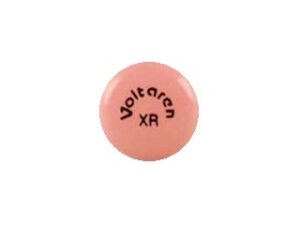
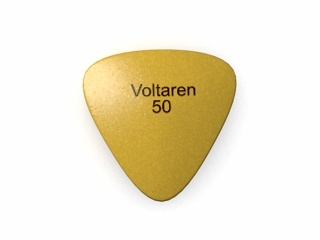
- Voltaren tablets / gastro-resistant tablets (diclofenac by mouth) – for pain and inflammation throughout the body
- Voltaren suppositories (diclofenac) – an alternative for some people
Availability varies by strength and formulation. Your UK pharmacist can help you choose the most suitable option.
How Voltaren works (mechanism of action)
Diclofenac works by reducing the production of chemicals called prostaglandins. Prostaglandins contribute to:
- Pain (making nerves more sensitive)
- Inflammation (swelling, redness, heat)
- Stiffness
NSAIDs like diclofenac achieve this by blocking an enzyme called COX (cyclo-oxygenase). This helps to reduce inflammation and relieve pain.
Pharmacokinetics (how the body handles diclofenac)
“Pharmacokinetics” describes absorption, distribution, metabolism, and elimination. The exact pattern depends on the formulation:
- Diclofenac gel (topical): A smaller amount enters the bloodstream compared with tablets. Most benefit is local at the skin and nearby joints/tissues.
- Oral diclofenac: Diclofenac is absorbed from the gut. Gastro-resistant forms are designed to reduce stomach irritation by protecting the medicine from stomach acid.
After absorption, diclofenac is metabolised mainly in the liver and eliminated mostly via the kidneys (with some routes through bile). The half-life (time for blood levels to fall by half) is typically a few hours, though it can vary between people.
Important: Because diclofenac can affect the stomach, kidneys, and cardiovascular risk, the safest choice depends on your medical history and other medicines.
Typical uses in the UK
Voltaren is used to relieve pain and inflammation caused by a range of conditions, including:
- Muscle and joint pain (e.g., sprains and strains)
- Back pain (painful inflammation and stiffness)
- Sports injuries and minor strains
- Arthritis-related pain (such as osteoarthritis flare-ups, depending on the formulation and severity)
- Rheumatic conditions (usually with oral products under appropriate guidance)
- Localized pain where a topical gel may help (e.g., hands, knees, elbows, soft-tissue aches)
For the most accurate indication, check your specific product’s pack information.
Indications (when Voltaren may be suitable)
Voltaren diclofenac may be indicated for relief of:
- Inflammatory pain (pain associated with inflammation)
- Pain and stiffness related to degenerative joint disease
- Localised soft-tissue injuries (often treated with topical gel)
- Short-term pain episodes in eligible adults, depending on product type
If you have a long-term condition, recurrent flare-ups, or uncertain symptoms (e.g., sudden severe joint pain), seek advice to ensure the medicine matches the cause.
When to take it: timing and routine
Timing depends on the formulation and the reason you are taking Voltaren.
- Topical gel: Usually applied several times daily according to the pack instructions (commonly 2–4 times daily depending on strength).
- Oral diclofenac (tablets): Often taken with food (or after food) unless your product guidance says otherwise, to help reduce stomach irritation.
- Gastro-resistant tablets: Swallow whole with water; do not crush unless your pack instructs you to.
For ongoing symptoms, do not use longer than recommended on the pack without medical review.
Food interactions
Food can influence how comfortable and how well oral diclofenac is tolerated. In general:
- Taking diclofenac with meals may help reduce stomach upset.
- Gastro-resistant products are designed to be gentler on the stomach, but they still carry NSAID-related risks.
Topical gel has no significant “food” interaction in the usual sense, because systemic absorption is much lower than oral use.
Alcohol interactions
Alcohol can increase the risk of stomach irritation and bleeding when combined with NSAIDs. If you choose to drink:
- Limit alcohol and avoid binge drinking.
- Avoid using diclofenac and alcohol at the same time if you have a history of stomach ulcers or GI bleeding.
If you develop symptoms such as black/tarry stools, vomiting blood, or severe stomach pain, seek urgent medical attention.
Medicine interactions (important)
Diclofenac may interact with other medicines. Before using Voltaren, consider interactions especially with:
- Other NSAIDs (e.g., ibuprofen, naproxen, aspirin for pain) – increases risk of side effects
- Anticoagulants (e.g., warfarin) and antiplatelet medicines (e.g., clopidogrel) – may increase bleeding risk
- Corticosteroids – may increase GI side effects
- SSRIs/SNRIs (antidepressants such as sertraline, citalopram, venlafaxine) – can increase bleeding risk
- Diuretics (water tablets) – may affect kidney function
- ACE inhibitors / ARBs (blood pressure medicines such as lisinopril, ramipril, losartan, valsartan) – may affect kidney function
- Lithium – levels may rise
- Methotrexate – risk of increased toxicity
- Digoxin – levels may rise
If you take multiple medicines or have chronic kidney, heart, or stomach problems, ask a pharmacist for advice before starting Voltaren.
Dosing (how much to use)
Dose depends on the product strength and route (gel vs tablets). Always follow the instructions on the pack. Below are general UK-style guidance ranges; your specific product may differ.
| Formulation | Typical use (general) | Frequency | Key points |
|---|---|---|---|
| Voltaren Emulgel (topical) | Apply to the painful area | Often 2–4 times daily (check pack) | Wash hands after use (unless treating the hand). Use the measured amount on the pack guidance. |
| Diclofenac tablets / gastro-resistant tablets | Swallow with water | Often 1–3 times daily depending on strength (check pack) | Take with food if advised. Do not exceed maximum daily dose on the pack. |
| Suppositories | Rectal administration | Varies by strength (check pack) | Use according to pack instructions and consider hygiene precautions. |
Do not combine Voltaren with other NSAIDs unless advised. If you miss a dose, do not take a double dose—continue with your next scheduled dose.
Practical use tips (to get the best effect)
For Voltaren gel (topical)
- Apply to clean, dry skin and massage gently.
- Avoid broken skin, open wounds, or infected areas.
- Wash hands after application (unless treating your hands).
- Don’t cover tightly with non-breathable bandages unless instructed.
- Be consistent: use at the recommended times for a short period; reassess if there’s no improvement.
For oral Voltaren (tablets)
- Take with food if your pack suggests it or if you find it helps prevent stomach upset.
- Follow the maximum dose on the pack.
- Stay hydrated and avoid dehydration (important for kidney safety).
- Use the lowest effective dose for the shortest time needed.
Safety profile (who should take extra care)
Like all NSAIDs, diclofenac can cause side effects. Many people tolerate it well when used correctly, but risks can be higher in certain situations. Pay close attention to the following safety points.
Common side effects
- Stomach discomfort, indigestion, nausea (more relevant to tablets)
- Headache
- Skin reactions at the application site (for gel), such as redness or mild irritation
Serious side effects: seek urgent advice
Stop use and seek urgent medical attention if you experience:
- Signs of gastrointestinal bleeding: black/tarry stools, vomiting blood, severe stomach pain
- Allergic reactions: swelling of the face/lips, wheezing, severe rash or difficulty breathing
- Breathing problems especially if you have asthma that worsens with NSAIDs
- Chest pain, sudden weakness, or shortness of breath (possible cardiovascular symptoms)
- Severe rash or skin peeling
- Reduced urination or swelling (possible kidney issues)
People at higher risk
Extra caution is important if you:
- Have a history of stomach ulcers or gastrointestinal bleeding
- Have significant heart disease, previous stroke, or risk factors (e.g., uncontrolled hypertension)
- Have kidney disease or dehydration
- Have asthma triggered by NSAIDs
- Take medicines that raise bleeding risk (e.g., anticoagulants, antiplatelets, certain antidepressants)
Pregnancy: NSAIDs are generally not recommended later in pregnancy. If you are pregnant or trying to conceive, check with a pharmacist/clinician before using diclofenac.
Market and legal context in the United Kingdom
In the UK, access to medicines is regulated to protect patient safety. The availability of Voltaren products depends on:
- Product form (topical gels vs oral tablets)
- Strength and intended duration of use
- Whether the specific product is classified for sale as an OTC (over-the-counter) item or requires professional assessment
UK pharmacies follow governing guidance from medicines regulators and professional bodies. Safety information on the pack and patient leaflets is designed to help people use diclofenac appropriately and recognise when to seek help.
Recent guidance (UK-focused overview)
NSAIDs—including diclofenac—have an ongoing safety focus. Key themes in UK guidance and regulatory communications typically include:
- Lowest effective dose for the shortest time
- Careful assessment for people with heart, stomach, or kidney risk
- Avoiding combination with other NSAIDs
- Recognising GI bleeding and cardiovascular warning signs
- Extra caution with interacting medicines (anticoagulants, steroids, SSRIs/SNRIs, etc.)
Always check the leaflet for your specific product for the most current instructions and warnings.
Delivery and availability (UK)
Voltaren diclofenac products are commonly available through UK pharmacies, including online. Availability depends on local stock and the specific formulation (e.g., gel vs oral).
- Typical availability: Gel products and smaller pack sizes are often widely stocked.
- Delivery: Many UK online pharmacies offer standard and express delivery options. Delivery times can vary based on your postcode and stock.
- Packaging: Medicines are dispatched in protective packaging with patient information included.
Check the product page for current stock status, delivery options, and estimated delivery dates.
Alternative options
If Voltaren (diclofenac) isn’t suitable—due to allergies, side-effect risk, or interactions—there are other approaches for pain and inflammation. Alternatives include:
Other NSAIDs (topical or oral)
- Ibuprofen (e.g., tablets, gel where available)
- Naproxen (availability depends on formulation and guidance)
Non-NSAID pain relief
- Paracetamol for pain (does not reduce inflammation in the same way as NSAIDs)
- Topical options such as cooling gels or counter-irritants (may help mild aches)
Non-medicine options
- Rest and gradual return to activity
- Heat or ice therapy (depending on the injury type)
- Gentle mobility exercises and physiotherapy advice
Your best choice depends on the cause of pain, your medical history, and which medicines you already take.
FAQ
1) Is Voltaren the same as diclofenac?
Yes. Voltaren is a brand name that contains diclofenac. Different Voltaren products may be available as gel, tablets, or other forms.
2) Can I use Voltaren gel and tablets together?
It’s sometimes possible, but combining topical and oral diclofenac can increase total exposure and related risks. Avoid combining with other NSAIDs and speak to a pharmacist if you are considering both.
3) How quickly does Voltaren work?
Many people notice improvement within the first few days. Topical gel may help local pain fairly quickly, while oral tablets typically provide relief within hours. If you see no improvement, stop and seek advice.
4) What should I do if I forget a dose?
Take it when you remember unless it’s close to the time of the next dose. Do not take a double dose to make up for a missed one.
5) Who should avoid diclofenac?
People with certain allergy histories, NSAID-triggered asthma, active stomach ulcer/bleeding, or significant kidney problems may need to avoid diclofenac. If you’re unsure, check with a pharmacist.
6) Can I drive or operate machinery?
Diclofenac is not usually associated with significant drowsiness. However, if you feel dizzy or unwell after taking it, avoid driving and seek advice.
7) Is Voltaren safe for long-term use?
Long-term NSAID use can increase the risk of stomach, kidney, and cardiovascular side effects. If symptoms persist, discuss ongoing management with a healthcare professional.
8) What signs mean I should stop and get help?
Stop using Voltaren and seek urgent medical attention if you experience symptoms of allergic reaction, severe stomach pain or bleeding, chest pain, shortness of breath, fainting, or severe rash.
9) Does Voltaren gel have to be applied daily?
Use the frequency stated on your pack. Many gel products are designed for repeated application over several days depending on symptom severity.
10) Can I take Voltaren with other painkillers?
Paracetamol is often considered compatible for pain relief. However, avoid taking diclofenac together with other NSAIDs (e.g., ibuprofen, naproxen, or aspirin for pain) unless specifically advised.
Reminder: This information is intended to help you understand Voltaren (diclofenac). Always read the patient leaflet and follow the directions on your specific product. If you have concerns about interactions, side effects, or suitability, speak to a pharmacist.