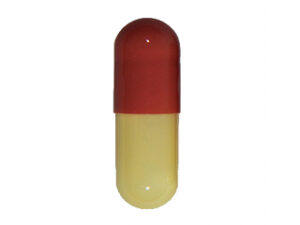


Chloromycetin (Chloramphenicol) – Patient Information (UK)
Chloromycetin is the brand name commonly associated with the antibiotic chloramphenicol. It has been used for decades to treat certain bacterial infections, particularly where other antibiotics may not be suitable. Because chloramphenicol can cause serious side effects in some situations, it is important to use it carefully and only when appropriate.
This page explains what Chloromycetin is, how it works, how it behaves in the body, common uses, how to take it, key safety information, and practical tips. It also includes information relevant to availability and healthcare in the United Kingdom.
Key Product Information
- Active ingredient: Chloramphenicol
- Brand name: Chloromycetin
- Type: Antibiotic (chloramphenicol)
- Common formulations: Oral formulations, eye/ear preparations and topical forms are available in different markets. Availability may vary.
- Used for: Specific bacterial infections depending on local guidance and organism sensitivity.
Note: Specific products and strengths vary. Always check the exact label on your medicine pack and follow the instructions provided by your healthcare professional and the patient information leaflet (PIL) inside the box.
How Chloromycetin Works (Mechanism of Action)
Chloramphenicol is an antibiotic that targets bacterial protein production.
- Primary action: It binds to the bacterial 50S ribosomal subunit.
- Effect: This interferes with the ribosome’s ability to make proteins, preventing bacteria from growing and multiplying effectively.
- Outcome: At therapeutic levels, chloramphenicol is generally considered bacteriostatic (it stops bacteria from multiplying), though effects can vary by organism and concentration.
Importantly, chloramphenicol’s effectiveness depends on the bacteria being susceptible. Resistance exists, so it should not be used for every infection type.
Pharmacokinetics: What Happens in the Body
Pharmacokinetics describes how the body absorbs, distributes, metabolises, and excretes a medicine.
Absorption
- Oral use: Chloramphenicol is absorbed from the gut, though absorption can vary between individuals.
- Topical/eye/ear use: Systemic absorption is usually lower than with oral dosing, but absorption may still occur depending on the product and the condition of the tissues.
Distribution
- Chloramphenicol can distribute into many body tissues.
- It may cross into areas such as the central nervous system and through some barriers, which is one reason it has historically been used for serious infections—though the safety considerations are significant.
Metabolism and Elimination
- Chloramphenicol is metabolised, mainly in the liver.
- Metabolites and some unchanged drug are eliminated via the kidneys and other pathways.
Special populations: People with liver impairment may be at higher risk of adverse effects due to reduced metabolism. Elderly patients and those with multiple medicines may also require careful monitoring.
Indications: When Chloromycetin May Be Used
Chloramphenicol is used to treat susceptible bacterial infections when it is considered appropriate by clinicians and local guidelines. The exact indications can depend on the formulation (oral vs eye/ear vs topical), the organism, and local antimicrobial stewardship policies.
In general terms, it has been associated with infections such as:
- Serious systemic infections caused by susceptible organisms in selected circumstances
- Eye infections (for specific preparations) due to susceptible bacteria
- Ear infections (for specific otic preparations) due to susceptible bacteria
- Other infections where a clinician decides the benefit outweighs the risks
Important: Chloramphenicol should not be used to treat viral infections (such as colds or influenza). Using antibiotics unnecessarily increases the risk of side effects and antibiotic resistance.
Typical Use and Treatment Timing
Chloromycetin is usually taken for a limited period to treat the infection effectively. The duration depends on the diagnosis, severity, and response to treatment.
- Start promptly: Begin treatment when advised.
- Complete the course: Even if you feel better, stopping early can allow bacteria to regrow.
- Reassess if no improvement: If symptoms are not improving within the expected timeframe, contact a healthcare professional.
Timing example (general guidance):
- Some regimens involve dosing several times per day.
- Follow your own prescription instructions or the leaflet schedule printed on your product packaging.
Missed dose: If you miss a dose, take it when you remember unless it is close to the time for the next dose. Do not take double doses to make up for a missed one.
Dosing: How Chloromycetin Is Usually Taken
Dose requirements vary widely depending on:
- The infection type and site
- Age and weight
- Kidney and liver function
- The specific formulation and strength
- Local recommendations and susceptibility patterns
Because dosing must be individualised, the most accurate dosing information is the one provided with your specific medicine and by your healthcare professional.
General principles:
- Use the correct strength and measuring device (for liquids).
- Space doses evenly if multiple daily doses are required.
- Do not change the dose or duration without medical advice.
For eye/ear preparations: dosing schedules may differ from oral tablets/capsules. Use only the recommended number of drops and frequency, and continue for the full course unless instructed otherwise.
Food Interactions and What to Eat
Whether food affects chloramphenicol depends on the formulation. For many oral antibiotics, food can influence absorption and stomach tolerance.
- To reduce stomach upset: Taking chloramphenicol with food may help some people feel more comfortable.
- Follow product instructions: If your leaflet or label states “take with food” or “take on an empty stomach,” follow that direction.
Practical tip: If you’re unsure, ask a pharmacist. They can advise based on the exact product and how it’s designed to be taken.
Alcohol and Medicine Interactions
Alcohol: It’s generally recommended to avoid or limit alcohol while taking chloramphenicol, especially if you are on oral therapy, due to the potential for added strain on the liver and increased risk of side effects such as dizziness, nausea, or stomach upset.
Other medicines: Several factors can affect how chloramphenicol behaves in the body. Interactions may include:
- Medicines that affect liver enzymes: Because chloramphenicol is metabolised in the liver, other medicines that influence liver function may alter levels.
- Other antibiotics or antimicrobial agents: Combining antibiotics should be done only if specifically advised.
- Medicines that affect blood cells: Chloramphenicol has potential effects on blood components in some cases (see “Safety profile”). Medicines with similar risks may increase concerns.
- Warfarin and other anticoagulants: While interaction risk is situation-dependent, changes in gut bacteria and liver metabolism can potentially affect bleeding risk. Seek professional advice if you use anticoagulants.
Important: Always tell your healthcare professional and pharmacist about all medicines you take, including over-the-counter products and herbal remedies.
Safety Profile: Key Risks and When to Get Help
Chloramphenicol is effective but has a well-known safety history. Some side effects are uncommon but can be serious. Understanding warning signs helps you act quickly.
Common side effects
- Nausea, vomiting
- Stomach upset or diarrhoea
- Headache
- Skin rash
Serious side effects (seek urgent medical advice)
- Unusual bruising or bleeding, or signs of anaemia (e.g., marked tiredness, shortness of breath)
- Sore throat, fever, or recurrent infections (possible blood cell changes)
- Allergic reactions such as swelling of the face/lips, difficulty breathing, or widespread rash with blisters
- Severe diarrhoea (especially watery or bloody), which could indicate a more serious gut condition
Rare but important risks
Chloramphenicol has been linked to rare but potentially severe effects on blood and bone marrow. Another historical concern involved a condition known as “grey baby syndrome” in newborns—hence strict caution in infants and very young children. Modern prescribing and formulation rules vary by country and product, but caution remains essential.
Why this matters: Even when used, chloramphenicol may be restricted to situations where benefits are clear, because safer alternatives are often available.
Who needs extra caution
- People with liver disease
- People with a history of blood disorders
- Pregnancy and breastfeeding (individual risk–benefit assessment is important)
- Children and infants (depending on the product and local guidance)
- People taking medicines that also affect blood counts or liver function
Practical Use Tips (How to Get the Best Results)
- Take exactly as directed: Do not change dose frequency or duration without advice.
- Adhere to the course: Finishing treatment helps reduce relapse and resistance.
- Hydrate well: This can help manage some side effects, especially if you have fever or diarrhoea.
- Monitor for warning signs: Watch for rash, persistent fever, bleeding/bruising, or severe diarrhoea.
- For eye/ear products:
- Wash hands before and after use.
- Avoid touching the tip to the eye/ear.
- Do not share eye/ear drops.
- Stop and seek advice if pain worsens or vision changes.
- Record your schedule: Using reminders can help avoid missed doses.
Alternative Options (Discuss with a Pharmacist or Clinician)
The best alternative depends on the infection type and bacteria involved. In the UK, antibiotic selection is strongly influenced by local antimicrobial stewardship and susceptibility testing when possible.
Depending on your diagnosis, alternatives may include other antibiotics such as:
- Penicillins (e.g., amoxicillin) for susceptible bacterial infections
- Cephalosporins for certain gram-positive/gram-negative organisms
- Macrolides (e.g., clarithromycin) for some respiratory or skin infections
- Other agents chosen based on site of infection (e.g., eye/ear) and resistance patterns
Important: Do not substitute antibiotics yourself. If chloramphenicol isn’t suitable, a clinician will choose alternatives tailored to the infection and your medical history.
Market and Legal Context in the United Kingdom
Medicines in the UK are regulated to ensure quality, safety and efficacy. Antibiotics are also managed under antimicrobial stewardship approaches to reduce resistance and protect public health.
Availability: Chloramphenicol products may be limited compared with more commonly used antibiotics, particularly for oral use, due to safety considerations and the availability of other effective treatments.
Guidance environment:
- NHS practice is shaped by local formularies, specialist advice, and evidence-based recommendations.
- Prescribing decisions consider infection severity, likely pathogens, and risk–benefit for the individual.
- Infections requiring chloramphenicol are typically those where it is judged to be the most appropriate option after considering other alternatives.
Recent emphasis: UK healthcare and public health bodies continue to stress prudent antibiotic use, shorter effective courses when appropriate, and avoidance of antibiotics for viral illnesses.
Recent Guidance and Stewardship Notes (General UK Context)
Across the UK, antimicrobial stewardship programmes encourage:
- Targeted therapy based on suspected or confirmed bacteria
- Reducing unnecessary antibiotic exposure
- Reviewing therapy if the patient is not improving
- Using culture and sensitivity results when available
Because chloramphenicol has notable safety considerations, stewardship principles often mean it is reserved for particular situations where benefits are clear.
Delivery and Availability (Online Pharmacy Considerations in the UK)
Availability of chloramphenicol-containing products can vary by formulation and supplier. When you order online:
- Check product details: Confirm the exact formulation (oral vs eye/ear vs topical) and strength.
- Packaging and leaflets: You should receive the manufacturer’s leaflet and correct dosing instructions for that product.
- Processing times: Delivery timelines can vary depending on stock status and verification checks.
- Address accuracy: Use a correct UK address to avoid delays.
Cold chain: Chloramphenicol products typically do not require special temperature-controlled storage unless specified on the packaging. Always follow storage instructions from the leaflet.
Storage at home:
- Keep out of sight and reach of children.
- Store at the recommended temperature and protect from moisture/light if the label states so.
Frequently Asked Questions (FAQ)
1) What is Chloromycetin used for?
Chloromycetin (chloramphenicol) is an antibiotic used for certain bacterial infections where it is considered appropriate. The exact indication depends on the formulation and the type of infection.
2) How quickly will I feel better?
Some improvement is often seen within 24–72 hours for susceptible infections. If there’s no improvement or symptoms worsen, seek medical advice promptly.
3) Can I take Chloromycetin with food?
Food effects depend on the product. If you experience nausea, taking the medicine with food may help in some cases. Always follow your leaflet or label instructions.
4) Is it safe to drink alcohol while taking Chloromycetin?
It’s generally best to avoid or limit alcohol, especially with oral chloramphenicol, due to possible added strain on the liver and increased risk of side effects.
5) What should I do if I miss a dose?
Take it when you remember unless it’s near the time for the next dose. Do not take double doses. If unsure, ask a pharmacist.
6) What side effects should make me stop and get urgent help?
Urgent advice is recommended if you develop signs such as unusual bruising or bleeding, severe allergic reactions, severe diarrhoea, persistent high fever, or significant weakness/shortness of breath.
7) Can I use chloramphenicol eye/ear drops if I wear contact lenses?
For eye products, contact lens use depends on the diagnosis and the specific formulation. If you wear contact lenses, remove them before applying drops and only restart when your clinician advises. Read the product leaflet for contact lens guidance.
8) Are there alternatives if chloramphenicol isn’t suitable?
Yes. Alternatives depend on the infection site and bacteria involved. A clinician can recommend other antibiotics or treatments tailored to your situation.
9) How should I store the medicine?
Store as directed on the label/leaflet, typically at room temperature, and keep out of the reach of children.
Summary: Important Reminders
- Chloromycetin (chloramphenicol) is an antibiotic that works by disrupting bacterial protein production.
- It may be used for specific bacterial infections when appropriate and when benefits outweigh risks.
- Side effects are possible; seek urgent advice for warning signs such as unusual bleeding, severe diarrhoea, or allergic reactions.
- Avoid alcohol or keep it to a minimum, and follow the dosing schedule exactly.
- Availability can vary in the UK by formulation and supplier—check the product details carefully.
Product Information Table
| Category | Information |
|---|---|
| Active ingredient | Chloramphenicol |
| Medication type | Antibiotic |
| Common brand | Chloromycetin |
| Main mechanism | Inhibits bacterial protein synthesis by binding the 50S ribosomal subunit |
| Use | Selected bacterial infections based on susceptibility and local guidance |
| Key safety focus | Rare but serious blood-related effects; watch for warning signs |
| Alcohol | Generally avoid/limit during use, especially for oral therapy |
| Food | May be taken with food in some products to reduce stomach upset; follow label instructions |
| UK availability | Varies by formulation; some chloramphenicol products may be less commonly stocked |
Disclaimer: This information is intended to help you understand chloramphenicol. It does not replace medical advice or the instructions in your medicine’s patient information leaflet. If you have questions about suitability, interactions, or dosing for your specific situation, speak to a pharmacist or healthcare professional.