
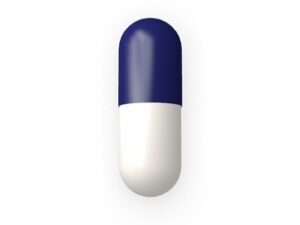
Cymbalta (Duloxetine) — Patient Guide (UK)
What is Cymbalta? Cymbalta is a brand of the medicine duloxetine. Duloxetine belongs to a group of medicines called serotonin–noradrenaline reuptake inhibitors (SNRI). It is used to help treat certain long-term conditions that affect mood, pain pathways, and daily functioning.
This guide is written to be patient-friendly and to help you understand how Cymbalta may work, how it’s typically taken, and important safety information relevant to the United Kingdom. Always follow the advice of your healthcare professional and read the patient information leaflet supplied with your medicine.
Basic product information
| Item | Details |
|---|---|
| Medicine | Cymbalta |
| Active ingredient | Duloxetine |
| Drug class | SNRI antidepressant (also used for certain pain conditions) |
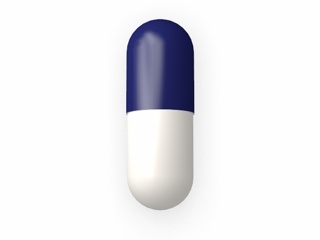
| Common dosage forms | Capsules (delayed-release; strength varies by product) |
| How it’s taken | Usually by mouth, once or twice daily depending on the condition and dose |
| Typical use | Depression, generalised anxiety disorder (GAD), and several chronic pain conditions |
How Cymbalta works (mechanism of action)
Duloxetine affects two key brain chemicals involved in mood and pain processing:
- Serotonin (5-HT)
- Noradrenaline (norepinephrine)
Duloxetine helps by increasing the activity of these chemicals in the brain and spinal cord. It does this by blocking their reuptake (reabsorption) into nerve cells. This can:
- Improve symptoms of depression and anxiety.
- Reduce pain signalling in certain chronic pain conditions, likely by enhancing “descending” pain inhibition pathways.
Because Cymbalta influences brain chemistry and pain pathways, benefits may take time, especially for mood-related symptoms.
Pharmacokinetics (how the body handles duloxetine)
Understanding pharmacokinetics can help explain why Cymbalta is taken consistently and how missing doses may affect you.
- Absorption: Duloxetine is absorbed after oral dosing. Capsules are designed to release the medicine in a controlled way.
- Metabolism: The liver (primarily via enzymes such as CYP2D6 and CYP1A2) breaks duloxetine down into metabolites.
- Elimination: The body removes duloxetine mainly through the urine (metabolites).
- Half-life (approximate): Duloxetine has a half-life of roughly about 10–12 hours in many adults, meaning steady effects typically require consistent daily dosing.
- Steady state: Regular dosing usually achieves more stable blood levels within a few days, while symptom improvement may take longer.
Important: The way duloxetine works can be affected by liver function, kidney function, age, and other medicines that interact with it.
What Cymbalta is used for (indications)
Cymbalta/duloxetine is used in the UK for specific conditions where an SNRI treatment may help. Depending on your individual situation, it may be used for:
- Major depressive disorder
- Generalised anxiety disorder (GAD)
- Diabetic peripheral neuropathic pain
- Chronic musculoskeletal pain (such as chronic low back pain and other persistent pain types that a clinician considers appropriate)
- Fibromyalgia (where relevant and according to UK clinical practice)
Availability of specific indications and product licensing details can vary by formulation and local guidance. Your prescriber will determine suitability for your condition.
Typical timing and how to take Cymbalta
When to take it: Cymbalta is usually taken once or twice daily depending on dose and condition. Your healthcare professional will advise the schedule that fits your treatment plan.
How to take it:
- Swallow the capsule whole with water.
- Do not crush or chew the capsule contents.
- If you miss a dose, follow the advice in the patient leaflet (often, take it when you remember unless it’s close to the next dose; do not take a double dose).
Consistency matters: Try to take Cymbalta at about the same time each day. This helps maintain stable levels and reduces the chance of “discontinuation-like” symptoms if doses are missed.
How long until it helps?
- Depression and anxiety: Some improvement may begin within 1–2 weeks, but full effect often takes several weeks.
- Chronic pain: Some people notice changes earlier, but pain relief often needs time and dose optimisation.
Dosing (general guidance)
Dose must be individualised. The information below is general and not a substitute for your clinician’s instructions.
Common starting approaches:
- Many patients start on a lower dose to improve tolerability.
- Your prescriber may adjust the dose gradually based on response and side effects.
Do not change your dose without advice. Stopping or reducing duloxetine too quickly can lead to withdrawal/discontinuation symptoms such as dizziness, nausea, headache, irritability, abnormal sensations (e.g., “pins and needles”), or sleep disturbance.
Special considerations: Your dose may be adjusted if you have:
- Kidney problems or reduced kidney function
- Moderate to severe liver disease (duloxetine may be avoided or used with caution)
- Other medicines that interact with duloxetine
- Older age (some side effects may be more likely)
Mechanism-related monitoring and practical use tips
Cymbalta can be effective, but success often depends on safe, practical use:
- Give it time: Avoid judging effectiveness after only a few doses.
- Track symptoms: Consider noting mood, anxiety, sleep, pain levels, and side effects daily.
- Manage nausea: If nausea occurs, it may be helped by taking your dose with food (see food section below) or by adjusting timing as advised by your healthcare professional.
- Stay hydrated: Some people experience dry mouth, constipation, or dizziness—hydration can help.
- Do not stop abruptly: Tapering is usually recommended if stopping (your prescriber will guide the plan).
Food interactions (including taking with meals)
Duloxetine can generally be taken with or without food. However, food may help reduce stomach upset for some people.
- If you feel nauseous, taking Cymbalta with a meal may be more comfortable.
- Try to keep your routine consistent so your body adapts to similar dosing conditions.
Food and absorption: There are no major “must-avoid” foods for duloxetine in most patients, but individual tolerability may vary.
Alcohol and medicine interactions
Alcohol: It’s usually recommended to limit alcohol while taking Cymbalta. Alcohol may increase side effects such as:
- drowsiness and dizziness
- impaired judgement and slowed reaction time
- worsening nausea or stomach irritation
- increased risk of harm if symptoms of mood or anxiety worsen
Liver considerations: Duloxetine is metabolised in the liver. Regular heavy alcohol use may increase liver-related risk. If you have liver disease or drink heavily, discuss with a clinician before taking duloxetine.
Important medicine interactions include:
- MAO inhibitors (typically not used together): serious interactions can occur.
- Other antidepressants or medicines that affect serotonin (risk of serotonin syndrome).
- Medicines that affect bleeding: anticoagulants (e.g., warfarin) or antiplatelet drugs (e.g., clopidogrel) may increase bleeding risk when combined with SNRIs.
- NSAIDs (e.g., ibuprofen, naproxen): when used with SNRIs, bleeding risk may increase, particularly for those at higher risk.
- Triptans (for migraine), linezolid, and some opioids: can increase serotonin-related risk depending on exact agent.
- Medicines affecting liver enzymes (CYP2D6/CYP1A2): may raise or lower duloxetine levels.
- Strong CYP1A2 inhibitors/inducers and certain CYP2D6 inhibitors may require dose adjustments or extra monitoring.
Always tell your healthcare professional and pharmacist about all medicines you take, including over-the-counter products and herbal supplements (especially those for mood or sleep).
Safety profile (what to watch for)
Like all medicines, Cymbalta can cause side effects. Many are mild and improve as your body adjusts, but some effects need prompt medical attention.
Common side effects
- Nausea
- Dry mouth
- Constipation
- Sleep changes (insomnia or sleepiness)
- Dizziness
- Headache
- Sweating increased
- Fatigue
- Decreased appetite
Less common but important effects
- Increased blood pressure in some people (or changes in cardiovascular status).
- Sexual dysfunction (e.g., reduced libido, delayed orgasm).
- Urinary retention or difficulty urinating (especially in predisposed individuals).
- Hyponatraemia (low sodium), more likely in older adults and those taking certain other medicines.
Seek urgent medical advice if
Get urgent help if you experience signs of serious reactions, such as:
- Allergic reaction (swelling of face/lips, rash, breathing difficulty)
- Serotonin syndrome symptoms: agitation, confusion, fever, sweating, fast heartbeat, tremor, diarrhoea (especially if combined with other serotonergic medicines)
- Mania or hypomania symptoms: unusually high energy, decreased need for sleep, racing thoughts, risky behaviour
- Bleeding problems: unusual bruising, black/tarry stools, vomiting blood
- Severe liver-related symptoms: yellowing of skin/eyes, dark urine, severe abdominal pain
Discontinuation symptoms (do not stop suddenly)
Stopping duloxetine abruptly can cause withdrawal-like symptoms. Your healthcare professional may recommend a gradual taper.
- Common discontinuation symptoms include dizziness, nausea, headache, irritability, sensory disturbances, and sleep disturbance.
Practical use tips for UK patients
- Use a routine: Choose a time that fits your day and take your capsule consistently.
- Plan for missed doses: Keep the patient leaflet handy for “what if I miss a dose?” guidance.
- Driving and machinery: If you feel dizzy, sleepy, or affected, avoid driving or operating machinery until you know how Cymbalta affects you.
- Blood pressure awareness: If you have cardiovascular history, ask your clinician whether you should monitor blood pressure.
- Constipation support: Consider fibre, fluids, and appropriate stool-softening measures (ask a pharmacist if you’re unsure).
- Track mood and pain: Keep a short diary to help your clinician adjust dose if needed.
- Report side effects early: Early dose adjustments can improve tolerability.
Alternative options (if Cymbalta isn’t suitable)
Depending on the condition being treated, alternatives may include medicines from different classes or other SNRI/antidepressant options. Your clinician may consider:
- Other antidepressants/SNRIs (for mood/anxiety and some pain conditions)
- Other drug classes used for pain (for example, certain anticonvulsants for neuropathic pain)
- Non-medicine approaches that often complement treatment, such as talking therapies, physiotherapy, exercise programmes, sleep support, and cognitive-behavioural strategies for chronic pain
Important: Alternatives may not suit everyone and can interact with existing medicines. Discuss options with your pharmacist or prescriber before switching.
Market and legal context in the United Kingdom
In the UK, Cymbalta (duloxetine) is widely available through pharmacy supply chains and is regulated under medicines legislation. Medicines classification, supply arrangements, and dispensing requirements are based on UK regulatory frameworks and product-specific licensing.
For patients: Always use reputable UK pharmacy services, ensure packaging is intact, and check that your medicine matches the strength and form your clinician intended.
Good to know: Healthcare professionals and pharmacists provide patient information leaflets and counselling to support safe use, interactions checking, and appropriate monitoring.
Recent guidance and clinical considerations
Clinical guidance and safety updates for antidepressants and SNRIs may change over time. In recent years, key themes across NHS and other evidence-based recommendations include:
- Careful risk assessment when starting antidepressants in people with risk factors.
- Monitoring for side effects such as blood pressure changes, hyponatraemia, and bleeding risk when combined with medicines that affect coagulation.
- Awareness of discontinuation effects, supporting gradual reduction and patient education.
- Serotonin syndrome awareness when combining serotonergic medicines.
Local prescribing policies may affect which patients are offered duloxetine for specific pain conditions. Your clinician can explain how national guidance applies to your circumstances.
Delivery and availability (online pharmacy)
Cymbalta is typically supplied as capsules in different strengths, depending on the prescribed dose. Online pharmacy availability can depend on stock levels and supply chain timing.
What you can expect:
- Pack integrity: Your delivery should arrive in secure packaging with intact seals.
- Correct strength: Double-check the strength and formulation against your treatment plan on receipt.
- Delivery times: Courier and processing times vary; check the retailer’s estimated delivery window at checkout.
- Cold chain: Cymbalta is generally stored at controlled room conditions; it does not usually require refrigeration.
If you have urgent needs, contact the pharmacy support team so they can advise on stock and delivery options.
FAQ — Common questions about Cymbalta (Duloxetine)
1) When should I take Cymbalta?
Most people take it once or twice daily depending on the dose prescribed. Choose a consistent time each day. If you feel nauseous, taking it with food may help.
2) Can I take Cymbalta with food?
Yes, duloxetine can usually be taken with or without food. Taking it with meals can improve comfort for some patients.
3) How quickly will it work?
Depression and anxiety symptoms often take several weeks for full benefit. Pain relief may begin earlier for some people, but dose adjustment and time are often needed.
4) What if I miss a dose?
Follow the patient leaflet instructions for missed doses. In general, avoid taking a double dose to make up for a missed one.
5) Is it safe to drink alcohol?
It’s generally advised to limit alcohol. Alcohol can increase side effects such as dizziness or drowsiness and may increase liver-related risk if heavy use occurs.
6) What medicines should I be especially cautious with?
Tell your pharmacist about all medicines, including other antidepressants, migraine medicines (triptans), blood thinners, NSAIDs, and any herbal products. Some combinations increase the risk of serotonin syndrome or bleeding.
7) Can I stop Cymbalta suddenly?
No. Stopping abruptly can cause discontinuation symptoms. Your clinician will usually advise a gradual taper.
8) Will Cymbalta affect driving?
Some people experience dizziness or sleepiness, especially early in treatment or after dose changes. If you feel affected, don’t drive or operate machinery until you’re confident it’s safe for you.
9) Are there any warning signs that mean I should seek help?
Yes. Seek urgent advice for signs of allergy, serotonin syndrome, severe liver problems (jaundice, dark urine), unusual bleeding, or symptoms of mania/hypomania.
10) What if I have liver or kidney problems?
Duloxetine may be unsuitable or require careful dose adjustment depending on severity. Discuss your health history with a clinician before starting or changing dose.
Need personalised advice? If you’re unsure about interactions, dosing schedule, side effects, or whether Cymbalta is suitable for you, speak to a qualified healthcare professional or contact your pharmacist.